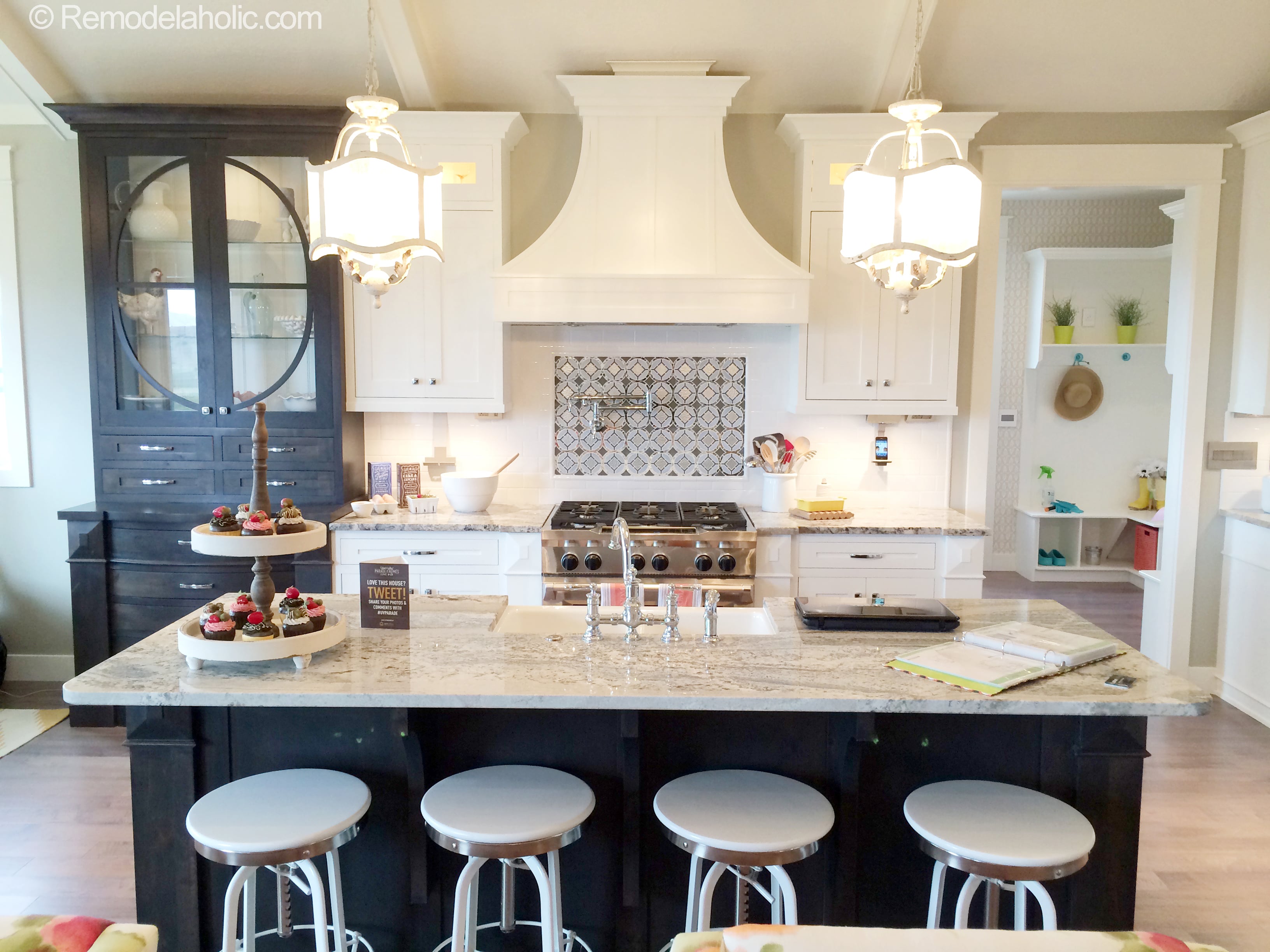
The Utah Valley Parade of Homes is what happens when home design gets dressed up, opens the front door, and politely says, “Come judge my pantry.” Each year, this highly anticipated Utah County home tour gives visitors a close-up look at new builds, luxury custom homes, thoughtful floor plans, bold interiors, mountain-view outdoor spaces, and the kind of laundry rooms that make you briefly believe folding towels could become a hobby.
Hosted by the Utah Valley Home Builders Association, the event brings together builders, designers, landscapers, remodelers, vendors, and home lovers from across the region. It is part design showcase, part real estate field trip, part weekend adventure, and part “I suddenly need a hidden spice kitchen” revelation. Whether you are planning to build, remodel, buy, decorate, or simply collect ideas for your future dream home, the Utah Valley Parade of Homes is one of the best places in Utah to see what is happening in residential construction right now.
For 2026, the parade is scheduled for June 4 through June 20. Homes are open Tuesday through Saturday from noon to 9:00 p.m. and closed on Sundays and Mondays. Tickets are required for visitors ages three and older, and the ticket includes access to both the in-person parade and the virtual parade. In other words, you can tour gorgeous homes in person, then go home and re-tour them from your couch like a very comfortable architecture detective.
What Is the Utah Valley Parade of Homes?
The Utah Valley Parade of Homes is a self-guided tour of newly built and professionally designed homes throughout Utah County. The homes are typically spread across communities such as Provo, Orem, Lehi, Spanish Fork, Salem, Vineyard, Mapleton, Highland, Alpine, Saratoga Springs, Eagle Mountain, and other fast-growing areas in Utah Valley.
The homes vary by size, style, price point, and purpose. Some are fully custom luxury homes with grand staircases, theater rooms, sport courts, resort-style pools, and kitchens large enough to host Thanksgiving, a wedding reception, and possibly a small city council meeting. Others highlight more practical trends, such as efficient floor plans, family-friendly mudrooms, flexible offices, energy-conscious materials, smart storage, and multi-generational living spaces.
What makes the parade special is access. Visitors can walk through finished homes, study real materials, compare layouts, ask questions, meet industry professionals, and see design ideas in a finished environment rather than on a tiny sample board under fluorescent lighting. That matters, because a tile that looks charming in a showroom can become a completely different personality once it covers an entire bathroom wall.
Why the Parade Matters in Utah Valley
Utah Valley is one of the most dynamic housing regions in the Mountain West. Population growth, job growth, family formation, tech expansion, and new infrastructure have all shaped demand for housing across Utah County. Provo has also received national attention for having some of the youngest homes sold among major U.S. metro areas, which reflects how much new construction has become part of the local landscape.
That is why the Utah Valley Parade of Homes is more than a pretty-home tour. It is a snapshot of how the region is growing. You can see how builders respond to Utah lifestyles: large family gathering spaces, basement apartments, mountain-modern architecture, indoor-outdoor entertaining, oversized garages, home offices, gyms, cold storage, craft rooms, and spaces designed for teenagers who somehow require both privacy and constant snacks.
The parade also reflects the changing expectations of homeowners. Today’s buyers are not only asking for square footage. They want livability, convenience, durability, natural light, flexible rooms, good storage, efficient systems, and designs that feel personal without becoming impossible to maintain. A beautiful home is wonderful; a beautiful home with a mudroom that can survive soccer cleats, snow boots, backpacks, and a suspiciously sticky toddler is a small miracle.
2026 Utah Valley Parade of Homes: Dates, Hours, and Tickets
Event dates and hours
The 2026 Utah Valley Parade of Homes runs from June 4 to June 20, 2026. Homes are open Tuesday through Saturday from 12:00 p.m. to 9:00 p.m. and closed on Sundays and Mondays. The schedule gives visitors multiple afternoons and evenings to tour without trying to cram every home into one heroic, caffeine-powered Saturday.
Ticket information
General tickets are listed at $25 per person, with an online service fee. Children ages three and older need a ticket. In recent promotions, Central Bank has also offered discounted tickets at select Utah locations, along with parade magazines and lanyards while supplies last. Because pricing and promotions can change, visitors should always confirm ticket details before heading out.
In-person and virtual access
One major advantage of the event is that tickets include access to the in-person parade and the virtual parade. The virtual option is especially useful if you want to revisit a kitchen, compare exterior styles, show a spouse the fireplace you are now emotionally attached to, or narrow down which homes deserve a second in-person look.
How to Plan Your Parade Route Like a Pro
The Utah Valley Parade of Homes is self-guided, which means you control the route, the pace, and the number of times you say, “Wait, which house had the hidden pantry?” A little planning makes the experience much smoother.
1. Download the parade app
The official app is one of the easiest ways to organize the tour. It helps visitors view homes, plan routes, and keep track of favorites. This is important because once you have seen several dramatic great rooms, three butler’s pantries, two golf simulators, and one bathroom with better lighting than a luxury hotel, the details can start to blur.
2. Group homes by geography
Utah County is large, and parade homes can be spread from north to south. Instead of zigzagging across the valley, group homes by area. For example, plan one day for northern Utah County, another for central areas around Provo and Orem, and another for southern cities such as Spanish Fork, Salem, or Mapleton. Your gas tank and your patience will both send thank-you notes.
3. Prioritize your must-see homes
Not every visitor has the same goal. A future custom-home client may care most about builders and floor plans. A remodeler may focus on cabinetry, tile, lighting, and outdoor spaces. A casual visitor may simply want the homes that look the most dramatic. Choose your must-see homes first, then add nearby extras as time allows.
4. Go on weekdays if possible
Evenings and Saturdays can be busier. If your schedule allows, weekday afternoons often provide a calmer experience. You may have more time to speak with representatives, examine finishes, and avoid doing the polite hallway shuffle with twenty strangers near a powder bath.
Design Trends to Watch at the Utah Valley Parade of Homes
Warm modern interiors
Utah design has moved beyond cold minimalism. Many parade homes now blend clean lines with warm woods, textured stone, soft neutral palettes, plaster-style walls, layered lighting, and comfortable furniture. The result is polished but livable. Think “luxury lodge met modern resort and they agreed on excellent window placement.”
Statement kitchens
Kitchens remain the star of many parade homes. Look for oversized islands, natural stone or quartzite countertops, hidden outlets, double dishwashers, sculleries, walk-in pantries, appliance garages, mixed cabinetry finishes, and professional-style ranges. The best kitchens are not just beautiful; they make the daily chaos of cooking, homework, snacking, and hosting feel slightly less like a competitive sport.
Indoor-outdoor living
Utah Valley’s mountain views make outdoor living a major priority. Parade homes often highlight covered patios, outdoor kitchens, fire features, pools, sport courts, lounge areas, and large sliding or folding glass doors. These spaces are designed for summer evenings, family gatherings, and the sacred Utah tradition of watching kids run around while adults discuss countertops.
Wellness spaces
Home gyms, saunas, spa-style bathrooms, cold plunge areas, meditation rooms, and recovery spaces are increasingly popular. The wellness trend is not just about luxury; it reflects a broader shift toward homes that support daily routines, health, and comfort.
Flexible rooms
Many homeowners want spaces that can evolve. A room might begin as a nursery, become a homework zone, then turn into a guest room or office. Parade homes are excellent places to study flexible layouts, especially if your family’s needs change faster than your Wi-Fi password.
Tips for Future Home Builders
If you are planning to build in Utah Valley, the parade can be an extremely useful research tool. Do not simply walk through and say, “Pretty.” Take notes. Photograph approved details if allowed. Track what you love and what you would change. Pay attention to ceiling heights, window placement, traffic flow, stair locations, garage access, pantry size, mudroom function, and where laundry rooms are placed.
Ask yourself practical questions. Would this kitchen work on a school morning? Is the dining area close enough to the kitchen? Does the primary suite feel private? Is there enough storage near the garage? Would guests know where to go? Is the basement useful or just enormous? Does the home feel comfortable, or does it feel like it expects you to wear linen at all times?
The parade also helps you identify builders whose style matches your taste. Some builders excel at traditional elegance. Others specialize in mountain modern, European farmhouse, contemporary luxury, or family-centered custom homes. Touring multiple entries lets you compare craftsmanship, finish quality, creativity, and consistency.
Tips for Remodelers and Decor Lovers
You do not need to be building a new home to benefit from the Utah Valley Parade of Homes. Remodelers can gather ideas for kitchen updates, bathroom layouts, flooring, paint colors, lighting, cabinetry, exterior materials, and landscaping. Even small details can spark useful inspiration.
For example, you might notice that a darker island makes a white kitchen feel grounded, or that a patterned laundry room floor adds personality without taking over the whole house. You might discover that wall sconces create a softer hallway, that arched openings add charm, or that built-in lockers near the garage could finally end the backpack pile that currently lives like a wild animal by your door.
Bring a note-taking app or small notebook. Create categories such as “kitchen,” “bath,” “paint,” “lighting,” “storage,” and “outdoor.” After touring several homes, patterns will emerge. Those patterns can help you make better decisions when you meet with your own contractor or designer.
Family-Friendly Advice for Visiting
The parade can be fun for families, but it is not the same as visiting a children’s museum. Homes are finished, staged, and carefully maintained. Visitors should avoid touching furniture, opening private cabinets unless invited, stepping outside approved areas, or letting children treat a custom staircase like a theme-park attraction.
Wear comfortable shoes that are easy to slip on and off if shoe covers are required. Bring water, plan snack breaks, and avoid trying to tour too many homes in a single stretch. Children may enjoy dramatic features like bunk rooms, theaters, pools, and play spaces, but even the most enthusiastic young design critic has a limit.
Community Impact of the Parade
The Utah Valley Home Builders Association has described the parade as a community-centered event, with proceeds supporting service, scholarships, charitable donations, and industry programs. Builders do not simply pocket ticket revenue. In fact, participating builders invest significant time, money, and effort to prepare their homes, staff the event, and present their work to the public.
That community connection is one reason the parade has remained such a major local tradition. It supports the building industry, gives vendors visibility, introduces visitors to local craftsmanship, and creates a shared annual celebration around the places people live, gather, raise families, and occasionally argue about where to put the sectional.
A Visitor Experience: What a Day at the Utah Valley Parade of Homes Feels Like
A good Utah Valley Parade of Homes day usually begins with optimism, a charged phone, and a route that looks extremely reasonable until you remember that Utah County traffic has its own personality. The first home sets the tone. You step inside, slip on shoe covers, and immediately notice the smell of new wood, fresh paint, stone, and possibility. The entryway is bright, the windows frame the mountains, and someone nearby whispers, “Look at that ceiling,” with the seriousness usually reserved for medical news.
After the first few rooms, the real learning begins. You notice how a wide hallway changes the feeling of a home. You see how natural light makes neutral colors warmer. You realize that a pantry is not just a pantry when it has counters, outlets, drawers, and enough space to hide every small appliance you regret buying but refuse to donate. A great parade home teaches through details. The cabinet pulls, the shower niche, the outlet placement, the drop zone near the garage, the quiet office tucked away from the main living areathese are the choices that make a house work.
By the third or fourth home, visitors usually develop opinions. Strong opinions. Suddenly everyone is an expert on range hoods, window grids, stair railings, and whether a laundry room belongs upstairs, downstairs, or everywhere. This is part of the fun. The parade turns abstract design preferences into real conversations. Instead of saying, “I like modern farmhouse,” you can say, “I like warm wood beams, creamy walls, black-framed windows, stone texture, and a kitchen island that could safely land a helicopter.” Much clearer.
Lunch or dinner becomes part of the adventure. Many visitors plan a route around local restaurants or take breaks between clusters of homes. That pause matters, because touring parade homes can be surprisingly tiring. You are walking, observing, comparing, remembering, and trying not to fall in love with a primary bathroom that has more square footage than your first apartment.
The best visitors move slowly. They look beyond the obvious luxury features and ask what would actually improve daily life. A theater room is exciting, yes, but so is a mudroom with closed storage. A pool is glamorous, but a shaded patio may get used more often. A massive kitchen is impressive, but the best kitchen is the one that supports the way people really cook, gather, and clean.
Near the end of the day, the homes begin to blend together unless you have taken notes. That is when the app, photos where permitted, and quick voice memos become useful. Record what stood out: “Home 8 had the best pantry,” “Home 14 had amazing outdoor living,” “Home 22 had the office layout we liked,” or “Never forget the powder bath wallpaper.” The next day, those notes become gold.
The experience often ends with a mix of inspiration and realism. You may not be adding a swim-up bar, a golf simulator, or a marble fireplace next week. Fair enough. Most of us are just trying to keep the junk drawer from becoming a second junk room. But you can leave with practical ideas: better lighting, smarter storage, warmer finishes, improved traffic flow, more durable materials, and a clearer sense of what home means to you.
That is the real magic of the Utah Valley Parade of Homes. It is not only about admiring spectacular houses. It is about learning how design affects everyday living. It helps visitors dream bigger, plan smarter, and notice the details that turn square footage into comfort. And yes, it may also make you want a bigger pantry. Honestly, that is between you and your contractor.
Conclusion
The Utah Valley Parade of Homes is one of Utah County’s most valuable design and building events for homeowners, future buyers, remodelers, decorators, and curious visitors. It offers a rare opportunity to walk through new homes, compare builders, study current design trends, and gather practical ideas for real-life living. From luxury custom builds to clever storage solutions, from outdoor entertaining spaces to warm modern interiors, the parade shows where Utah Valley home design is headed.
For the best experience, plan your route, use the official app, visit on less crowded days when possible, take notes, wear comfortable shoes, and focus on both beauty and function. The dream-home details are fun, but the smartest takeaways are often the practical ones: better traffic flow, smarter organization, flexible rooms, natural light, and finishes that can survive real family life.
Note: Event dates, ticket prices, promotions, participating homes, and visitor rules may change. Confirm current details with the official Utah Valley Parade of Homes and Utah Valley Home Builders Association before attending.