Red meat and heart health have been locked in a dramatic food-court trial for decades. On one side: sizzling steaks, backyard burgers, Sunday pot roast, and the occasional “just one tiny piece of bacon” that somehow becomes six. On the other side: cardiologists, cholesterol charts, and public health advice that has often sounded like, “Step away from the ribeye and nobody gets hurt.”
But the newest reading of the research is more interesting than the old headline. Scientists are not exactly giving everyone a free pass to build a dietary pyramid out of cheeseburgers. Instead, many studies now suggest the heart-health question is not simply, “Is red meat bad?” A better question is: What kind of red meat, how much, how often, cooked how, and eaten instead of what?
That may sound less exciting than a food villain story, but it is far more useful. Processed meats such as bacon, sausage, hot dogs, ham, salami, and deli meats remain the biggest red flags. Unprocessed red meat, especially lean cuts eaten in modest portions as part of a balanced diet, appears to have a more complicated relationship with cardiovascular disease. In other words, red meat may not be the heart-hurting monster it has sometimes been made out to bebut it is definitely not a magical protein cape either.
Why Red Meat Became the Usual Suspect
Red meat includes beef, pork, lamb, veal, goat, and similar meats. For years, nutrition advice connected frequent red meat intake with higher risk of heart disease because many cuts contain saturated fat and dietary cholesterol. Saturated fat can raise LDL cholesterol, often called “bad” cholesterol, which contributes to plaque buildup in arteries. That pathway is real, and it is one major reason heart-health organizations still recommend limiting saturated fat.
Red meat also contains heme iron and compounds such as L-carnitine. In some people, gut bacteria can convert L-carnitine into substances related to TMAO, a compound researchers have studied for its possible connection to atherosclerosis and cardiovascular risk. So yes, the scientific concern did not appear out of nowhere like a nutrition-themed ghost.
However, food is not eaten in a laboratory vacuum. A steak served with lentil salad, roasted vegetables, and water is not the same meal as a double bacon cheeseburger with fries and a soda large enough to need its own parking space. When researchers study real people, these details mattera lot.
The Newer Twist: Unprocessed Red Meat Is Not the Same as Processed Meat
One of the biggest lessons from modern nutrition research is that “red meat” is too broad a category. Processed meat and unprocessed red meat behave differently in studies, and lumping them together can make the results look scarier or blurrier than they need to be.
Processed Meat: Still the Problem Child
Processed meat is meat that has been cured, smoked, salted, fermented, or preserved in ways that improve flavor or shelf life. Think bacon, sausage, hot dogs, pepperoni, salami, ham, corned beef, jerky, and many deli meats. These foods often bring along sodium, preservatives, nitrates or nitrites, and higher levels of saturated fat. That combination is not exactly a love letter to your arteries.
Higher sodium intake can raise blood pressure in many people, and high blood pressure is one of the strongest risk factors for heart disease and stroke. Processed meats also tend to appear in less heart-friendly meal patterns: white bread, sugary drinks, fried sides, and low vegetable intake. The bacon may not be acting alone, but it is definitely hanging out with a suspicious crowd.
Unprocessed Red Meat: More Complicated Than “Bad”
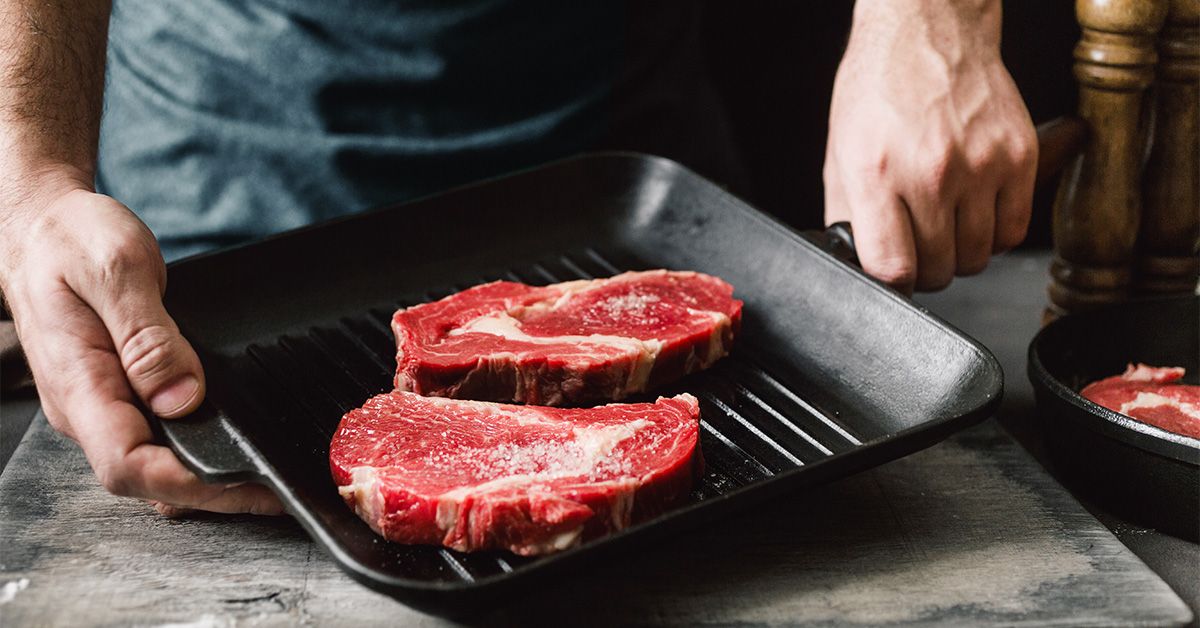
Unprocessed red meat means fresh meat that has not been cured, smoked, or heavily preserved. Examples include lean ground beef, pork tenderloin, sirloin steak, lamb loin, or a small serving of roast beef prepared at home. Research on unprocessed red meat and heart disease is mixed. Some large studies associate higher intake with modestly higher cardiovascular risk. Other analyses find the evidence weaker, especially when red meat intake is moderate and compared with refined carbohydrates or highly processed foods.
That last phrasecompared with whatis the sneaky little key hiding under the nutrition doormat. Replacing red meat with beans, nuts, fish, or whole grains usually looks beneficial. Replacing red meat with white bread, cookies, fries, or ultra-processed snacks? Not so impressive. Your heart does not throw confetti because you swapped a steak for a mountain of cheese crackers.
What Scientists Are Really Saying
The newer scientific conversation does not say, “Eat unlimited red meat and call it cardio.” It says the evidence is more nuanced than older headlines suggested. Several important findings shape the current debate.
1. The Strength of Evidence Varies
Some large reviews have found only weak evidence linking unprocessed red meat with ischemic heart disease. That does not mean there is no risk. It means the observed risk may be small, uncertain, or influenced by other diet and lifestyle factors. Nutrition studies are hard because people do not live in identical cages eating weighed portions while scientists take notes with tiny clipboards. People forget what they ate, change habits over time, exercise differently, sleep differently, smoke or do not smoke, and occasionally decide that “one serving” means “whatever fits on the plate.”
2. Red Meat May Not Be Worse Than White Meat for Cholesterol
One randomized feeding study found that red meat and white meat raised LDL cholesterol similarly when compared with plant protein sources. That surprised many people because chicken and turkey have long worn the health halo like they were born in yoga pants. The important takeaway is not that red meat wins. It is that plant proteinsbeans, lentils, nuts, soy foods, and similar optionsoften look better for cholesterol than both red and white meat.
3. Saturated Fat Still Matters
Even if unprocessed red meat is not automatically a heart-health disaster, saturated fat is still important. Fatty cuts, butter-basted steaks, creamy sauces, and giant portions can push saturated fat intake upward. Choosing lean cuts and trimming visible fat can change the nutrition profile significantly. A modest serving of lean sirloin is not the same as a massive slab of ribeye with garlic butter doing a cannonball on top.
4. Gut Bacteria May Influence Risk
Researchers are increasingly interested in how the gut microbiome processes compounds found in red meat. Some studies suggest that metabolites such as TMAO may help explain part of the relationship between red meat intake and cardiovascular risk. But this area is still evolving. Gut bacteria vary from person to person, which means two people can eat the same food and produce different metabolic responses. Your gut is basically a tiny microbial city with its own traffic laws.
Red Meat’s Nutritional Upside
Red meat is not nutritionally empty. It provides high-quality protein, iron, zinc, selenium, and vitamin B12. For people who struggle to get enough iron or B12, red meat can be a useful food. This is one reason overly simplistic advice can backfire. A food can contain valuable nutrients and still need portion control. Peanut butter is nutritious too, but nobody recommends eating it with a snow shovel.
The healthiest approach is to view red meat as one protein option, not the king of the plate. A balanced pattern includes vegetables, fruits, whole grains, legumes, nuts, seeds, fish, and healthy oils. Red meat can fit into that pattern for many people, especially when portions are reasonable and processed meat is limited.
How Much Red Meat Is Reasonable?
There is no single perfect number for everyone. Health goals, cholesterol levels, blood pressure, family history, activity level, culture, budget, and personal preference all matter. Still, many heart-focused recommendations suggest limiting red meat rather than treating it as an everyday centerpiece. A practical target for many adults is to keep unprocessed red meat to occasional, moderate servings and prioritize fish, poultry, beans, lentils, tofu, nuts, and seeds more often.
A serving of cooked meat is usually about 3 ounces, roughly the size of a deck of cards. That may sound tiny if your usual steak has its own gravitational field, but it is a helpful reference. A plate built around vegetables, whole grains, and a smaller portion of lean meat can feel satisfying without turning dinner into a cholesterol negotiation.
Best Choices If You Eat Red Meat
Choose Lean Cuts
Look for cuts such as sirloin, tenderloin, eye of round, top round, pork tenderloin, or extra-lean ground beef. Trim visible fat before cooking. Choose grilling, roasting, broiling, baking, or sautéing with small amounts of healthy oil instead of deep-frying or drowning the meat in creamy sauces.
Keep Processed Meat Occasional
If there is one place to be stricter, it is processed meat. Bacon, hot dogs, sausages, and deli meats should be occasional foods, not daily habits. They are convenient, yesbut so is wearing pajamas to the grocery store, and society has wisely made that a “sometimes” choice.
Watch the Whole Plate
Pair red meat with fiber-rich foods. Fiber helps support cholesterol management, gut health, and fullness. Good partners include beans, lentils, oats, barley, vegetables, fruit, and whole grains. A small steak with roasted broccoli and farro is a different health story than a bacon cheeseburger with fries.
Cook Smarter
High-temperature charring can create compounds that researchers continue to study for potential health concerns. You do not need to panic if your burger has grill marks, but avoid turning meat into charcoal with seasoning. Marinating, cooking at moderate temperatures, flipping frequently, and trimming burnt portions can help.
What This Means for Heart Health
The most responsible answer is not “red meat is harmless” or “red meat is poison.” The best answer is: processed meat is consistently linked with greater health concerns, while unprocessed lean red meat may fit into a heart-conscious diet when eaten in modest amounts and balanced with healthier foods.
For people with high LDL cholesterol, high blood pressure, diabetes, kidney disease, or a strong family history of heart disease, it is smart to discuss dietary choices with a healthcare professional. Personal risk matters. Someone with excellent cholesterol and an active lifestyle may have a different red-meat strategy than someone whose arteries are already sending polite warning emails.
Common Myths About Red Meat and the Heart
Myth 1: All Red Meat Is Equally Bad
A lean pork tenderloin cooked at home is not nutritionally equal to a pile of bacon. Processing, sodium, fat content, portion size, and meal pattern all matter.
Myth 2: Chicken Is Always Better
Chicken can be a healthy choice, especially skinless and grilled or baked. But fried chicken, processed chicken nuggets, and oversized portions are not automatic heart-health heroes. Protein source matters, but preparation matters too.
Myth 3: If Red Meat Is Not as Bad as We Thought, More Must Be Better
Nope. Nutrition does not work like a superhero origin story. Moderate evidence does not equal unlimited permission. A little may fit; a lot may crowd out foods your heart loves more, such as vegetables, legumes, nuts, and whole grains.
Practical Experience: What This Looks Like in Real Life
Here is the experience many people have when they try to “eat heart healthy”: they start by removing everything they enjoy. The fridge becomes a museum of plain lettuce, unsalted sadness, and one suspicious container of quinoa from last Tuesday. Then, after a week of culinary punishment, a burger appears and the whole plan collapses like a lawn chair in a thunderstorm.
A better real-world approach is not total red-meat exile. It is smarter placement. Imagine someone who enjoys steak once a week. Instead of eating a 16-ounce steak with fries, they choose a 4- to 5-ounce portion of lean steak, add a big salad, roasted potatoes, and vegetables. They skip the creamy steakhouse sauce and use herbs, garlic, pepper, citrus, or a small amount of olive oil. The meal still feels like dinner, not a punishment written by a bored nutrition robot.
Another common experience is the breakfast problem. Many people do not think of processed meat as “red meat” because bacon and sausage show up beside eggs wearing breakfast pajamas. But daily bacon, sausage biscuits, or ham-heavy sandwiches can quietly add sodium and saturated fat. A simple switcheggs with avocado toast, oatmeal with nuts, Greek yogurt with fruit, or a breakfast burrito with beans and vegetablescan reduce processed meat without making mornings miserable.
Then there is the family dinner challenge. Someone may want to cut back on red meat, but the household favorite is spaghetti with meat sauce. No problem. Use half the usual amount of lean ground beef and add mushrooms, lentils, carrots, onions, and tomatoes. The sauce stays hearty, the flavor still shows up for work, and the plate gains fiber. This is the kind of change people actually keep because it does not announce itself with a sad trumpet.
Restaurant meals require another strategy. If the menu screams “steak,” choose a smaller cut, share it, or take half home. Add vegetables instead of doubling down on fries. If ordering a burger, skip bacon, choose a single patty, add lettuce and tomato, and consider a side salad or fruit. These little moves are not glamorous, but neither is arguing with your cholesterol results in a doctor’s office.
The biggest lesson from lived experience is that consistency beats dietary drama. A person who eats mostly whole foods, exercises regularly, sleeps decently, limits ultra-processed foods, and enjoys a modest portion of lean red meat sometimes may be doing far better than someone who avoids steak but lives on sugary cereal, chips, and soda. The heart looks at the whole pattern, not just one food wearing a villain costume.
Conclusion: Red Meat Is Not Innocent, but It Is Not Always Guilty
So, does red meat hurt your heart? The fairest answer is: it depends. Processed meat remains strongly worth limiting. Unprocessed lean red meat is more nuanced. The latest scientific discussion suggests that moderate amounts may fit into a healthy eating pattern, especially when the rest of the diet is rich in plants, fiber, healthy fats, and minimally processed foods.
The smartest heart-health move is not fear. It is context. Choose lean cuts, keep portions reasonable, avoid making processed meat a habit, and pay attention to what replaces red meat on your plate. Beans, lentils, fish, nuts, vegetables, and whole grains are still excellent choices. But if you enjoy a small steak now and then, you may not need to eat it with a side of guilt.
Note: This article is for general educational purposes and is based on current nutrition research and guidance from reputable U.S. health and scientific sources, including heart-health organizations, academic medical centers, government nutrition reviews, and peer-reviewed studies. People with heart disease, high cholesterol, diabetes, high blood pressure, kidney disease, or other medical conditions should ask a qualified healthcare professional for personalized nutrition advice.