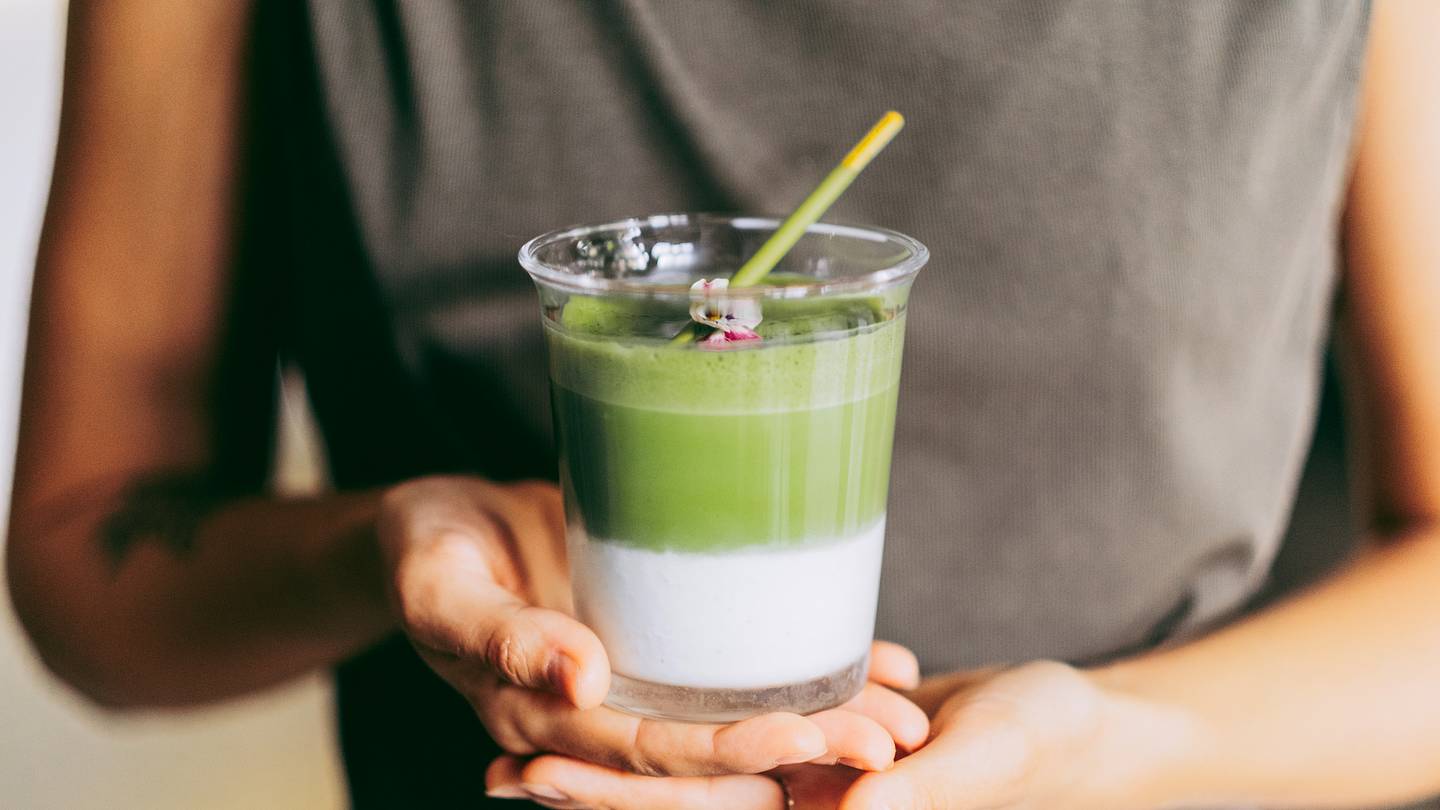
If your social feed has recently looked like a parade of dreamy green drinks wearing fluffy white hats, congratulations: you have met cloud matcha. This viral matcha drink is part iced matcha latte, part whipped cream fantasy, and part “how did a beverage become prettier than my living room?” The good news is that cloud matcha looks café-fancy, but it is wonderfully easy to make at home with a few ingredients, a whisk or handheld frother, and about five minutes of patience.
At its simplest, cloud matcha is a cold matcha drink topped with a soft, lightly sweetened cream “cloud.” Some versions use coconut water as the base for a tropical twist. Others layer matcha over milk, vanilla cream, or oat milk. The result is creamy, earthy, refreshing, and photogenic enough to make your glass feel like it has its own publicist.
This guide breaks down what cloud matcha is, why it went viral, how to make it without clumps, how to customize it, and how to avoid the most common matcha mistakes. Whether you are a longtime matcha lover or a curious coffee drinker flirting with green tea powder, this homemade cloud matcha recipe is approachable, delicious, and surprisingly forgiving.
What Is Cloud Matcha?
Cloud matcha is a modern iced matcha drink topped with whipped cream, sweet cream foam, or a thick matcha-infused cream layer. It borrows inspiration from several popular café trends: iced matcha lattes, cold foam drinks, coconut matcha refreshers, and cream-topped beverages like the einspänner. The “cloud” name comes from the thick, airy topping that floats over the drink like a soft little weather system you are allowed to sip.
Unlike a classic matcha latte, which blends matcha with milk from top to bottom, cloud matcha is all about layers. The base may be coconut water, milk, oat milk, almond milk, or even lightly sweetened water. The matcha may be whisked separately and poured over ice, or it may be folded into cream to create a vivid green topping. Either way, the drink has contrast: cool liquid below, fluffy cream above, and matcha’s earthy flavor tying everything together.
Why Cloud Matcha Went Viral
Cloud matcha became popular for three very internet-friendly reasons: it looks beautiful, it feels indulgent, and it is easy to recreate. The drink gives you dramatic layers without needing barista training. Pour the base, add ice, spoon on the cream, and suddenly your kitchen counter looks like a boutique café.
There is also the matcha factor. Matcha has become a favorite alternative to coffee because it contains caffeine along with L-theanine, an amino acid associated with a calmer, more focused feeling. It also has a distinct flavor: grassy, slightly sweet, a little savory, and pleasantly bitter when prepared correctly. Add whipped cream, and that bitterness softens into something dessert-like but still refreshing.
Finally, cloud matcha is endlessly customizable. Want a coconut version? Use coconut water and coconut cream. Prefer a creamy latte? Use oat milk. Want it less sweet? Cut the sugar. Want it to taste like a vanilla milkshake went to a wellness retreat? Add vanilla syrup. The drink can be playful without becoming complicated.
The Best Matcha for Cloud Matcha
The quality of matcha matters because this drink has only a few ingredients. If the matcha tastes harsh, stale, or muddy, the cream can help, but it cannot perform miracles. Choose a vibrant green matcha powder with a fresh aroma. Dull olive or brownish matcha often tastes more bitter because it may be older, lower quality, or poorly stored.
Ceremonial Grade vs. Culinary Grade
Ceremonial grade matcha is typically smoother, brighter, and better for drinking. Culinary grade matcha is more affordable and works well in baked goods, smoothies, and recipes with stronger flavors. For cloud matcha, premium or ceremonial grade is ideal if you want a smooth café-style taste. However, a good culinary grade can still work if you balance it with cream and sweetener.
How to Store Matcha
Matcha is sensitive to air, light, heat, and moisture. Keep it tightly sealed in a cool, dark place. Once opened, use it within a few months for the best flavor. If your matcha smells flat or tastes aggressively bitter no matter what you do, it may be time to let it retire gracefully.
Ingredients You Need for Homemade Cloud Matcha
You do not need a professional espresso machine or a countertop full of tools. The basic homemade cloud matcha recipe uses simple ingredients you can find at most grocery stores.
For One Serving
- 1 to 2 teaspoons matcha powder, sifted
- 2 tablespoons hot water, about 160°F to 180°F
- 1/2 cup coconut water, milk, oat milk, or almond milk
- 1/4 cup heavy cream or coconut cream
- 1 to 2 teaspoons sugar, maple syrup, honey, or vanilla syrup
- Ice
- Optional: pinch of salt, vanilla extract, toasted coconut, or cinnamon
Heavy cream creates the thickest cloud. Coconut cream gives the drink a tropical flavor and makes a dairy-free version possible. Oat milk is another excellent choice because it has a naturally creamy texture and mild sweetness.
How to Make Viral Cloud Matcha at Home
This method keeps the matcha smooth, the cream fluffy, and the drink beautifully layered. The key is to treat matcha like the delicate ingredient it is. Boiling water is not your friend here. It can make matcha taste bitter and dull. Warm water helps the powder dissolve while preserving its smoother flavor.
Step 1: Sift the Matcha
Add 1 to 2 teaspoons of matcha powder to a small bowl through a fine-mesh strainer. Sifting may sound fussy, but it is the difference between a silky drink and a glass of green confetti. Matcha clumps easily because the powder is very fine, so this one tiny step is worth it.
Step 2: Whisk With Hot Water
Add 2 tablespoons of hot water, ideally between 160°F and 180°F. Whisk in a quick zigzag or “W” motion until the mixture looks smooth and slightly foamy. A bamboo whisk is traditional, but a handheld milk frother works well for busy mornings or anyone who has not yet achieved tea ceremony energy before breakfast.
Step 3: Make the Cream Cloud
In a small cup or bowl, combine heavy cream, sweetener, and a tiny pinch of salt. Whip with a handheld frother, small whisk, or electric mixer until the cream thickens but still flows slowly. Aim for soft peaks, not butter. If the cream starts looking chunky, you went too far. It happens. We do not judge; we simply start again.
Step 4: Build the Drink
Fill a glass with ice. Pour in coconut water, milk, or your chosen base. Add the whisked matcha slowly over the ice. Spoon or pour the cream cloud on top. For a dramatic look, keep the layers separate. For the best flavor, stir before drinking so the matcha, base, and cream mingle like they were meant to be together.
Step 5: Garnish and Sip
Dust the top with a little matcha powder, add toasted coconut, or drizzle with vanilla syrup. Serve immediately while the cloud is still fluffy and the ice is still doing its job.
Cloud Matcha Recipe Variations
The beauty of cloud matcha is that it can match your mood. Once you master the basic technique, try these easy variations.
Coconut Cloud Matcha
Use coconut water as the base and coconut cream for the topping. This version is light, tropical, and especially refreshing on hot days. It tastes like a beach vacation decided to become a green tea drink.
Vanilla Oat Cloud Matcha
Use oat milk as the base and add vanilla syrup to the cream. Oat milk’s natural sweetness pairs beautifully with matcha, while vanilla softens the grassy notes.
Strawberry Cloud Matcha
Muddle a few strawberries with a teaspoon of sugar at the bottom of the glass before adding ice and milk. The pink-and-green layers look stunning, and the fruit adds brightness.
Honey Lavender Cloud Matcha
Sweeten the cream with honey and add a very small amount of food-grade lavender syrup. Keep it subtle. Lavender is charming in tiny amounts and suspiciously soap-like when overused.
Protein Cloud Matcha
Blend unflavored or vanilla protein powder into the milk base, then top with matcha and cream. Use a shaker bottle or blender to keep the texture smooth.
Common Mistakes to Avoid
Cloud matcha is easy, but a few mistakes can turn it from café-style to “why does this taste like lawn clippings in a snowstorm?” Here is how to keep your drink smooth and balanced.
Using Boiling Water
Boiling water can make matcha taste bitter. Let freshly boiled water cool for a minute or use a kettle with temperature control. A range of 160°F to 180°F works well for most matcha drinks.
Skipping the Sifter
Unsifted matcha often clumps. If you do not have a fine-mesh strainer, break up clumps with the back of a spoon before whisking.
Overwhipping the Cream
The cloud should be thick but pourable. If it becomes stiff, it may sit on top like frosting instead of blending into the drink. Delicious? Possibly. Drinkable? Questionable.
Adding Too Much Sweetener
Matcha has natural complexity. Too much sugar can flatten the flavor. Start small, taste, and adjust. You can always add more sweetness, but you cannot politely ask syrup to leave.
Using Too Much Matcha
More matcha does not automatically mean better matcha. Start with 1 teaspoon if you are new to the flavor. Increase to 2 teaspoons if you like a stronger, more café-style drink.
Is Cloud Matcha Healthy?
Cloud matcha can be part of a balanced diet, but it depends on how you make it. Matcha contains antioxidants, including catechins, and it naturally provides caffeine. Because matcha is made from powdered green tea leaves, you consume the leaf itself rather than simply steeping it and removing it. That gives matcha its concentrated flavor and nutritional profile.
The cream cloud, however, adds calories, saturated fat, and sugar if you use heavy cream and sweetener. That does not make the drink “bad.” It just means cloud matcha is more indulgent than plain matcha tea. If you want a lighter version, use unsweetened oat milk, reduce the cream, or make a smaller cloud. You can also use coconut cream or a dairy-free whipping alternative if you avoid dairy.
People who are sensitive to caffeine should pay attention to serving size. Matcha caffeine levels vary depending on the amount of powder used and the type of matcha. A drink made with 1 to 2 teaspoons may feel gentler than coffee for some people, but it is still caffeinated. If caffeine affects your sleep, enjoy cloud matcha earlier in the day.
How to Make Cloud Matcha Taste Like a Café Drink
For the best café-style cloud matcha, focus on texture, balance, and temperature. Chill the glass before building the drink. Use cold cream so it whips faster and holds air better. Sift the matcha and whisk it separately before adding it to the glass. Use enough ice to keep the layers crisp and refreshing.
Flavor balance matters too. Matcha is earthy and slightly bitter, cream is rich, and sweetener rounds everything out. A tiny pinch of salt in the cream can make the flavors pop without making the drink salty. Vanilla adds softness. Coconut water adds sweetness and a clean finish. Oat milk adds body. Almond milk keeps things lighter.
Presentation is optional, but let us be honest: half the fun is the look. Use a clear glass. Pour slowly. Add the cloud last. Dust with matcha through a small sieve. Then take the photo quickly, because whipped cream clouds are beautiful but not known for long-term architectural stability.
Make-Ahead Tips and Storage
Cloud matcha tastes best right after assembly, but you can prepare parts ahead. Whisk the matcha with water and refrigerate it for a few hours in a sealed jar. Shake before using. You can also make the sweet cream mixture ahead and keep it cold, then whip it just before serving.
Do not leave cream-based drinks at room temperature for long. Keep dairy or coconut cream refrigerated until you are ready to use it. If you make extra whipped cream, store it covered in the refrigerator and use it within a day for the best texture.
Cloud Matcha Experience: What It Is Really Like to Make at Home
The first time you make cloud matcha at home, you may feel like you are attempting a drink that belongs behind a glass counter with a handwritten chalkboard menu. Then you realize the hardest part is finding the fine-mesh strainer that somehow migrated to the back of the drawer. Once that is handled, the process is surprisingly simple.
My favorite version starts with coconut water because it makes the drink taste lighter than a standard latte. The coconut flavor does not shout; it hums in the background. When paired with matcha, it creates a refreshing drink that feels more afternoon pick-me-up than heavy dessert. If you prefer a creamier sip, oat milk is the better choice. It gives the drink a smooth body and makes the matcha taste rounder, especially with a little vanilla.
The biggest lesson is that sifting matcha is not optional if you care about texture. I tried skipping it once in the spirit of efficiency. The result was a drink that looked pretty from far away but had tiny green clumps waiting like plot twists. Sifting takes about ten seconds and saves the whole experience.
The second lesson is that the cream cloud should be soft. When the cream is whipped too stiff, it sits on top like a dessert topping and refuses to become part of the drink. Soft cream, on the other hand, slowly drifts into the matcha as you sip, creating that luxurious café texture. Cold cream helps. A cold cup helps. A handheld frother helps even more, especially if you do not want to pull out a stand mixer for one drink.
Sweetness is personal. One teaspoon of maple syrup gives a gentle sweetness and a cozy flavor. Vanilla syrup makes the drink taste more like a coffee shop treat. Honey works, but it blends best if loosened with a tiny splash of warm water first. Plain sugar is fine too, although it dissolves better in the matcha or cream before the drink hits the ice.
The most satisfying part is the layering. Add ice, pour in the base, drizzle in the matcha, and spoon the cream over the top. For a moment, the drink looks almost too pretty to disturb. Then you stir it, and the green and white ribbons swirl together like a tiny edible storm. That first sip is cool, creamy, grassy, sweet, and just bitter enough to keep it interesting.
Cloud matcha is also a great drink for guests because it looks more difficult than it is. You can set up a mini matcha bar with oat milk, coconut water, vanilla syrup, strawberries, and whipped cream. Let everyone build their own. It feels special without requiring you to become a full-time beverage artist. The only warning: once people know you can make it, they may start requesting it every time they visit.
In the end, the viral cloud matcha trend works because it delivers real flavor behind the good looks. It is not just a pretty drink. It is customizable, quick, refreshing, and easy enough for a weekday morning. And if your first attempt is slightly messy? That is fine. Put it in a clear glass, call it “rustic cloud matcha,” and sip proudly.
Conclusion
Cloud matcha may look like something that requires a barista badge and a very serious apron, but it is refreshingly simple to make at home. With sifted matcha, warm water, cold cream, and your favorite base, you can create a layered drink that tastes smooth, creamy, and café-worthy. The key is balance: do not burn the matcha, do not overwhip the cream, and do not drown the drink in sweetener. Once you learn the basic method, you can customize it with coconut water, oat milk, vanilla, fruit, or dairy-free cream.
Whether you are making it for a slow morning, an afternoon energy boost, or a weekend brunch that needs a little drama, homemade cloud matcha delivers. It is easy, beautiful, and just fancy enough to make your kitchen feel like the trendiest café in townminus the line, the price tag, and the person in front of you ordering twelve customized drinks.

