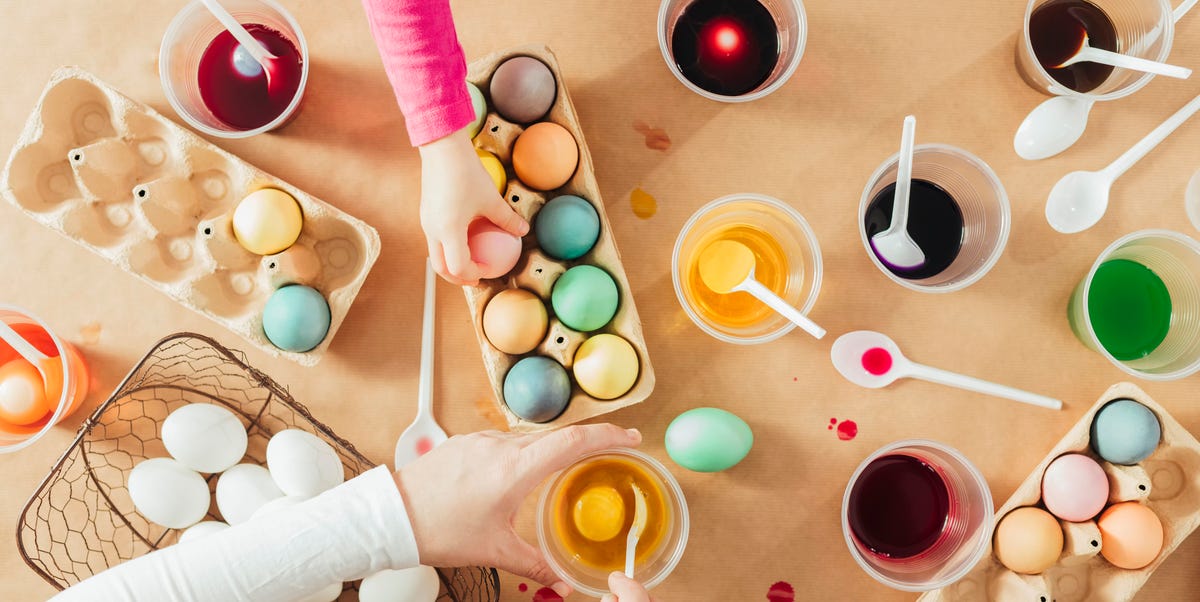
Every spring, the same cheerful little chaos returns: hard-boiled eggs, cups of mysterious dye, one spoon that somehow disappears, and a child who believes “gentle stirring” means recreating a tiny kitchen whirlpool. Easter egg dyeing is supposed to be charming, nostalgic, and photo-worthy. In reality, it often looks like a craft store sneezed on your table.
That is exactly why this genius Easter egg dyeing hack deserves its moment in the pastel-colored spotlight. Instead of dunking eggs into bowls of dye and hoping for the best, the rice dyeing method uses uncooked rice, food coloring, and a cup or bag to create beautifully speckled Easter eggs with almost no mess. The result is bright, textured, surprisingly stylish eggs that look like they came from a boutique craft workshopminus the boutique craft workshop price tag.
The best part? You probably already have everything you need in your pantry. Dry rice becomes the magic delivery system, food coloring brings the drama, and a simple shake does the decorating. It is fast, kid-friendly, budget-friendly, and forgiving enough for people who cannot draw a straight line without emotional support.
What Is the Genius Easter Egg Dyeing Hack?
The hack is simple: place dry uncooked rice in a cup, container, or zip-top bag, add a few drops of food coloring, drop in a cooled hard-boiled egg, and gently shake until the shell picks up a speckled, confetti-like pattern. The rice acts like hundreds of tiny stampers, transferring color in dots and streaks instead of coating the egg in one flat shade.
Traditional egg dyeing creates smooth, saturated color by soaking eggs in a mixture of hot water, vinegar, and food coloring. That classic method is still wonderful, especially when you want rich solid colors. But the rice method gives eggs a modern, playful finish. Think robin’s egg, candy shell, watercolor sprinkle, and “I definitely planned this” all rolled into one.
This Easter egg dyeing hack is especially useful for families because it reduces spills. There are no open bowls of bright blue liquid waiting to leap onto the tablecloth. There is no fishing around with a spoon while whispering, “Please do not crack, please do not crack.” You simply shake, peek, and keep going until the egg looks festive enough to deserve its own tiny parade.
Why Rice Dyeing Easter Eggs Works So Well
Dry rice is the secret because it creates controlled texture. When food coloring hits the rice, the grains become lightly coated. As the egg rolls around inside the container, those colored grains tap against the shell. Instead of soaking into one even layer, the color lands in small marks. That gives each egg a unique speckled effect.
The Texture Looks Handmade, Not Messy
One of the biggest challenges with easy Easter egg decorating ideas is making them look intentional. Some “simple crafts” end up looking like a raccoon helped. Rice-dyed eggs, however, have a charming handmade finish even when the technique is very basic. The speckles hide imperfections beautifully, so every egg looks artistic rather than accidental.
The Colors Are Easy to Layer
Another reason this Easter egg dyeing hack is a game changer is that it handles layers well. Start with yellow rice, shake the egg lightly, let it dry, then repeat with pink or blue. The second color does not need to cover the first. It adds dimension. You can create soft spring tones, bold rainbow eggs, or earthy speckled eggs that look like they belong in a farmhouse centerpiece.
It Keeps Kids Engaged
Kids love crafts with movement, and this one delivers. Shaking the container makes the process feel active and exciting. Adults love it because the dye is mostly contained. That is what experts call a win-win, and what parents call “finally, a craft that does not require repainting the dining room.”
Supplies You Need for Rice-Dyed Easter Eggs
You do not need a professional crafting setup. For this easy Easter egg dyeing method, gather the following supplies:
- Hard-boiled eggs, fully cooled
- Uncooked white rice
- Liquid food coloring or gel food coloring
- Small plastic cups, lidded containers, or zip-top bags
- White vinegar, optional but helpful for brighter color
- Paper towels or parchment paper
- A drying rack, egg carton, or foam board with pins
- Disposable gloves, if you want stain-free fingers
White eggs will show the brightest colors, but brown eggs can be beautiful too. On brown shells, the colors tend to look warmer, deeper, and more rustic. If white eggs are the cheerful spring dress, brown eggs are the linen apron in a magazine kitchen.
How to Do the Easter Egg Dyeing Hack Step by Step
Step 1: Cook and Cool the Eggs
Start with hard-boiled eggs that are completely cool. Warm eggs can create condensation, which may make the dye spread more than you want. If you plan to eat the eggs later, keep food safety in mind: cooked eggs should not sit out at room temperature for more than two hours, and they should be refrigerated when you are not decorating or serving them.
Step 2: Add Rice to a Container
Pour about half a cup of dry uncooked rice into a small cup, lidded container, or zip-top bag. You do not need an exact measurement. The egg should have enough rice around it to roll and pick up color, but not so much that it gets buried like treasure in a tiny grainy sandbox.
Step 3: Add Food Coloring
Add 6 to 10 drops of food coloring to the rice. For brighter eggs, add a tiny splash of vinegarabout half a teaspoonto help the color cling to the eggshell. Do not overdo the liquid. Too much moisture makes the rice clumpy and can turn the effect from speckled to smudged.
Step 4: Shake the Rice First
Before adding the egg, stir or shake the rice so the color spreads through the grains. This step helps prevent one big blob of dye from landing on the egg like a dramatic abstract painting. A little unevenness is good; a dye puddle is not the goal.
Step 5: Add the Egg and Shake Gently
Place one egg into the container, close the lid or seal the bag, and shake gently. The word “gently” is doing important work here. You are decorating eggs, not training them for a space mission. Roll the egg around for 10 to 30 seconds, then check the color. Shake longer for more coverage.
Step 6: Let the Egg Dry
Remove the egg carefully and place it on a drying rack, parchment paper, or an empty egg carton. Let it dry before adding another color. If you want a layered look, repeat the process with a second container of colored rice.
Best Color Combinations for Speckled Easter Eggs
The rice dyeing method is flexible, which means you can match your Easter eggs to your table decor, your basket theme, or whatever food coloring survived from last year. Here are a few color combinations that work especially well:
Soft Spring Pastels
Use pink, yellow, lavender, and pale blue for a classic Easter look. Keep the dye light and shake for a shorter time. These eggs look delicate, sweet, and ready to sit next to a bunny-shaped napkin without causing a scene.
Robin’s Egg Blue
Start with a pale blue base, then add tiny speckles of green or brown. This style looks natural and elegant, especially in a nest-style centerpiece with shredded paper, moss, or straw.
Candy Confetti
Layer yellow, hot pink, turquoise, and purple for bright eggs that feel playful and modern. This is the version kids usually love most because the eggs look like they belong inside a candy shop.
Farmhouse Neutrals
Try brown eggs with muted blue, green, and gold dye. The results are softer and more organic, perfect for rustic Easter decor. They pair beautifully with wooden bowls, linen runners, and that one decorative basket you bought “just in case.”
Rice Dyeing vs. Traditional Egg Dyeing
Traditional egg dyeing is still the best method for solid color. A cup of hot water, vinegar, and food coloring can create vibrant eggs with even coverage. The longer the egg sits in the dye bath, the deeper the color becomes. This method is ideal for ombré eggs, color charts, and classic Easter baskets.
Rice dyeing, however, wins when you want texture, speed, and less liquid mess. It also gives each egg a one-of-a-kind finish. No two rice-dyed eggs look exactly the same, which makes the final basket more interesting. Traditional dyed eggs can sometimes look flat; rice-dyed eggs have movement and personality.
For the best results, combine both techniques. Dye eggs a light solid color first, let them dry, then use the rice hack to add speckles in a darker shade. A pale yellow egg with orange speckles looks sunny and cheerful. A light blue egg with navy speckles looks polished. A pink egg with purple speckles looks like spring got invited to a birthday party.
Other Easter Egg Dyeing Hacks Worth Trying
Once you fall in love with rice-dyed Easter eggs, there are plenty of other easy Easter egg decorating ideas to try. The key is choosing methods that create big visual impact without requiring advanced art skills or a cleanup crew.
Shaving Cream Marbled Eggs
Shaving cream marbling creates swirled, dreamy Easter eggs. Spread shaving cream in a shallow dish, add drops of food coloring, swirl gently with a toothpick, and roll the egg through the mixture. Let it sit, then wipe clean. If the eggs will be eaten, use whipped topping instead of shaving cream so the materials touching the shell are food-safe.
Oil Marbled Eggs
Oil marbling uses a dye bath with a small amount of vegetable oil. Since oil and water do not fully mix, the oil creates irregular patterns on the shell. This technique works best when the egg already has a light base color. The second marbled layer adds drama without much effort.
Paper Towel Tie-Dye Eggs
Wrap an egg in a paper towel, dot the towel with food coloring, and mist or dab with vinegar. As the color spreads through the towel, it transfers to the shell. When you unwrap the egg, you get a bright tie-dye effect. This method is fun, but it can stain fingers quickly, so gloves are a very good idea unless you want hands that say “I fought a rainbow and lost.”
Natural Dye Easter Eggs
Natural Easter egg dyes use foods like red cabbage, turmeric, onion skins, beets, blueberries, coffee, and tea. These dyes usually require more time than food coloring, but the colors can be gorgeous. Red cabbage can create blue tones, turmeric makes golden yellow, onion skins create warm orange or brown, and coffee gives eggs a soft tan shade.
Common Mistakes to Avoid
Even easy Easter egg dyeing hacks can go sideways if you rush the details. Fortunately, most problems are simple to fix.
Using Too Much Liquid
The rice method works best when the rice is colored but not wet. If the rice feels soggy, add more dry rice and shake again. Wet rice can smear the egg instead of creating speckles.
Shaking Too Hard
Eggshells are sturdy, but they are not invincible. Shake gently and use one egg per container. If kids are helping, demonstrate the motion first. A soft rolling shake gives better results than a maraca performance.
Skipping Dry Time Between Colors
If you layer colors too quickly, they can muddy together. Let the egg dry before moving it into another color. This keeps the speckles crisp and prevents your cheerful yellow-and-blue idea from turning into “mystery swamp.”
Forgetting Food Safety
If you want to eat decorated eggs, use food-grade dyes and keep the eggs refrigerated when they are not being decorated or served. Do not eat cracked eggs that have been handled a lot or used in outdoor egg hunts. For outdoor hunts, plastic eggs are usually the safer choice.
How to Display Rice-Dyed Easter Eggs
Once your eggs are dry, the decorating fun continues. Rice-dyed eggs look beautiful in a simple white bowl because the speckles become the star. They also look charming in a basket lined with paper grass, raffia, or cloth napkins.
For a centerpiece, arrange eggs by color family. Put blues and greens together for a nature-inspired look, or mix every color for a cheerful Easter brunch table. If you are hosting guests, write names on dried eggs with a food-safe marker and use them as place cards. Suddenly your eggs are not just eggsthey are seating assignments with better outfits.
You can also tuck speckled eggs into small nests made from shredded kraft paper. Add a few flowers, fresh herbs, or pastel candies around the display. The result feels festive without looking overly fussy.
Why This Hack Is Perfect for Busy Families
The rice Easter egg dyeing hack works because it respects real life. Not every family has time for a complicated craft project with 47 steps and a supply list that requires a cartwheel through the craft aisle. This method is quick, affordable, and easy to repeat.
It is also flexible for different ages. Younger kids can help shake the containers. Older kids can experiment with color layering and patterns. Adults can control the dye amounts and drying setup. Everyone gets to participate without turning the kitchen into a disaster zone.
Another bonus: the supplies are inexpensive. A bag of rice can decorate many eggs, and basic food coloring goes a long way. You can use leftover rice for future crafts, though you should not cook and eat rice that has been mixed with dye. Let craft rice live its best craft life.
Can You Eat Rice-Dyed Easter Eggs?
Yes, you can eat rice-dyed Easter eggs if you use food-safe coloring, handle the eggs properly, and refrigerate them within safe time limits. The dye touches the shell, and some color may seep through tiny pores or cracks, so food-grade materials matter.
Keep hard-boiled eggs cold before and after decorating. If eggs sit out for more than two hours, it is safer to discard them instead of eating them. For decorative eggs that will sit on a table all afternoon, consider using blown-out eggs, wooden eggs, or plastic eggs. Pretty is nice; food safety is prettier.
Creative Variations on the Rice Dyeing Hack
Use Multiple Rice Cups
Prepare one cup of rice for each color. This keeps shades clean and makes it easy to move eggs from one color to another. Label the cups if you are working with similar colors, because “pink” and “slightly angrier pink” can look suspiciously alike in the middle of a craft session.
Try Gel Food Coloring
Gel food coloring can create stronger color than liquid drops. Use a toothpick or small spoon to add a tiny amount to the rice, then shake well before adding the egg. A little gel goes a long way.
Add Metallic Accents
Once the dyed eggs are dry, you can add small touches of edible gold dust or food-safe shimmer for extra sparkle. Keep it subtle. The goal is elegant Easter magic, not disco-ball breakfast.
Create Monochrome Speckles
For a sophisticated look, use different strengths of the same color. Start with a pale blue base, then add medium blue and deep blue speckles. This creates depth while keeping the palette calm and polished.
Extra Experience: What I Learned From Trying This Easter Egg Dyeing Hack
The first time I tried the rice Easter egg dyeing hack, I expected it to be cute but maybe a little overrated. The internet has trained all of us to be suspicious of anything described as “genius.” Sometimes “genius” means life-changing. Sometimes it means someone found a new way to dirty three bowls. Happily, this hack earned its applause.
I started with six cooled hard-boiled eggs, three plastic cups, and a bag of plain white rice. I used blue, pink, and yellow food coloring because those colors felt classic and because they were the only bottles that had not mysteriously vanished into the back of the pantry. I poured rice into each cup, added several drops of dye, and shook the cups before adding the eggs.
The first lesson came quickly: less liquid is better. In my first cup, I added too much dye and a splash of vinegar with the confidence of a person who had not yet met consequences. The rice clumped, and the egg came out with a few bold smears. It was still pretty, but it looked less speckled and more like it had rolled through a tiny art accident. For the next cup, I used fewer drops and mixed the rice more thoroughly. That egg came out beautifully dotted.
The second lesson was about patience. When I layered colors too quickly, the shades blended into a muddy patch. But when I let the egg dry for a few minutes before adding the next color, the speckles stayed sharp. A yellow egg with pink and blue dots ended up being the favorite. It looked cheerful, bright, and just imperfect enough to feel handmade.
The third lesson was that kids love this method because it feels like a surprise. Every time the container opens, the egg looks different. There is no exact control, which is part of the fun. One egg had tiny delicate freckles. Another had bold confetti marks. Another looked like a dinosaur egg invited itself to Easter brunch. Nobody complained.
Cleanup was easier than expected. I threw away the dyed rice, wiped the cups, and tossed the paper towels. Compared with traditional dye bowls, there were fewer spills and fewer tense moments involving sleeves near liquid dye. Gloves helped, but even without them, the mess was manageable.
My biggest takeaway is that this hack works best when you stop trying to make every egg perfect. The beauty of rice-dyed Easter eggs is their randomness. They are not supposed to look factory-made. They are supposed to look joyful, colorful, and slightly unpredictablebasically Easter in egg form. If you want an easy project that keeps people entertained and produces genuinely display-worthy results, this one deserves a permanent spot in your spring tradition lineup.
Conclusion
This genius Easter egg dyeing hack is a game changer because it makes decorating easier, cleaner, and more creative. With dry rice, food coloring, and a few simple containers, you can create speckled Easter eggs that look charming without requiring expert craft skills. It is affordable, fast, and fun for both kids and adults.
Traditional dye baths still have their place, especially for solid colors, but the rice method adds texture and personality. Whether you prefer soft pastels, bright candy colors, rustic farmhouse tones, or layered robin’s egg designs, this hack gives you plenty of room to play. Just remember to use food-safe dye if the eggs will be eaten, let eggs dry between colors, and keep hard-boiled eggs refrigerated when decorating time is over.
In short, rice-dyed Easter eggs are proof that sometimes the simplest ideas really are the smartest. Your pantry had the answer all along. It was just waiting patiently next to the pasta.