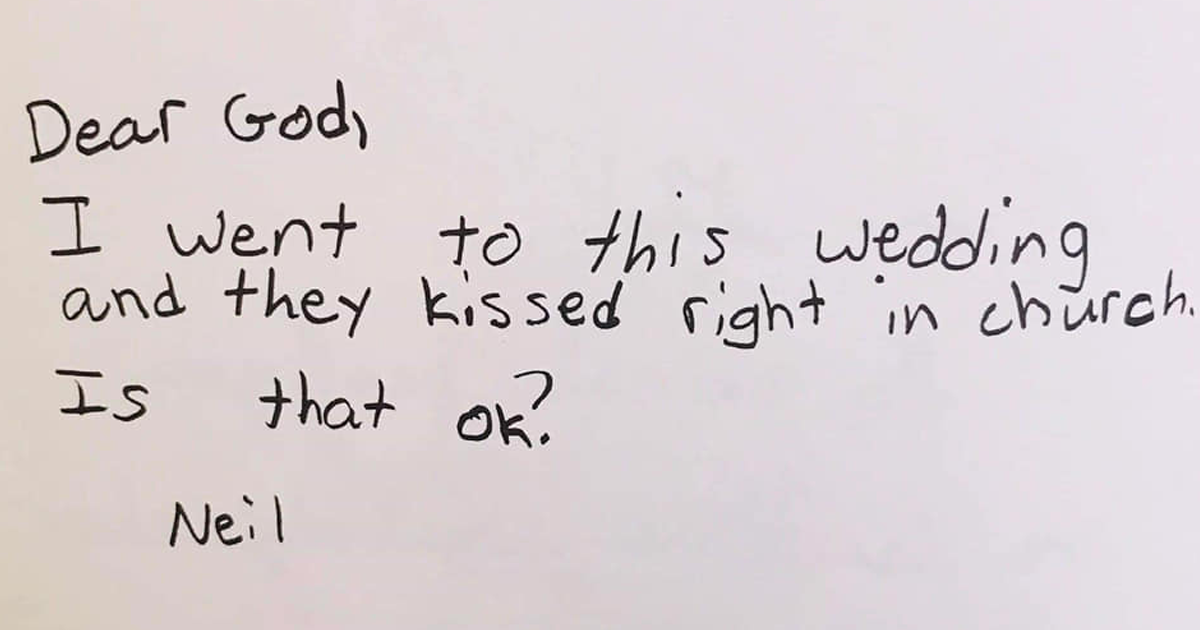
Children have a remarkable talent for asking questions that adults would never dare to say out loud. They are curious, honest, and completely unconcerned about whether a question sounds silly. That’s exactly why collections of letters written by elementary school students to God have fascinated readers for decades.
When third graders start wondering about life, nature, animals, family, heaven, and the mysteries of the universe, the results are often laugh-out-loud funny. Yet beneath the humor lies something surprisingly profound. These children ask the kinds of questions that philosophers, theologians, scientists, and everyday people have wrestled with for centuries.
From wondering why mosquitoes exist to asking whether God really intended giraffes to look that way, kids offer a refreshing perspective on life. Their questions remind us that curiosity is one of the most valuable traits humans possess.
Let’s explore why these hilarious questions continue to delight people of all agesand what they reveal about how children see the world.
Why Children Ask the Funniest Questions
Third graders occupy a fascinating stage of development. They have learned enough about the world to recognize that many things don’t make sense, but they haven’t yet developed the social filters that prevent adults from voicing every thought.
As a result, their questions are refreshingly direct.
Adults may silently wonder why certain animals exist, why people dream, or what happens after death. Third graders simply ask.
Educational psychologists often note that children are naturally driven by curiosity. Studies on childhood learning consistently show that asking questions is one of the most effective ways young minds acquire knowledge.
When those questions are directed toward God, they often become even more entertaining because children assume that God has all the answers.
The Most Hilarious Questions Kids Ask God
Over the years, collections of children’s letters to God have featured some unforgettable gems. While wording varies, the themes remain remarkably consistent.
Questions About Animals
Animals seem to confuse and fascinate children more than almost anything else.
Kids often wonder:
- Why are mosquitoes necessary?
- Did God create spiders to scare people?
- Why do giraffes have such long necks?
- What was the purpose of skunks?
- Why can’t dogs live forever?
These questions are funny because they combine innocent logic with genuine concern. Children aren’t trying to be comedians. They sincerely want answers.
Many adults secretly agree with them about mosquitoes.
Questions About Family
Third graders spend much of their lives observing family dynamics.
This often leads to questions like:
- Why do parents make rules they don’t follow themselves?
- Did you mean for brothers and sisters to annoy each other?
- How do grandparents know everything?
- Why can’t bedtime be later?
The humor comes from the brutal honesty. Kids notice everything.
They see contradictions adults overlook and have no hesitation pointing them out.
Questions About Heaven
Concepts like heaven naturally spark imagination.
Children frequently ask:
- Do pets go to heaven?
- Can people play sports there?
- Do you need shoes in heaven?
- What kind of food is served?
- Can you visit Earth afterward?
These questions highlight how children understand abstract ideas through everyday experiences.
If heaven exists, they assume someone must eventually wonder about lunch.
Questions About God Himself
Some of the funniest questions involve God directly.
- How old are you?
- Do you ever get tired?
- Can you see television?
- Do you laugh at jokes?
- What is your favorite animal?
Children naturally personify God because that’s how they understand relationships.
To them, God isn’t merely a theological concept. God is someone who might enjoy ice cream, appreciate jokes, and perhaps even have a favorite baseball team.
Why Adults Love Reading These Questions
The popularity of children’s letters to God isn’t accidental.
People enjoy them because they reveal a level of authenticity that’s increasingly rare in adult conversations.
Adults often overthink everything. We carefully edit our thoughts before speaking. Children do the opposite.
Their questions feel genuine because they are genuine.
Reading them can be both humorous and surprisingly moving.
A child asking why bad things happen to good people may phrase it in a simple way, but the underlying question touches on one of humanity’s oldest philosophical challenges.
The Wisdom Hidden Behind the Humor
Many seemingly funny questions contain deeper insights.
Consider a child who asks:
“If everybody is different, why do some people want everyone to be the same?”
That’s not just adorable.
It’s insightful.
Children often identify contradictions that adults have become accustomed to accepting.
Because they view the world with fresh eyes, they notice things others overlook.
Researchers studying childhood cognition frequently observe that children ask questions adults stop askingnot because the questions have been answered, but because adults assume they should already know.
That innocence can be surprisingly illuminating.
What Educators Say About Childhood Curiosity
Teachers often describe third grade as a golden age of questioning.
Students at this age are eager to learn, increasingly independent, and confident enough to challenge assumptions.
Good educators encourage this curiosity because it forms the foundation of critical thinking.
Every scientific discovery begins with a question.
Every invention starts with someone wondering why something works the way it does.
Even philosophical and spiritual growth begins with curiosity.
When children ask God why rain exists or whether angels need sleep, they are exercising the same mental muscles that later support creativity and innovation.
The Internet’s Love Affair With Kid Logic
Social media has only amplified appreciation for children’s observations.
Parents, teachers, and caregivers frequently share funny questions online because they capture moments of unexpected brilliance.
One reason these stories go viral is that they remind adults of simpler times.
Many people recognize pieces of their younger selves in these questions.
Others enjoy seeing the world from an entirely different perspective.
In an age filled with complex debates and endless information, a child asking why fish don’t wear raincoats can feel refreshingly wholesome.
Lessons Adults Can Learn From Third Graders
Believe it or not, adults can learn quite a bit from these humorous exchanges.
Ask More Questions
Many adults worry about appearing uninformed.
Children don’t.
Their willingness to ask questions helps them learn faster.
Stay Curious
Curiosity doesn’t have an expiration date.
Maintaining a childlike sense of wonder can improve creativity, learning, and overall happiness.
Don’t Fear Simplicity
Some of life’s most important questions are surprisingly simple.
Children remind us that profound discussions don’t always require complicated language.
Find Humor Everywhere
Third graders naturally discover humor in everyday situations.
Their perspective encourages adults to lighten up and appreciate life’s absurdities.
Why These Questions Continue to Matter
At first glance, a collection of third graders asking God amusing questions might seem like simple entertainment.
But these questions represent something bigger.
They showcase imagination.
They celebrate curiosity.
They remind us that learning begins with wonder.
Most importantly, they reveal that sometimes the funniest observations come from people who haven’t yet learned what they’re “supposed” to think.
That honesty is refreshing.
And often, it’s hilarious.
Personal Experiences: Why These Questions Feel So Familiar
Almost everyone has experienced a moment when a child asked a question so unexpected that it left the entire room laughing.
I remember hearing about a third grader who genuinely wanted to know whether God had a favorite color and, if so, whether everyone else was wasting their time choosing different ones. The logic was impossible to argue with.
Another child wondered why adults pray for patience and then immediately become impatient while waiting in line. The observation caused every adult nearby to exchange uncomfortable glances.
These experiences are memorable because children operate without the filters that shape adult thinking. They notice patterns, contradictions, and strange behaviors that older people have learned to ignore.
Teachers frequently collect stories like these throughout the school year. One educator recalled a student asking whether clouds get tired of floating around all day. Another student wondered whether God invented homework or if teachers came up with it independently.
The classroom erupted in laughter, but the teacher admitted she wasn’t entirely sure how to answer.
Parents have similar experiences.
A father shared that his daughter once asked why people thank God for finding lost car keys but never apologize when they blame Him for losing them in the first place. The family spent several minutes laughing before realizing it was a surprisingly thoughtful observation.
Another parent remembered a child asking whether God watches every baseball game simultaneously and, if so, whether He ever roots for a particular team. The question sparked an hour-long family discussion that drifted from sports to philosophy and back again.
What makes these stories special is not simply the humor.
It’s the reminder that children approach life with complete openness. They aren’t afraid of asking difficult questions. They aren’t worried about sounding silly. They simply want to understand the world.
Many adults eventually lose that willingness. Responsibilities grow. Expectations increase. People become cautious about asking questions that might appear naïve.
Yet some of the greatest thinkers in history maintained childlike curiosity throughout their lives. They kept asking “why” long after others stopped.
That’s why collections of children’s questions continue to resonate with readers year after year.
They make us laugh, but they also inspire reflection.
They remind us of our own childhood wonder.
Most importantly, they encourage us to look at familiar things through fresh eyes.
The next time a child asks an unexpected question about God, life, nature, or the universe, it may be worth pausing before answering. Hidden beneath the humor may be a perspective adults desperately need to hear.
After all, sometimes the funniest questions are also the wisest ones.
Conclusion
Third graders have a unique ability to blend humor, honesty, and insight into a single question. Whether they’re asking God about mosquitoes, heaven, bedtime rules, or the mysteries of the universe, their curiosity reminds us of something important: wonder is a powerful thing.
These hilarious questions entertain millions because they’re authentic. They reveal how children process the world, challenge assumptions, and search for meaning. In many ways, their questions aren’t just funnythey’re refreshingly profound.
Perhaps the greatest lesson from these young thinkers is simple: never stop asking questions.