Note: This article is written in publish-ready HTML body format, based on real cooking principles and synthesized from reputable U.S. food, nutrition, and food-safety references.
Some pasta dishes whisper, “I am cozy.” This one walks into the kitchen wearing a sweater, lighting a candle, and asking if anyone needs Parmesan. This creamiest butternut squash pasta recipe with smokey chorizo is rich without being heavy, savory without being fussy, and comforting enough to make a Tuesday night feel like a small holiday.
The magic starts with roasted butternut squash. When roasted, the squash becomes sweet, nutty, and almost buttery, which makes it a natural base for a silky pasta sauce. Add garlic, onion, a splash of cream, Parmesan, pasta water, and crispy chorizo, and suddenly you have a bowl that tastes like fall decided to learn Italian and Spanish at the same time.
This recipe is designed for home cooks who want big flavor without requiring a culinary degree, a copper pot collection, or a dramatic cooking montage. It is weeknight-friendly, dinner-party-worthy, and flexible enough to handle substitutions. In other words, it behaves better than most group chats.
Why This Butternut Squash Pasta Works So Well
The secret to creamy butternut squash pasta is not simply adding cream and hoping for the best. That is a strategy, yes, but not a very elegant one. The real trick is building layers of flavor and texture.
Butternut squash brings natural sweetness and body. Once blended, it creates a velvety sauce that clings beautifully to pasta. Chorizo adds smoky, spicy, salty richness that cuts through the sweetness of the squash. Parmesan adds umami and depth. Pasta water brings starch, helping the sauce emulsify and coat every noodle like it has a personal mission.
The result is balanced: creamy but not flat, smoky but not overpowering, sweet but not dessert-like, and savory enough to keep everyone coming back for “just one more bite,” which is the polite way of saying half the pan may disappear.
Ingredients You Will Need
Main Ingredients
- 1 medium butternut squash, peeled, seeded, and cubed
- 12 ounces pasta, such as rigatoni, penne, shells, or bucatini
- 8 ounces smokey chorizo, diced or crumbled
- 2 tablespoons olive oil
- 1 small yellow onion, diced
- 4 cloves garlic, minced
- 3/4 cup heavy cream or half-and-half
- 1/2 cup grated Parmesan cheese, plus more for serving
- 1/2 to 1 cup reserved pasta water
- 1/2 teaspoon smoked paprika
- 1/4 teaspoon ground nutmeg
- 1 tablespoon fresh sage, chopped, or 1 teaspoon dried sage
- Salt and black pepper, to taste
- Optional: baby spinach, red pepper flakes, lemon zest, or toasted breadcrumbs
Best Pasta Shapes for Creamy Butternut Squash Sauce
Short pasta shapes are the champions here. Rigatoni, penne, shells, and cavatappi catch the sauce in their ridges and curves. Bucatini also works beautifully if you want a dramatic twirl. Spaghetti is fine, but it does not grab the sauce quite as enthusiastically. Think of short pasta as the friend who brings snacks to the road trip: reliable, useful, and deeply appreciated.
How to Make the Creamiest Butternut Squash Pasta With Smokey Chorizo
Step 1: Roast the Butternut Squash
Preheat the oven to 425°F. Toss the cubed butternut squash with olive oil, salt, pepper, and smoked paprika. Spread it on a baking sheet in a single layer. Roast for 25 to 35 minutes, flipping once, until the squash is fork-tender and caramelized at the edges.
Roasting matters because it concentrates the squash’s natural sweetness. Boiling will soften it, but roasting gives it flavor with a capital F. Those browned edges are tiny flavor trophies, and we respect them.
Step 2: Cook the Chorizo Until Crisp
While the squash roasts, heat a large skillet over medium heat. Add the chorizo and cook until browned and lightly crisp. If using fresh Mexican-style chorizo, cook it thoroughly until no longer raw. If using Spanish-style cured chorizo, cook it until the edges crisp and the flavorful oil renders into the pan.
Remove the chorizo with a slotted spoon and set it aside. Leave about 1 to 2 tablespoons of the chorizo oil in the pan. That oil is smoky gold. Do not waste it unless your skillet has produced an ocean, in which case drain a little.
Step 3: Build the Aromatic Base
Add the diced onion to the skillet and cook for 4 to 5 minutes, until softened. Stir in the garlic, sage, and nutmeg. Cook for about 30 seconds, just until fragrant. Garlic burns quickly, and burnt garlic has the personality of a bad email, so keep an eye on it.
Step 4: Blend the Sauce
Transfer the roasted squash to a blender. Add the cooked onion mixture, cream, Parmesan, and 1/2 cup of pasta water or broth. Blend until smooth. Add more liquid as needed until the sauce is silky and pourable but still thick enough to coat a spoon.
If you prefer a lighter sauce, use more pasta water and less cream. If you want full cozy mode, use heavy cream and do not apologize. Dinner is not a courtroom.
Step 5: Cook the Pasta
Bring a large pot of salted water to a boil. Cook the pasta until al dente according to package directions. Before draining, reserve at least 1 cup of pasta water. This starchy water helps loosen and bind the sauce, giving it that glossy restaurant-style finish.
Step 6: Toss Everything Together
Return the pasta to the pot or skillet. Add the butternut squash sauce and toss well. Add reserved pasta water a splash at a time until the sauce coats the pasta smoothly. Fold in half the crispy chorizo, saving the rest for topping.
Serve hot with extra Parmesan, black pepper, crispy chorizo, and optional lemon zest. The lemon zest is not mandatory, but it adds brightness and keeps the dish from feeling too rich. It is like opening a window in a very delicious room.
Flavor Tips for a Better Butternut Squash Pasta Sauce
Use Smoked Paprika for Deeper Flavor
Smoked paprika reinforces the chorizo’s smoky character and gives the squash sauce a warm, savory backbone. A little goes a long way, so start with half a teaspoon and adjust from there.
Add Sage, Thyme, or Rosemary
Sage is the classic partner for butternut squash because its earthy flavor balances sweetness. Thyme is gentler and more floral, while rosemary is bold and piney. Use whichever herb matches your mood, pantry, or ability to find the scissors hiding in the drawer.
Balance Sweetness With Salt and Acid
Butternut squash is naturally sweet, so the finished pasta needs salt, cheese, spice, and sometimes a touch of acid. Parmesan and chorizo handle the savory side, while lemon zest or a tiny squeeze of lemon juice can wake everything up beautifully.
Fresh Chorizo vs. Cured Chorizo: Which One Is Better?
Both fresh and cured chorizo can work, but they create different results. Fresh Mexican-style chorizo is soft, crumbly, and spicy. It blends into the dish and makes the sauce taste deeply seasoned. Spanish-style cured chorizo is firm, sliceable, smoky, and often flavored with paprika. It crisps nicely and makes an excellent topping.
For the smokiest flavor, Spanish-style chorizo is hard to beat. For a spicier, meatier pasta, fresh chorizo is fantastic. If using fresh sausage, make sure it is cooked safely and completely before serving.
Helpful Substitutions and Variations
Make It Lighter
Use half-and-half instead of heavy cream, or replace some of the cream with broth. The squash already creates a naturally creamy texture, so you do not need a huge amount of dairy to make the sauce feel luxurious.
Make It Spicier
Add red pepper flakes, hot smoked paprika, or spicy chorizo. Taste as you go. You want warmth, not a pasta dish that files a noise complaint against your taste buds.
Add Greens
Baby spinach, kale, or Swiss chard can be folded into the hot pasta right before serving. The greens add color, freshness, and just enough virtue to make you feel like a responsible adult.
Make It Vegetarian
Skip the chorizo and use smoked paprika, mushrooms, toasted walnuts, crispy chickpeas, or vegetarian sausage. Add a little miso or extra Parmesan for savory depth. The goal is to replace the smoky, salty contrast, not simply remove it and hope nobody notices.
What to Serve With Creamy Butternut Squash Pasta
This pasta is rich and satisfying, so simple sides work best. Try a crisp green salad with lemon vinaigrette, roasted Brussels sprouts, garlic bread, or sautéed greens. If serving this for guests, a bright salad and a crunchy topping on the pasta will make the meal feel complete without turning dinner into a five-act play.
For drinks, sparkling water with lemon, iced tea, or a citrusy mocktail pairs nicely. The acidity helps balance the creamy sauce and smoky chorizo.
Storage and Reheating Tips
Store leftovers in an airtight container in the refrigerator for up to 3 days. The sauce thickens as it cools, so add a splash of water, milk, broth, or reserved pasta water when reheating. Warm gently over low heat or microwave in short intervals, stirring between each round.
This pasta is best fresh, but leftovers are still excellent. In fact, the chorizo flavor often deepens overnight, which is great news for lunch and dangerous news for anyone who thought they were “just checking the fridge.”
Common Mistakes to Avoid
Skipping the Pasta Water
Pasta water is not glamorous, but it is powerful. The starch helps the sauce cling to the noodles and gives the final dish a smooth, glossy finish. Always reserve some before draining.
Over-Blending Without Enough Liquid
If the sauce looks too thick, do not panic. Add pasta water gradually until it loosens. The perfect sauce should be creamy, not cement-adjacent.
Underseasoning the Squash
Butternut squash needs salt and savory support. Taste the sauce before mixing it with the pasta. If it tastes a little flat, add salt, Parmesan, black pepper, lemon zest, or a tiny pinch of red pepper flakes.
Using the Wrong Chorizo Amount
Chorizo is flavorful, so more is not always better. Too much can overwhelm the squash. Aim for enough to add smoky contrast while still letting the creamy butternut sauce shine.
Why This Recipe Is Perfect for Fall and Winter
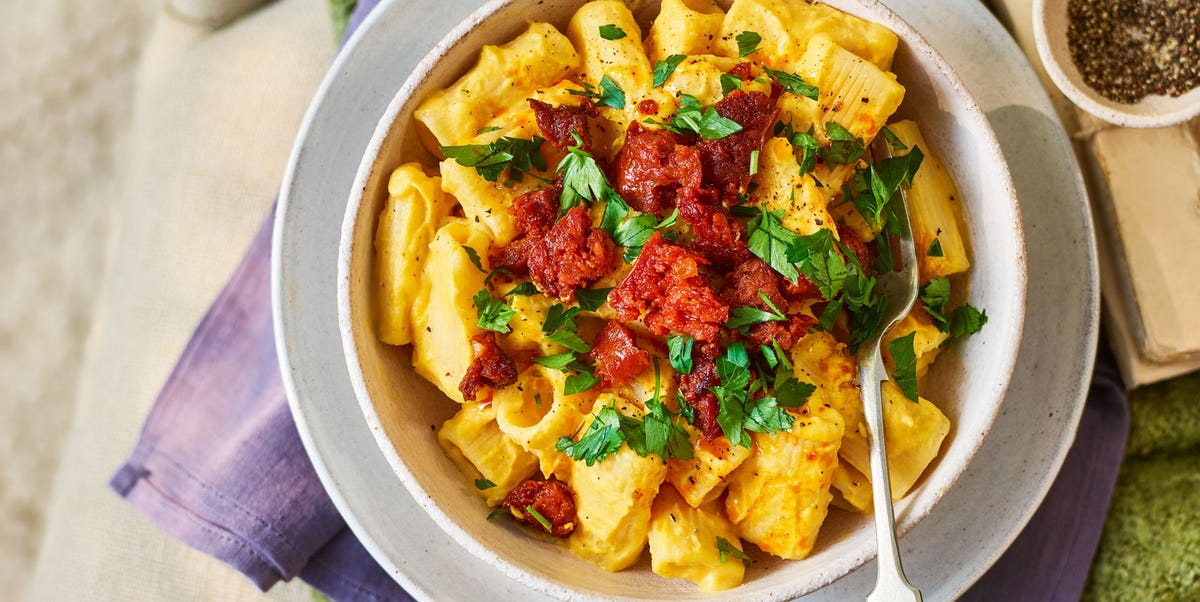
Butternut squash pasta has all the qualities people crave in cooler weather: warmth, creaminess, sweetness, and comfort. It also looks beautiful on the table, thanks to its golden-orange sauce and ruby-red chorizo. It is the kind of dish that makes people say, “Wow, this looks fancy,” even though the blender did most of the heavy lifting.
The recipe also works well for holidays, casual gatherings, and meal prep. You can roast the squash ahead of time, cook the chorizo in advance, and blend the sauce when ready to eat. That means less stress and more time to pretend you casually cook like this every day.
Final Thoughts: Creamy, Smoky, Sweet, and Completely Worth It
This creamy butternut squash pasta with smokey chorizo is comfort food with personality. It has the silky texture of a cream sauce, the earthy sweetness of roasted squash, the savory punch of Parmesan, and the smoky bite of chorizo. It is easy enough for a weeknight but impressive enough for guests, which is exactly the kind of recipe every home cook needs.
Best of all, it proves that butternut squash is not just for soup. It can become a luscious pasta sauce, a cozy dinner centerpiece, and possibly the reason someone asks for seconds before finishing firsts. Serve it hot, top it generously, and enjoy the kind of meal that makes cold weather feel like it came with benefits.
Kitchen Experience: What Cooking This Pasta Teaches You
The first time you make butternut squash pasta with smokey chorizo, you learn something important: creamy pasta does not always need to be built like a brick of dairy. The squash does an impressive amount of work. Once roasted and blended, it becomes smooth, thick, and naturally rich. It feels indulgent even before the cream joins the party. This is the kind of discovery that makes you look at vegetables differently, like they have been hiding a secret résumé.
One of the best experiences with this recipe is watching the flavors change at each stage. Raw butternut squash is firm and mild. Roasted squash becomes sweet, golden, and almost caramel-like. Chorizo starts out bold, but when cooked until crisp, it releases smoky oil that seasons the onions and garlic. By the time everything is blended together, the sauce tastes much more complex than the ingredient list suggests.
Another useful lesson is texture control. If the sauce is too thick, pasta water saves it. If it is too loose, Parmesan and a few extra minutes over low heat help tighten it. This teaches a practical kitchen skill: recipes are guides, not locked doors. Squash size, pasta shape, cream thickness, and even stove heat can change the final texture. The best cooks taste, adjust, and keep going.
This dish is also a good reminder that contrast makes food exciting. Butternut squash is soft and sweet. Chorizo is crisp, salty, and smoky. Parmesan is savory. Lemon zest is bright. Pasta is tender. Put them together, and every bite has movement. Without the chorizo, the dish is still good, but with it, the pasta gets a little swagger. It stops being “nice fall pasta” and becomes “who made this, and are there leftovers?”
In real home cooking, this recipe is especially helpful because parts of it can be prepared ahead. The squash can be roasted the day before. The chorizo can be crisped and refrigerated. The sauce can be blended in advance and loosened with pasta water when reheated. That makes it ideal for busy nights when you want something homemade but do not want to negotiate with your cutting board for an hour.
It is also forgiving. If you only have penne, use penne. If you forgot sage, use thyme. If your Parmesan supply looks emotionally unavailable, use Pecorino Romano or a smaller amount of sharp cheddar. If you want more vegetables, add spinach. If you want more crunch, add toasted breadcrumbs. The recipe welcomes improvisation without falling apart, which is a rare and beautiful quality in both pasta and people.
Most importantly, this creamy butternut squash pasta creates a memorable eating experience. It smells smoky and sweet, looks golden and inviting, and tastes like something that took longer than it did. It is the sort of meal that makes a kitchen feel warmer, even before anyone turns up the thermostat. And when the last bits of sauce cling to the pasta bowl, you may find yourself doing the classic “just one more forkful” routine until, mysteriously, dinner has vanished.