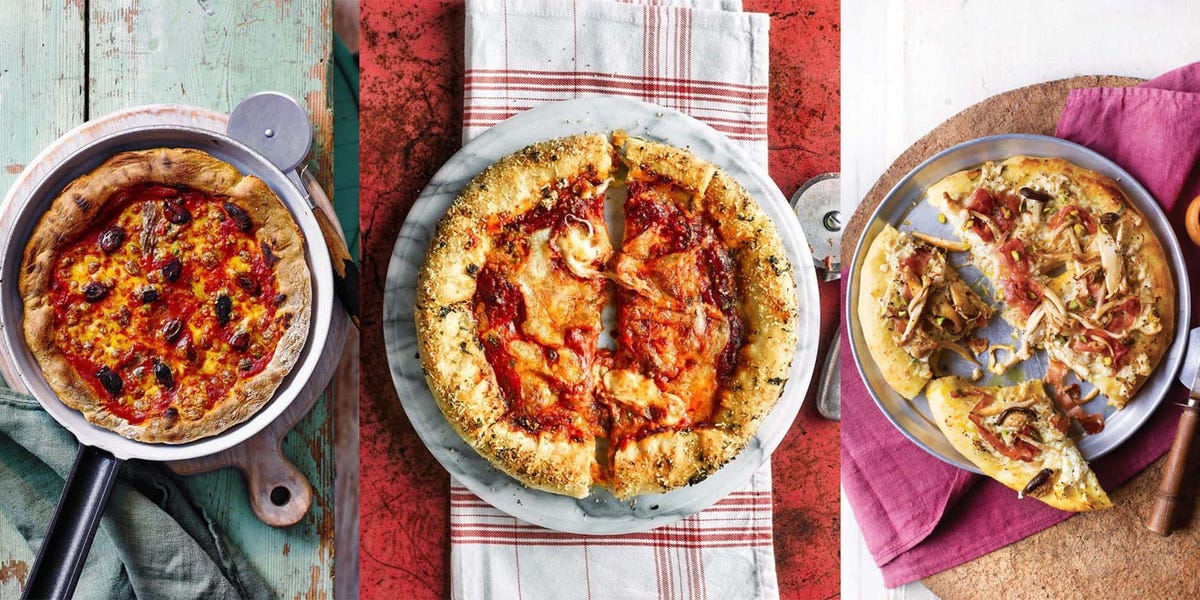
There are two kinds of people in this world: people who love pizza, and people who are currently pretending not to because they already ate three slices in the kitchen. Pizza is the rare dinner that can be casual, elegant, cheap, luxurious, kid-friendly, date-night friendly, and “I had a long day, please hand me cheese” friendly all at once.
The best pizza recipes are not just about tossing dough, throwing on sauce, and hoping your oven develops an Italian accent. Great homemade pizza comes from understanding a few simple rules: flavorful dough needs time, the oven needs serious heat, toppings should be balanced, and cheese should melt without flooding the crust. Once you know those basics, you can make a crisp New York-style pizza, a bubbly Margherita, a cheesy pan pizza, a square Detroit-style masterpiece, a vegetable-loaded weeknight pizza, or a grilled pizza that makes your backyard smell like victory.
This guide brings together practical, tested ideas from respected American cooking sources and turns them into one complete, easy-to-use pizza playbook. Whether you want a chewy homemade pizza dough recipe, a fast pizza for busy nights, or a show-off pie for Saturday, these recipes will help you make pizza that tastes better than delivery and comes with fewer mysterious fees.
What Makes the Best Pizza Recipes Actually Work?
The best pizza recipes share a few traits. First, the crust has flavor. That usually means enough salt, a good flour choice, and some fermentation time. Second, the pizza bakes hot enough to brown the bottom before the toppings overcook. Third, the toppings are not piled on like a garage sale. Pizza rewards restraint. A little sauce, a confident layer of cheese, and a few well-chosen toppings usually beat a mountain of everything in the fridge.
Think of pizza like a band. The crust is the drummer, keeping everything together. The sauce is the bass line. Cheese is the lead singer, obviously. Toppings are backup vocals: excellent when they harmonize, chaotic when they all try to solo at the same time.
Master Homemade Pizza Dough Recipe
This is the all-purpose dough to keep in your back pocket. It works for classic cheese pizza, pepperoni pizza, veggie pizza, white pizza, and most thin-to-medium crust styles. For the best flavor, make it the day before and let it rest in the refrigerator overnight.
Ingredients
- 3 1/2 cups bread flour or all-purpose flour
- 1 1/2 cups lukewarm water
- 2 teaspoons kosher salt
- 1 teaspoon instant yeast
- 1 teaspoon sugar or honey
- 2 tablespoons olive oil, plus more for the bowl
Method
- Combine water, yeast, and sugar in a large bowl. Let it sit for 5 minutes if using active dry yeast. Instant yeast can go straight in with the flour.
- Add flour, salt, and olive oil. Mix until a rough dough forms.
- Knead for 6 to 8 minutes by hand, or about 5 minutes in a stand mixer, until smooth and elastic.
- Place in an oiled bowl, cover, and let rise until doubled. For better flavor, refrigerate overnight after the first rise.
- Bring dough to room temperature for 30 to 60 minutes before shaping.
For a chewier crust, use bread flour. For a lighter, more delicate crust, all-purpose flour is fine. If you have Italian-style “00” flour, it can create a silky dough that stretches beautifully, especially for thin pizzas. Whole-wheat flour adds nutty flavor, but use it as part of the flour blend rather than all of it unless you enjoy pizza crust with the personality of a hiking boot.
Essential Pizza Sauce: Simple Red Sauce
A good pizza sauce should taste bright, tomato-forward, lightly salty, and not too sweet. The fastest version is also one of the best: crush or pulse whole peeled tomatoes with salt, olive oil, garlic, and a pinch of oregano. You do not need to cook it for a Neapolitan-style pizza. For New York-style pizza, simmering the sauce for 15 to 25 minutes creates a deeper, rounder flavor.
Ingredients
- 1 can whole peeled tomatoes, drained slightly
- 1 tablespoon olive oil
- 1 small garlic clove, grated
- 1 teaspoon kosher salt, or to taste
- 1/2 teaspoon dried oregano
- Pinch of red pepper flakes
Pulse everything briefly. Keep the texture slightly chunky. Pizza sauce should not be a tomato smoothie wearing cologne.
Recipe 1: Classic Cheese Pizza
The classic cheese pizza is where every home pizza maker should start. It reveals whether your dough, sauce, cheese, and oven technique are working. If this pizza tastes great, every topping variation becomes easier.
How to Make It
Heat your oven as high as it will safely go, ideally 500°F. Place a pizza stone, baking steel, or inverted heavy baking sheet in the oven and preheat for at least 45 minutes. Stretch one dough ball into a 12-inch round. Add 2 to 3 tablespoons of sauce, leaving a border. Top with low-moisture mozzarella and a light sprinkle of Parmesan. Bake until the crust is browned, the cheese bubbles, and the bottom is crisp.
Finish with fresh basil, olive oil, or a pinch of flaky salt. The result is simple, balanced, and deeply satisfying. It is also the pizza most likely to disappear while everyone says, “I’ll just have one more tiny piece,” which is a phrase with no legal meaning.
Recipe 2: Pepperoni Pizza with Crispy Edges
Pepperoni pizza is an American classic for a reason. The best version uses a moderate amount of sauce, plenty of cheese, and pepperoni that crisps at the edges. Cup-and-char pepperoni is excellent if you can find it because it curls into little spicy bowls of joy.
Best Tips
- Use low-moisture mozzarella to avoid sogginess.
- Place some pepperoni under the cheese and some on top for layered flavor.
- Add a pinch of crushed red pepper before baking for extra heat.
- Finish with hot honey for a sweet-spicy upgrade.
For a crispier crust, bake on a preheated stone or steel. For a softer, more nostalgic pizza-shop texture, use a lightly oiled round pizza pan.
Recipe 3: Margherita Pizza
Margherita pizza is minimalism at its most delicious: tomatoes, fresh mozzarella, basil, olive oil, and crust. Because there are so few ingredients, quality matters. Use flavorful canned tomatoes or ripe fresh tomatoes, fresh mozzarella that has been patted dry, and basil added after baking so it stays fragrant instead of turning into green confetti.
How to Build It
Stretch the dough thin, add a light layer of crushed tomato sauce, dot with torn mozzarella, and drizzle with olive oil. Bake hot and fast until the crust blisters. After baking, add fresh basil and a little salt. The key is not overloading the pizza. Margherita pizza should feel bright and airy, not like a lasagna wearing a crust hat.
Recipe 4: Crispy Cheesy Pan Pizza
Pan pizza is the hero of home ovens. It does not require expert stretching, and the pan helps create a golden, crunchy bottom. The dough rises in an oiled skillet or cake pan, then bakes into a crust that is crisp outside and soft inside.
How to Make It
Use a high-hydration dough and let it rise in a generous coating of olive oil. Press the dough gently into the pan, letting it relax if it resists. Add cheese all the way to the edges so it melts down and forms a crispy cheese border. Spoon sauce on top in small streaks or dollops, then bake until deeply browned.
This is one of the best pizza recipes for beginners because it is forgiving. If your dough is not perfectly round, nobody cares. Pan pizza is square, rustic, and confident. It has the energy of someone who brings garlic bread to a salad party.
Recipe 5: Detroit-Style Pizza
Detroit-style pizza is thick, rectangular, airy, and famous for its caramelized cheese edges. Traditionally, it uses a dark metal pan and Wisconsin brick cheese, though a blend of mozzarella and Monterey Jack works well at home.
Detroit-Style Technique
Press dough into a well-oiled rectangular pan. Add toppings directly over the dough, then cheese, making sure cheese reaches the sides of the pan. Spoon sauce in stripes over the top before or after baking. Bake until the edges are dark golden and crisp.
The magic is in the edges. Cheese touches the hot pan, melts, fries, and becomes the crunchy border that people politely fight over. If you serve this pizza at a party, consider cutting extra corner pieces to preserve household peace.
Recipe 6: White Pizza with Garlic and Ricotta
White pizza skips tomato sauce and leans into creamy, garlicky richness. It is elegant but easy, which is exactly the sort of kitchen trick worth knowing.
Ingredients
- Pizza dough
- Olive oil
- 1 garlic clove, grated
- Low-moisture mozzarella
- Small spoonfuls of ricotta
- Parmesan
- Black pepper
- Lemon zest or fresh herbs for finishing
Brush the stretched dough with olive oil mixed with garlic. Add mozzarella, spoon on ricotta, sprinkle with Parmesan, and bake until bubbling. Finish with lemon zest, basil, parsley, or arugula. The lemon is important because it cuts through the richness and keeps the pizza lively.
Recipe 7: Veggie Pizza That Is Not Soggy
Vegetable pizza can be fantastic, but raw watery vegetables are the villains of crisp crust. Mushrooms, zucchini, peppers, and onions often need a quick sauté, roast, or grill before they go on pizza. This removes moisture and concentrates flavor.
Best Vegetable Combinations
- Mushrooms, caramelized onions, mozzarella, and thyme
- Roasted peppers, olives, feta, and oregano
- Zucchini ribbons, pesto, ricotta, and lemon
- Cherry tomatoes, fresh mozzarella, basil, and balsamic glaze
For a healthier homemade pizza recipe, use whole-wheat dough or add vegetables generously while keeping cheese moderate. The goal is balance, not punishment. Pizza should still taste like pizza, not like a salad trying to make rent.
Recipe 8: BBQ Chicken Pizza
BBQ chicken pizza is bold, smoky, sweet, and perfect for leftover cooked chicken. Use barbecue sauce instead of tomato sauce, then add shredded chicken, red onion, mozzarella, and smoked Gouda. After baking, finish with cilantro or scallions.
The trick is to use less barbecue sauce than you think. Too much sauce turns the crust soft and makes the pizza taste like it fell into a cookout. A thin layer gives you flavor without drowning the dough.
Recipe 9: Grilled Pizza
Grilled pizza is one of the best summer pizza recipes because the grill gives the crust char and smoky flavor. Use a dough that is not too sticky, and have all toppings ready before the dough hits the grate. Grilled pizza moves quickly; this is not the moment to start looking for the mozzarella behind the pickles.
Grilling Method
- Heat the grill for two-zone cooking: one hot side and one cooler side.
- Stretch the dough into a thin oval.
- Oil the dough lightly and grill one side until marked and firm.
- Flip it onto the cooler side, add toppings, close the lid, and cook until melted.
- Move briefly over direct heat if the bottom needs more crisping.
Great grilled toppings include pesto, grilled mushrooms, roasted peppers, fresh mozzarella, sausage, and arugula added after cooking.
Recipe 10: Fast Weeknight Pizza
Sometimes the best pizza recipe is the one you can make before everyone starts eating cereal for dinner. For fast pizza, use store-bought dough, naan, pita, tortillas, French bread, or English muffins. These are not cheating. They are dinner strategy.
Quick Ideas
- Tortilla pizza: Ultra-thin and crisp, ready in minutes.
- Naan pizza: Soft, chewy, and perfect for personal pizzas.
- French bread pizza: Nostalgic, crunchy, and excellent for kids.
- Sheet-pan pizza: Great for feeding a crowd with minimal drama.
Use a hot oven, avoid too much sauce, and bake until the cheese is browned in spots. Add fresh herbs or chili oil at the end to make a quick pizza taste intentional.
Best Pizza Toppings by Style
Choosing toppings is where pizza gets personal. Still, a few combinations consistently work because they balance fat, salt, sweetness, acidity, and texture.
Classic Topping Pairings
- New York-style: Tomato sauce, mozzarella, pepperoni, oregano
- Margherita: Crushed tomatoes, fresh mozzarella, basil, olive oil
- White pizza: Garlic oil, ricotta, mozzarella, Parmesan, lemon
- Detroit-style: Cheese to the edge, pepperoni, sauce stripes
- Veggie: Roasted mushrooms, peppers, onions, olives, feta
- Spicy-sweet: Pepperoni, jalapeños, mozzarella, hot honey
When in doubt, use fewer toppings and better toppings. Pizza is not a suitcase. You do not need to pack it until it refuses to close.
How to Bake Better Pizza at Home
The oven is where homemade pizza either becomes glorious or quietly disappointing. Most restaurant pizza ovens are much hotter than home ovens, so home cooks need to maximize heat. Set your oven to its highest temperature, usually 500°F or 550°F. Preheat a pizza stone or steel for at least 45 minutes. Bake on the upper-middle rack for browning, or the lower rack if the bottom needs more heat.
If you do not have a stone or steel, use an inverted heavy baking sheet. Preheat it just like a stone. Shape the pizza on parchment paper, then slide the parchment onto the hot surface. This method is beginner-friendly and reduces the chance of launching your pizza onto the oven door, which is both tragic and surprisingly common.
Common Pizza Mistakes and How to Fix Them
The Crust Is Soggy
Use less sauce, preheat your baking surface longer, and cook watery toppings before adding them. Also, avoid fresh mozzarella unless it has been drained and patted dry.
The Dough Snaps Back
Cold dough is tight dough. Let it rest at room temperature for 30 to 60 minutes. If it still resists, cover it and wait 10 minutes before stretching again.
The Crust Is Pale
Your oven may not be hot enough, or the dough may need a little more fermentation. A longer rest helps browning and flavor.
The Pizza Is Too Salty
Watch salty toppings like pepperoni, olives, anchovies, feta, Parmesan, and cured meats. If you use several salty ingredients, reduce added salt elsewhere.
Make-Ahead Pizza Night Plan
For a smooth pizza night, make dough one or two days ahead. Prepare sauce up to five days ahead and refrigerate it. Grate cheese, cook vegetables, and portion toppings before guests arrive. If serving a group, make smaller pizzas instead of giant ones. Small pizzas bake faster, allow more variety, and reduce the emotional damage of one person declaring they do not like mushrooms after you made a mushroom masterpiece.
A smart pizza-night menu includes one classic cheese pizza, one meat pizza, one vegetable pizza, and one wild card like white pizza, BBQ chicken, or spicy honey pepperoni. This keeps everyone happy and gives the cook a chance to show off without needing a culinary degree or a fog machine.
Extra Experience: Lessons from Making the Best Pizza Recipes at Home
The biggest lesson from making pizza at home is that confidence matters almost as much as ingredients. The first time you stretch dough, it may look less like a circle and more like a map of a country nobody has discovered yet. That is fine. Pizza does not need perfect geometry. Once sauce and cheese go on top, even a lopsided crust looks charming. Rustic is just a fancy word for “I meant to do that.”
Another important experience is learning how dough feels. Recipes give measurements, but flour absorbs water differently depending on brand, humidity, and storage. A good pizza dough should feel soft, slightly tacky, and elastic. If it is wet enough to glue itself to your hand like a needy octopus, add flour a tablespoon at a time. If it feels dry and stiff, add a small splash of water. Over time, your hands become better than the recipe because they learn what good dough should feel like.
Pizza also teaches patience. Overnight dough almost always tastes better than rushed dough because time builds flavor. The refrigerator is not just storing the dough; it is quietly doing culinary magic while you sleep. That said, fast dough has its place. A no-rise pizza dough or store-bought dough can save a Wednesday night. The secret is not to be snobby. Homemade pizza should fit your life, not make you feel like you have joined a flour-based monastery.
The oven experience is another game changer. Many home cooks under-preheat. They turn on the oven, wait for the beep, and assume the oven is ready. For pizza, that beep is more of a polite suggestion. A stone or steel needs extra time to absorb heat. When it is properly hot, the dough hits the surface and immediately starts crisping. That is how you get the beautiful contrast of a crisp bottom and tender interior.
One of the most useful habits is preparing toppings before shaping the dough. Pizza moves quickly once the dough is stretched. If you are still slicing mushrooms while the dough sits under sauce, moisture starts working against you. Professional-looking pizza often comes from simple organization: sauce ready, cheese grated, toppings cooked, herbs washed, oven hot. Suddenly, you are not panicking. You are performing dinner jazz.
Finally, the best pizza recipes are the ones people remember. Maybe it is a pepperoni pizza with hot honey that becomes your family’s Friday tradition. Maybe it is grilled pizza on a summer evening. Maybe it is a pan pizza eaten straight from the skillet while everyone stands around the counter because plates feel too formal. Pizza is food, but it is also an event. It invites sharing, arguing over corner slices, and pretending the last piece is “too small to save.” That is the real beauty of homemade pizza: even when it is imperfect, it is still pizza, and pizza grades on a very generous curve.
Conclusion
The best pizza recipes are built on a few reliable principles: flavorful dough, high heat, smart sauce, balanced toppings, and the courage to stop before adding every ingredient in the refrigerator. Once you master a simple homemade pizza dough recipe and learn how your oven behaves, you can make classic cheese pizza, pepperoni pizza, Margherita pizza, pan pizza, Detroit-style pizza, white pizza, grilled pizza, and quick weeknight pizzas with confidence.
Homemade pizza is flexible, fun, and endlessly customizable. Start with one dough, one sauce, and one dependable cheese pizza. Then experiment with toppings, flours, sauces, and baking methods. The reward is not just better pizza. It is the joy of pulling a bubbling, golden pie from your own oven and realizing delivery may need to start worrying about you.