A good bubble bath should feel like a tiny vacation: warm water, fluffy foam, soft skin, and absolutely zero drama from itchy fragrance, mystery dyes, or bubbles that vanish faster than your motivation to fold laundry. The best natural bubble bath is not simply the one with the prettiest bottle or the word “botanical” printed in an elegant font. It is the one that creates satisfying suds while keeping the formula gentle, transparent, and friendly to your skin.
Here is the slightly unromantic truth hiding behind the bath caddy: “natural” is a marketing word, not a magic shield. A natural bubble bath can still contain irritating essential oils, and a synthetic ingredient can sometimes be safer and gentler than a plant extract. That is why the smartest way to choose a natural bubble bath is to look beyond the front label and read the ingredient list, texture, scent strength, surfactant type, and moisturizing extras.
In this guide, we will break down what makes a bubble bath truly worth buying, which ingredients to look for, which ones to approach carefully, and how to turn an ordinary tub into a calm, cloud-like soak without making your skin send a strongly worded complaint.
What Is a Natural Bubble Bath?
A natural bubble bath is usually a bath product made with plant-derived cleansers, mild foaming agents, botanical extracts, and moisturizing ingredients instead of harsher detergents, heavy synthetic fragrance, artificial dyes, or unnecessary fillers. Common “natural” bubble bath ingredients include aloe vera, coconut-derived surfactants, vegetable glycerin, oat extract, calendula, chamomile, shea butter, coconut oil, and essential oils.
However, the best natural bubble bath is not just about what it includes. It is also about what it leaves out. For many people, especially those with dry or sensitive skin, the gentlest formulas are free from strong fragrance, phthalates, parabens, harsh sulfates, formaldehyde-releasing preservatives, and bright artificial colorants. If the product is for children, sensitive adults, or frequent bathers, a fragrance-free or lightly scented formula is often the safer bet.
Best Natural Bubble Bath Overall: A Gentle, Fragrance-Free Formula
If you want one simple answer, the best natural bubble bath for most people is a fragrance-free, plant-based formula made with mild surfactants, glycerin, aloe, and calming ingredients such as oat or calendula. This type of bubble bath works for adults, kids, and sensitive skin because it focuses on comfort first and perfume second.
Examples of formulas that fit this category include sensitive-skin bubble baths from brands that emphasize ingredient transparency, such as The Honest Company, Babo Botanicals, ATTITUDE, Everyone, EcoPeaCo, Little Kingdom, and similar personal-care brands that offer fragrance-free or EWG Verified options. Not every product from every brand will be ideal for every person, so treat the front label as the invitation and the ingredient list as the interview.
The winning formula should create soft bubbles without leaving your skin tight, slippery, or coated. It should rinse clean, smell neutral or very mild, and avoid the “walking through a candle store during a thunderstorm” fragrance level. A bubble bath should relax you, not announce itself to the hallway.
How to Choose the Best Natural Bubble Bath
1. Choose Mild, Plant-Derived Surfactants
Bubbles need surfactants. These are cleansing and foaming agents that help water and oil mix, lift away dirt, and create lather. In natural bubble bath products, common gentler surfactants include coco-glucoside, decyl glucoside, sodium cocoyl glutamate, cocamidopropyl betaine, and cocamidopropyl hydroxysultaine. These are often derived from coconut, sugar, or amino acids and tend to be milder than traditional harsh sulfates.
That does not mean every sulfate is automatically evil or every plant-based surfactant is automatically perfect. Skin is personal. But if your skin feels dry, itchy, or tight after a bath, switching to a sulfate-free bubble bath can make a noticeable difference.
2. Look for Moisturizing Ingredients
The best natural bubble bath should not only foam; it should also help your skin feel comfortable after you towel off. Look for humectants and emollients such as vegetable glycerin, aloe vera juice, oat extract, coconut oil, sunflower seed oil, shea butter, jojoba oil, or panthenol. Glycerin is especially useful because it helps attract water to the skin, giving your bath a softer finish.
Oat, calendula, and chamomile are popular in sensitive-skin bath products because they have a soothing reputation and pair well with gentle cleansing formulas. If your skin is reactive, these ingredients may be more helpful than a dramatic cocktail of twenty essential oils with names that sound like a woodland wizard’s pantry.
3. Go Fragrance-Free if You Have Sensitive Skin
Fragrance is one of the most common reasons people react to personal-care products. Even natural essential oils can irritate skin, especially in warm bathwater where the skin barrier is more vulnerable. If you have eczema-prone, dry, easily irritated, or allergy-prone skin, choose “fragrance-free” rather than “unscented.”
That distinction matters. “Unscented” can still mean fragrance ingredients were added to mask the smell of the base formula. “Fragrance-free” is generally the better choice when your goal is to avoid scent additives entirely.
4. Avoid Strong Dyes and Glitter
A neon-purple bath may look fantastic online, but your skin and bathtub may have different opinions. Artificial dyes, shimmer, and glitter can make a bath more fun, but they can also increase the chance of residue, irritation, and tub cleanup. If you are shopping for a natural bubble bath, keep the experience soft and simple. Your bathwater does not need to look like a unicorn joined a nightclub.
5. Check for Third-Party Standards
Third-party programs such as EWG Verified can help shoppers quickly identify personal-care products that meet certain ingredient and transparency standards. A certification is not the only way to judge a product, but it can be a helpful shortcut when you are comparing natural bubble bath options and do not want to decode every ingredient like you are taking a chemistry final in a towel.
Best Natural Bubble Bath Ingredients
Aloe Vera
Aloe is common in gentle bubble baths because it gives formulas a soothing, skin-comforting feel. It works especially well in fragrance-free and baby-friendly formulas.
Vegetable Glycerin
Glycerin is a bath-time hero. It helps soften the feel of the water and supports moisture retention, which is useful because long, hot baths can leave skin dry.
Oat Extract or Colloidal Oatmeal
Oat ingredients are popular in products for dry or sensitive skin. They add a comforting, silky quality and are a good match for people who want a cozy, low-irritation soak.
Calendula and Chamomile
These botanicals are often used in baby and sensitive-skin formulas. They are gentle, classic, and less overpowering than many strong essential oil blends.
Coconut-Derived Cleansers
Coconut-derived surfactants are commonly used in natural bubble baths because they create foam while keeping the formula relatively mild. Look for names such as coco-glucoside or sodium cocoyl glutamate.
Ingredients to Be Careful With
Sodium Lauryl Sulfate
Sodium lauryl sulfate, often called SLS, is a strong foaming cleanser. It creates impressive bubbles, but it can be too drying or irritating for sensitive skin, especially during a warm soak. If you love big foam but hate post-bath itchiness, SLS may be the sneaky villain wearing a bubbly cape.
Heavy Fragrance
Fragrance can make a bath feel luxurious, but it is also a common trigger for irritation. For daily use, kids, or sensitive skin, choose fragrance-free or lightly scented products. If you love scent, pick a mild natural bubble bath and use it occasionally rather than turning every bath into a perfume marathon.
Essential Oils
Lavender, eucalyptus, peppermint, tea tree, and citrus oils are common in natural bath products. They can smell wonderful, but they are concentrated botanical compounds and may bother sensitive skin. Peppermint and eucalyptus can feel cooling or tingly, which some people enjoy and others experience as “why is my bath biting me?” Patch test first if you are unsure.
Artificial Colorants
Dyes can make bathwater pretty, but they are not necessary for a relaxing soak. If your goal is a clean, natural bubble bath, color-free formulas are usually the safer and easier choice.
Best Natural Bubble Bath Types
Best for Sensitive Skin
Choose a fragrance-free bubble bath with aloe, oat, glycerin, and mild plant-based cleansers. Avoid essential oils, dyes, and strong fragrance blends. Sensitive-skin formulas from baby-care lines can be excellent for adults, too. There is no shame in using a baby bubble bath if your skin is picky. Honestly, babies get some of the best formulas.
Best for Kids
Look for tear-free, fragrance-free, dye-free, dermatologist-tested bubble baths. Use a small amount and rinse children after the bath, especially if they are prone to irritation. Bubble baths can be fun for kids, but too much product or too long in the tub can cause dryness or discomfort.
Best for Dry Skin
Dry skin needs a bubble bath with moisturizing support. Look for glycerin, oat, aloe, shea butter, and plant oils. Keep the bath warm rather than hot, limit soaking time, and apply moisturizer while the skin is still slightly damp afterward.
Best for Adults Who Want a Spa Feel
For a more luxurious natural bubble bath, choose a lightly scented formula with lavender, vanilla, chamomile, or sandalwood notes. Pair it with a clean tub, warm lighting, a soft towel, and a strict no-phone policy unless your phone is playing calming music. Nothing ruins a spa moment faster than an email beginning with “Just following up.”
How to Make a Natural Bubble Bath at Home
A homemade bubble bath can be simple, affordable, and customizable. It may not create giant movie-scene bubbles, but it can produce a soft, relaxing foam with fewer unnecessary additives.
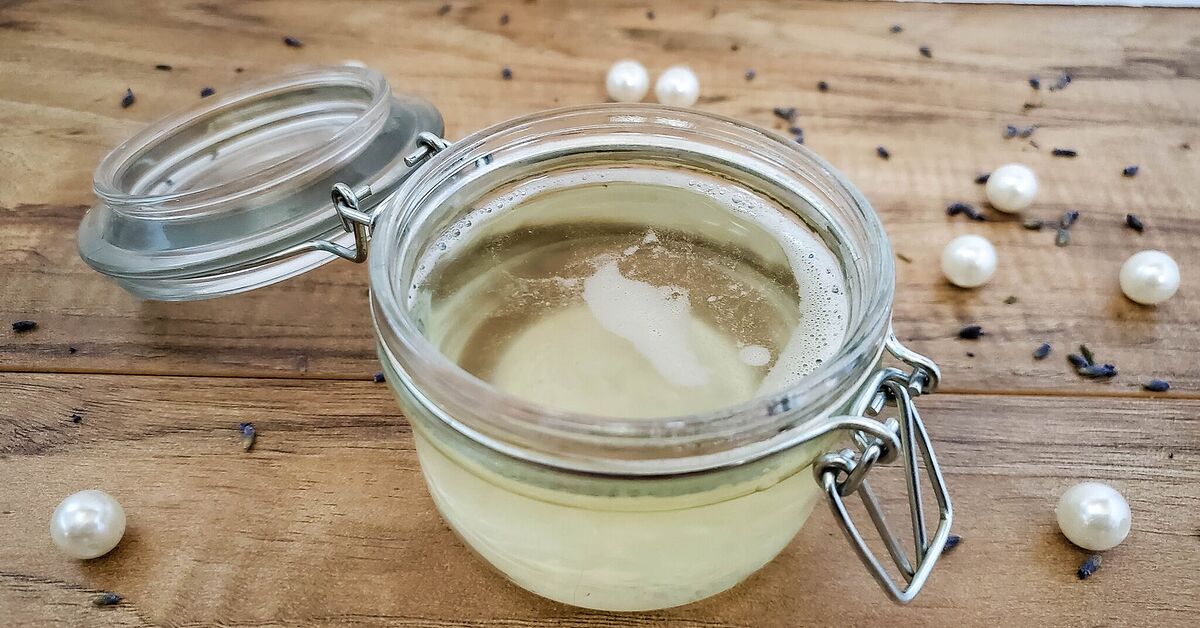
Simple DIY Natural Bubble Bath Recipe
- 1/2 cup gentle unscented liquid castile soap or mild fragrance-free body wash
- 1/4 cup vegetable glycerin
- 1/4 cup distilled water
- 1 teaspoon jojoba oil or fractionated coconut oil, optional
- 1 to 2 drops lavender or chamomile essential oil, optional and only if your skin tolerates fragrance
Stir the ingredients slowly in a clean bottle. Do not shake aggressively unless you want the bottle to foam before the tub does. Pour a small amount directly under running water and swish the water with your hand to build bubbles.
Because homemade formulas do not contain the same preservative systems as commercial products, make small batches and use them quickly. Store the mixture in a clean container and discard it if the smell, texture, or color changes.
How to Get Better Bubbles Naturally
The secret to better bubbles is not always more product. In fact, dumping half a bottle into the tub can leave residue and dryness without giving you the cloud kingdom you imagined. Instead, pour the bubble bath directly under strong running water. The movement helps activate the surfactants and build foam. You can also use your hand to swish the surface of the water or briefly use a handheld shower sprayer to fluff the bubbles.
Water hardness matters, too. Hard water can reduce foam, while softer water usually creates better bubbles. If your bubbles disappear quickly, your product may not be weak; your water may simply be playing defense.
Natural Bubble Bath Safety Tips
A natural bubble bath should be relaxing, but a few habits make it much kinder to your skin. Keep the water warm, not hot. Hot water can strip natural oils and leave skin feeling tight. Limit soaking time to about 10 to 20 minutes, especially if your skin is dry. Rinse off after the bath if the formula contains fragrance, oils, colorants, or if you are prone to irritation.
After bathing, pat your skin dry rather than rubbing aggressively. Apply a fragrance-free moisturizer while your skin is still slightly damp. This step locks in hydration and turns “nice bath” into “why do my elbows suddenly feel like they have a retirement plan?” softness.
For children, avoid bubble baths if there is any irritation in the genital area, broken skin, or active rash. When in doubt, keep bath products minimal and check with a pediatrician or dermatologist.
Is Natural Bubble Bath Better Than Regular Bubble Bath?
Natural bubble bath can be better for people who want gentler ingredients, plant-based cleansers, fewer synthetic additives, and more transparent formulas. But “natural” alone does not guarantee quality. The real test is whether the bubble bath is mild, effective, well-preserved, and suitable for your skin type.
A regular bubble bath with a well-formulated, fragrance-free, dermatologist-tested formula may be gentler than a “natural” bubble bath packed with essential oils. The best choice is the one that gives you bubbles without dryness, itching, burning, residue, or regret.
Our Practical Pick: What to Buy First
If you are buying one natural bubble bath for the whole household, start with a fragrance-free sensitive-skin formula. Look for these features:
- Fragrance-free, not just unscented
- Plant-derived surfactants
- Glycerin, aloe, oat, calendula, or chamomile
- No artificial dyes or glitter
- Clear ingredient list
- Dermatologist-tested or third-party verified when possible
Once you know your skin tolerates that formula, you can experiment with lightly scented options for occasional spa nights. Think of fragrance as the dessert course: lovely sometimes, not necessarily something your skin needs every day.
Experience Notes: What Using the Best Natural Bubble Bath Actually Feels Like
The first thing you notice with a good natural bubble bath is that it does not attack your nose. There is no sharp perfume cloud marching into the bathroom like it owns the mortgage. A fragrance-free or lightly scented natural formula feels calmer from the start. The bubbles are usually softer and less stiff than old-school foaming baths, but that is not a bad thing. Instead of thick, squeaky foam, you get airy bubbles that float, gather, and slowly fade while the water feels smoother.
In real use, the best results come from pouring the bubble bath under fast-running water. If you add it after the tub is already full, the bubbles tend to sulk. Under the faucet, though, the formula wakes up. A capful or two can create enough foam for a relaxing soak, especially if the product uses coconut-derived cleansers and glycerin. The bubbles may not reach cartoon bathtub levels, but they feel cleaner and less sticky on the skin.
After testing different styles of natural bubble bath, the biggest difference is how skin feels afterward. Strongly scented formulas can be fun for ten minutes, then leave dry areas feeling tight. Gentle fragrance-free formulas are less dramatic, but they win the next morning. Skin feels less irritated, towels do not smell like a department store fragrance counter, and the tub is easier to rinse clean.
For dry skin, adding a moisturizer right after the bath makes the experience much better. A natural bubble bath can support comfort, but it cannot replace body lotion. The best routine is simple: warm bath, short soak, gentle rinse, pat dry, moisturize. It is not glamorous, but neither is scratching your shin at 2 a.m. like you are trying to start a campfire.
For kids, natural bubble bath works best as an occasional treat rather than an every-night requirement. Children love bubbles with the seriousness adults reserve for tax refunds and good parking spots. Still, less is more. Use a small amount, keep the soak short, and rinse well. Fragrance-free baby bubble baths are often the most practical choice because they are designed for delicate skin and usually skip unnecessary extras.
For adults, a natural bubble bath becomes less about giant bubbles and more about atmosphere. Clean bathroom, warm water, a book that may or may not get read, soft lighting, and a product that does not irritate your skin: that is the real luxury. The best natural bubble bath is not the loudest, most colorful, or most expensive one. It is the one you can use comfortably, repeatedly, and peacefully.
The final lesson is this: your perfect bubble bath should match your skin, not just your mood. If your skin is sensitive, choose fragrance-free. If your skin is dry, choose glycerin, oat, aloe, or shea. If you want a spa scent, choose mild fragrance and use it occasionally. And if a product promises “natural luxury” but leaves you itchy, it is not luxury. It is just expensive soup.
Conclusion
The best natural bubble bath is gentle, transparent, moisturizing, and enjoyable without being irritating. For most people, especially those with sensitive or dry skin, the safest first choice is a fragrance-free formula with plant-derived cleansers, glycerin, aloe, oat, calendula, or chamomile. If you prefer scent, choose a lightly fragranced option and patch test before soaking like royalty.
Natural bubble bath should make your bath feel calmer, not complicated. Read the label, avoid harsh detergents and heavy fragrance, keep the water warm instead of hot, and moisturize after bathing. Do that, and your tub can become a mini spa without turning your skin into a customer service complaint.
Note: This article is based on synthesized information from U.S. dermatology guidance, cosmetic labeling resources, ingredient-safety databases, and current personal-care product research. It is for general informational purposes and is not medical advice.