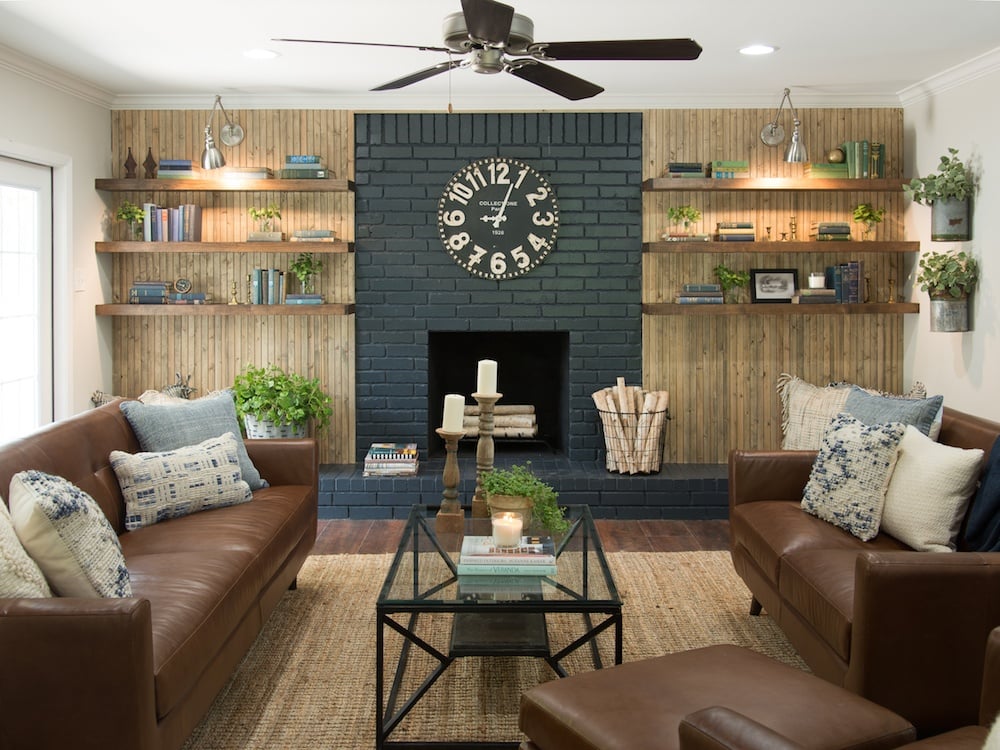
The Fixer Upper Pocket Door House living room has the kind of design magic that makes people pause the TV, squint at the screen, and whisper, “Could I make my house look like that without accidentally buying twelve antique doors and a cow painting?” The good news: yes, you can. The even better news: this look is not about copying every single item. It is about understanding the recipewarm neutrals, architectural character, practical seating, vintage texture, and a pocket door moment that feels both charming and clever.
Inspired by the modern farmhouse style made famous by Chip and Joanna Gaines, this living room look blends old-house soul with fresh, livable comfort. It feels collected, not staged. It has soft whites, natural wood, black accents, layered textiles, and furniture that says, “Come sit down,” not “Please admire me from six feet away.” And right at the center of its charm is the pocket door: a space-saving architectural feature that adds instant personality without swinging into your coffee table like an overexcited golden retriever.
In this guide, we will break down how to recreate the Pocket Door House living room look with smart design choices, realistic shopping ideas, and practical styling tips. Whether your home is a 1920s fixer-upper, a suburban builder-grade box, or an apartment where the “architectural detail” is mostly a thermostat, you can still capture the cozy, polished, farmhouse-inspired feeling.
What Makes the Fixer Upper Pocket Door House Living Room So Appealing?
The beauty of this style is that it feels familiar before it feels fancy. The room does not rely on loud colors or trendy gimmicks. Instead, it uses quiet design elements that work together: clean walls, defined trim, warm wood, soft upholstery, and vintage-inspired accents. It feels like a home that has been loved for generationseven if half the items came from a store with free shipping.
The Fixer Upper living room style is rooted in contrast. Smooth painted walls meet rustic wood. Bright white trim meets dark hardware. Soft linen meets sturdy metal. Old pieces sit beside new pieces, and somehow nobody gets into a decorating argument. That balance is the secret. Too much rustic texture can make a room feel like a barn gift shop. Too much modern furniture can make it feel cold. The Pocket Door House look lands in the comfortable middle.
The Key Design Ingredients
To get this look, focus on these core ingredients: a neutral color palette, architectural details, comfortable seating, natural textures, vintage-style decor, layered lighting, and a few black or aged-metal accents. None of these elements has to be expensive. In fact, the best version of the look often comes from mixing high and low pieces with confidence.
Think of the room like a really good biscuit. The ingredients are simple, but the technique matters. Use too many decorative signs, and the room becomes busy. Skip texture, and it becomes flat. Forget lighting, and suddenly your beautiful living room feels like a waiting area at the dentist. Nobody wants farmhouse dental chic.
The Pocket Door: The Star Detail That Saves Space
A pocket door slides into the wall rather than swinging open. In older homes, pocket doors often separated parlors, dining rooms, and living spaces. In modern homes, they are popular again because they save floor space, create flexible privacy, and add architectural charm. In a living room, a pocket door can soften the transition between spaces while still making the room feel intentional.
If you already have a pocket door, celebrate it. Paint it, repair the hardware, upgrade the pull, or make it a focal point. If you do not have one, you can still borrow the feeling. A sliding interior door, double French doors, vintage glass doors, or even a wide cased opening with beautiful trim can create a similar sense of character.
How to Style Around a Pocket Door
Do not crowd the pocket door area with bulky furniture. Let the doorway breathe. Place a slim console table nearby, add a simple lamp, or hang art that complements the door without competing with it. If the door has panels, keep the wall decor around it quieter. If it is plain, you can add interest with trim, paint, or hardware.
For a classic Fixer Upper pocket door look, use soft white or warm greige paint on the door and trim. Add matte black, oil-rubbed bronze, or antique brass hardware. These finishes feel timeless and slightly old-world without making the room look like it is wearing a costume.
Start With the Right Color Palette
The Pocket Door House living room look begins with a calm background. The walls are usually light, but not icy. Choose warm whites, creamy neutrals, soft greige, or pale taupe. These colors make the room feel open and fresh while giving wood tones and textiles a flattering backdrop.
Good color families for this look include warm white, ivory, oatmeal, linen, mushroom, putty, soft gray-beige, and muted clay. Avoid bright blue-white paint unless your room gets warm natural light all day. In many homes, a stark white can turn chilly fast, especially under LED lighting. The goal is “sunny farmhouse,” not “printer paper in a snowstorm.”
Suggested Paint Approach
Use one light neutral for the main walls, a slightly crisper white for trim, and a deeper accent color only if the room needs grounding. A charcoal fireplace, black window frames, or a dark-stained coffee table can provide contrast without overwhelming the space.
If your living room lacks architectural detail, paint can help. Try adding wainscoting, picture-frame molding, shiplap, or board-and-batten on one wall. Keep it subtle. The best farmhouse-inspired walls look like they belong to the house, not like they were installed during a weekend panic after watching renovation clips at midnight.
Choose Comfortable, Classic Furniture
The furniture in a Fixer Upper inspired living room should feel relaxed, structured, and family-friendly. Start with a sofa in a neutral fabric: oatmeal, cream, light gray, warm beige, or slipcovered white if you are brave, child-free, pet-free, or simply enjoy living dramatically.
A rolled-arm sofa, English-arm sofa, track-arm sofa, or simple slipcovered piece works beautifully. Pair it with upholstered armchairs, a wood-framed accent chair, or a vintage leather chair for warmth. The room should invite conversation, so arrange seating around a central coffee table rather than pushing every piece against the wall like furniture at a middle school dance.
The Coffee Table Matters
A wood coffee table anchors the room. Reclaimed wood, weathered oak, pine, or a lightly distressed finish works well. If your space is small, choose a round table to improve flow. If your living room is long and narrow, a rectangular coffee table may make more sense. For extra storage, consider a table with drawers or a lower shelf for baskets.
Style the coffee table with restraint: one stack of books, a ceramic bowl, a small plant, and maybe a candle. That is enough. The goal is collected charm, not a tiny obstacle course for anyone trying to set down iced tea.
Layer Natural Textures for Warmth
Texture is what keeps neutral rooms from looking boring. In this style, texture does the heavy lifting. Use linen curtains, cotton pillows, wool throws, woven baskets, jute rugs, wood furniture, ceramic vases, and metal accents. When the color palette is quiet, every material becomes more noticeable.
A jute or sisal rug can add casual warmth, but it may not be soft enough for every household. For a cozier option, layer a patterned vintage-style rug over a natural fiber rug. This gives the room dimension and makes the seating area feel finished. Choose muted patterns in rust, denim, charcoal, taupe, or faded olive for a modern farmhouse feel.
Pillow Strategy Without Pillow Chaos
Pillows are the easiest way to bring in the look, but they are also the easiest way to overdo it. Use a mix of sizes and textures: linen, cotton stripe, subtle plaid, nubby boucle, or faded floral. Stick to three or four colors total. A good formula is two solid pillows, one stripe, one small pattern, and one textured throw. Your sofa should still have room for humans.
Bring in Vintage and Antique-Inspired Decor
The Pocket Door House look depends on pieces that feel like they have a story. This does not mean every item needs to be genuinely antique. It means the room should include finishes and shapes that feel timeworn, handmade, or collected.
Try a vintage mirror over the mantel, an old wooden stool beside a chair, framed botanical prints, aged pottery, iron candlesticks, a reclaimed wood tray, or a cabinet with glass doors. Flea markets, estate sales, thrift stores, and local antique malls are excellent places to find these pieces. The best finds often look slightly imperfect. A dinged-up frame or uneven glaze can add the kind of character new decor sometimes tries very hard to fake.
What to Avoid
Avoid filling the room with too many word signs, overly distressed furniture, or matching decor sets. The modern farmhouse look has evolved. Today, it feels cleaner, warmer, and more personal. One meaningful sign may work. Seven signs explaining “gather,” “home,” “blessed,” and “pantry” may start to feel like the room is giving a motivational speech.
Use Black Accents to Ground the Room
Black accents are a signature part of modern farmhouse design. They create contrast and keep soft neutrals from drifting into bland territory. Use black carefully through curtain rods, picture frames, door hardware, lamp bases, fireplace tools, or a metal chandelier.
The key is repetition. If you use black hardware on the pocket door, repeat black somewhere else in the room. A black-framed mirror, black side table, or black metal floor lamp will make the choice feel intentional. Without repetition, one dark item can look random, like it wandered in from another house.
Lighting: The Difference Between Cozy and Cave-Like
Lighting is one of the most important parts of recreating the Fixer Upper living room look. A single overhead light rarely does enough. Layer your lighting with a ceiling fixture, table lamps, floor lamps, and possibly wall sconces. This gives the room flexibility from morning coffee to evening movie night.
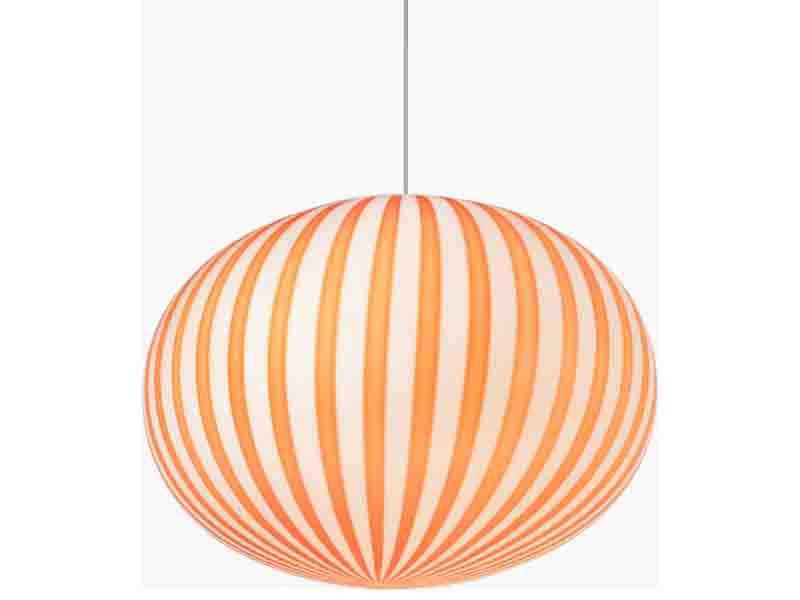
Look for fixtures with aged brass, matte black, bronze, seeded glass, linen shades, or simple metal silhouettes. A lantern-style chandelier can work beautifully, especially in a living room with higher ceilings. For lower ceilings, choose a flush mount or semi-flush fixture with classic lines.
Warm Bulbs Are Non-Negotiable
Use warm white bulbs, generally around 2700K to 3000K, to create a cozy atmosphere. Cool bulbs can make even the best farmhouse decor look harsh. Warm lighting flatters wood tones, soft paint, and natural fabrics. It also makes people look better, which is a design feature everyone appreciates, even if nobody says it out loud.
Window Treatments That Feel Light and Airy
For the Pocket Door House living room look, curtains should soften the space without stealing attention. Choose white, ivory, oatmeal, or light linen panels. Hang them high and wide to make the windows appear larger. This trick instantly makes a room feel more polished.
If privacy is an issue, layer woven shades underneath. Bamboo or natural woven shades add warmth and texture while keeping the room relaxed. Avoid heavy, shiny drapes unless your goal is “farmhouse meets courtroom drama.” Light fabrics are usually better for this style.
Wall Decor: Simple, Personal, and Balanced
Wall decor should support the room’s architecture. If you have a pocket door, built-ins, a fireplace, or beautiful trim, let those features lead. Add art in a way that feels balanced, not cluttered.
Great options include black-and-white family photos, vintage landscape prints, botanical sketches, antique mirrors, simple abstract art, or framed textiles. A gallery wall can work, but keep the frames coordinated. Mix black, wood, and brass frames for a collected look. Leave enough negative space so the room can breathe.
How to Style Built-Ins
If your living room has shelves, style them with a mix of books, pottery, baskets, framed art, and greenery. Vary the height of objects. Place some books upright and others stacked horizontally. Use empty space as part of the design. Shelves should look curated, not like every decor item in the house was told to report for duty.
How to Get the Look on a Budget
You do not need a television renovation budget to create this room. Start with the biggest visual changes first: paint, curtains, rug, lighting, and furniture layout. These choices affect the entire room. Smaller decor can come later.
Shop secondhand for wood tables, mirrors, frames, baskets, and accent chairs. Replace hardware on existing furniture. Add trim to plain walls. Paint a dated cabinet instead of replacing it. Use affordable linen-look curtains and hang them properly. A room can feel expensive when the proportions, colors, and textures are right.
Best Budget Upgrades
If you only make five changes, choose these: paint the walls a warm neutral, upgrade the lighting, add a textured rug, replace cheap-looking hardware, and bring in one vintage or vintage-style wood piece. These upgrades create the foundation of the look without requiring a full renovation.
How to Make the Look Work in a Modern Home
Not every home has old trim, original floors, or charming pocket doors. That is fine. The modern version of this look can work in newer homes by adding warmth and character through materials. Use wood tones, classic furniture shapes, woven textures, and timeless lighting.
If your living room has plain drywall and basic windows, consider adding architectural interest. A cased opening, thicker baseboards, crown molding, or a simple feature wall can make the space feel more custom. Even swapping hollow flat doors for paneled interior doors can change the mood of a home.
of Experience: What Actually Works When Recreating This Living Room
After studying rooms like the Fixer Upper Pocket Door House living room, the biggest lesson is this: the look works because it feels edited. It is not about filling every corner. It is about choosing pieces that serve the room. In real homes, this matters more than people expect. A living room has to survive shoes, snacks, pets, guests, remote controls, and someone who insists the “good blanket” belongs permanently to them.
One of the most practical experiences with this style is learning how important scale is. Many people buy a rug that is too small, then wonder why the room feels unfinished. In a farmhouse-style living room, the rug should usually be large enough for at least the front legs of the sofa and chairs to sit on it. This makes the seating area feel connected. A tiny rug floating in the middle of the room can make even beautiful furniture look nervous.
Another real-life lesson is that white furniture is beautiful, but it needs the right fabric. Performance fabric, washable slipcovers, or medium-toned upholstery may be better for busy households. A creamy beige sofa can give almost the same airy effect as white but hide everyday life much better. Because everyday life includes crumbs. Always crumbs. Nobody knows where they come from, but they are there.
When working with pocket doors, hardware quality matters. A sticky, noisy, or wobbly pocket door can quickly turn charm into irritation. If the door is original, it may need track repair, roller adjustment, or new pulls. If you are installing a new pocket door, plan carefully before opening the wall. Electrical, plumbing, framing, and wall thickness can affect the project. It is not the kind of DIY task where you want to “see what happens,” unless you enjoy surprise drywall adventures.
In styling, restraint is usually the difference between fresh farmhouse and cluttered farmhouse. Choose fewer, better accessories. A large vintage mirror can do more than six small wall pieces. One great wooden coffee table can carry the room better than several overly themed accents. Natural greeneryreal or high-quality fauxadds life without making the space feel busy. Olive branches, eucalyptus, simple stems, or a potted plant work especially well.
The most successful version of this look also includes something personal. A family photo, a travel find, inherited pottery, handmade art, or a stack of books you actually read will make the room feel authentic. Joanna Gaines-inspired design is often admired because it creates spaces that feel lived in. That is hard to fake with only new purchases. The room should tell your story, not just the story of a shopping cart.
Finally, do not rush the room. The Pocket Door House look feels collected over time, so let your space develop. Paint first. Fix the layout. Add lighting. Then slowly bring in texture, art, and vintage details. A room designed patiently often feels warmer than a room completed in one weekend. Your living room does not need to be perfect by Monday. It just needs to become more welcoming, one smart choice at a time.
Conclusion
The Get This Look: Fixer Upper Pocket Door House Living Room style is popular because it combines beauty with common sense. It honors older-home details, uses a calm and welcoming color palette, and makes practical features feel special. The pocket door adds character, but the full look comes from balance: warm neutrals, comfortable furniture, natural textures, vintage charm, thoughtful lighting, and just enough contrast to keep everything crisp.
Whether you are renovating a historic home or simply refreshing a tired living room, this design approach is flexible. Start with the atmosphere you want: cozy, bright, timeless, and personal. Then build the room in layers. Add trim if you need architecture. Add wood if the space feels cold. Add textiles if it feels flat. Add vintage pieces if it feels too new. And when in doubt, remove one accessory and fluff one pillow. Interior design is glamorous like that.
Note: This article was written as original, publication-ready HTML content based on synthesized information from reputable U.S. home design, remodeling, and decor resources. No source links or unnecessary citation placeholders are included in the article body.