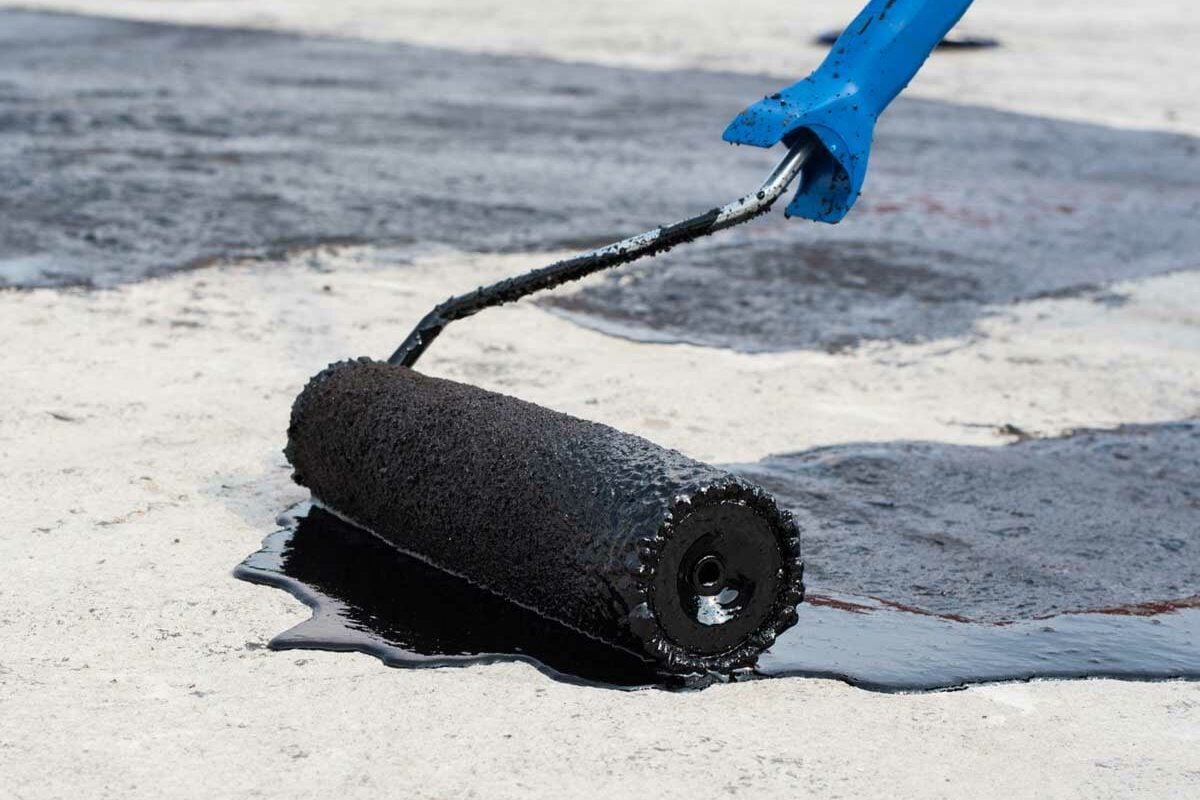
Concrete is tough, loyal, and deeply uninterested in looking cute. Left alone, it becomes dusty in the basement, oil-spotted in the garage, and sun-baked on the deck or patio. The good news? The right concrete paint can turn a dull slab into a cleaner, brighter, easier-to-maintain surface without requiring a demolition crew, a second mortgage, or a dramatic home-renovation montage.
But choosing the best concrete paint is not as simple as grabbing the first gray can that says “floor” on it. Basements need moisture awareness. Garages need resistance to hot tires, chemicals, and the occasional dropped wrench. Decks, patios, and poolside concrete need UV stability, weather resistance, and enough grip that nobody performs an accidental ice-skating routine after a rainstorm.
This guide breaks down the best concrete paint picks for basements, garages, decks, patios, porches, and other hardworking concrete surfaces, with practical product examples, buying tips, surface-prep advice, and real-world lessons from the kind of projects that always start with “This should only take one weekend.” Famous last words.
What Makes a Concrete Paint “Best”?
The best concrete paint depends on where the concrete lives and what kind of abuse it receives. A basement floor that sees storage bins and laundry baskets does not need the same coating as a garage floor that deals with tires, road salt, gasoline drips, and a lawn mower that leaks with the confidence of a political scandal.
For most homeowners, concrete coatings fall into three broad groups: acrylic floor paint, one-part epoxy paint, and two-part epoxy or polycuramine coatings. Acrylic concrete paint is easy to apply, dries relatively quickly, and works well for porches, patios, basement floors, and light-use areas. One-part epoxy acrylic paint adds more durability and stain resistance while remaining DIY-friendly. Two-part epoxy or polycuramine coatings are tougher, glossier, and better suited to garage floors and workshops, but they require stricter preparation and timing.
The smartest choice is not always the most expensive. It is the product that matches the surface, traffic level, moisture condition, and expectations. In plain English: do not put porch paint where a truck parks, and do not expect a decorative patio coating to hold back basement water like a tiny superhero in a paint can.
Best Overall Concrete Paint: KILZ 1-Part Epoxy Acrylic Concrete & Garage Floor Paint
Best for: Basements, garage floors, porches, patios, pool decks, driveways, and general horizontal concrete surfaces.
KILZ 1-Part Epoxy Acrylic Concrete & Garage Floor Paint is one of the most versatile options for homeowners who want more strength than standard acrylic porch paint but do not want to mix a two-part coating. It is a water-based, single-component epoxy acrylic formula designed for porous concrete, masonry, stone, and brick. It is built to resist scuffing, fading, cracking, peeling, blistering, and hot tire pickup when used on properly prepared surfaces.
That combination makes it a strong all-around pick for basements and garages where durability matters but the project still needs to be realistic for a weekend DIYer. It applies like paint, cleans up more easily than many solvent-based coatings, and gives concrete a satin finish that looks finished without screaming “showroom floor.”
Why It Stands Out
The biggest advantage is balance. KILZ 1-Part Epoxy is tougher than basic latex floor paint, easier than two-part epoxy, and flexible enough for several concrete zones around the home. It is especially useful when you want one product family for a basement storage area, a garage floor, or a covered patio.
However, it is not magic. Like most concrete coatings, it should not be used on surfaces with hydrostatic pressure, meaning moisture actively pushing through the slab. If your basement floor sweats like a cold soda can in July, solve the moisture issue first.
Best Garage Floor Coating: Rust-Oleum EpoxyShield Garage Floor Coating Kit
Best for: Garages, workshops, utility spaces, and high-use interior concrete floors.
Rust-Oleum EpoxyShield is a classic garage-floor upgrade for a reason. It is a two-part epoxy coating designed to create a durable, glossy finish that stands up better to vehicle traffic than ordinary concrete paint. For homeowners who want a cleaner garage that looks less like a crime scene for oil stains, EpoxyShield is a dependable choice.
This coating is especially appealing because it usually comes as a kit, often including the coating components, decorative chips, and preparation materials. The result can look professional when the slab is properly cleaned, etched, dried, and coated. Decorative chips also help hide small imperfections, which is useful because garage concrete tends to collect little dings, stains, and mystery marks from projects nobody remembers starting.
What to Know Before Buying
Two-part epoxy is less forgiving than acrylic paint. Once mixed, the working time is limited. You need to move with purpose, not panic, but definitely purpose. Proper surface preparation is essential: remove oil, degrease thoroughly, etch smooth concrete, rinse well, and let the floor dry completely. If the concrete is sealed, dirty, damp, or too smooth, adhesion can suffer.
Rust-Oleum EpoxyShield is a smart pick when the garage is used for cars, bikes, tools, storage, and weekend projects. If the garage doubles as a heavy-duty mechanic shop with welding, forklifts, or industrial chemicals, consider stepping up to a professional-grade coating system.
Best Premium Garage Upgrade: Rust-Oleum RockSolid Polycuramine Garage Floor Kit
Best for: Homeowners who want a stronger, glossier, faster-curing garage floor coating.
Rust-Oleum RockSolid is often positioned as a step up from traditional garage epoxy. Its polycuramine formula blends characteristics associated with epoxy, polyurethane, and polyurea technologies, creating a coating designed for durability, gloss, and fast return to service. Translation: it is the “I want my garage to look like I know what I’m doing” option.
RockSolid is useful for interior concrete surfaces such as garage floors, workshops, and basements. It is known for a high-gloss appearance and self-leveling behavior, which can produce a sleek finish when applied correctly. Many kits are designed to be walk-on ready relatively quickly and vehicle-ready sooner than traditional coatings, though actual cure times depend on conditions.
When It Makes Sense
Choose RockSolid when appearance matters as much as durability. It is a strong option for attached garages, hobby shops, home gyms, and polished storage spaces where the floor becomes part of the room’s look. The tradeoff is that it demands careful prep and good timing. You should read every instruction before opening the pouch, because once the coating is activated, the floor is not interested in your learning curve.
Best Concrete Paint for Basements: DRYLOK Concrete Floor Paint
Best for: Basement floors, laundry rooms, storage rooms, and light-to-moderate interior concrete use.
Basements are tricky because they are the part of the house most likely to whisper, “Surprise, moisture.” DRYLOK has long been associated with masonry protection and basement-friendly coatings, and its concrete floor paint is a practical option for homeowners who want to brighten a dull basement floor while reducing dust and improving cleanability.
For unfinished basements, a good concrete floor paint can make the room feel less like a storage cave and more like usable square footage. It can help control the dusty surface texture of bare concrete and make sweeping or mopping easier. That alone is a quality-of-life upgrade, especially if the basement holds a laundry area, workout bench, pantry shelves, or seasonal decorations that multiply when nobody is watching.
Basement Warning: Paint Is Not Waterproofing
Here is the practical truth: floor paint should not be treated as a cure for serious water intrusion. If water is entering through cracks, walls, joints, or hydrostatic pressure, fix drainage, gutters, grading, sump systems, cracks, and vapor problems first. Paint can improve a sound, dry surface. It cannot negotiate peace with groundwater.
Before painting a basement floor, tape a square of plastic to the concrete for 24 to 48 hours. If condensation appears under the plastic, moisture is moving through the slab. In that case, choose a moisture-appropriate system or solve the underlying issue before coating.
Best Porch and Patio Concrete Paint: BEHR Premium Porch & Patio Floor Paint
Best for: Concrete patios, porches, walkways, breezeways, and decorative outdoor concrete with foot traffic.
BEHR Premium Porch & Patio Floor Paint is a popular 100% acrylic option for indoor and outdoor floor surfaces, including concrete and wood. It is especially attractive for homeowners who care about color because it is available in a wide range of custom-tinted shades. If your patio dreams go beyond “industrial gray again,” this is where the fun begins.
This product is a strong candidate for porches and patios because it offers good coverage, easy application, and a finished look that can complement siding, trim, landscaping, and outdoor furniture. Low-lustre finishes are especially useful because they reduce glare and make surface imperfections less obvious than high-gloss coatings.
Where It Works Best
BEHR Porch & Patio Floor Paint is best for foot-traffic surfaces, not vehicle traffic. Use it for patios, covered porches, steps, and walkways. Do not use it as a substitute for a garage floor epoxy if cars will park on it. Hot tires are rude guests, and they can bully the wrong coating into peeling or lifting.
Best Anti-Slip Concrete Paint: INSL-X Sure Step Acrylic Anti-Slip Paint
Best for: Concrete steps, walkways, patios, pool decks, ramps, and areas where traction matters.
INSL-X Sure Step Acrylic Anti-Slip Paint from Benjamin Moore is a standout for safety-focused concrete projects. It is designed to create a durable, skid-resistant finish for interior and exterior concrete surfaces. That makes it especially useful for steps, walkways, patios, pool decks, and any place where wet shoes, kids, dogs, or gravity might get involved.
Sure Step includes texture in the coating, so you do not have to rely entirely on a separate additive. It also offers abrasion resistance, color retention, and resistance to ponding water. For concrete decks and poolside areas, that combination is valuable because the surface needs to look good, survive weather, and provide grip.
Important Limitation
Sure Step is made for foot traffic, not vehicle traffic. It is not the right choice for a garage floor where cars will park. But for outdoor concrete stairs or a patio that becomes slick after rain, it can be a very smart pick.
Best Budget-Friendly Concrete Paint: Valspar Porch, Floor & Patio Latex Paint
Best for: Properly prepared concrete porches, patios, breezeways, and basement floors.
Valspar Porch, Floor & Patio Latex Paint is a practical choice for homeowners who want a clean, finished look without moving into premium coating prices. It is designed for properly prepared interior and exterior wood, concrete, and primed metal surfaces, making it useful for porches, patios, breezeways, and basement floors.
Its satin, low-sheen finish is attractive and less flashy than high-gloss coatings. It is also a good option when you want a tintable product that can coordinate with exterior colors. For a small patio or basement laundry area, Valspar can offer solid value.
Where Not to Use It
Pay close attention to the label. This type of latex porch and floor paint is generally not intended for garage floors or automobile parking areas. If your concrete will deal with tires, choose a garage-rated coating instead.
Best Concrete Stain Alternative: H&C COLORTOP Water-Based Solid Color Concrete Stain
Best for: Driveways, patios, pool decks, walkways, and decorative concrete where a stain-like coating is preferred.
Sometimes the best “paint” for concrete is technically a solid-color stain. H&C concrete coatings from Sherwin-Williams are designed for decorative concrete protection, and the COLORTOP line is worth considering when you want color with a more masonry-focused product system.
Solid-color concrete stains can be useful outdoors because they are designed specifically for masonry surfaces and can provide a decorative finish without feeling as thick or paint-like as some coatings. Depending on the formula, they may be a better fit for driveways, pool decks, and exterior concrete that needs breathable color and protection.
Paint vs. Stain
Concrete paint sits more like a film on the surface. Concrete stain penetrates or bonds differently depending on the product type. If the concrete has texture, weather exposure, or previous coatings, the right choice depends on condition and compatibility. When in doubt, test a small area first. Concrete is honest, but it is not always polite.
How to Choose Concrete Paint by Surface
For Basements
Choose a basement concrete paint that is suitable for interior floors and compatible with the slab’s moisture condition. Look for durability, low odor, easy cleanup, and resistance to household stains. Avoid coating a floor with active moisture problems until the source is fixed. A dry basement floor can be painted beautifully; a wet one will turn your project into modern art, usually involving bubbles.
For Garages
Use a garage-rated product that resists hot tire pickup, chemicals, abrasion, and oil stains. One-part epoxy acrylic paint can work for moderate garage use, while two-part epoxy or polycuramine is better for heavier traffic and a longer-lasting finish. Decorative chips are not just cosmetic; they help hide dust, specks, and small imperfections.
For Decks, Patios, and Pool Areas
Prioritize UV resistance, weather resistance, and slip resistance. Outdoor concrete expands, contracts, gets rained on, bakes in sunlight, and collects leaves, pollen, and barbecue evidence. Acrylic porch and patio paints work well for decorative foot-traffic areas, while anti-slip coatings are ideal for steps and wet zones.
For Driveways
Driveways need coatings designed for vehicle traffic. Many porch and patio paints are not appropriate for driveways because of hot tires and heavier wear. Look for concrete stains, sealers, or garage/driveway-rated coatings that specifically mention vehicle use.
Concrete Paint Prep: The Step Everyone Wants to Skip
Concrete painting success is mostly preparation. The paint is the glamorous part, but the cleaning, degreasing, etching, patching, and drying are what decide whether the finish lasts or peels like a bad sunburn.
Start by removing everything from the area. Sweep thoroughly, vacuum dust, scrape loose paint, and wash the surface. Oil stains need a degreaser. Rust stains may need a specialty cleaner. Old sealers can block adhesion and may need mechanical abrasion or chemical removal. If water beads on the slab, paint may not bond well.
Next, repair cracks and spalls with a concrete patching compound. Let repairs cure according to directions. Smooth, dense concrete often needs etching or grinding to create a profile that feels slightly like fine sandpaper. This gives the coating something to grip. After etching, rinse thoroughly and let the slab dry completely.
Finally, check the weather and temperature. Outdoor concrete should be painted during a dry stretch with moderate temperatures. Avoid direct scorching sun, rain threats, and high humidity. Indoors, ventilate well and follow the product’s cure time before moving furniture, rugs, vehicles, or heavy storage back into place.
Common Concrete Paint Mistakes
Painting Damp Concrete
Moisture is the villain in many failed concrete paint projects. It can push coatings off the slab, create bubbles, or cause peeling. Always test questionable floors before painting.
Using Wall Paint on Floors
Regular wall paint is not designed for foot traffic, abrasion, or concrete alkalinity. It may look fine for a week and then surrender dramatically. Use paint labeled for concrete floors.
Skipping Degreasing in the Garage
Garage floors collect oil, tire residue, road salt, and mystery fluids. Paint does not stick well to grime. Clean like you mean it.
Applying One Thick Coat
Two thin coats usually perform better than one thick coat. Thick coats can dry unevenly, trap moisture, or scuff more easily. Paint is not frosting. Do not glob it.
Ignoring Slip Resistance
Smooth painted concrete can become slippery when wet. For stairs, patios, pool decks, and ramps, choose a textured product or add a compatible non-slip additive.
Best Concrete Paint Picks by Project
- Best all-around: KILZ 1-Part Epoxy Acrylic Concrete & Garage Floor Paint
- Best garage epoxy: Rust-Oleum EpoxyShield Garage Floor Coating Kit
- Best premium garage finish: Rust-Oleum RockSolid Polycuramine Garage Floor Kit
- Best basement option: DRYLOK Concrete Floor Paint
- Best porch and patio paint: BEHR Premium Porch & Patio Floor Paint
- Best anti-slip coating: INSL-X Sure Step Acrylic Anti-Slip Paint
- Best budget-friendly option: Valspar Porch, Floor & Patio Latex Paint
- Best stain-style alternative: H&C COLORTOP Water-Based Solid Color Concrete Stain
Final Verdict
If you want one dependable concrete paint for multiple projects, KILZ 1-Part Epoxy Acrylic Concrete & Garage Floor Paint is the most flexible choice. It works for many horizontal concrete surfaces and offers a stronger finish than basic acrylic paint without the complexity of a two-part system.
For garages, Rust-Oleum EpoxyShield is the better pick when vehicle traffic is part of the equation. If you want a glossier, more premium garage transformation, Rust-Oleum RockSolid is worth considering. For patios, porches, and decks, BEHR Premium Porch & Patio Floor Paint gives you attractive color flexibility, while INSL-X Sure Step is the smarter choice when traction matters.
For basements, DRYLOK Concrete Floor Paint is a solid practical option, provided the floor is dry and sound. And if you want a decorative outdoor finish that behaves more like a stain than paint, H&C COLORTOP deserves a look.
The best concrete paint is not just the product with the boldest label. It is the one that matches the surface, survives the traffic, handles the environment, and rewards your prep work. Concrete may be stubborn, but with the right coating, it can clean up very nicely.
Experience Notes: What Real Concrete Paint Projects Teach You
After comparing concrete paint products and looking at how they perform across basements, garages, and decks, one lesson becomes obvious: the floor tells the truth. You can buy a top-rated coating, use the best roller, and watch every tutorial available, but if the concrete is dirty, damp, sealed, dusty, or too smooth, the finish will not last. The slab always gets the final vote.
In basement projects, the biggest surprise is often how much brighter the room feels after painting the floor. Even a simple gray or soft tan coating can make a basement feel cleaner and more intentional. Storage shelves look neater. Laundry areas feel less gloomy. Dust becomes easier to control. But basements also punish impatience. If there is moisture coming through the slab, paint can bubble or peel no matter how carefully it was applied. A plastic-sheet moisture test is boring, yes, but it is much less boring than scraping failed paint off the floor six weeks later.
Garage projects teach a different lesson: preparation takes longer than painting. The actual rolling may only take an hour or two, but degreasing, scrubbing, rinsing, etching, drying, taping, mixing, and planning the exit path can take the bulk of the job. Many DIYers underestimate hot tire pickup, too. A coating that works perfectly on a basement floor may not survive parked vehicles. That is why garage-rated epoxy, polycuramine, or one-part epoxy acrylic products matter. The garage is not a gentle environment; it is where tires, tools, chemicals, and “I’ll fix that later” all gather for meetings.
Decks, patios, and poolside concrete bring their own reality check: pretty is not enough. A smooth painted patio can become slippery after rain. Outdoor surfaces need traction, UV resistance, and weather tolerance. This is where anti-slip coatings or compatible traction additives are worth every penny. A beautiful patio should invite people outside, not turn a family barbecue into a slapstick routine.
Color choice is another experience-driven detail. Very dark colors can look sharp, but they may show dust, pollen, and footprints more easily outdoors. Very light colors brighten basements and patios but can reveal stains faster in garages. Mid-tone grays, taupes, muted greens, and stone-inspired shades are forgiving and easy to decorate around. Decorative flakes in garage coatings are also more useful than they seem. They hide small imperfections and make the floor look more finished.
The final practical lesson is to respect cure time. Dry to the touch does not mean ready for furniture, tool chests, cars, rugs, or a parade of impatient relatives. Let the coating cure as directed. Concrete paint rewards patience, and patience is cheaper than repainting.
Conclusion
Concrete paint can transform basements, garages, decks, patios, porches, and walkways from dull gray slabs into cleaner, safer, more attractive spaces. The key is matching the coating to the job. Use garage-rated epoxy or polycuramine where cars park, basement-friendly coatings where moisture is controlled, and anti-slip outdoor paint where rain and foot traffic meet. Prep the surface carefully, choose the right finish, follow the cure time, and your concrete will look less like an afterthought and more like part of the home.