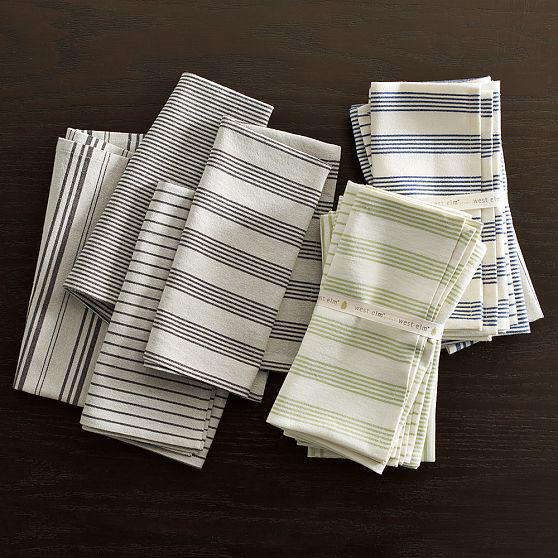
Striped napkins are the tiny table accessory with the confidence of a full room makeover. They do not ask for a renovation budget, a new dining table, or a dramatic chandelier named after a European village. They simply show up, sit beside the plate, and say, “Yes, this meal has been considered.” That is exactly why striped napkins at West Elm have remained such a lovable tabletop idea: they bring pattern, polish, and personality without making dinner feel like a museum tour.
The charm of West Elm’s striped cloth napkins is rooted in the brand’s broader tabletop style: modern, relaxed, slightly coastal, and easy to layer. Whether you are setting out takeout tacos, a Sunday roast, or the sort of brunch where everyone pretends fruit salad counts as cooking, striped napkins help the table look finished. They add rhythm to plain dinnerware, soften modern plates, and give everyday meals a little “hosted with intention” energy.
This guide looks at the style appeal, practical value, fabric choices, care tips, and real-life uses of West Elm striped napkins, while also drawing from common table-setting wisdom and modern home styling trends. Think of it as a friendly design review with fewer rules than a formal etiquette book and more useful advice than “just be effortless,” which is usually said by people who own twelve matching serving bowls.
Why Striped Napkins Work So Well on the Table
Stripes are one of the most dependable patterns in home decor because they manage to be both classic and current. A stripe can look nautical, farmhouse, Parisian café, modern minimalist, summer picnic, or holiday-ready depending on its color, scale, and fabric. That flexibility is exactly what makes striped cloth napkins so useful. They create visual interest without fighting with the food, flowers, plates, or that one guest who insists on rearranging the centerpiece.
On a tabletop, stripes do three important things. First, they add structure. A line pattern brings order to a setting, especially when the rest of the table includes rounded plates, bowls, candles, and glassware. Second, they introduce movement. Even a simple folded napkin feels more dynamic when the stripe runs across it. Third, stripes make layering easier. A striped napkin can bridge colors between dinnerware, placemats, table runners, and serving pieces.
A Quick Look at West Elm’s Striped Napkin Style
West Elm has long played in the space between casual and elevated design. Its napkin collections often include cotton, linen, and textured fabrics meant for everyday dinners as well as more polished entertaining. Current and recent West Elm tabletop collections have included pieces such as European Linen Stripe Napkin Sets, Sadie Stripe Napkin Sets, slub cotton napkins, and other patterned table linens that fit the brand’s clean, modern look.
The original inspiration behind the title “Tabletop: Striped Napkins at West Elm” goes back to a design-world favorite: striped organic cotton napkins highlighted years ago by Remodelista. Those napkins were described as 100 percent organic cotton, machine washable, and 20 inches squarebasically the holy trinity of attractive, usable, and not-too-fussy. The specific product may no longer be the same, but the idea still holds up beautifully: a striped napkin is one of the easiest ways to refresh a table without buying new dishes.
Cotton vs. Linen: Which Striped Napkins Should You Choose?
Cotton Striped Napkins
Cotton napkins are the everyday heroes of the table linen drawer. They are soft, practical, absorbent, and generally easier to care for than more delicate fabrics. If your household includes kids, pets, enthusiastic sauce users, or anyone who believes barbecue ribs are a personality test, cotton is a smart choice. West Elm’s cotton napkins often lean casual, making them ideal for weeknight dinners, patio meals, and family gatherings.
Cotton striped napkins also tend to fold neatly. They work well with napkin rings, simple rectangles, or relaxed knots placed directly on the plate. If you want a table that feels styled but not stiff, cotton is a dependable starting point.
Linen Striped Napkins
Linen napkins bring a softer, more lived-in elegance. They wrinkle more easily, yes, but that wrinkle is part of the charm. Linen says, “I am refined,” while also saying, “I do not panic over creases.” This makes linen striped napkins especially good for dinner parties, holiday meals, garden lunches, and tables where texture matters as much as color.
West Elm’s linen stripe napkins are especially appealing for people who like a natural, relaxed tabletop. Linen softens over time and gains character with use. It also pairs beautifully with stoneware, wood serving boards, ceramic vases, brass flatware, and neutral tablecloths.
How to Style Striped Napkins at West Elm Without Overthinking It
1. Pair Stripes with Solid Dinnerware
The easiest way to style striped napkins is to place them against solid plates. White, cream, gray, matte black, and soft blue dinnerware all give stripes room to breathe. If your plates are already patterned, choose a stripe with a quieter color palette so the table does not start visually shouting before the appetizers arrive.
2. Use Stripes as the Accent, Not the Entire Personality
Striped napkins are strong enough to lead the table design, but they do not need backup dancers in matching striped plates, striped runners, striped candles, and striped chair cushions. One stripe element is usually enough. Let the napkins do the pattern work while the rest of the setting supports them with texture, color, and shape.
3. Match the Mood, Not Every Color
Perfect color matching can make a table feel flat. Instead, aim for harmony. Beige and brown striped napkins can pair with warm wood, ivory plates, amber glassware, and dried flowers. Blue striped napkins can lean coastal with white stoneware and woven placemats. Green stripes can look fresh with herbs, simple florals, and natural ceramics.
4. Try Napkin Rings for Instant Polish
Napkin rings are the tabletop equivalent of putting on earrings before leaving the house. Not always necessary, but suddenly everything looks more intentional. Wood rings keep striped napkins relaxed. Brass or metal rings make them dinner-party ready. Marble or ceramic rings add a boutique-hotel touch, minus the tiny shampoo bottles.
Best Table Settings for Striped Cloth Napkins
Casual Weeknight Dinner
Fold a striped cotton napkin into a rectangle and place it to the left of the plate or directly under the fork. Add a simple placemat and keep the centerpiece low, such as a small bowl of citrus or a jar of herbs. This setting works because it looks thoughtful without requiring a spreadsheet.
Weekend Brunch
Striped napkins are natural brunch material. They pair well with mugs, fruit bowls, pancakes, eggs, and the slightly chaotic joy of people arriving at different times. Use blue or green stripes for a fresh morning look, or beige stripes for a soft café-inspired table.
Outdoor Dining
For patio dinners, striped napkins are practical and decorative. They help anchor each place setting when the table includes melamine plates, casual glassware, and shared platters. Cotton is especially useful outdoors because it feels relaxed and can usually handle frequent washing.
Holiday Meals
Stripes can work beautifully during the holidays when used as a balancing element. Instead of choosing napkins covered in seasonal motifs, try striped napkins in rich neutrals, greens, reds, or deep blues. They make the table festive without forcing pumpkins, snowflakes, or tiny reindeer into every square inch of visual space.
Why Cloth Napkins Are Worth the Drawer Space
Cloth napkins make even simple meals feel more complete. They reduce reliance on paper napkins, add reusable style to the table, and often become softer with regular washing. A set of striped cloth napkins is also more versatile than many people expect. Use them for dinner, tuck them into a bread basket, layer them under serving bowls, or wrap them around flatware for a buffet setup.
Compared with buying new dinnerware, cloth napkins are a low-commitment upgrade. They are easy to swap seasonally, simple to store, and useful whether your table seats two or twelve. They also photograph well, which matters more than many hosts admit. Nobody wants to say they styled dinner for the camera, but the camera knows.
How to Care for Striped Napkins So They Stay Good-Looking
The best napkin care starts with reading the label. Cotton, linen, blends, dyes, and special finishes may require slightly different treatment. In general, wash cloth napkins with mild detergent, treat stains quickly, and avoid letting spills sit for days. Tomato sauce and red wine are not patient guests; they settle in.
For cotton napkins, machine washing is usually straightforward. Linen may benefit from gentler cycles and lower heat. Skipping fabric softener is a smart move because softener can coat fibers and reduce absorbency over time. If you love a crisp look, iron the napkins while they are slightly damp. If you prefer a relaxed table, smooth them by hand, fold them neatly, and let the natural texture do its thing.
How Many Striped Napkins Should You Buy?
A set of four is enough for small households or occasional use, but eight is usually the sweet spot for entertaining. If you host often, consider owning twelve so you have backups for spills, surprise guests, or the mysterious disappearance of one napkin into the laundry dimension. For everyday use, two sets in complementary colors can rotate through the week and extend the life of each set.
When choosing a quantity, think about your real habits. Do you host dinner parties? Do you eat most meals at the table? Do you prefer matching place settings, or do you enjoy a mix-and-match look? Striped napkins are forgiving because they blend well with solids and other textures. Even if every plate does not match, the repeated stripe can pull the setting together.
What Makes West Elm Striped Napkins Especially Appealing?
West Elm’s strength is modern accessibility. Its tabletop pieces often feel design-forward without being too precious. Striped napkins from West Elm can work in apartments, family homes, breakfast nooks, dining rooms, and outdoor spaces. They are stylish enough for guests but casual enough for Tuesday pasta.
The brand also tends to offer colors that fit current interiors: warm neutrals, soft greens, blues, browns, and clean black-and-white combinations. These shades pair easily with wood tones, modern ceramics, glassware, and simple flatware. In other words, the napkins do not require you to rebuild your entire table collection around them. They politely join the group and somehow make everyone look better.
Buying Tips Before You Add to Cart
Before buying striped napkins, check the size, fabric, care instructions, and set quantity. Dinner napkins around 18 to 20 inches square are versatile for most meals. Smaller napkins can work for cocktails or desserts, but they may feel undersized for dinner. Also look closely at the stripe scale. Thin stripes feel subtle and refined. Wide stripes feel bolder and more casual. Multicolor stripes bring energy; two-tone stripes are easier to layer.
Color is also important. If you want napkins for daily meals, consider darker stripes or mid-tone colors that can hide small stains better than bright white. If you want a crisp, special-occasion look, pale linen stripes or classic blue-and-white patterns are hard to beat.
Experience Notes: Living With Striped Napkins in Real Meals
The real test of striped napkins is not how they look folded in a product photo. Everything looks good in a product photo. Even a spoon can look emotionally complex under the right lighting. The real test is what happens when the napkins meet actual dinner: crumbs, butter, salad dressing, coffee rings, and guests who somehow use a napkin like they are polishing a canoe.
In everyday use, striped napkins earn their place because they are forgiving. A solid white napkin can look elegant for exactly seven minutes, or until someone introduces marinara. A striped napkin hides minor marks better and keeps the table looking lively even after the meal begins. That matters because a table is not a showroom. It is a working surface for conversation, passing plates, reaching for bread, and negotiating who gets the last roasted potato.
One of the most useful ways to style West Elm striped napkins is to keep the rest of the table simple. A plain plate, a water glass, basic flatware, and one striped napkin can look more intentional than a table loaded with too many decorative items. The napkin becomes the pattern, the color cue, and the soft texture all at once. For small spaces, this is especially helpful. Apartment tables rarely have room for dramatic centerpieces unless dinner guests are willing to make eye contact through eucalyptus branches.
Striped napkins also help when the meal itself is casual. Pizza night with cloth napkins feels charming instead of lazy. Sandwiches at lunch look café-like. A store-bought cake suddenly seems less like a last-minute purchase and more like a curated dessert moment. The napkins do not change the food, of course, but they change the feeling around it. That is the quiet magic of tabletop design: it frames the meal before anyone takes a bite.
For hosting, striped napkins are especially useful because they create a visual theme without demanding perfect coordination. You can use mismatched plates and still make the table feel pulled together by repeating the same napkin at every setting. You can also fold them differently depending on the mood. A flat fold feels clean and modern. A loose knot feels casual and relaxed. A napkin ring feels polished. The same set can move from breakfast to birthday dinner with only small changes.
The care routine becomes easier once cloth napkins are treated as normal household items rather than special museum textiles. Keep a small basket or drawer for clean napkins, wash them with similar kitchen linens, and treat stains quickly. Do not save them only for guests. The more often they are used, the more natural they feel. Eventually, paper napkins start to seem oddly temporary, like they showed up for dinner but refused to commit.
That is why striped napkins at West Elm are more than a cute tabletop purchase. They are a practical design tool. They make meals feel warmer, tables feel more layered, and hosting feel less complicated. They are small, washable, reusable, and surprisingly powerful. In the world of home decor, that is a pretty excellent résumé for something that spends most of dinner sitting quietly beside a fork.
Conclusion
Tabletop: Striped Napkins at West Elm is more than a shopping idea; it is a reminder that small details can carry a whole table. Striped napkins add pattern without chaos, polish without stiffness, and personality without forcing you to buy new plates. Whether you choose cotton for everyday durability or linen for relaxed elegance, West Elm’s striped napkin style fits easily into modern American dining.
Use them with solid dinnerware, natural textures, simple glassware, and low centerpieces. Keep the care routine simple, buy enough for your real hosting habits, and let the stripes do what stripes do best: make the ordinary look thoughtfully arranged. Your table does not need to be perfect. It just needs one smart detail that says, “Someone cared.” Striped napkins do that beautifullyno culinary degree, floral budget, or emergency tablescaping committee required.
Note: This article is an original, web-ready synthesis based on current and historical West Elm tabletop information, home styling guidance, napkin-care best practices, and common American table-setting recommendations. Product availability, colors, and prices may change over time, so readers should check the current West Elm listing before purchasing.