Note: This article is for general educational purposes and should not replace medical advice from a qualified healthcare professional, especially for people with phenylketonuria, pregnancy-related dietary concerns, diabetes, migraine disorders, or ongoing health symptoms.
Introduction: The Sweetener Everyone Loves to Debate
Aspartame is one of those ingredients that can turn a quiet grocery aisle into a tiny internet argument. One person sees it as a smart way to cut sugar. Another sees the word “artificial” and imagines a lab coat stirring a suspiciously cheerful beaker. The truth is less dramatic, but far more useful: aspartame is a widely used low-calorie sweetener that has been studied for decades, approved by regulators, questioned by researchers, defended by food safety agencies, and misunderstood by just about everyone at least once.
The main keyword here is simple: aspartame safety. But the bigger question is more human: should you worry about aspartame in diet soda, sugar-free gum, yogurt, drink mixes, or tabletop sweetener packets? For most healthy adults, current regulatory reviews say that aspartame is safe when consumed within established limits. However, there are important exceptions, especially for people with phenylketonuria, also called PKU, because aspartame contains phenylalanine. There are also reasonable questions about headaches, appetite, long-term metabolic health, cancer risk, and whether swapping sugar for sweeteners actually improves diet quality.
What Is Aspartame?
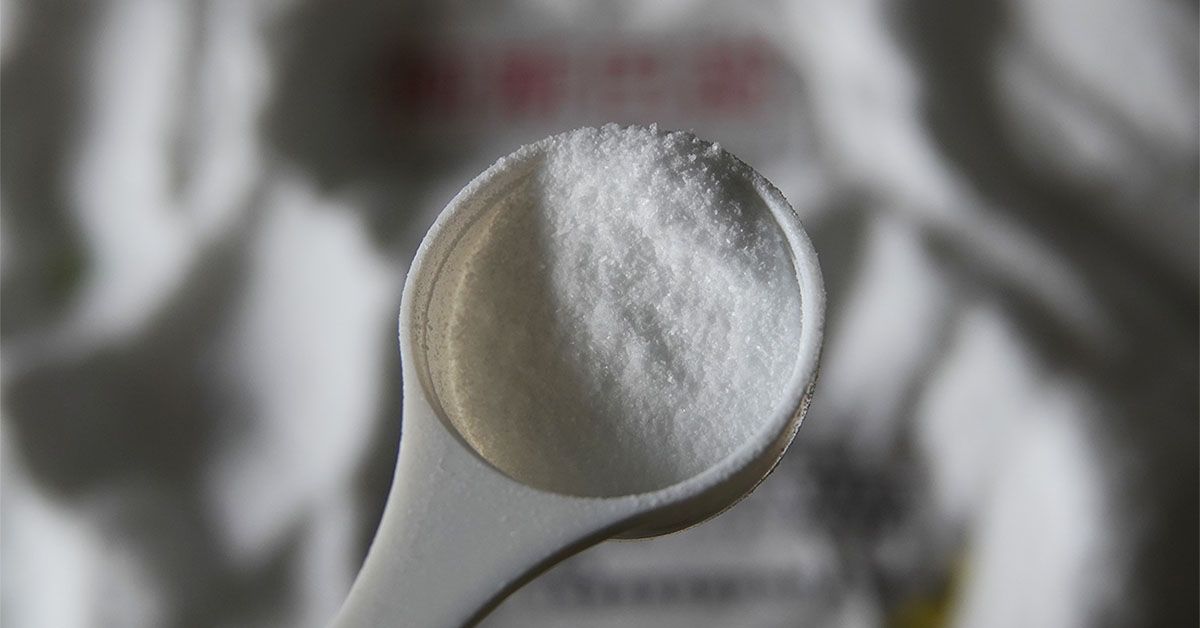
Aspartame is a low-calorie artificial sweetener sold under familiar brand names such as Equal, NutraSweet, and Sugar Twin. It is about 200 times sweeter than table sugar, which means manufacturers can use tiny amounts to create a very sweet taste. Chemically, aspartame is made from two amino acids, phenylalanine and aspartic acid, plus a small methyl ester component. The FDA notes that aspartame is not heat stable, so it generally is not the best choice for baked goods because it can lose sweetness when heated.
You will most often find aspartame in diet soft drinks, sugar-free chewing gum, tabletop sweetener packets, low-calorie desserts, flavored dairy products, powdered drink mixes, certain medications, cough drops, and chewable vitamins. In other words, it is not hiding in a trench coat. It is usually right there on the ingredient list, doing its tiny-but-intensely-sweet job.
Is Aspartame Safe?
For the general population, the FDA states that scientific evidence continues to support the conclusion that aspartame is safe when manufactured properly and used under approved conditions. The agency also describes aspartame as one of the most studied food additives in the human food supply and says it has reviewed more than 100 studies on potential toxic effects, including metabolism, cancer, reproductive effects, and nervous system effects.
The key phrase is acceptable daily intake, often shortened to ADI. The ADI is not a recommended target. It is not a “try to drink this much diet soda” invitation. It is a conservative safety threshold meant to represent the amount a person could consume every day over a lifetime without appreciable risk. In the United States, the FDA’s ADI for aspartame is 50 milligrams per kilogram of body weight per day. Internationally, JECFA, the food-additive expert committee connected with the WHO and FAO, uses 40 milligrams per kilogram of body weight per day.
How Much Aspartame Is Too Much?
The numbers sound scientific enough to make your calculator sigh, so let’s translate. The WHO explained that if a diet soft drink contains roughly 200 to 300 milligrams of aspartame, a 70-kilogram adult would need to drink more than about 9 to 14 cans per day to exceed the international ADI, assuming no other aspartame sources. That is not “a can with lunch.” That is “your recycling bin has concerns.”
Still, the ADI does not mean more is better. It simply means ordinary intake is usually far below the safety ceiling. A practical approach is to think of aspartame as a tool, not a food group. If it helps you replace several sugary drinks a day, it may be useful. If it becomes the main flavor of your entire hydration strategy, plain water is quietly waving from the sidelines.
Aspartame and Cancer Risk
The cancer question became louder after 2023, when the International Agency for Research on Cancer, or IARC, classified aspartame as “possibly carcinogenic to humans,” also known as Group 2B. That wording can sound scary, but it is important to understand what it means. IARC hazard classifications describe how strong the evidence is that something could cause cancer under some circumstances. They do not measure the actual risk from normal dietary exposure.
At the same time, JECFA reviewed exposure and risk and did not change its acceptable daily intake. The committee concluded that the evidence linking aspartame consumption with cancer in humans was not convincing and that dietary exposure did not pose a health concern at current estimated levels. The FDA also disagreed with IARC’s interpretation and stated that it does not have safety concerns when aspartame is used under approved conditions.
The National Cancer Institute notes that FDA-approved artificial sweeteners, including aspartame, were reviewed for safety before approval and that studies showed no evidence that these sweeteners cause cancer or other harms in people. More recent research remains mixed in some observational areas, but large human studies have not consistently shown that typical aspartame intake causes cancer.
What About Breast Cancer?
A large prospective analysis using data from the Nurses’ Health Study and Nurses’ Health Study II found no association between aspartame consumption and invasive breast cancer risk over nearly 30 years of follow-up. That does not answer every cancer question forever, but it is an important example of stronger human evidence failing to show a clear cancer signal for a major cancer type.
Who Should Avoid Aspartame?
The clearest “avoid” category is people with phenylketonuria, or PKU. PKU is a rare inherited condition in which the body cannot properly metabolize phenylalanine. Because aspartame contains phenylalanine, products containing aspartame must carry a warning for people with PKU in the United States. Mayo Clinic explains that phenylalanine can cause serious problems for people with PKU, including intellectual disability, brain damage, seizures, and skin or other problems if not properly managed.
People without PKU usually do not need to worry about phenylalanine from aspartame in the same way. Phenylalanine is also naturally present in protein-rich foods such as milk, eggs, and meat. Still, anyone who has a diagnosed metabolic disorder, complicated medication regimen, or unusual symptoms after consuming aspartame should speak with a healthcare professional rather than trying to solve the mystery with comment sections and vibes.
Possible Aspartame Side Effects
Most people tolerate aspartame without noticeable side effects, but some report symptoms such as headaches, digestive discomfort, changes in cravings, or feeling jittery. The tricky part is separating true individual sensitivity from coincidence. A headache after a diet soda may be caused by aspartame, caffeine, dehydration, skipped lunch, stress, poor sleep, or the tiny emotional earthquake of opening your email inbox.
Headaches and Migraines
Some studies have suggested that aspartame may trigger headaches in susceptible people, especially those who already experience migraines. The evidence is not strong enough to say aspartame causes headaches in everyone, but it is reasonable for migraine-prone individuals to track symptoms. If headaches repeatedly appear after aspartame and improve when it is avoided, that personal pattern matters.
Digestive Symptoms
Aspartame itself is not a sugar alcohol, but many “sugar-free” products combine different sweeteners. Sugar alcohols such as sorbitol, xylitol, erythritol, and maltitol can cause bloating, gas, cramps, or diarrhea in some people, especially at higher amounts. So, if a sugar-free candy sends your stomach into opera mode, do not blame aspartame automatically. Check the full ingredient list.
Mood, Cravings, and Appetite
Some people feel that artificial sweeteners increase their cravings for sweet foods. Research on this topic is mixed. For some individuals, replacing sugary drinks with diet drinks helps reduce calories and sugar intake. For others, intense sweetness may keep the palate trained to expect dessert-level sweetness all day. Neither experience is universal. The most practical test is whether aspartame helps you move toward an overall healthier diet or keeps you circling the snack cabinet like a raccoon with a fitness tracker.
Aspartame, Blood Sugar, and Diabetes
Aspartame does not raise blood glucose the way sugar does because it contributes sweetness with very little usable carbohydrate at typical serving sizes. The American Diabetes Association explains that sugar substitutes generally do not raise blood glucose levels and may be used as part of reducing sugar intake, though their long-term effectiveness for weight control is not clear.
For people with diabetes, this can be helpful when replacing regular soda, sweet tea, or sugar-heavy desserts. However, “sugar-free” does not always mean “nutritionally excellent.” A diet soda may avoid a glucose spike, but it does not provide fiber, protein, vitamins, minerals, or the feeling of being a responsible adult who ate vegetables today. Aspartame can fit into diabetes management, but it should not be the centerpiece of the plan.
Aspartame and Weight Management
One potential benefit of aspartame is calorie reduction. Replacing a 150-calorie sugary drink with a near-zero-calorie alternative can reduce daily calorie intake, at least on paper. Mayo Clinic notes that sugar substitutes may help with short-term weight management for adults and children with overweight or obesity, but it remains unclear whether they help long-term weight control. Long-term weight outcomes depend on the whole diet, activity, sleep, stress, and whether “I saved calories with diet soda” becomes “therefore I deserve three donuts.”
The best use of aspartame for weight management is strategic replacement, not magical thinking. It may be helpful when it replaces high-sugar beverages. It is less helpful if it simply gives a health halo to an otherwise ultra-processed diet.
Aspartame During Pregnancy and for Children
For healthy pregnant people, major food safety agencies generally consider approved low-calorie sweeteners safe within limits. Mayo Clinic states that artificial sweeteners are generally safe in limited amounts for healthy people, including pregnant people, while also emphasizing exceptions such as PKU.
For children, the conversation is more cautious. The goal should not be to build a childhood diet around either sugar or artificial sweeteners. Water, milk when appropriate, fruit, vegetables, whole grains, proteins, and minimally processed foods should do the heavy lifting. A sugar-free yogurt or occasional diet beverage is different from a daily parade of artificially sweetened drinks. Children with PKU must avoid aspartame unless their medical team gives specific guidance.
How to Read Labels for Aspartame
Reading labels is the easiest way to control aspartame intake. Look for “aspartame” in the ingredient list. Also look for the phenylalanine warning, especially if PKU is relevant in your household. Aspartame may appear in products marketed as “diet,” “zero sugar,” “sugar free,” “light,” “reduced calorie,” or “no added sugar.” These claims are useful clues, not guarantees.
Common Products That May Contain Aspartame
- Diet sodas and zero-sugar soft drinks
- Sugar-free gum and mints
- Low-calorie drink powders
- Some light yogurts and dairy desserts
- Tabletop sweetener packets
- Sugar-free gelatin, pudding, or frozen desserts
- Certain chewable vitamins, cough drops, and medications
Practical Tips for Safer Aspartame Use
First, stay below the ADI without obsessing over every milligram. Most people who use aspartame normally are far below the limit. Second, avoid aspartame if you have PKU. Third, track symptoms if you suspect sensitivity. A simple food-and-symptom journal for two weeks can be more useful than arguing with strangers online who type in all caps.
Fourth, improve the whole diet. If aspartame helps you reduce added sugar, that can be a useful step. But health does not come only from removing sugar. It also comes from adding fiber, protein, colorful plants, healthy fats, and consistent meals. Finally, do not treat diet soda as water wearing a clever disguise. Hydration still belongs mostly to water, unsweetened tea, or other low-sugar drinks that do not keep your taste buds permanently set to “birthday cake.”
Experience-Based Guide: Real-Life Lessons From Using Aspartame
In everyday life, aspartame is rarely consumed as a pure ingredient. People encounter it through routines: the afternoon diet cola, the sugar-free gum after lunch, the powdered drink packet at the office, or the “light” yogurt grabbed during a rushed morning. That matters because experiences with aspartame are often experiences with habits, not just chemistry.
One common experience is the sugar-reduction transition. Someone who drinks two or three regular sodas a day may switch to diet soda and immediately cut a large amount of added sugar. In that case, aspartame can feel like a bridge. The person still gets sweetness, bubbles, and the familiar snap of opening a can, but without the same sugar load. This can be especially helpful for people trying to manage blood glucose, reduce calories, or step down from a high-sugar beverage habit. The win is not that aspartame is a superfood. The win is that it can make a difficult behavior change feel less like punishment.
Another common experience is taste adjustment. Some people love aspartame’s sweetness immediately. Others notice an aftertaste and describe it as sharp, thin, or “not quite sugar.” Taste buds adapt, though not always in the same direction. A person who drinks artificially sweetened beverages daily may start finding lightly sweet foods less satisfying. Another person may use diet drinks temporarily and then gradually move toward sparkling water, citrus, mint, or unsweetened tea. Neither path is morally superior. The better path is the one that supports a healthier pattern without creating a new dependency on constant sweetness.
Some people also report headaches or migraines after consuming aspartame. The most useful response is not panic; it is pattern recognition. If a headache happens once, it may be coincidence. If it happens repeatedly after the same product, especially when other triggers are controlled, avoiding that product is sensible. A practical experiment is to remove aspartame for two to four weeks, keep caffeine intake stable, stay hydrated, and then discuss results with a healthcare provider if symptoms are significant. This is boring advice, which is often a sign that it is actually useful.
There is also the “health halo” experience. A person buys sugar-free snacks and assumes they are automatically healthier. Then the snacks become more frequent, portions grow, and the overall diet does not improve. This is where aspartame can become a distraction. The question is not only “Is aspartame safe?” It is also “What is this food replacing?” A diet soda replacing a large sugary soda may be a smart trade. A sugar-free dessert added on top of an already snack-heavy diet may not help much.
Finally, many people find that moderation feels best. They may keep a few aspartame-sweetened products they genuinely enjoy while making water, coffee without much sweetener, unsweetened tea, or naturally flavored drinks the default. This approach avoids both extremes: fear-based avoidance and unlimited intake. Aspartame does not need to be treated like a villain in a food documentary, but it also does not deserve a throne. It is a sweetener. Use it thoughtfully, read labels, respect medical exceptions, and let the rest of your diet do the real health work.
Conclusion: So, Should You Worry About Aspartame?
For most healthy adults, current evidence and regulatory guidance suggest that aspartame is safe when consumed within accepted daily limits. The strongest exception is PKU, where aspartame should be avoided or strictly managed because of its phenylalanine content. Cancer concerns deserve honest discussion, especially after IARC’s “possibly carcinogenic” classification, but risk-based reviews from JECFA, the FDA, and other major health sources continue to indicate that typical intake levels are not a demonstrated health concern.
The smartest position is balanced, not dramatic. Aspartame can be useful for reducing added sugar and managing calories or blood glucose, but it should not replace a healthy eating pattern. Watch your total intake, read labels, pay attention to personal symptoms, and choose mostly whole, minimally processed foods. In the end, aspartame is not the boss of your health. Your overall habits are.