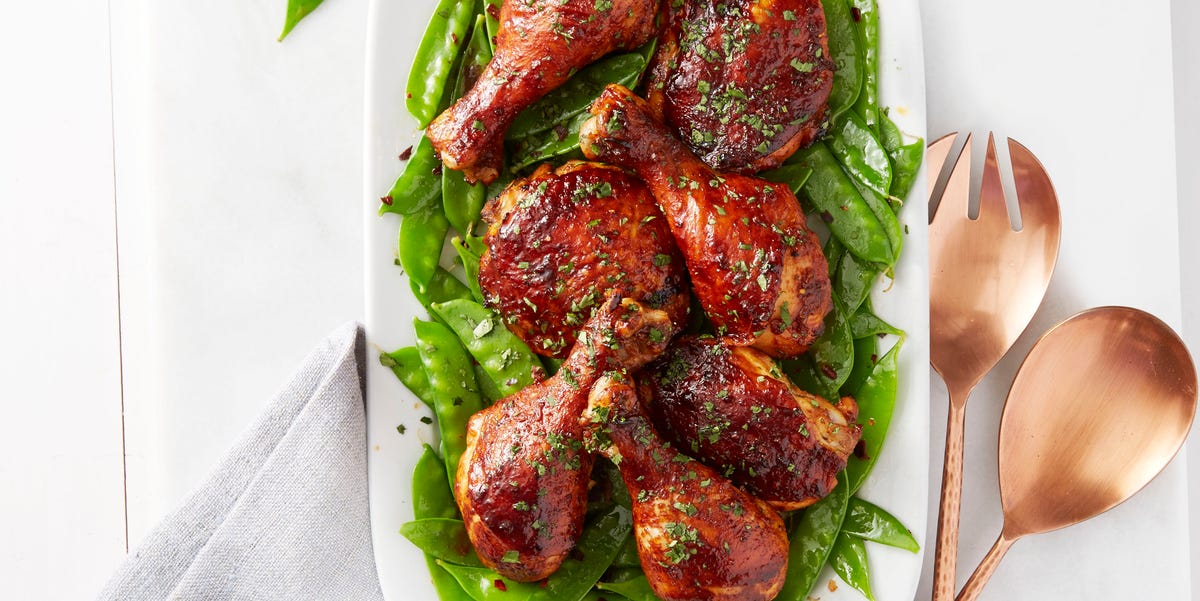
Some dinners walk into the kitchen wearing sweatpants and still somehow look fabulous. Sweet & Sticky Chicken with Snow Peas is that kind of meal: glossy, savory, a little sweet, gently spicy, and friendly enough for a weeknight when your brain has already clocked out. Inspired by the classic Good Housekeeping-style idea of pairing hoisin-glazed chicken with crisp snow peas, this version leans into a deeper, saucier glaze, practical cooking tips, and enough dinner-table charm to make takeout menus feel slightly nervous.
The beauty of this sweet sticky chicken recipe is balance. Hoisin brings that rich, salty-sweet backbone. Honey adds shine and caramelization. Soy sauce gives depth. Rice vinegar keeps the glaze from becoming candy in a chicken costume. Snow peas step in with freshness, crunch, and a bright green color that whispers, “Yes, this is still dinner, not dessert.”
This recipe works especially well with bone-in chicken thighs and drumsticks because darker meat stays juicy while the glaze thickens and clings. However, the method is flexible enough for boneless thighs or even chicken breast if you adjust the cooking time carefully. Serve it over steamed rice, tuck it beside noodles, or plate it with extra vegetables for a colorful, family-friendly dinner that tastes like you planned aheadeven if you absolutely did not.
Why This Sweet & Sticky Chicken with Snow Peas Works
The secret is not complicated. It is all about giving each ingredient a job. The chicken needs high heat so the skin and edges develop color. The glaze needs enough sugar to become sticky, enough salt to taste bold, and enough acidity to stay lively. The snow peas need only a short cook so they remain crisp-tender instead of turning into sad green shoelaces.
Hoisin sauce is the shortcut hero here. It already contains savory, sweet, and aromatic notes, which means you do not need a cabinet full of specialty bottles to get a restaurant-style flavor. Add garlic, ginger, sesame oil, and a pinch of red pepper flakes, and suddenly the sauce tastes layered and intentional. The chicken roasts while the glaze bubbles and tightens around it, creating that irresistible shiny finish.
Snow peas are the perfect partner because they cook quickly and offer contrast. Their fresh snap cuts through the richness of the chicken. They also look beautiful on the plate, which matters because we eat with our eyes first and then immediately with a fork.
Ingredients for Sweet & Sticky Chicken with Snow Peas
For the Chicken
- 2 1/2 pounds bone-in chicken thighs and drumsticks
- 1/3 cup hoisin sauce
- 2 tablespoons honey
- 1 tablespoon low-sodium soy sauce
- 1 tablespoon rice vinegar
- 2 teaspoons toasted sesame oil
- 2 cloves garlic, finely grated or minced
- 1 teaspoon fresh ginger, finely grated
- 1/2 teaspoon kosher salt
- 1/2 teaspoon freshly ground black pepper
- 1/4 to 1/2 teaspoon crushed red pepper flakes, optional
For the Snow Peas
- 1 pound fresh snow peas, trimmed
- 1 teaspoon toasted sesame oil
- 1 teaspoon rice vinegar or fresh lime juice
- Pinch of kosher salt
- Sesame seeds, optional
- Chopped cilantro or sliced scallions, for garnish
Optional Serving Ideas
- Steamed jasmine rice or brown rice
- Rice noodles or lo mein-style noodles
- Lime wedges
- Extra chili crisp or sriracha for heat lovers
How to Make Sweet & Sticky Chicken with Snow Peas
Step 1: Heat the Oven
Preheat the oven to 425°F. Line a rimmed baking sheet with foil or parchment paper for easier cleanup. If you have a wire rack that fits inside the baking sheet, use it. The rack helps air circulate around the chicken, but the recipe still works without it.
Step 2: Make the Sticky Hoisin Glaze
In a medium bowl, whisk together hoisin sauce, honey, soy sauce, rice vinegar, sesame oil, garlic, ginger, salt, black pepper, and red pepper flakes. The mixture should look glossy and smell like something you would happily eat with a spoon. Do not actually eat it with a spoon yet; raw chicken is about to join the party.
Step 3: Coat the Chicken
Pat the chicken dry with paper towels. This small step helps the glaze cling better and encourages browning. Add the chicken to the bowl and toss until every piece is coated. Arrange the chicken on the prepared baking sheet, leaving a little space between pieces. Crowding the pan traps steam, and steam is the enemy of sticky edges.
Step 4: Roast Until Glossy and Cooked Through
Roast the chicken for about 35 to 45 minutes, depending on the size of the pieces. Halfway through cooking, brush the chicken with any glaze that has collected on the pan. The chicken is done when the thickest part reaches 165°F on an instant-read thermometer. The glaze should be dark, shiny, and slightly caramelized at the edges.
Step 5: Cook the Snow Peas
While the chicken rests, cook the snow peas. Bring a medium pot of salted water to a boil, add the snow peas, and cook for 1 to 2 minutes, just until bright green and crisp-tender. Drain immediately. For extra crunch, rinse briefly under cold water, then drain well. Toss with sesame oil, rice vinegar or lime juice, and a pinch of salt.
Step 6: Serve
Spread the snow peas on a platter or individual plates. Place the sweet and sticky chicken on top. Sprinkle with sesame seeds, cilantro, or scallions. Serve with rice and lime wedges. Then prepare for the quiet moment when everyone is too busy chewing to talk. That is not awkward silence; that is applause with teeth.
Recipe Card: Sweet & Sticky Chicken with Snow Peas
- Prep Time: 10 minutes
- Cook Time: 40 minutes
- Total Time: About 50 minutes
- Servings: 4
- Main Keyword: Sweet & Sticky Chicken with Snow Peas Recipe
- Cooking Method: Oven-roasted chicken with quick-cooked snow peas
Tips for the Best Sticky Chicken Glaze
Use Dark Meat for Juicier Results
Chicken thighs and drumsticks are forgiving. They can handle the oven’s heat while the glaze thickens. Boneless chicken breast can work, but it cooks faster and dries out more easily. If using breast meat, start checking early and remove it as soon as it reaches a safe internal temperature.
Do Not Skip the Acid
Honey and hoisin are both sweet, so rice vinegar or lime juice is essential. It brightens the glaze and prevents the final dish from tasting heavy. Think of acid as the friend who tells the sauce, “You look great, but maybe remove one accessory.”
Give the Chicken Space
Arrange the chicken in a single layer with room around each piece. This allows the glaze to reduce and caramelize instead of pooling into a watery sauce. If your pan is small, use two pans. Your future sticky chicken self will be grateful.
Watch the Sugar Near the End
Sweet glazes can darken quickly. A few browned edges are delicious; blackened sugar is less charming. If the chicken is browning too fast before it is cooked through, loosely tent the pan with foil for the final stretch.
How to Keep Snow Peas Bright and Crisp
Snow peas are quick-cooking vegetables, which means they do not need much attention. In fact, too much attention ruins them. Cook them briefly, season them simply, and let their natural sweetness shine. The goal is a crisp-tender bite, not a vegetable that has given up on its dreams.
Trim the stem ends and pull away any tough strings before cooking. If the pods are large, slice them diagonally. This makes them easier to eat and gives the dish that polished, restaurant-style look. After boiling or steaming, drain them very well so they do not water down the plate.
For a more stir-fried approach, heat a large skillet with a little sesame oil and sauté the snow peas for 2 to 3 minutes. Add garlic only near the end so it does not burn. Finish with lime juice, rice vinegar, sesame seeds, or a few scallions.
Flavor Variations
Spicy Sweet Sticky Chicken
Add 1 tablespoon sriracha, chili garlic sauce, or gochujang to the glaze. This creates a deeper heat that pairs beautifully with honey and hoisin.
Orange-Hoisin Chicken
Replace the rice vinegar with orange juice and add 1 teaspoon orange zest. The result is brighter, fruitier, and very good with jasmine rice.
Garlic Sesame Chicken
Double the garlic and finish the dish with toasted sesame seeds and sliced scallions. This version is bold, nutty, and perfect for people who believe garlic should be measured with the heart.
Sheet Pan Vegetable Dinner
Add sliced bell peppers, broccoli florets, or carrots to the pan during the last 15 to 20 minutes of roasting. Keep snow peas separate or add them only at the very end so they stay crisp.
What to Serve with Sweet & Sticky Chicken
Rice is the obvious choice, and obvious is not always boring. Steamed white rice soaks up the glaze beautifully. Brown rice adds nuttiness. Coconut rice makes the meal feel a little more special. For noodles, try rice noodles tossed with sesame oil, scallions, and a splash of soy sauce.
If you want a lighter plate, serve the chicken with cauliflower rice, a crunchy cucumber salad, or extra steamed vegetables. A simple side of sliced cucumbers with rice vinegar and sesame seeds is excellent because it cools the sweetness and heat of the glaze.
Make-Ahead, Storage, and Reheating
You can mix the glaze up to 3 days ahead and store it in the refrigerator. You can also coat the chicken and refrigerate it for up to 12 hours before roasting. This gives the flavors more time to mingle, which is lovely, though not required. This recipe is designed for real life, and real life sometimes says, “Dinner starts now.”
Store leftover chicken and snow peas in airtight containers in the refrigerator for 3 to 4 days. Reheat the chicken gently in a 325°F oven or in the microwave at reduced power. If the glaze looks too thick, add a spoonful of water before reheating. Snow peas are best reheated briefly or eaten cold in a rice bowl the next day.
Common Mistakes to Avoid
Using Too Much Glaze Too Early
A thick sugary glaze can burn if piled on heavily at the beginning. Coat the chicken well, but let excess drip off before roasting. Brush with pan juices later for a glossy finish.
Overcooking the Snow Peas
Snow peas should stay bright green. If they turn olive-colored and floppy, they have gone too far. Cook briefly, drain well, and season right before serving.
Guessing Chicken Doneness
A thermometer is the easiest way to protect both flavor and safety. Chicken should reach 165°F at the thickest part. Cutting into every piece to check doneness releases juices and makes dinner look like it lost a tiny knife fight.
Experience Notes: Cooking Sweet & Sticky Chicken at Home
The first time I made a version of sweet and sticky chicken with snow peas, I underestimated the power of hoisin sauce. I treated it like a polite condiment, the kind that would sit quietly in the background and let everyone else talk. I was wrong. Hoisin arrives wearing a velvet blazer. It is sweet, salty, bold, and ready to run the meeting. Once I learned to balance it with vinegar, ginger, and a little heat, the whole dish became brighter and more complete.
This recipe also taught me that weeknight cooking does not have to mean boring cooking. There is a special kind of joy in sliding a tray of glazed chicken into the oven and letting it transform while you do something else. Maybe you wash a cutting board. Maybe you answer emails. Maybe you stand in front of the fridge eating one pickle and calling it an appetizer. No judgment. The oven does the heavy lifting, and by the time the chicken comes out, it looks like you put in far more effort than you actually did.
The snow peas are the part that make the meal feel fresh. Without them, sticky chicken is delicious but rich. With them, the plate wakes up. Their snap gives every bite contrast, and their color makes the dish look cheerful instead of brown-on-brown, which is a common and tragic dinner condition. I like tossing them with sesame oil and lime juice because it adds fragrance and keeps them lively.
One practical lesson: line the pan. Sticky glaze has a personality, and that personality is “clingy.” Foil or parchment can save you from scrubbing caramelized sauce after dinner when all you want is to sit down and pretend the kitchen cleaned itself. Another lesson: do not crowd the chicken. I once tried to squeeze too many pieces onto a small sheet pan, and the chicken steamed instead of roasted. It tasted fine, but the glaze never got that shiny, lacquered finish. The chicken was good; it simply lacked drama.
Leftovers are excellent. The next day, slice the chicken off the bone and pile it into a rice bowl with cold snow peas, cucumbers, scallions, and a drizzle of any remaining glaze. It becomes a lunch that makes coworkers ask questions. If there is not enough chicken left for a full meal, shred it and tuck it into lettuce cups with extra sesame seeds. It is the kind of leftover that does not feel like a compromise. It feels like a secret second recipe hiding inside the first one.
Most of all, this dish proves that a short ingredient list can still deliver big flavor. You do not need complicated technique or a restaurant kitchen. You need a hot oven, a balanced glaze, crisp vegetables, and the self-control not to eat the best-looking drumstick directly from the pan while pretending to “test seasoning.” Actually, test seasoning. Quality control is important. Very official. Highly scientific.
Conclusion
Sweet & Sticky Chicken with Snow Peas is the kind of recipe that earns repeat status because it checks all the boxes: easy prep, bold flavor, glossy sauce, juicy chicken, and a crisp green vegetable that makes the whole plate feel balanced. The hoisin-honey glaze gives the chicken a sweet-savory finish, while ginger, garlic, sesame oil, and rice vinegar keep the flavor lively. Snow peas bring crunch and freshness, turning a simple chicken dinner into something colorful, satisfying, and weeknight-friendly.
Whether you serve it over rice, noodles, or a pile of extra vegetables, this dish delivers comfort without being heavy. It is practical enough for Tuesday, pretty enough for guests, and sticky enough to require napkins. That is a very good dinner equation.
Note: This article is an original, expanded, publisher-ready recipe guide inspired by the topic title and built from established cooking methods, food-safety standards, and sweet-savory chicken preparation principles. It is written in fresh language for web publication.