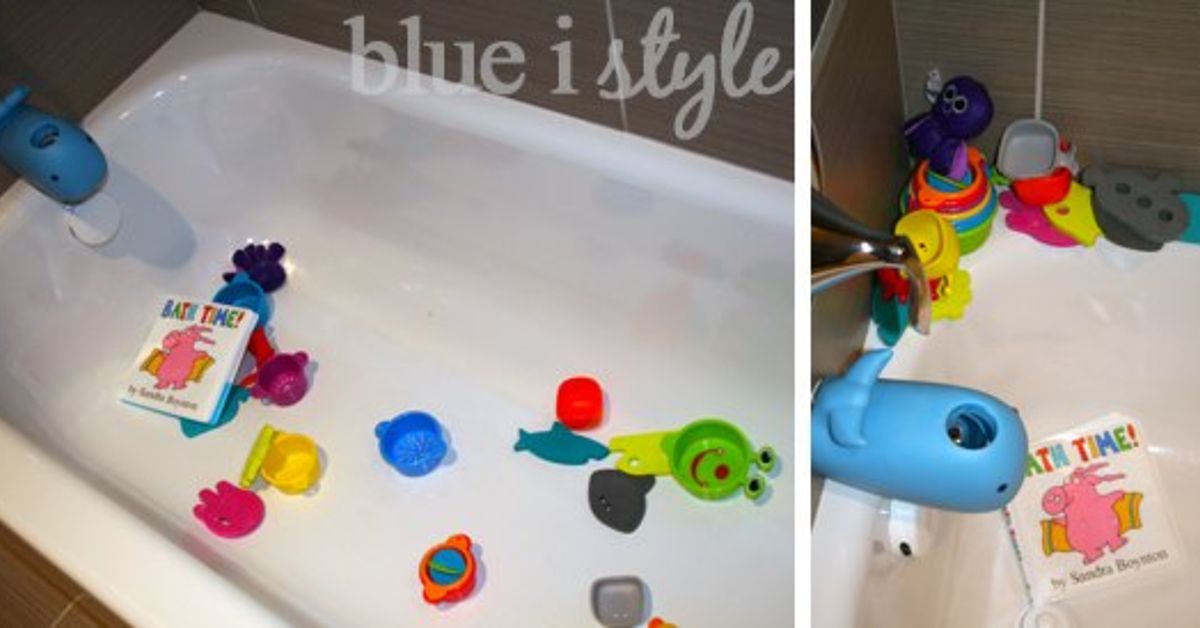
Bath time should end with warm pajamas and a sleepy grinnot an obstacle course of rubber ducks, nesting cups, and a pirate boat wedged underfoot. Yet bath toys multiply with the confidence of a magician’s handkerchief. Stylish bath toy storage fixes the problem without turning the bathroom into a preschool supply closet. The right setup clears the tub, helps wet toys dry, and looks deliberate enough to coexist peacefully with grown-up towels.
The best bath toy organizer performs three jobs at once: it drains, it stays easy for children to use, and it suits the room’s style. Whether your bathroom is calm and neutral, bright and playful, tiny and rented, or all three at once, a better system is possible.
Why Bath Toy Storage Needs a Different Playbook
Bath toys are not ordinary toys because they arrive home wet. A handsome, closed bin may hide clutter, but it can trap moisture too. Good bathroom toy storage gives water an escape route, provides airflow, and keeps toys off the tub floor. That is why mesh, holes, open slats, and removable baskets are usually smarter than one large lidded box.
A thoughtful organizer also makes the room feel calmer. In small bathrooms, clutter quickly becomes the loudest design feature. Grouping toys in matching containers, using wall space, and limiting what stays on display creates a cleaner look without requiring a renovation. The goal is simple: a child can find a favorite cup, and an adult can walk through the room barefoot without filing an incident report.
How to Choose a Bath Toy Organizer That Looks Good and Works Hard
Prioritize Drainage and Airflow
Choose mesh, perforated plastic, coated wire, or an open-slatted caddy. A removable basket is especially helpful because you can carry it away to rinse, dry, or clean. The organizer does not need to be glamorous; it needs to avoid becoming a luxury apartment for trapped bathwater.
Use Bathroom-Friendly Materials
Plastic, silicone, marine-style mesh, powder-coated metal, and sealed wood handle humidity better than untreated natural fibers. Woven baskets can still look beautiful on a shelf outside the splash zone, where they are best used for dry backup toys, washcloths, or bubble-bath supplies.
Buy the Right Capacity
A huge bin quietly encourages every toy ever purchased to move into the bathroom permanently. A medium organizer creates a useful limit. Keep current favorites near the tub and rotate the rest from a dry storage area. To children, a toy that disappears for a few weeks often returns as a thrilling new invention.
Choose Mounting for Your Actual Walls
Renters may prefer tension rods, removable hooks, or suction bins. Homeowners might use a rail, a simple shelf, or a recessed niche. Check the product’s weight limit, test the attachment before loading it, and inspect it regularly. Bath storage should never deliver a surprise encore during hair-rinsing time.
Make the Storage Feel Like Part of the Bathroom
Start by choosing whether storage should disappear or join the décor. For a spa-like bathroom, hide fully dry backups in a vanity, cabinet, or lidded bin outside the wet zone. For a kid-friendly room, let the organizer showbut make it look intentional. Matte white, soft blue, warm bamboo, clear acrylic, and coated wire all work when they repeat colors or finishes already in the room.
Limit the storage palette to two or three materials. A white mesh bag, oak hooks, and white towels look composed. Navy bins can echo a striped curtain. Matching shapes and colors make budget organizers feel curated; five unrelated shades make the room resemble a toy aisle after a minor fender bender.
Use vertical space before sacrificing the floor. The far end of the tub, a blank wall, the vanity side, or the back of the door may provide room for a slim organizer. In larger bathrooms, a bench or low shelf can add warmth and useful dry storage. In smaller bathrooms, shallow wall-mounted options are usually the calmer choice.
8 Stylish Bath Toy Storage Ideas
1. A Structured Mesh Hanging Bag
A mesh holder is popular because it drains, shows what is inside, and takes up almost no visual space. Choose a simple color and hardware that coordinates with the faucet or towel bar. Hang it away from the heaviest spray, but keep it accessible enough for supervised child cleanup.
2. A Perforated Suction Basket
A small basket on smooth tile or glass keeps daily toys off the tub ledge. It is best for a modest collection of cups, boats, and open toys. Look for drainage on the bottom and sides, and test the grip before trusting it with a full fleet. Suction storage is elegant when it works and deeply theatrical when it does not.
3. A Tension Rod With Matching Pouches
Install a slim tension rod along the back wall of the tub and add hooks with two or three identical mesh pouches. Use one for toys, one for washcloths, and one for kid-friendly products. It is flexible, drill-free, and especially useful in rentals.
4. A Niche With a Lift-Out Caddy
During a renovation, a tub niche can become near-invisible storage. Place one ventilated caddy inside, rather than filling the niche with permanent toy display. A lift-out bin makes draining and cleaning simple while keeping the tilework visually calm.
5. A Slim Rolling Cart
A narrow rolling cart just outside the splash zone can serve as a bath station. Use a draining top basket for today’s toys, a middle shelf for towels, and a bottom shelf for dry supplies. Choose water-friendly materials and keep the cart clear of the wettest area.
6. A Low Shelf With Coordinated Bins
In a children’s bathroom, a low shelf teaches independence. Use one draining caddy for wet toys and matching bins for fully dry rotation toys. Add picture labels for younger children. The system is simple enough to survive bedtime, babysitters, and a preschooler’s belief that every sponge is a boat.
7. Over-the-Toilet Shelves for Dry Rotation
Store clean, dry toys in a lidded bin on a lower over-the-toilet shelf, with towels or décor above. This is not the place for dripping toys, but it is a clever way to keep the active collection small and the bathroom less crowded.
8. A Bench With Ventilated Baskets
In a large bathroom, a compact bench with removable plastic baskets underneath can add a hotel-like look. Use it for dry toys, pajamas, and extra towels, while a separate draining holder stays near the tub. It may also become the official negotiation chair for hair-washing disputes.
Set Up a Wet Zone and a Dry Zone
The easiest system separates what is dripping from what is ready to play. The wet zone lives near the tub and must drain well. The dry zone can be prettier, more concealed, and farther from splashes. This small distinction prevents a common mistake: using the same attractive bin for everything, regardless of whether it is soaking wet.
- Empty the tub and collect every toy.
- Keep favorites, clean reusable items, and remove cracked or impossible-to-dry pieces.
- Choose one wet-zone organizer and one dry rotation bin.
- Limit the wet zone to what your child can realistically use and put away.
- After each bath, shake off water, return toys to the draining holder, and ventilate the bathroom as appropriate.
Moisture control and ventilation matter in bathrooms, so the design should make drying the default rather than another chore on a tired evening. A holder with open drainage gives the routine a fighting chance.
Maintenance That Does Not Take Over Your Weekend
Once a week, remove the toys, rinse away soap residue, and let both toys and holder dry. Inspect water-holding toys regularly and follow the manufacturer’s care directions. If an item is cracked, smells unpleasant, or cannot be cleaned and dried effectively, replacement is usually wiser than a heroic rescue mission.
Clean the organizer too. Rinse and air-dry mesh bags, wash plastic caddies with mild soap and water, and wipe metal dry to reduce water spots. Keep the collection small enough that each piece gets some attention. The best storage system is not the prettiest one in a product photo; it is the one that still works on a Tuesday night when everyone is tired.
Mistakes That Make Bath Toy Storage Less Stylish
- Sealing wet toys in a closed bin: Hide the clutter, trap the moisture.
- Overloading weak hardware: Test and recheck mounted organizers.
- Buying storage before reducing the collection: Bigger storage can simply make clutter more official.
- Keeping every toy beside the tub: Rotate dry toys instead.
- Ignoring the room’s finishes: Repeating a color or material makes storage look intentional.
Conclusion: Give the Ducks a Better Address
Stylish bath toy storage is a small upgrade with a large daily payoff. Give wet toys a draining home, keep dry extras in a separate spot, and select materials that fit your bathroom instead of fighting it. A mesh bag, wall basket, niche caddy, rolling cart, or low shelf can all work beautifully when the setup is easy. The goal is not a magazine-perfect bathroom at every minute. It is a bathroom that can recover from bath time before the towel is dry.
Real-Life Experiences With Stylish Bath Toy Storage
Most caregivers can picture the “before” scene. Mine involved a bathtub rim crowded with cups, foam letters stuck to the wall like they paid rent, and a rubber duck placed precisely where an adult foot needed to go. The bathroom was clean in the technical sense, but it never looked calm. Every bath ended with a loose pile of toys in one corner and the certainty that at least one had emptied a secret cup of water somewhere it should not.
The first solution was a giant opaque floor bin. It hid the mess, which felt impressive for roughly one day. Then the lid trapped moisture, favorite toys vanished to the bottom, and retrieving one little boat required an archaeological dig. The bin was excellent only if the mission was to create a miniature swamp with a lid. It made the lesson obvious: bath storage must work differently from ordinary toy storage.
The real improvement came from dividing the setup in two. A simple draining wall basket held the toys used that day; a small matching bin in the vanity stored clean, dry backups. The tub edge stayed clear, cleanup became a short ritual, and the child could participate by tossing toys into the basket. I could shake off extra water, switch on the fan, and move on with bedtime. No elaborate labels, no complicated instructions, and no tiny clipboard with performance goals.
Style mattered more than expected. A matte white organizer that echoed the towel bar and shower curtain hooks looked like it belonged in the room. In another bathroom, a soft-blue mesh pouch tied together blue towels and a navy-striped curtain. Neither decision cost much, but both made the space feel planned. Coordinated storage has a quiet power: it changes “we own bath toys” into “this bathroom has a point of view.”
I also learned that the loveliest organizer online is not always the best one at home. A wooden crate beside a steamy tub may demand more care than a plain perforated caddy. A suction basket can be perfect on one wall and wildly unreliable on another. Measuring, testing, and admitting how your household truly bathes saves money. The best setup is usually the one a tired parent can operate one-handed while a child requests more bubbles with executive-level urgency.
The lasting victory is not perfectly arranged toys. That is fantasy. The victory is a fast reset: wet toys have one landing zone, dry extras have another, and the bathroom no longer preserves evidence of every splashy decision made that night. That is stylish bath toy storage in real lifepractical enough for daily use, attractive enough for the rest of the day, and far less likely to ambush bare feet.
Note: Check mounting hardware regularly, follow each product’s care instructions, and keep all bath-time play supervised.