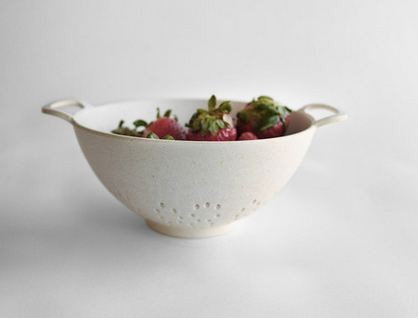
A small bamboo colander may not look like the superhero of the kitchen drawer, but give it one busy week and it quietly becomes the sidekick you reach for again and again. It rinses berries without bruising them, drains greens without turning them into a soggy forest, catches noodles without clanging like a marching band, and looks charming enough to leave on the counter. Not bad for a humble woven basket with holes.
Unlike large stainless steel colanders built for spaghetti night or plastic strainers designed for quick convenience, a small bamboo colander brings together function, warmth, and old-school kitchen beauty. It is lightweight, breathable, easy to handle, and especially useful for everyday prep tasks: washing herbs, draining tofu, serving fruit, cooling steamed vegetables, or displaying farmers market treasures before they disappear into dinner.
This guide explores what makes a small bamboo colander useful, how to choose one, how to care for it, where it shines, where it does not, and why this simple kitchen tool has earned a permanent place in many home kitchens.
What Is a Small Bamboo Colander?
A small bamboo colander is a handwoven or machine-assisted woven kitchen strainer made from strips of bamboo. It usually has a shallow bowl, basket, or tray shape with natural gaps in the weave that allow water to drain. Most small versions measure roughly 6 to 10 inches across, making them ideal for single servings, delicate produce, herbs, small vegetables, noodles, dumplings, and snack-size portions.
Traditional bamboo colanders are common in many Asian kitchens, where they are used for rinsing rice, draining noodles, cooling blanched vegetables, and serving foods at the table. Modern versions have become popular in American kitchens because they combine utility with a softer, more natural look than metal or plastic. In other words, they work hard and photograph well. That is the kitchen equivalent of having both a résumé and cheekbones.
Why Bamboo Works So Well for a Colander
It Is Lightweight but Surprisingly Strong
Bamboo is technically a grass, but it behaves more like a tough, flexible wood when shaped into kitchen tools. Thin bamboo strips can be woven tightly enough to create structure while still leaving space for drainage. This gives a small bamboo colander its best quality: it feels almost weightless in the hand but can still hold produce, noodles, greens, or dumplings without collapsing into a sad little basket pancake.
It Drains Without Smashing Delicate Foods
Metal mesh strainers and hard plastic colanders are useful, but they can be rough on fragile ingredients. A small bamboo colander is gentler. The woven surface supports berries, herbs, mushrooms, leafy greens, cherry tomatoes, and steamed dumplings without pressing hard edges into them. If you have ever watched raspberries disintegrate under too much sink pressure, you know this matters.
It Allows Airflow
The open weave lets water escape and air move around food. That makes bamboo colanders useful not only for rinsing but also for cooling and drying. Blanched green beans, steamed broccoli, noodles, and washed herbs can sit briefly in the basket while steam and surface moisture escape. The result is less sogginess and better texture.
It Looks Good Enough to Serve From
A small bamboo colander is one of the rare kitchen tools that can move from sink to table without looking like it accidentally wandered into dinner. Use it to serve clementines, grapes, cherry tomatoes, edamame, rolls, dumplings, or garden vegetables. It gives food a natural, casual presentation that feels intentional rather than “I ran out of bowls.”
Best Uses for a Small Bamboo Colander
Rinsing Berries
Small bamboo colanders are excellent for strawberries, blueberries, blackberries, and grapes. The shallow shape prevents fruit from piling too high, while the gentle woven base helps reduce bruising. Rinse with cool water, shake gently, and let the fruit sit for a few minutes so excess moisture can drain away.
Washing Herbs
Parsley, cilantro, basil, mint, dill, and scallions all benefit from gentle handling. A small bamboo colander gives herbs room to loosen dirt without being crushed. After rinsing, you can lay the herbs across the surface to drain before patting them dry.
Draining Noodles
For a small portion of soba, rice noodles, ramen, or udon, a bamboo colander is wonderfully practical. It drains quickly and helps noodles cool slightly without trapping too much steam. For very hot, heavy pasta or large family-size portions, use a sturdy metal colander instead.
Cooling Blanched Vegetables
Green beans, snap peas, spinach, bok choy, broccoli florets, and asparagus tips can be drained in a small bamboo colander after blanching. The open weave helps release steam, keeping vegetables brighter and less limp.
Serving Dumplings or Bao
Bamboo already has a long relationship with steamed foods. While a colander is not the same as a bamboo steamer, it makes a lovely serving basket for dumplings, buns, and spring rolls. Add parchment, banana leaf, lettuce leaves, or a clean cloth liner if the food is moist or oily.
Rinsing Rice in Small Amounts
A tightly woven bamboo colander can help rinse rice, though this depends on the size of the weave. If the gaps are large, grains may escape. For fine rice, quinoa, or small lentils, use a fine-mesh strainer. A bamboo colander works better for larger grains, noodles, produce, and vegetables.
Small Bamboo Colander vs. Metal, Plastic, and Silicone
Bamboo vs. Stainless Steel
Stainless steel colanders are durable, dishwasher-safe, and excellent for hot pasta or heavy vegetables. Bamboo wins on lightness, appearance, gentleness, and quietness. If you cook pasta for six people, grab steel. If you are rinsing herbs, fruit, mushrooms, or a lunch-size noodle portion, bamboo feels easier and more elegant.
Bamboo vs. Plastic
Plastic colanders are inexpensive and easy to clean, but they may stain, hold odors, or warp near heat depending on quality. Bamboo offers a natural look and avoids the plasticky feel many home cooks are trying to reduce. However, bamboo requires more careful drying and should not be tossed into the dishwasher.
Bamboo vs. Silicone
Collapsible silicone colanders are great for small kitchens because they save space. Bamboo is not collapsible, but it is more attractive for serving and often feels better for delicate ingredients. Silicone is practical; bamboo is practical with a little poetry in its apron pocket.
How to Choose the Best Small Bamboo Colander
Check the Weave
Look for an even, tight weave with no sharp splinters, loose strips, or wide gaps. A slightly open weave is good for drainage, but very large gaps limit usefulness. If you plan to rinse noodles, herbs, and small produce, tighter is better.
Look for a Smooth Rim
The rim should feel sturdy and comfortable. Many quality bamboo colanders have a reinforced edge that helps the basket keep its shape. Avoid pieces that feel flimsy, cracked, or unfinished around the rim.
Choose the Right Size
A 6-inch bamboo colander is perfect for berries, herbs, garlic, cherry tomatoes, or one serving of noodles. An 8-inch size is more versatile for vegetables, fruit, dumplings, and small salads. A 10-inch size still feels compact but can handle larger prep tasks. For most kitchens, an 8-inch small bamboo colander is the sweet spot.
Consider the Shape
Shallow tray-style bamboo colanders are excellent for cooling and displaying food. Deeper basket-style versions are better for rinsing and tossing ingredients under the faucet. If you want one for serving fruit on the counter, choose a flatter design. If you want one for sink work, choose a deeper bowl shape.
Avoid Heavy Coatings
Natural bamboo should feel clean, dry, and lightly finished, not sticky or heavily varnished. If a product is meant for food contact, it should be clearly described as food-safe. Avoid decorative baskets that are not intended for kitchen use, especially if they have unknown dyes, paints, or finishes.
How to Clean a Small Bamboo Colander
Bamboo kitchen tools need simple but consistent care. The most important rule is this: do not soak them. Bamboo can absorb moisture, and too much water exposure may lead to warping, cracking, discoloration, or mold. Treat it kindly and it will behave. Treat it like a dishwasher-safe plastic bowl and it may file a complaint.
Daily Cleaning Steps
After use, shake out crumbs or food bits. Rinse the colander with warm water and use a soft brush or sponge if needed. Add a small amount of mild dish soap for oily foods or sticky residue. Rinse well, then dry immediately with a clean towel. Place the colander upright or at an angle in a well-ventilated area so air can reach both sides.
What Not to Do
Do not put a bamboo colander in the dishwasher. Do not leave it soaking in the sink. Do not store it while damp. Do not use harsh bleach directly on the bamboo. Do not microwave it. Do not place it over direct flame. And please, do not use it as a hat unless dinner has gone very wrong.
Dealing With Odors
If the colander picks up a mild food smell, wipe it with a cloth dampened with diluted white vinegar, then rinse lightly and dry thoroughly. A little baking soda paste can help with stubborn odors, but scrub gently so you do not damage the fibers. Always let the colander dry completely before putting it away.
Is a Small Bamboo Colander Food-Safe?
A small bamboo colander made for kitchen use can be food-safe when properly manufactured, cleaned, and maintained. Bamboo is commonly used for cutting boards, steamers, utensils, trays, and serving pieces. The key is to buy from a reputable seller and confirm that the item is intended for food contact.
Food safety also depends on how you use it. Bamboo is porous, so it should be cleaned soon after use and dried completely. Avoid using the same bamboo colander for raw meat or seafood and then ready-to-eat foods. In fact, for raw proteins, a stainless steel or dishwasher-safe strainer is usually the better choice. Save your small bamboo colander for produce, cooked foods, noodles, herbs, dumplings, bread, and fruit.
Where a Small Bamboo Colander Shines in Everyday Cooking
Breakfast
Use it to rinse blueberries for yogurt, drain strawberries for pancakes, or hold washed grapes beside toast and coffee. A small bamboo colander on the breakfast table feels relaxed, warm, and just fancy enough to make cereal feel like it has been promoted.
Lunch
It is perfect for a single serving of soba noodles, rinsed lettuce leaves, cherry tomatoes, or cucumber slices. If you pack lunch at home, use the colander during prep, then let ingredients drain while you mix dressing or toast bread.
Dinner
Drain blanched bok choy, green beans, edamame, mushrooms, or dumplings. A small bamboo colander also works beautifully for taco toppings, washed herbs, sliced scallions, or roasted vegetables that need a rustic serving touch.
Snacks and Entertaining
For casual hosting, fill it with grapes, cherries, snap peas, crackers, wrapped candies, mini rolls, or citrus. Line it with parchment for dry snacks or a cloth napkin for bread. It gives the table texture without demanding attention like a centerpiece made of flowers, candles, and mild anxiety.
Small Bamboo Colander Styling Ideas
Because bamboo has a warm neutral tone, it pairs well with white dishes, stoneware, glass bowls, linen napkins, butcher block counters, open shelving, and modern farmhouse or Japanese-inspired kitchens. It also softens stainless steel-heavy spaces. Place one beside a ceramic bowl of fruit, hang it from a peg rail, or stack it with other natural kitchen tools.
For food photography or blog content, a bamboo colander adds texture. Washed herbs look fresher, strawberries look more inviting, and dumplings look like they were made by someone who definitely did not panic-Google “easy dipping sauce” five minutes before guests arrived.
Common Mistakes to Avoid
Using It for Everything
A small bamboo colander is versatile, but it is not a universal replacement for every strainer. Use metal or fine mesh for tiny grains, hot pasta in large quantities, deep-fried foods, or raw meat prep.
Putting It Away Damp
This is the big one. Bamboo needs airflow. If stored damp in a cabinet, it can develop musty smells or mold. Dry it well and let it finish air-drying before storage.
Buying Decorative Instead of Food-Safe
Some bamboo baskets are made for decor, not food. They may have dyes, finishes, or construction methods that are not intended for kitchen use. Always choose a food-safe bamboo colander from a reliable kitchenware source.
Expecting Dishwasher Convenience
Bamboo rewards gentle care. If you want a tool you can throw into the dishwasher every night, stainless steel or silicone is a better fit. If you enjoy simple handwashing and a natural look, bamboo is worth the extra minute.
Buying Checklist for a Small Bamboo Colander
Before buying, check the size, weave tightness, rim strength, food-safe labeling, shape, and care instructions. The best small bamboo colander should feel light but not fragile, smooth but not glossy with mystery coating, and open enough to drain while tight enough to hold the foods you actually cook.
For most home cooks, the ideal choice is an 8-inch woven bamboo colander with a reinforced rim and medium-tight weave. It is small enough to store easily but large enough for berries, herbs, vegetables, noodles, and table service.
Personal Experience: Living With a Small Bamboo Colander
The first time I used a small bamboo colander, I did not expect much. It looked charming, yes, but I assumed it would be one of those kitchen items that mostly exists to make countertops look like a lifestyle magazine. Then berry season arrived, and suddenly the little basket had a full-time job. Blueberries went in, water ran through, and the fruit came out clean without being battered. It was a quiet victory, but kitchens are built on quiet victories.
The biggest surprise was how often the small size became an advantage. A large colander is great when draining a mountain of pasta, but it feels ridiculous when all you need is a handful of cilantro or a cup of cherry tomatoes. The bamboo colander sat comfortably in one hand, fit easily under the faucet, and did not take over the sink. It made small tasks feel less clumsy.
It also changed the way I served simple foods. Washed grapes looked better in bamboo than in a plastic bowl. Steamed edamame felt more inviting. Dumplings placed on a parchment-lined bamboo colander looked like they came from a cozy restaurant instead of a freezer bag with heroic ambitions. Even bread rolls at dinner seemed warmer and more intentional when tucked into a napkin inside the basket.
The care routine became second nature. Rinse, brush gently if needed, towel dry, and leave it upright to finish drying. That is it. The only time bamboo becomes fussy is when it is neglected. Leave it wet, trap it in a dark cabinet, or soak it like a soup pot, and it will not be happy. But treat it with the same basic respect as a wooden spoon or cutting board, and it holds up well.
One practical lesson: the weave matters. A very open bamboo colander looks beautiful but is less useful for small ingredients. A tighter weave is better for herbs, noodles, and smaller produce. Another lesson: keep a stainless steel colander too. Bamboo is not here to replace every tool in the kitchen. It is here to do the gentle, small, everyday jobs beautifully.
Over time, the bamboo developed a slightly deeper color, which made it look even better. Natural materials age in a way plastic rarely does. Instead of looking worn out, the colander began to look used, familiar, and trusted. That is part of the appeal. A small bamboo colander is not just a strainer. It is a little reminder that useful things can also be beautiful, and that not every kitchen tool needs a button, battery, app, or 47-page instruction manual.
If you cook often, shop farmers markets, rinse herbs daily, eat fruit at the counter, or simply enjoy tools that make ordinary routines feel nicer, a small bamboo colander earns its space. It is affordable, attractive, practical, and pleasantly low-tech. In a world where refrigerators can send notifications, there is something refreshing about a basket that simply drains water and looks good doing it.
Conclusion
A small bamboo colander is one of those kitchen tools that proves simplicity still has a place in modern cooking. It rinses delicate produce, drains small portions, cools vegetables, serves snacks, and adds natural texture to the kitchen. It is not the best choice for every draining job, and it does require handwashing and thorough drying. But for everyday prep and casual serving, it brings together beauty and usefulness in a way few tools do.
Choose a well-made, food-safe bamboo colander with a smooth rim and even weave. Use it for berries, herbs, noodles, vegetables, dumplings, and fruit. Keep it dry, store it with airflow, and avoid the dishwasher. Do that, and this modest little basket may become one of the most reached-for tools in your kitchennot because it shouts for attention, but because it quietly makes cooking feel better.
Note: This article is written for clean web publishing and synthesizes real kitchenware, bamboo-care, food-safety, cooking, and sustainability information without source-reference markup.