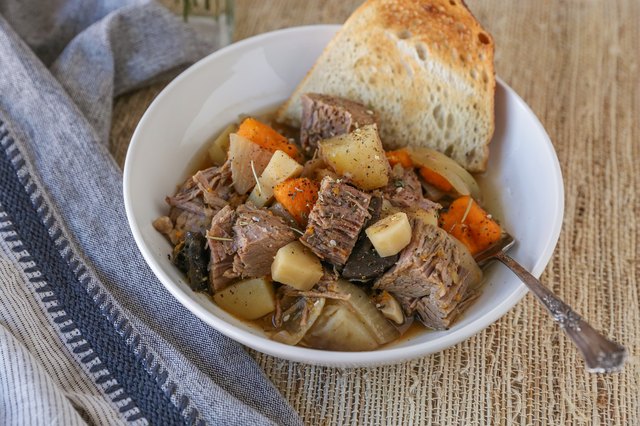
There are dinners that require three pans, seventeen utensils, and the emotional resilience of a restaurant line cook. Then there is slow cooker pot roast with veggies: a hearty, comforting meal that quietly cooks itself while you handle the rest of your day.
This recipe combines a well-marbled chuck roast with potatoes, carrots, celery, onions, garlic, herbs, and a deeply savory cooking liquid. After several hours on low heat, the beef becomes fork-tender, the vegetables soak up the flavorful juices, and the broth transforms into a rich gravy. It is essentially Sunday dinner without the Sunday-afternoon kitchen captivity.
Why This Slow Cooker Pot Roast Recipe Works
Pot roast is not a specific cut of beef. It is a method of slowly braising a large, relatively tough cut in a covered pot with liquid. The slow cooker happens to be exceptionally good at this job because it maintains gentle, moist heat for hours.
Chuck roast is the best choice for this recipe because it contains marbling and connective tissue. During the long cooking process, that connective tissue gradually softens, helping the meat become juicy and tender instead of dry and stubborn. A lean roast may look tidy in the package, but chuck roast usually delivers the richer texture people expect from classic pot roast.
The vegetables are cut into large pieces so they can survive the long cooking time. Tiny carrot coins and miniature potato cubes would turn into vegetable confetti before the beef became tender. Large chunks hold their shape while still absorbing the beefy broth.
What Makes the Gravy So Flavorful?
Beef broth provides the savory base, while tomato paste adds body and concentrated flavor. Worcestershire sauce contributes saltiness, tang, and umami. Dijon mustard adds a little acidity without making the dish taste like mustard, and thyme, rosemary, garlic, and bay leaves provide the familiar aroma of an old-fashioned roast.
Searing the beef is optional, but it creates browned flavors that the slow cooker cannot fully reproduce. Those caramelized edges and browned bits make the finished sauce taste deeper and more complex. Skipping the sear will still produce tender meat, but spending ten extra minutes at the stove gives the roast a noticeable flavor upgrade.
Slow Cooker Pot Roast with Veggies Recipe
Recipe Overview
- Prep time: 25 minutes
- Cooking time: 8 to 9 hours on low or approximately 5 to 6 hours on high
- Resting time: 15 minutes
- Total time: Approximately 8 hours 40 minutes
- Yield: 6 to 8 servings
- Recommended slow cooker: 6-quart capacity
Ingredients
- 1 boneless beef chuck roast, approximately 3 1/2 to 4 pounds
- 2 teaspoons kosher salt, plus more to taste
- 1 teaspoon freshly ground black pepper
- 1 teaspoon garlic powder
- 2 tablespoons neutral cooking oil, such as avocado or vegetable oil
- 1 1/2 pounds baby Yukon Gold or red potatoes, halved if large
- 4 large carrots, peeled and cut into 2-inch pieces
- 2 celery stalks, cut into 2-inch pieces
- 1 large yellow onion, cut into thick wedges
- 4 garlic cloves, minced
- 2 cups low-sodium beef broth
- 2 tablespoons tomato paste
- 1 tablespoon Worcestershire sauce
- 1 teaspoon Dijon mustard
- 1 teaspoon dried thyme or 4 fresh thyme sprigs
- 1/2 teaspoon dried rosemary or 1 small fresh rosemary sprig
- 2 bay leaves
- 2 tablespoons cornstarch
- 2 tablespoons cold water
- 2 tablespoons chopped fresh parsley, optional
Step 1: Prepare the Beef
Pat the chuck roast dry with paper towels. A dry surface browns more effectively than a damp one. Season every side with the kosher salt, black pepper, and garlic powder.
Heat the oil in a large skillet over medium-high heat. When the oil is shimmering, add the roast. Sear it for 3 to 4 minutes per side, including the narrower edges, until a deep brown crust develops. Transfer the browned roast to a plate.
Step 2: Build the Vegetable Base
Place the potatoes, carrots, celery, onion, and minced garlic in the bottom of the slow cooker. Spread them into an even layer. Slow-cooker vegetables generally benefit from sitting closer to the heating surface and beneath the meat, especially dense vegetables such as potatoes and carrots.
Set the seared chuck roast on top of the vegetables. Any juices that have collected on the plate should go into the slow cooker too. Those juices are flavor, not kitchen clutter.
Step 3: Mix the Braising Liquid
In a medium bowl, whisk together the beef broth, tomato paste, Worcestershire sauce, and Dijon mustard until the tomato paste is mostly dissolved. Stir in the thyme and rosemary.
Pour the mixture around the roast. It does not need to cover the beef completely. The meat and vegetables will release additional moisture as they cook. Add the bay leaves, making a mental note of where they landed so nobody receives a leafy surprise at dinner.
Step 4: Cook Low and Slow
Cover the slow cooker and cook on low for 8 to 9 hours. For the best texture, avoid repeatedly lifting the lid. Each curious peek releases heat and steam, which can extend the cooking time.
The roast is ready when a fork slides into the thickest area easily and the meat separates with gentle pressure. Although whole beef roasts have a safe minimum temperature of 145°F followed by a three-minute rest, pot roast must cook well beyond basic safety doneness to achieve its characteristic fork-tender texture. Use both a thermometer and a fork to evaluate the result.
The high setting can be used when necessary. Cook for approximately 5 to 6 hours, checking for tenderness near the end. Low heat is generally more forgiving and gives the collagen additional time to soften gradually.
Step 5: Rest the Roast
Transfer the cooked roast to a cutting board or serving platter. Tent it loosely with aluminum foil and let it rest for about 15 minutes. Use a slotted spoon to move the vegetables to a serving dish, and discard the bay leaves and any woody herb stems.
Resting makes the meat easier to slice and gives you time to finish the gravy without frantically waving a whisk while hungry family members circle the kitchen.
Step 6: Make the Gravy
Skim excess fat from the surface of the cooking liquid. For a smoother result, strain the liquid into a saucepan. For a rustic gravy, leave the softened onion and garlic in place.
Combine the cornstarch and cold water in a small bowl, stirring until completely smooth. Whisk the slurry into approximately 2 cups of hot cooking liquid. Simmer on the stovetop for 3 to 5 minutes, or return the liquid to the slow cooker and cook on high until thickened.
Taste before adding more salt. The broth and Worcestershire sauce may already provide enough seasoning. Add black pepper or a small splash of Worcestershire sauce as needed.
Step 7: Slice and Serve
Examine the roast to identify the direction of the muscle fibers. Slice against the grain for the most tender bite, or pull the beef into large pieces with two forks. Arrange the meat beside the vegetables, spoon gravy over everything, and finish with fresh parsley.
Tips for the Best Slow Cooker Pot Roast
Use Thawed Beef
Do not place a frozen solid roast directly into the slow cooker. Slow cookers heat gradually, so frozen meat can remain too long at temperatures that encourage bacterial growth. Thaw the roast safely in the refrigerator before cooking.
Choose the Right Size Slow Cooker
A 6-quart cooker comfortably holds a 3 1/2- to 4-pound roast and its vegetables. The appliance should generally be between half and two-thirds full. Overpacking it can interfere with proper heating, while using an oversized cooker for a very small quantity may cause the food to cook too quickly.
Keep the Vegetables Large
Cut carrots and celery into pieces approximately 2 inches long. Leave small potatoes whole and halve only the larger ones. Russet potatoes can be used, but waxier Yukon Gold or red potatoes tend to maintain their shape more reliably.
Do Not Add Too Much Liquid
The slow cooker traps steam, and the roast, onions, and vegetables all release moisture. Two cups of broth is plenty for this recipe. Completely submerging the beef can dilute the gravy and make the final dish taste more like soup.
Season in Layers
Season the beef before searing, flavor the braising liquid, and taste the gravy before serving. This creates a more balanced result than adding a dramatic blizzard of salt at the end.
Easy Variations
Red Wine Pot Roast
Replace 3/4 cup of the beef broth with a dry red wine such as Cabernet Sauvignon or Merlot. After searing the roast, pour the wine into the hot skillet and scrape up the browned bits before adding the mixture to the slow cooker.
Mushroom Pot Roast
Add 8 ounces of halved cremini mushrooms during the final 2 to 3 hours of cooking. Adding them later helps preserve some texture rather than turning them into tiny brown surrender flags.
Root Vegetable Pot Roast
Replace some of the potatoes or carrots with parsnips, rutabaga, or turnips. Cut all root vegetables into similarly sized pieces so they finish cooking at approximately the same time.
Lower-Sodium Version
Use unsalted beef broth and reduce the Worcestershire sauce slightly. Season the gravy only after the roast is cooked, when you can accurately judge the final concentration of flavor.
What to Serve with Pot Roast
This slow cooker pot roast with vegetables is already a complete meal, but a few simple sides can make it feel especially generous. Crusty bread, soft dinner rolls, or buttermilk biscuits are ideal for capturing extra gravy. A crisp green salad or steamed green beans provide freshness and contrast to the rich beef.
For a larger gathering, serve the roast with mashed potatoes even though potatoes are already in the slow cooker. Nobody has ever filed a formal complaint about receiving two kinds of potatoes at a comfort-food dinner.
Storage, Reheating, and Leftover Ideas
Refrigerate leftover beef, vegetables, and gravy within two hours of cooking. Store them in shallow airtight containers for up to four days. Keeping the meat covered with gravy helps prevent it from drying out.
Reheat portions in a covered saucepan over medium-low heat, adding a splash of broth if necessary. The microwave also works well when the food is covered and stirred or turned during reheating.
For longer storage, freeze the beef with some gravy for up to three months. Potatoes can become slightly grainy after freezing, so freeze them separately or use freshly cooked potatoes when serving the thawed roast.
Turn leftovers into hot beef sandwiches, shredded beef tacos, vegetable-beef soup, shepherd’s pie, or a breakfast hash with crisp potatoes and fried eggs. The second-day sandwich may not look elegant, but it understands your needs.
Common Pot Roast Problems and Solutions
Why Is My Pot Roast Tough?
A tough pot roast usually needs more time, not less. If the meat is fully cooked but resists the fork, cover the slow cooker and continue cooking for another 30 to 60 minutes. Chuck roast becomes tender only after its connective tissue has had sufficient time to soften.
Why Are My Vegetables Mushy?
The pieces may have been cut too small, or the cooker may run hotter than average. Use larger vegetable chunks next time. You can also add softer vegetables, such as mushrooms or zucchini, during the final hour or two.
Why Is the Gravy Greasy?
Chuck roast contains fat, and some of it will melt into the cooking liquid. Let the liquid sit briefly, then spoon off the fat from the surface. A fat separator is especially convenient when making a large batch of gravy.
Why Is the Gravy Thin?
Slow cookers retain moisture rather than allowing it to evaporate. Thicken the liquid with a cornstarch slurry or simmer it uncovered in a saucepan until it reaches the desired consistency.
The Real-Life Experience of Making Slow Cooker Pot Roast
The experience begins with a surprisingly modest amount of morning effort. You cut the vegetables, season the roast, and briefly debate whether searing is worth dirtying a skillet. It is. The moment the beef hits the hot pan, the kitchen smells like dinner even though breakfast dishes may still be sitting nearby.
Once the ingredients are arranged in the slow cooker, the recipe becomes almost suspiciously easy. There is no sauce that needs constant stirring and no oven timer demanding immediate attention. The cooker sits quietly on the counter doing the culinary equivalent of a long group project while taking none of the credit.
During the first few hours, not much seems to happen. The potatoes remain firm, the roast looks serious, and the broth appears rather ordinary. Then the aroma begins traveling through the house. By midafternoon, it smells as though someone has been carefully cooking for hourswhich is technically true, although that someone is an appliance.
The hardest part is resisting the temptation to lift the lid. A glass lid makes this easier because you can inspect dinner without releasing the trapped heat. The roast gradually darkens, the onions soften into the broth, and the carrots take on a deeper color. The liquid becomes richer as the beef releases juices and the aromatics mingle.
The most satisfying moment comes near the end, when a fork finally slides into the meat without resistance. Earlier, the roast may have seemed cooked but still felt firm. After another hour, the texture changes dramatically. The fork twists, the meat separates, and the cook suddenly feels like a person who has everything under control.
Transferring the roast can be a small adventure because truly tender beef does not always respect structural engineering. Use a large spatula or two sturdy utensils to support it. If a piece falls back into the cooker, nobody needs to know. That section can become the cook’s quality-control sample.
The vegetables tell their own story. Carrots become sweet and deeply savory. Potatoes absorb the broth while retaining enough structure to stay on the plate. Onion wedges largely dissolve into the cooking liquid, helping create a sauce that tastes more complicated than its ingredient list suggests.
Making the gravy is where the meal shifts from comforting to memorable. The plain-looking cooking liquid thickens into a glossy sauce that clings to the beef and vegetables. A final taste often reveals that only a little pepper or salt is needed because hours of slow cooking have already concentrated the flavors.
At the table, pot roast tends to create a temporary silence. People focus on the tender beef, soft vegetables, and gravy before remembering they were in the middle of a conversation. The meal feels traditional without being fussy and generous without requiring expensive ingredients.
The experience continues the next day. Chilled pot roast is easy to shred, and the flavors often seem even more developed after resting overnight. Leftovers can become sandwiches, tacos, soup, or another plate of the original dinner. That practicality is part of the recipe’s appeal: one morning of preparation can solve several meals and make the refrigerator feel unusually competent.
Conclusion
A great slow cooker pot roast with veggies is built on simple decisions: choose a marbled chuck roast, cut the vegetables generously, use a flavorful but restrained amount of liquid, and give the meal enough time to become tender. Searing adds depth, low heat provides the best texture, and a quick cornstarch gravy brings everything together.
The result is a complete one-pot dinner with tender beef, hearty vegetables, and enough savory gravy to justify putting bread on the table. It is reliable enough for a weeknight, comforting enough for Sunday dinner, and impressive enough for guestsas long as you do not tell them the slow cooker performed most of the labor.