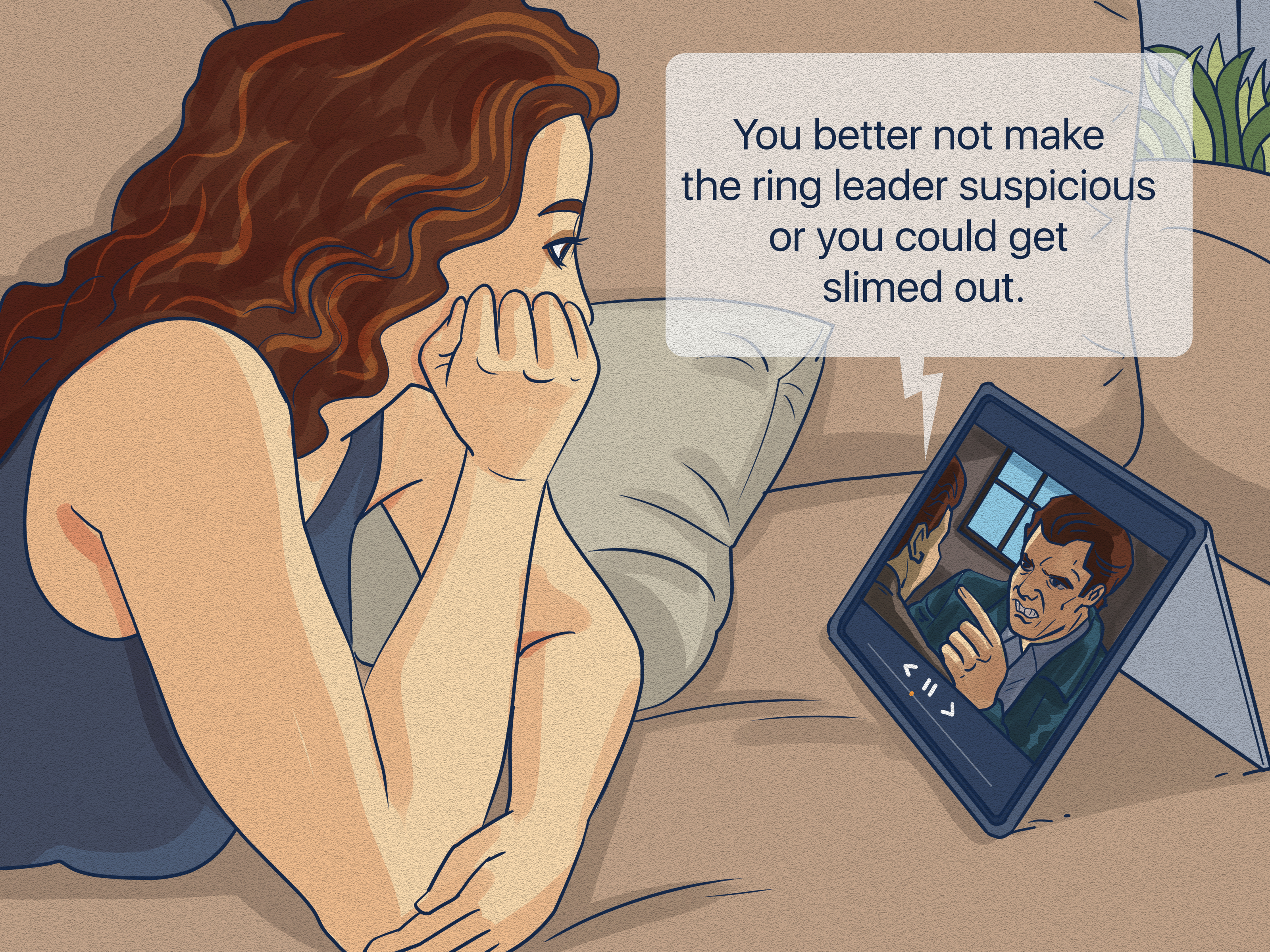
You hear someone say, “They really slimed me out,” and suddenly your brain produces an image involving green goo, a Nickelodeon stage, and an industrial-size laundry problem. Understandablebut in modern slang, the phrase usually has nothing to do with actual slime.
“Slime you out” generally means to use, betray, manipulate, disrespect, or otherwise treat someone badly for personal benefit. Its exact meaning depends on the speaker, the relationship, and the surrounding conversation. In romantic situations, it often describes leading someone on, taking advantage of their feelings, and then abandoning them. In friendship or business situations, it may simply mean doing someone dirty.
The phrase gained widespread attention after Drake and SZA released their 2023 collaboration “Slime You Out.” However, the slang did not magically hatch inside a recording studio that year. It developed from older meanings of slime in American slang and hip-hop culture, where the word can be either affectionate or insulting. Yes, one word can mean “trusted friend” and “dishonest creep.” English enjoys keeping everyone nervous.
What Does “Slime You Out” Mean?
In everyday modern slang, to slime someone out is to mistreat that person in a sneaky, selfish, or emotionally careless way. The offender may pretend to care, gain something from the relationship, and disappear once the person is no longer useful.
Simple definition
To slime someone out means to betray, exploit, deceive, embarrass, or disrespect them.
Common interpretations include:
- Using someone for attention, money, status, favors, or physical affection
- Pretending to want a serious relationship while planning to leave
- Breaking a promise or violating someone’s trust
- Acting disloyally toward a friend or partner
- Treating someone poorly as revenge for an earlier mistake
- Discarding a person after getting what you wanted
The expression is intentionally broad. It usually suggests more than an ordinary disagreement. If your friend forgets to bring napkins to lunch, that is annoying. If your friend borrows your car, uses your gas, ignores your calls, and returns it with a mysterious dent, you may reasonably announce that you have been slimed out.
What Does It Mean in a Relationship?
In dating conversations, “slime you out” often means taking advantage of someone emotionally and then leaving or refusing to commit. One person may offer affection, promises, gifts, or constant communication without having sincere intentions.
For example, imagine that someone reconnects with an ex and acts as though the relationship is being repaired. The ex becomes emotionally invested again. Meanwhile, the other person only wants attention, companionship, or a temporary ego boost. Once satisfied, that person disappears. In slang terms, the ex was slimed out.
The phrase can also describe retaliatory behavior. Someone who feels hurt may decide to become emotionally distant, play games, or use the other person before walking away. That does not make the behavior healthy or mature. It merely gives the emotional mess a catchy label.
Example in a romantic conversation
Person A: “I thought they wanted to get back together, but they stopped calling as soon as I helped them move.”
Person B: “They slimed you out. They wanted free labor, not a relationship.”
Here, the phrase combines deception, exploitation, and rejection. The victim was not merely dumped; they were encouraged to believe something that benefited the other person.
Where Did the Slang Term Come From?
The exact origin of slime as hip-hop slang is difficult to identify. Slang rarely arrives with a birth certificate, a timestamp, and three witnesses. Words move through neighborhoods, friendships, songs, and regional scenes long before dictionaries or mainstream publications notice them.
In traditional American slang, slime can refer to a dishonest, unpleasant, or contemptible person. Calling someone “slime” places them in the same unpleasant neighborhood as words such as creep, sleazeball, or slimeball. The image is simple: slippery substances feel unclean and difficult to hold, so the metaphor naturally fits someone untrustworthy.
Hip-hop culture added another important meaning. In some rap communities, slime became an affectionate term for a close friend, trusted associate, or loyal member of one’s circle. New York rapper Vado used the term prominently, and Atlanta artist Young Thug helped make “slime” language much more visible during the 2010s through his music, branding, and Slime Season projects.
As a result, the meaning depends heavily on grammar:
- “That’s my slime” may mean, “That is my close friend.”
- “That person is slime” may mean, “That person is dishonest or unpleasant.”
- “They slimed me out” usually means, “They betrayed, used, or mistreated me.”
Context is doing most of the heavy lifting. Without it, the word is basically wearing three name tags at once.
How Drake and SZA Popularized the Phrase
Drake and SZA released “Slime You Out” on September 15, 2023, ahead of Drake’s album For All the Dogs. The song marked their first official collaboration and quickly reached a large mainstream audience, eventually debuting at No. 1 on the Billboard Hot 100.
The song presents a bitter conversation between two people carrying resentment from unsuccessful relationships. Rather than telling one clean love story, the performers trade complaints, accusations, and descriptions of emotional dysfunction. Each side feels used, misunderstood, or disrespected, while also acknowledging behavior that contributes to the conflict.
Within that context, “slime you out” means treating a romantic partner badly, especially by using that person, controlling the relationship, or responding to disappointment with calculated disrespect. It communicates emotional revenge more than innocent rejection.
The title also contains a visual joke. Promotional imagery referenced the famous green slime associated with Nickelodeon’s Kids’ Choice Awards. A photograph of Halle Berry covered in green slime at the 2012 ceremony was used in social media promotion for the single. Berry later said that she had declined permission when asked and was disappointed that the image was used anyway.
That controversy unintentionally reflected one of the phrase’s central ideas: ignoring someone’s wishes and doing what benefits you anyway. Sometimes the marketing department provides an accidental vocabulary lesson.
Does “Slime” Always Have a Negative Meaning?
No. This is where the phrase becomes confusing for people unfamiliar with hip-hop slang.
When used as a noun in expressions such as “my slime,” the word can be friendly. It may refer to a loyal companion, close associate, or trusted member of a group. The emotional tone can resemble bro, bestie, day one, or homie.
When used as a verb against someone, however, it is usually negative. “I slimed him out” implies an action done at another person’s expense. Depending on the setting, it may refer to betrayal, humiliation, exploitation, retaliation, or serious harm. The romantic meaning popularized by the Drake and SZA song is only one version.
Positive example
“I’m going to the game with my slime.”
Meaning: “I’m going with my close friend.”
Negative example
“He promised to include her in the project, took all her ideas, and then slimed her out.”
Meaning: He used her contribution and betrayed her trust.
Romantic example
“She knew he wanted something serious, but she kept him around for favors and eventually slimed him out.”
Meaning: She exploited his feelings and left once the arrangement was no longer useful.
“Slime You Out” Versus Similar Slang Expressions
Several phrases communicate similar ideas, but they are not perfectly interchangeable.
Do someone dirty
To “do someone dirty” means to treat that person unfairly or betray them. This is probably the closest general substitute for “slime someone out.”
Play someone
To “play someone” usually involves deception, especially in dating. A person may pretend to be committed while seeing other people or pursuing a hidden goal.
Use someone
This expression is more direct and less stylized. It means maintaining contact primarily to gain money, attention, access, assistance, or another benefit.
Lead someone on
Leading someone on means encouraging romantic hope without genuinely intending to pursue the relationship. Someone can lead another person on without gaining a material benefit, while sliming them out often suggests a more selfish payoff.
Snake someone
To “snake” someone is to behave treacherously, often behind their back. It commonly applies to friends, colleagues, or members of the same group.
Ghost someone
Ghosting means suddenly ending communication without an explanation. Ghosting can be one part of sliming someone out, but not every unexplained disappearance involves deliberate exploitation.
How to Use the Phrase Correctly
The expression works best in casual conversations about relationships, friendship drama, music, social media, or pop culture. It is not appropriate for formal reports, school essays, professional emails, or serious accusations requiring precise language.
You might say:
- “They only invited him because they needed a ride. They slimed him out.”
- “She supported that company for years, and then management slimed her out of the promotion.”
- “He acted interested until she bought the concert tickets, then he completely slimed her out.”
- “I’m not letting that group slime me out twice.”
You probably should not say:
- “Dear Professor, I believe my final grade has slimed me out.”
- “According to the quarterly report, the supply chain was slimed.”
- “Grandma, the dentist really slimed your molar.”
Technically, people might understand you. Socially, the room may become quiet enough to hear the refrigerator thinking.
Can the Phrase Be Offensive?
The phrase is not automatically a slur or profanity, but it comes from hip-hop and street-slang traditions and can carry meanings that outsiders may misunderstand. Using it casually without knowing the context may sound forced, mocking, or culturally disconnected.
It can also make a serious accusation. Saying that someone “slimed you out” suggests dishonesty or betrayal. Before applying the label to a real person, consider whether you are describing deliberate exploitation or simply an uncomfortable misunderstanding.
Online language tends to reward dramatic wording. Real relationships usually benefit from greater precision. “They slimed me out” may be entertaining in a group chat, but “They promised to repay me and then blocked my number” is much more useful when explaining what actually happened.
Experiences That Show How “Slime You Out” Works in Real Life
Most people encounter the phrase through music or social media before hearing it in an ordinary conversation. That creates a familiar first experience: someone listens to the Drake and SZA song, sees the green artwork, and assumes the title is a playful reference to being covered in goo. Only after reading comments or hearing friends discuss it does the emotional meaning become clear.
The second common experience occurs in group chats. Suppose a college student offers to help a classmate complete a presentation. The classmate accepts the research, removes the helper’s name, and presents the work alone. A friend may respond, “Wow, they slimed you out.” The expression efficiently captures the combination of theft, disloyalty, and embarrassment. It is stronger than saying the classmate was merely rude.
Dating stories provide another natural setting. Imagine someone who texts every morning, makes ambitious plans, and repeatedly talks about a future relationship. The moment they receive emotional support during a difficult month, they become distant and announce that they were never looking for anything serious. Friends might describe that experience as being slimed out because the person accepted relationship-level care while avoiding relationship-level responsibility.
Workplace situations can produce the same feeling, even when the phrase itself stays outside the office. An employee trains a new coworker, shares a successful strategy, and expects to receive credit. The coworker presents the strategy to management as an original idea and earns recognition. At lunch, the employee may tell a friend, “I got slimed out at work.” In the official complaint, however, the employee should probably use phrases such as “misappropriated my work” or “failed to provide attribution.” Human resources departments are not famous for their appreciation of lyrical slang.
People also discover that tone changes everything. When close friends jokingly accuse one another of sliming them out over the last slice of pizza, the phrase is exaggerated for comedy. No lifelong trust has been destroyed; someone was simply faster near the box. In a serious relationship conversation, the same words may express deep anger and disappointment.
Another revealing experience involves generational confusion. A younger speaker may call a close friend “my slime,” while an older listener hears an insult because standard dictionaries associate slime with disgusting substances or terrible people. Both interpretations can be reasonable. The grammar and social setting determine which meaning is active.
These experiences demonstrate an important rule of slang: never translate a phrase by examining only one word. “My slime,” “that person is slime,” and “they slimed me out” may communicate affection, contempt, and betrayal respectively. The surrounding sentence supplies the map.
A practical approach is to replace the slang with a plain-English phrase and see whether the conversation still makes sense. Try “used me,” “betrayed me,” “treated me unfairly,” or “took advantage of me.” When one of those substitutions fits, you have probably understood the speaker correctly. When none of them fits, additional context is needed before you start assigning everyone a role in a slime-based crime drama.
Frequently Asked Questions
Does “slime you out” mean cheating?
It can include cheating, but cheating is not required. The phrase covers many forms of betrayal, manipulation, and exploitation.
Does it mean ending a relationship?
Not by itself. A respectful breakup is not necessarily sliming someone out. The slang usually implies that the person behaved deceptively, selfishly, or disrespectfully before leaving.
Can a friend slime you out?
Yes. A friend might slime you out by revealing private information, taking credit for your work, using you for favors, or abandoning an agreement when it becomes inconvenient.
Is “slime” another word for best friend?
In some hip-hop slang, yes. “My slime” can be an affectionate term for a close and trusted friend. That meaning is different from the verb phrase “slime someone out.”
Did Drake invent the phrase?
No. The word slime and related expressions had circulated in rap and regional slang before the 2023 song. The collaboration with SZA introduced the phrase to a much larger mainstream audience.
What is the best plain-English translation?
The safest translation is: “to use, betray, or treat someone badly for selfish reasons.”
Conclusion
“Slime you out” is a flexible slang expression for betraying, using, deceiving, or disrespecting someone. In romantic conversations, it often means gaining affection, support, or attention from a person without sincere intentions and then leaving that person hurt.
The phrase became widely recognized through Drake and SZA’s 2023 song, but its roots extend further into American slang and hip-hop culture. The word slime can describe an unpleasant person, serve as an affectionate name for a trusted friend, or become a verb for doing someone dirty. That variety explains why context matters so much.
When you hear the expression, look at who is speaking, what happened, and whether the tone is humorous or serious. The speaker may be describing emotional manipulation, disloyal friendship, workplace betrayal, or one shameless individual stealing the final mozzarella stick. The consequences vary, but the underlying message remains: somebody was treated unfairly, and the situation feels distinctly slimy.