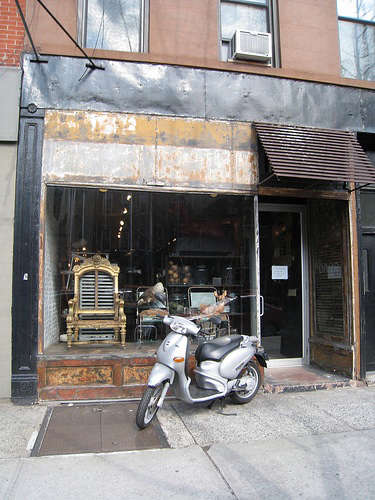
Some shops are stores. Others are little theatrical productions with price tags. Darr in Brooklyn belonged firmly to the second category. Tucked into Atlantic Avenue’s design-rich landscape, Darr was the kind of vintage furnishings shop that made shoppers slow down, squint, circle back, and ask, “Wait, is that beautiful, strange, useful, haunted, or all four?” The answer was usually yes.
This shopper’s diary looks back at Darr not merely as a place to buy furniture, but as a Brooklyn retail experience: part antique hunt, part cabinet of curiosities, part interior design masterclass, and part deliciously odd afternoon field trip. For anyone searching for “Darr Brooklyn,” “Atlantic Avenue vintage furniture,” “Brooklyn antique shops,” or “curated home decor in Boerum Hill,” Darr remains a fascinating example of how a shop can become a mood, a memory, and a design reference long after the door closes.
What Was Darr in Brooklyn?
Darr was a vintage furnishings and found-objects shop located at 369 Atlantic Avenue in Brooklyn. Its name means “home” in Arabic, which is fitting, though this was not the kind of home where someone politely offers you a beige sectional and a scented candle called “Sunday Laundry.” Darr’s version of home had character. It had antique European glassware, white porcelain, taxidermy, unusual tools, framed drawings, mirrors, housewares, industrial carts, and objects that looked as if they had escaped from a stylish professor’s attic.
The shop was co-owned by Hicham Benmira and Brian Cousins, whose backgrounds helped explain the store’s unusual rhythm. Benmira brought an interior designer’s eye and a worldly sense of composition; Cousins brought a visual editor’s instinct for atmosphere, sequence, and surprise. Together, they created a store where inventory was not just displayedit was staged.
At Darr, a shopper did not simply browse. A shopper entered a scene. The dark, Gothic-inspired interior gave pale porcelain, cloudy glass, worn wood, and curious specimens extra drama. It was a place where a humble cutting board, an antique knife, a crustacean in glass, or a weathered table could suddenly seem like the missing piece in your apartment’s emotional biography.
Why Darr Felt Different From a Regular Antique Store
Many antique shops are arranged like polite history lessons: mahogany here, silver there, please do not touch the very expensive chair. Darr was more intuitive. It mixed rustic and refined, old and almost-new, industrial and romantic. The appeal was not about strict period accuracy. It was about the jolt that happens when objects from different worlds begin speaking the same visual language.
That is what made Darr such a memorable Brooklyn shopping destination. A customer might walk in looking for a side table and leave thinking about wall texture, candlelight, cabinet hardware, shadow, scent, and whether their living room could support one dramatic object without becoming a pirate museum. Darr’s magic was in making the unusual feel livable.
The Darr Aesthetic: Dark, Curious, and Surprisingly Elegant
The store’s signature look was often described as eclectic, but “eclectic” can be a lazy word. In Darr’s case, the eclecticism was controlled. The shop was not random. It was edited. A piece might be peculiar, but it had to earn its place. Taxidermy, glassware, porcelain, framed art, mirrors, tools, and furniture were placed together with an eye for contrast and balance.
The result was a room that felt moody without being gloomy, antique without being dusty, and theatrical without tipping into theme-restaurant territory. Darr understood a design secret that many shoppers learn the hard way: a room does not need more stuff. It needs better tension. Smooth porcelain beside rough wood. A delicate glass beside a metal tool. A strange object beside something practical. That is where personality lives.
Darr and Atlantic Avenue’s Shopping Culture
To understand Darr, you have to understand Atlantic Avenue. The Boerum Hill and Brooklyn Heights stretch of Atlantic Avenue has long been one of Brooklyn’s most compelling shopping corridors, especially for independent design stores, antiques, home goods, fashion, flowers, jewelry, and cafés. It is the kind of street where “I’m just going to browse” can become a three-hour expedition and a tote bag full of ceramics.
Historically, the area between Bond and Hoyt Streets became known for antiques during Brooklyn’s brownstone revival, when homeowners needed furnishings with age, scale, and soul. Over time, the avenue evolved from a more traditional antiques row into a broader design destination. Today, the area is known for a mix of home boutiques, artisan tableware, vintage shops, modern furniture, independent fashion, and neighborhood cafés.
Darr fit beautifully into that ecosystem. It honored the old antique-shop spirit of Atlantic Avenue while pushing it toward something more atmospheric and editorial. It was less “grandmother’s formal parlor” and more “well-traveled collector with excellent lighting and a secret drawer full of mysteries.”
What You Might Have Found Inside Darr
Inventory at a shop like Darr was never meant to be predictable. That was the point. Still, certain categories defined its character and made it a favorite for shoppers who liked homes with history.
Vintage Furniture With Personality
Darr offered furniture that felt discovered rather than manufactured. Tables, stools, cabinets, carts, and storage pieces often carried the marks of previous use. These were not bland showroom items waiting for someone to assemble them with an Allen wrench and a prayer. They had patina, weight, and attitude.
A worn table could become a dining surface, a work desk, or a sculptural anchor in a room. Industrial carts could function as coffee tables. A mirror with an aged frame could make a narrow Brooklyn hallway feel more layered and alive. Darr made shoppers see function and story at the same time.
Antique Glassware and White Porcelain
Among Darr’s more graceful offerings were antique European glassware and white porcelain serving pieces. These items softened the store’s darker, more curious edge. Against the black interior, pale dishes and translucent glass looked almost luminous.
This is one reason Darr appealed not only to collectors of oddities but also to people building practical, beautiful homes. A porcelain platter may not shout across the room like a taxidermy specimen, but it can quietly transform a table. Darr understood that drama and usefulness can coexist.
Found Objects and Curiosities
The soul of Darr lived in its curiosities: antique tools, bird call whistles, framed drawings, sculptural odds and ends, natural specimens, and objects that resisted easy categorization. These pieces gave the store its pulse. They invited questions. Where did this come from? Who used it? Why do I suddenly need it?
Found objects are tricky in home design. Too many, and a room starts to resemble a garage sale run by a Victorian ghost. Too few, and the space can feel overly polished. Darr’s genius was showing how one unusual object could add depth, humor, and texture to a modern home.
How to Shop the Darr Way
Even if Darr itself is now remembered as a former shop, its shopping philosophy is still useful. The “Darr way” is less about buying a specific object and more about learning how to see. It is about slowing down, trusting your eye, and choosing pieces with presence.
1. Look for Objects That Start a Conversation
A great room usually has at least one item that makes people ask a question. It does not have to be expensive or enormous. It might be a carved wooden stool, an old scientific illustration, a handmade bowl, or a lamp with a mysterious past. The key is that it should feel specific, not generic.
Darr specialized in this kind of object. The shop reminded shoppers that personality does not come from matching everything perfectly. It comes from choosing pieces that feel alive.
2. Mix Rough With Refined
One of the best lessons from Darr is contrast. Pair a rustic table with delicate glassware. Place white porcelain on a dark shelf. Hang an antique mirror over a clean-lined console. Put something weathered next to something crisp. This balance keeps a room from looking too precious or too chaotic.
In Brooklyn apartments, where space is often limited, contrast matters even more. A small room cannot hold endless furniture, but it can hold visual tension. One great old piece can do more than five forgettable new ones.
3. Buy Slowly
Darr’s style encourages patience. The best vintage shopping rarely happens when you are in a panic. If you need a sofa by Friday because your cousin is visiting, that is not shopping; that is logistics. Vintage shopping is more like dating. You may need to meet a few wrong chairs before the right one appears.
Shopping slowly also helps prevent impulse clutter. Ask yourself: Does this piece work in my home? Does it solve a problem? Does it add beauty, utility, or story? Would I still like it if it were not sitting under perfect shop lighting? Be honest. Shop lighting has fooled many good people.
Why Darr Still Matters as a Brooklyn Design Reference
Darr matters because it represented a specific moment in Brooklyn retail: independent, highly curated, tactile, and deeply personal. Before every apartment became a grid of algorithm-approved furniture, stores like Darr offered a different path. They reminded shoppers that a home could be assembled from memory, travel, accident, humor, and a little darkness.
The shop also showed how physical retail can create emotion in a way online shopping often cannot. A product page can show measurements, material, and price. It cannot reproduce the feeling of turning a corner and finding a strange little object that seems to have been waiting for you. Darr was built around that feeling.
Design Lessons From Darr for Modern Homes
You do not need to live in a Brooklyn brownstone or collect antique taxidermy to borrow from Darr’s design language. The core ideas are surprisingly adaptable.
Use Dark Backdrops With Intention
Darr’s black, Gothic-inspired interior made lighter objects glow. At home, a dark shelf, charcoal wall, black cabinet, or deep-toned table can create the same effect. The trick is contrast. Dark backgrounds work best when paired with glass, ceramics, warm wood, brass, linen, or art.
Let Imperfection Add Warmth
Vintage pieces often have scratches, dents, worn edges, and uneven finishes. These details can make a room feel human. In a world where so much furniture arrives flawless and flat-packed, a little imperfection can be a relief. It says, “Relax, someone lived here.”
Choose Fewer, Better Objects
Darr’s strongest displays were not about abundance alone. They were about editing. A single strong object on a table can be more powerful than a crowd of decorative accessories. Before adding more, try removing something. Your room may breathe a sigh of relief.
A Shopper’s Experience: An Afternoon Inspired by Darr
Imagine beginning the day on Atlantic Avenue with no strict shopping list, which is both dangerous and spiritually correct. The sidewalk is busy but not frantic. You pass cafés, design shops, clothing boutiques, and windows full of ceramics, flowers, furniture, and things you absolutely do not need but suddenly feel emotionally prepared to justify.
The Darr-inspired approach is to browse with curiosity rather than urgency. You are not hunting for “a lamp.” You are looking for the lamp that makes your apartment feel as if it has read a few books and maybe taken a train through Europe. You are not searching for “a bowl.” You are searching for a bowl with enough character to hold lemons like it has opinions.
In a shop shaped by the Darr spirit, the first lap is for noticing. Do not pick anything up yet. Let your eyes adjust. Vintage stores often reveal themselves slowly. At first, everything is visual noise: chairs, frames, shelves, baskets, glass, wood, metal, mystery. Then the rhythm appears. A set of white dishes. A weathered stool. A narrow mirror. A small drawing. An object that may or may not be useful but is definitely charming.
The second lap is for questions. Where would this live? Could that old cart become a coffee table? Would those porcelain dishes work with everyday meals, or would they become “special occasion” items that never see daylight? Is that odd little object delightful, or are you merely under the influence of Brooklyn atmosphere and caffeine? Both are possible.
The third lap is for decision-making. This is where good shopping becomes self-knowledge. A piece should not only look good in the store; it should make sense in your actual home, with your actual habits, your actual lighting, and your actual pile of mail on the counter. Darr’s best lesson is not “buy weird things.” It is “buy meaningful things and give them room to be seen.”
After browsing, you might stop for coffee and mentally rearrange your apartment. This is an essential part of the process. Brooklyn shopping is not only about acquiring objects; it is about refining taste. You notice how a shop layers textures. You notice how old wood warms up white walls. You notice how a single antique mirror can make a room feel collected instead of decorated.
The experience also teaches restraint. A shopper inspired by Darr may admire twenty things and buy one. That is not failure. That is discipline wearing stylish shoes. The goal is not to drag home every charming object on Atlantic Avenue. The goal is to find the piece that keeps whispering after you leave.
Back home, the real test begins. Place the object where you imagined it. Move it twice. Move it again. Realize it looks better on the other wall. Make peace with the fact that interior styling is basically furniture yoga. Eventually, the piece settles in. It changes the room not because it matches everything, but because it adds a story the room did not have before.
That is the lasting pleasure of a Darr-style shopping experience. It is not about perfection. It is about discovery. It is about choosing objects that make daily life feel a little more textured, a little more personal, and a little less like everyone else’s shopping cart. In the best case, you come home with a beautiful piece. In the even better case, you come home with a sharper eye.
Conclusion: The Enduring Charm of Darr in Brooklyn
Darr in Brooklyn was more than a vintage furnishings shop. It was a lesson in atmosphere, curation, and the emotional power of objects. Its mix of antique furniture, found curiosities, European glassware, porcelain, taxidermy, tools, mirrors, and moody displays made it one of those rare stores people remembered not just for what they bought, but for how it made them feel.
For modern shoppers, designers, and home lovers, Darr remains a useful reference point. It teaches us to buy slowly, mix eras fearlessly, use contrast wisely, and leave room for surprise. A home does not become memorable by being perfect. It becomes memorable by collecting the right storiesand maybe one strange little object that makes guests say, “Okay, I need to know where you found that.”