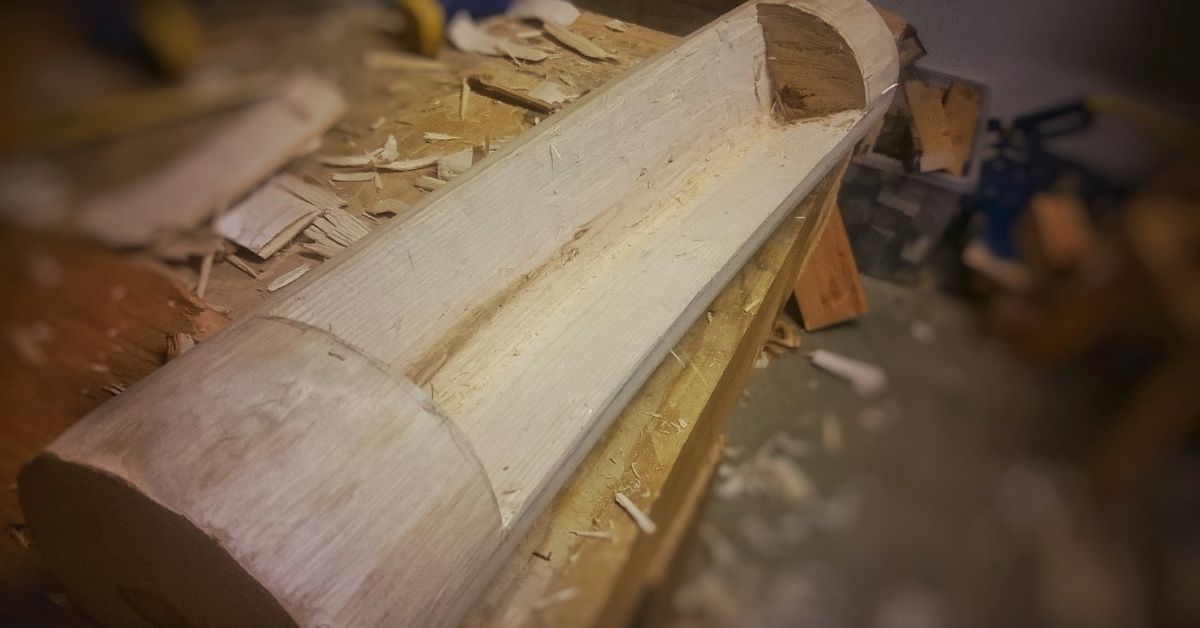
A rustic desktop bookshelf is the tiny piece of furniture that walks into a messy workspace, rolls up its flannel sleeves, and says, “Relax, I’ve got this.” It is not just a place to park books. It is a practical desk organizer, a design accent, a storage upgrade, and sometimes the only thing standing between your laptop and a landslide of notebooks, sticky notes, chargers, pens, receipts, and that one mystery cable nobody dares to throw away.
In modern home offices, dorm rooms, creative studios, and small apartments, desktop storage matters more than ever. Many people no longer have the luxury of a full wall of built-in shelves or a separate office with dramatic lighting and a leather chair that says “published novelist.” Instead, they have a desk, a chair, a laptop, and approximately seven square inches of remaining surface space. That is where a rustic desktop bookshelf earns its keep.
With warm wood tones, compact proportions, and a cozy handmade feel, a rustic desktop bookshelf brings order without making your workspace feel sterile. It can hold books, planners, small plants, stationery, framed photos, reading glasses, decorative objects, and daily essentials. Better yet, it does all of this while looking charmingly imperfect, as if it has a backstory involving a cabin, a cup of strong coffee, and a golden retriever asleep near the fireplace.
What Is a Rustic Desktop Bookshelf?
A rustic desktop bookshelf is a small shelving unit designed to sit directly on a desk, tabletop, counter, or workbench. Unlike a full-size bookcase, it is compact and usually lightweight enough to move around. Unlike a plain plastic organizer, it adds visual texture and warmth. The “rustic” part typically refers to natural wood grain, weathered finishes, distressed surfaces, farmhouse-inspired details, or a handcrafted appearance.
Some rustic desktop bookshelves are made from solid wood such as pine, oak, acacia, or walnut. Others use engineered wood, reclaimed wood, bamboo, or wood-look finishes. Many combine wood with black metal frames, giving them a farmhouse-industrial look that works especially well in home offices, bedrooms, study corners, and craft rooms.
The best rustic desktop bookshelf does three things at once: it saves space, keeps frequently used items visible, and makes the desk feel more intentional. In other words, it is part storage, part decoration, and part silent productivity coach.
Why a Rustic Desktop Bookshelf Works So Well
It Uses Vertical Space Instead of Stealing Desk Space
One of the smartest things about a desktop bookshelf is that it builds upward. A desk can only hold so much before it begins to look like a paper tornado landed on it. By adding one or two tiers of shelving, you create vertical storage without expanding the footprint of the desk itself.
This is especially helpful for small-space desks, writing tables, dorm desks, shared family workstations, and home office nooks. Instead of spreading books and supplies across the entire surface, you can stack them neatly within arm’s reach. Your keyboard gets breathing room. Your coffee mug gets a safe zone. Your elbows can finally stop negotiating for territory.
It Adds Warmth to Modern Workspaces
Modern offices often lean hard into metal, glass, plastic, and bright screens. That can look clean, but it can also feel cold. A rustic wood desktop shelf softens the space with organic texture. The grain, knots, color variation, and slightly imperfect finish make the desk feel more human.
Rustic design is especially effective because it does not demand perfection. A tiny scratch does not ruin the look; it joins the story. A weathered edge does not feel like damage; it feels like character. That makes rustic desktop shelving forgiving, practical, and surprisingly stylish for everyday use.
It Helps Reduce Visual Clutter
Clutter is not just about having too many things. It is also about not giving things a clear home. A desktop bookshelf creates zones: books on one shelf, office supplies in a small cup, notebooks standing upright, decorative items grouped together, and tech accessories tucked into a tray or basket.
When everything has a place, the desk becomes easier to reset at the end of the day. Instead of pushing piles from one side to the other like a very tired magician, you can put each item back where it belongs. Organization does not have to be dramatic. Sometimes it is just a little shelf doing honest work.
Popular Styles of Rustic Desktop Bookshelves
Farmhouse Desktop Bookshelf
A farmhouse desktop bookshelf usually features warm wood, simple lines, and practical charm. It may have a natural finish, whitewashed panels, X-brace sides, or black metal accents. This style pairs beautifully with cream walls, woven baskets, ceramic mugs, linen pinboards, and soft desk lighting.
Farmhouse style works best when it feels collected rather than overly matched. A rustic shelf with a small plant, a few hardcover books, a vintage-style pencil cup, and a framed family photo can make a plain desk feel cozy without becoming too decorative.
Industrial Rustic Bookshelf
Industrial rustic bookshelves combine wood with metal. Think dark stained shelves, matte black frames, pipe-inspired supports, and sturdy rectangular shapes. This style is a strong choice for gaming desks, tech-heavy workstations, loft apartments, and modern offices that need warmth without losing structure.
The industrial look also handles contrast well. A black monitor, metal lamp, leather desk pad, and rustic shelf can create a workspace that feels mature, focused, and slightly dramatic in a good way. Basically, it says, “I answer emails, but I might also own a motorcycle.”
Reclaimed Wood Desktop Bookshelf
Reclaimed wood is popular in rustic decor because it carries age, texture, and history. A reclaimed wood desktop bookshelf may show nail marks, weathering, color variation, or rougher grain. These details make each piece look unique.
Because reclaimed wood can vary in condition, it is important to check for smooth edges, stable construction, and a sealed surface. A desktop shelf should look rustic, not give your favorite notebook a splinter. Charm is wonderful; surprise injuries are not part of the aesthetic.
Minimal Rustic Shelf
Minimal rustic shelves focus on clean lines and natural materials. They may use light oak, unfinished pine, bamboo, or simple walnut tones. These designs work well for people who like calm workspaces but do not want everything to look too plain.
A minimal rustic desktop bookshelf is ideal for Scandinavian-inspired rooms, neutral home offices, and compact desks where every object must justify its existence. It is the shelf equivalent of a quiet person who somehow has excellent taste.
How to Choose the Best Rustic Desktop Bookshelf
Measure Your Desk First
Before buying or building a rustic desktop bookshelf, measure your desk width, depth, and usable height. Pay attention to monitors, lamps, wall shelves, windows, and outlets. A shelf that looks adorable online may become less adorable when it blocks your screen or forces your desk lamp into retirement.
For most desks, a compact bookshelf between 16 and 32 inches wide works well. A narrow shelf is better for small desks, while a wider unit can frame a monitor or create a mini command center. If you use a large monitor, make sure the shelf does not crowd the screen or block airflow around electronics.
Check Shelf Depth
Depth matters more than many shoppers realize. A shelf that is too shallow may not hold larger books or notebooks securely. A shelf that is too deep may eat up your work surface. Many desktop shelves fall somewhere around 6 to 10 inches deep, which is usually enough for paperbacks, small decor, notebooks, and office supplies.
If you plan to store heavy textbooks, binders, or art books, choose a sturdier shelf with enough depth and strong supports. If you only need a place for light reading material and decor, a slimmer design may be better.
Think About Weight Capacity
Books are sneaky. One paperback is innocent. Ten hardcover books are a fitness program. Before loading a desktop bookshelf, check the weight capacity or inspect the construction. Solid wood and metal-framed designs usually handle weight better than thin particleboard or decorative-only shelves.
If the shelf has adjustable sections, make sure the joints are secure. If it has legs, check that they sit flat on the desk. Wobbling is not a rustic feature. It is furniture asking for help.
Choose the Right Finish
Rustic finishes come in many personalities. Natural wood feels light and organic. Dark walnut feels classic and rich. Gray wash looks weathered and coastal. Whitewash feels farmhouse and airy. Black-stained wood feels bold and modern.
The best choice depends on your desk and room. If your desk is already dark, a lighter shelf can add contrast. If your desk is white or metal, a warm wood tone can prevent the space from feeling too clinical. If your room has many wood tones, do not panic. Mixed woods can look beautiful when they share a similar undertone, such as warm golden browns or cool gray-browns.
Smart Ways to Style a Rustic Desktop Bookshelf
Start With the Items You Actually Use
A desktop bookshelf should be attractive, but it should not become a museum of tiny objects you are afraid to touch. Start with function. Place your most-used books, notebooks, planner, pens, sticky notes, and reading accessories where you can reach them easily.
Once the practical items are in place, add a few decorative pieces. A small plant, a framed photo, a candle, a ceramic dish, or a vintage paperweight can make the shelf feel personal. The goal is not to decorate every inch. Empty space is not wasted space; it is visual breathing room.
Use Baskets and Small Containers
Rustic desktop shelves pair beautifully with woven baskets, wooden trays, metal cups, canvas bins, and small ceramic bowls. These containers hide the items that are useful but not exactly glamorous, such as paper clips, USB drives, binder clips, and charging adapters.
Without containers, small items can make even a beautiful shelf look busy. With containers, the same items suddenly become “organized supplies.” It is one of the great illusions of adulthood.
Mix Books Vertically and Horizontally
To keep the shelf visually interesting, place some books upright and stack others horizontally. A horizontal stack can act as a base for a small plant or decorative object. Upright books are easier to grab when you need them.
Try not to cram every book you own onto the shelf. A desktop bookshelf is best for current reads, reference books, journals, and frequently used materials. The full family saga of your reading life can live elsewhere.
Add One Natural Element
A small plant can make a rustic desktop bookshelf feel alive. Low-maintenance options such as pothos, snake plant, peperomia, or a small succulent are good choices for desks. If you do not have enough light, a quality faux plant can still bring softness without requiring a watering schedule or emotional commitment.
Natural elements work especially well with rustic wood because they reinforce the organic feel. A plant, a stone coaster, a linen notebook, or a small clay pot can add texture without clutter.
Rustic Desktop Bookshelf Ideas for Different Spaces
For a Home Office
In a home office, use the rustic desktop bookshelf to create a productive command center. Store your planner, business books, reference materials, inbox tray, and favorite pen cup. Add a warm desk lamp nearby and keep decorative items minimal so the setup stays focused.
A two-tier shelf behind or beside the monitor can help separate work tools from personal items. If your desk faces a wall, the shelf can also make the view more pleasant. Staring at a blank wall for eight hours is not a personality-building exercise; it is just boring.
For a Student Desk
A rustic desktop bookshelf can be extremely useful for students. It keeps textbooks, notebooks, flashcards, headphones, calculators, and school supplies in one place. For smaller desks, choose a vertical shelf with narrow compartments. For larger desks, a wide shelf can hold books on one side and supplies on the other.
Students should prioritize durability and easy access. A shelf that looks nice but cannot survive finals week is not the one. Look for sturdy construction, smooth surfaces, and enough space for the books used most often.
For a Craft or Creative Desk
Artists, crafters, and designers can use a rustic desktop bookshelf to organize sketchbooks, paint tubes, thread, scissors, brushes, and small tools. Clear jars and labeled boxes work well on rustic shelves because they keep supplies visible while still feeling charming.
For a creative workspace, leave room for inspiration pieces: a postcard, a mini mood board, a color palette, or a small object collected from a trip. Rustic wood provides a neutral backdrop that lets creative materials shine.
For a Bedroom or Reading Nook
On a bedroom desk or bedside table, a rustic desktop bookshelf can hold nighttime reading, journals, hand cream, glasses, and a small lamp. Choose a compact design with soft edges and a warm finish. The result feels cozy without making the room look crowded.
If the shelf sits near a bed, avoid overloading it with fragile objects. Sleepy hands are not known for their graceful decision-making at midnight.
DIY Rustic Desktop Bookshelf Tips
If you enjoy simple woodworking projects, a rustic desktop bookshelf can be a satisfying DIY build. Basic designs can be made with pine boards, plywood, reclaimed boards, or pre-cut lumber. A simple rectangular frame with one or two shelves is often enough.
For a rustic finish, sand the edges lightly, apply wood stain, and seal the surface with a protective topcoat. If you want a weathered look, consider gray stain, whitewash, or a distressed finish. Always sand rough areas smooth enough for daily handling. Rustic should feel textured, not prickly.
Use wood glue and screws for stronger joints. If the shelf will hold heavier books, reinforce the corners or add a back support strip. Felt pads under the legs can protect the desk surface and help keep the shelf stable.
How to Maintain a Rustic Desktop Bookshelf
Wood furniture lasts longer when it is treated kindly. Dust the shelf regularly with a soft cloth or microfiber duster. Avoid soaking wood with water, and wipe spills quickly. If the shelf has a natural or oil finish, it may need occasional conditioning depending on the maker’s care instructions.
Keep the shelf away from direct heat sources and long periods of harsh sunlight when possible. Strong sunlight can fade finishes over time, and dry heat may contribute to cracking or warping. Coasters, trays, and small mats can help protect the surface from mugs, plant pots, and desk accessories.
If the shelf develops minor scratches, they may blend into the rustic look. For deeper marks, a furniture touch-up marker or wax stick in a similar tone can help. On rustic furniture, a little wear often looks natural. That is the advantage of owning furniture that does not panic over every fingerprint.
Common Mistakes to Avoid
Buying a Shelf That Is Too Large
A desktop bookshelf should help the desk feel more spacious, not make it feel like a tiny wooden skyscraper moved in. Always measure before buying. Leave enough room for your laptop, keyboard, mouse, notebook, and comfortable arm movement.
Overdecorating the Shelf
Rustic shelves look best when they are curated, not crowded. Too many small decorations can turn a charming shelf into a dust collection festival. Keep only the items that are useful, meaningful, or visually calming.
Ignoring Cable Management
If your desktop shelf sits near a monitor, lamp, speaker, or charger, plan for cords. Use cable clips, ties, or a small cable box to keep wires under control. Nothing ruins a cozy rustic look faster than a nest of cords staging a rebellion.
Choosing Looks Over Stability
A beautiful shelf still needs to be safe and steady. Check the base, joints, material thickness, and weight capacity. If a shelf wobbles empty, it will not become more confident after you add books.
Experience-Based Notes: Living With a Rustic Desktop Bookshelf
The first thing people often notice after adding a rustic desktop bookshelf is not the style; it is the relief. A desk that once felt crowded suddenly has levels. The notebook that used to hide under receipts now has a place. The favorite paperback is visible. The pen cup stops drifting around the desk like it is looking for a better life.
In real daily use, the best rustic desktop bookshelf is the one that supports your habits instead of fighting them. If you reach for your planner every morning, it should sit on the easiest shelf to access. If you read during breaks, keep one or two books visible, not buried behind decor. If you are constantly misplacing glasses or earbuds, add a small tray. A shelf becomes more useful when it reflects the way you actually work, not the way a perfectly staged photo says you should work.
One surprisingly helpful experience is using the shelf as a daily reset station. At the end of the workday, return books to one side, place notebooks in a stack, drop small accessories into a tray, and clear the open desk surface. This small routine takes only a minute or two, but it changes how the workspace feels the next morning. Instead of sitting down to yesterday’s chaos, you sit down to a desk that looks ready. That little difference can make starting easier.
Another lesson is that rustic wood helps a workspace feel less temporary. A plastic organizer may work fine, but it often feels like a supply closet accessory. A wood desktop bookshelf feels more like furniture. It makes even a small desk corner feel intentional. This is especially valuable in apartments, shared rooms, and multipurpose spaces where the “office” might also be the bedroom, dining room, gaming station, or homework zone.
There is also a practical beauty in imperfection. Glossy surfaces show dust, fingerprints, and scratches like they are collecting evidence. Rustic finishes are more forgiving. A small nick or scuff often blends into the texture. For people who actually use their desks every day, that matters. Furniture should support real life, not make you nervous every time you set down a coffee mug.
Styling the shelf usually improves over time. At first, many people overfill it because the extra space feels exciting. Then reality steps in. The best arrangement often comes after removing a few things. A simple setup might include five useful books, one plant, one tray, one pen cup, and one personal object. That is enough to create personality without making the desk feel crowded.
A rustic desktop bookshelf also changes how people interact with books. When a book is visible and easy to reach, it is more likely to be opened. A reference book on the shelf gets used. A journal within reach gets written in. A favorite novel on display becomes a small reminder to take breaks. In that way, the shelf is not only storage; it is a gentle nudge toward better habits.
For anyone building a DIY version, the most rewarding part is customization. You can size it for your exact desk, stain it to match your room, and add compartments based on your needs. Even a simple homemade shelf can feel special because it solves a specific problem in a specific space. It may not be flawless, but that is part of the appeal. Rustic style gives beginners permission to make something useful without needing factory-perfect results.
After living with one for a while, the rustic desktop bookshelf often becomes one of those small upgrades that feels obvious in hindsight. It does not change the whole room, but it changes the part of the room you use most. It makes the desk calmer, warmer, and easier to maintain. And in a world full of blinking screens and digital clutter, a little wooden shelf with books on it feels wonderfully grounded.
Conclusion
A rustic desktop bookshelf is a small piece with a big impact. It saves space, organizes everyday essentials, adds warmth, and gives your desk a more polished, personal look. Whether you choose a farmhouse shelf, an industrial wood-and-metal design, a reclaimed wood piece, or a simple DIY build, the right shelf can turn a cluttered desktop into a workspace that feels calm, useful, and inviting.
The key is to choose a bookshelf that fits your desk, supports your daily routine, and complements your style. Keep it functional first, decorative second, and clutter-free always. With the right balance, a rustic desktop bookshelf can make your workspace feel less like a storage accident and more like a place where good ideas might actually show up on time.
Note: This article is written from synthesized research across reputable U.S. home organization, interior design, woodworking, furniture care, and small-space office resources, with practical guidance adapted into original content for web publishing.