Some restaurants whisper. Some restaurants perform jazz hands. B.A.R. in Stockholm does something far more Swedish: it lets the seafood do most of the talking while the room hums with the cheerful confidence of people who know they are about to eat very well. Located on Blasieholmsgatan 4A in central Stockholm, close to Nybroviken, Grand Hôtel, and the cultural gravity of Nationalmuseum, B.A.R. is not the sort of place that needs velvet ropes or culinary smoke machines to prove a point. Its message is simple: choose excellent fish, cook it properly, add smart sides, and give the dining room enough energy to feel like Friday even when it is only Tuesday.
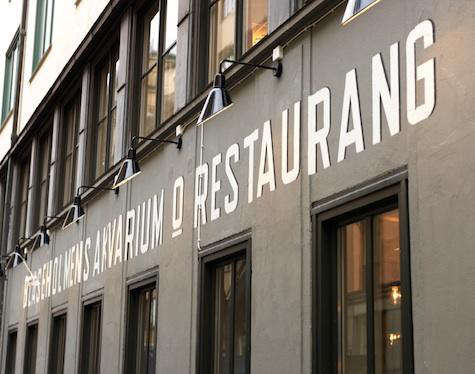
The name stands for Blasieholmen’s Aquarium and Restaurant, which sounds like a place where your dinner might have recently been giving you side-eye from behind the glass. That, in a way, is part of the charm. B.A.R. has built its identity around a fresh seafood counter concept, where guests can select fish and shellfish and then match the catch with cooking styles, sauces, and sides. It is part fish market, part brasserie, part Stockholm dinner party where everyone seems to have dressed nicely but not tried too hard. In other words, very dangerous territory for anyone who has ever said, “I’ll just have something light.”
Why B.A.R. Belongs on a Stockholm Food Itinerary
Stockholm has no shortage of stylish restaurants. The city can serve minimalist New Nordic plates, candlelit bistros, grand dining rooms, and painfully photogenic cafés where a cinnamon bun looks like it has its own PR team. B.A.R. stands out because it strikes a rare balance: polished but relaxed, serious about ingredients but not allergic to fun, design-forward without making you feel like you accidentally wandered into an architecture thesis.
Its location helps. Blasieholmen is one of those central Stockholm areas where the city suddenly looks like it has been arranged by a very calm art director. Water is nearby, historic buildings sit comfortably beside hotels and galleries, and the walk to dinner feels like a warm-up act. Arriving at B.A.R. after a stroll along the waterfront gives the meal a sense of occasion before the first plate lands on the table.
For travelers, B.A.R. is useful because it offers a very Stockholm kind of experience without requiring a formal fine-dining commitment. You can come for dinner after museum-hopping, book a table for a lively seafood meal, or make it the centerpiece of a night out. It is refined enough for a special evening but approachable enough that you do not need to whisper at your fork.
The Atmosphere: Bright, Buzzy, and Just Industrial Enough
B.A.R.’s dining room is often described as bright and energetic, with a semi-industrial fish-market feel. That description is accurate, but it undersells the comfort of the place. Yes, there is a market-inspired freshness to the layout. Yes, the seafood display is part of the theater. But the overall mood is not cold or warehouse-like. It feels alive: conversations bounce, plates move, staff circulate, and the open, informal rhythm keeps the restaurant from becoming stiff.
This is where B.A.R. gets clever. The restaurant understands that seafood can be intimidating. Many diners love eating it but freeze when asked to choose between species, cooking methods, and sauces. B.A.R. turns that decision into entertainment rather than homework. Instead of hiding the ingredients backstage, the restaurant places them near the center of the experience. You are not merely ordering “fish.” You are participating in the meal’s construction, which makes the whole evening feel more personal.
The design also supports the food. Clean lines, market references, and a lively dining room create the impression of freshness before the first bite. Nothing feels overly precious. The space says, “We know what we are doing,” but thankfully does not add, “and we will now explain it to you for 27 minutes using tweezers.”
The Food: Seafood With Confidence, Not Confusion
The heart of B.A.R. is fish and shellfish. The restaurant is known for pristine seafood, classic technique, and a menu that gives guests choices without turning the meal into a spreadsheet. The most memorable part of the experience is the choose-your-own-seafood format: pick from the available catch, decide how you would like it prepared, and pair it with sauces and sides that match your mood.
This system works because it respects both the ingredient and the diner. A delicate fish does not need to be buried under a sauce that tastes like it has unresolved issues. A richer fish can handle more assertive flavors. Shellfish can be kept simple and briny or dressed up slightly. The kitchen’s job is not to show off for the sake of showing off; it is to help the seafood arrive at the table tasting unmistakably like itself, only better dressed.
What to Expect From the Menu
Menus can change, especially in seafood restaurants where freshness and availability matter. That is part of the appeal. On a typical visit, guests should expect fish and shellfish to play the starring roles, with options supported by sides, sauces, and seasonal touches. The restaurant also offers lunch on select weekdays, dinner service, takeaway options, and a beverage menu, though the best strategy is to check the current menu before booking because schedules and seasonal closures may change.
One of B.A.R.’s strengths is that it does not force every diner into the same lane. Seafood lovers get the full aquarium-to-plate drama, but the restaurant has also been noted for offering meat dishes for guests who prefer them. This matters when traveling with a group. There is always one person who says, “I love seafood,” and another who believes a shrimp once looked at them wrong in childhood. B.A.R. has enough flexibility to keep the table peaceful.
Service and the Dining Flow
A seafood-focused restaurant depends heavily on service. Guests may need help choosing a fish, understanding textures, deciding between cooking methods, or pairing sauces. At B.A.R., the service style is part of the experience: friendly, informed, and practical. The best servers in restaurants like this do not lecture; they guide. They explain what is fresh, what is popular, what suits a lighter appetite, and what will make the table silently nod with approval after the first bite.
Because the dining room can be lively, reservations are a smart idea. B.A.R. manages its own bookings, and if the preferred time is unavailable online, the restaurant encourages guests to contact the staff directly. That small detail says something about the hospitality style: structured, but human. In an age when some booking systems treat diners like malfunctioning QR codes, speaking to the restaurant can still be refreshingly useful.
Who Will Love B.A.R.?
B.A.R. is ideal for travelers who want a memorable Stockholm restaurant without committing to a long tasting menu. It is also a strong choice for seafood fans, design lovers, and anyone who enjoys restaurants with a little movement and noise. If your perfect dinner involves fresh fish, crisp service, a central location, and the feeling that the room is having a good time, B.A.R. should be on your shortlist.
It may be less ideal for diners seeking a silent, ultra-formal atmosphere or a deeply experimental menu where dinner arrives looking like a philosophical question. B.A.R. is more direct than that. Its pleasure comes from quality ingredients, smart execution, and the tactile fun of seeing what you are about to eat. It is restaurant dining with both structure and pulse.
How to Plan a Visit
Best Time to Go
Dinner is the most atmospheric time to visit, especially if you want the full buzz of the room. Weekday lunch can be a good choice for a more efficient meal, particularly for travelers staying near the city center or visiting nearby museums. Opening days and hours should always be checked before visiting, as B.A.R. has specific service times and seasonal closures.
What to Order
The smartest move is to build the meal around the seafood counter. Ask what is especially good that day, then choose a preparation that suits the fish rather than forcing your favorite sauce onto everything like a culinary blanket. For a group, consider sharing a few starters or shellfish items before moving into individual mains. The table will feel abundant, and everyone gets to taste more without turning dinner into a competitive sport.
What to Wear
Stockholm restaurants often master the art of casual polish. At B.A.R., smart casual works well. You do not need formalwear, but this is also not the moment for the hoodie that has survived three airports and a questionable sandwich incident. Think relaxed, clean, and ready for a nice evening out.
B.A.R. and Stockholm’s Modern Dining Personality
What makes B.A.R. interesting is not only the seafood. It is how neatly the restaurant fits into Stockholm’s broader dining identity. The city’s best restaurants often combine restraint with warmth. They care about ingredients, but they do not always need to shout about it. They pay attention to design, but the design usually serves the experience rather than eating it alive.
B.A.R. reflects that attitude. The restaurant has an appealing transparency: the fish is visible, the concept is clear, and the meal’s success depends on freshness and technique rather than gimmicks. In a world where some restaurants seem determined to make dinner feel like a puzzle box, B.A.R. is refreshingly legible. You understand what it is trying to do, and then it does it well.
Experience Notes: A Longer Look at Dining at B.A.R.
A good restaurant visit begins before the food arrives. At B.A.R., that beginning is the neighborhood. Walking through central Stockholm toward Blasieholmen creates the right kind of appetite: not the frantic hunger of someone who missed lunch, but the curious hunger of a traveler who senses dinner may become the best part of the day. The water, the hotels, the museums, and the clean Nordic light all prepare you for a meal that feels connected to place.
Inside, the seafood display immediately changes the rhythm of ordering. Instead of staring at a menu and pretending to understand every detail, you get a visual cue. This is especially helpful for visitors who may not know the Swedish names of fish or who simply want to see what looks best. There is a small thrill in choosing the main ingredient directly. It brings the meal closer to the market and makes the kitchen feel less mysterious.
The experience also rewards curiosity. Ask questions. Which fish is leaner? Which is richer? Which preparation keeps things delicate? Which side adds brightness? A meal at B.A.R. becomes more enjoyable when you let the staff guide you a little. This is not the same as surrendering your dinner choices. It is more like hiring a seafood translator for the evening, which, frankly, should be a more common profession.
For first-time visitors, the best approach is to avoid over-ordering at the start. Seafood has a way of seeming light until the sides, sauces, bread, and “just one more thing” arrive. Begin with a few shared bites, then let the main course carry the meal. If the table wants variety, ordering different fish preparations can turn dinner into a quiet tasting session. Nobody needs scorecards. A few appreciative noises will do.
Another pleasure is the room itself. B.A.R. has enough energy to feel festive, but it does not lose the plot. The buzz supports the meal rather than swallowing it. You can bring friends, colleagues, or someone you would like to impress without appearing to be trying too hard. This is one of the restaurant’s strongest qualities: it makes good taste look easy.
Travelers should also think about what comes before and after. Because B.A.R. sits in such a central area, it pairs beautifully with a museum visit, a waterfront walk, or a slow evening route through the city. It is not buried in a neighborhood that requires logistical bravery. That convenience matters, especially when Stockholm weather decides to demonstrate personality.
What stays with you after a visit is the clarity of the concept. B.A.R. does not need a complicated story. It gives diners fresh seafood, a lively room, and enough choice to make the meal feel customized. The restaurant’s confidence is quiet but durable. It is the kind of place that understands a simple truth: when the fish is good, the cooking is careful, and the table is happy, dinner does not need a drumroll. It just needs another plate.
Conclusion: Is B.A.R. Worth Visiting?
Yes, B.A.R. is worth visiting if you want a Stockholm restaurant that combines seafood freshness, smart design, central convenience, and a lively but comfortable atmosphere. It is not trying to be the most experimental table in town. Instead, it succeeds by being focused, flexible, and genuinely enjoyable. For travelers building a Stockholm food itinerary, B.A.R. offers exactly what a great restaurant visit should: a strong sense of place, a memorable meal, and the pleasant realization that choosing dinner from a seafood counter is far more fun than it has any right to be.