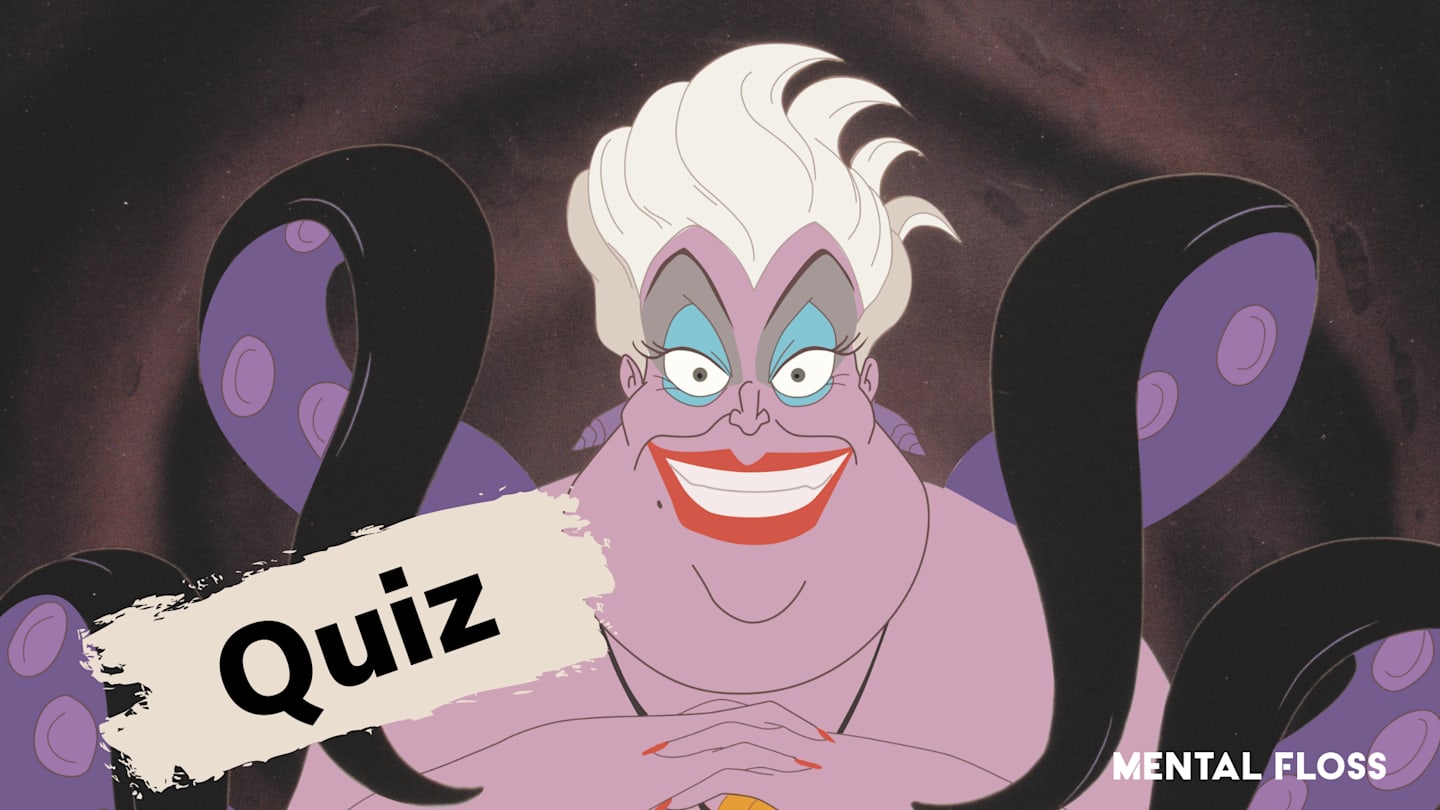
Disney movies are magical, emotional, beautifully scored, and occasionally one well-placed sentence away from sounding absolutely ridiculous. Take away the swelling soundtrack, the glowing castle, and the inspirational final act, and suddenly a beloved classic becomes “a teenager makes several reckless choices after one awkward family conversation.” That contrast is exactly why a Disney movie quiz built around hilariously bad plot summaries is so much fun.
For longtime fans, this kind of challenge is half trivia game, half nostalgia trip. You are not just guessing titles. You are recognizing a pattern, a vibe, a suspiciously specific emotional breakdown involving a sidekick, and a third-act lesson about courage, identity, or not signing supernatural contracts without reading the fine print. For casual viewers, it is even better, because the summaries are so gloriously off-base that every answer feels like a tiny punchline.
This quiz-style article celebrates that weird little corner of Disney fandom where affection meets mischief. We are taking famous animated favorites, describing them in the most unfairly accurate way possible, and seeing whether you can still name the movie. Along the way, we will also look at why these bad plot summaries work so well, why Disney stories are so easy to parody, and why fans keep coming back for this exact brand of chaos.
Why hilariously bad plot summaries work so well
A bad plot summary is not really “bad.” It is just aggressively selective. It ignores the romance, the heroism, the animation breakthroughs, and the emotional payoff, then zooms in on the weirdest possible angle. That is how The Little Mermaid turns into “a teen trades her voice for a date,” and Beauty and the Beast becomes “a woman falls for a rude man with serious anger issues because he owns a library.” When you frame a story that way, the logic becomes delightfully warped.
Disney movies are especially perfect for this format because they rely on iconic setups. They are filled with unforgettable symbols: glass slippers, poison apples, magic lamps, talking snowmen, enchanted roses, shape-shifting sidekicks, and at least one authority figure making a terrible judgment call. The stories are clean enough to be recognized quickly, but specific enough that one twisted sentence can still point right to the answer.
There is also a second reason these quizzes work: Disney fans know the movies emotionally, not just factually. You may forget the exact release year of a favorite title, but you instantly remember the girl with the frying pan, the lion cub with the guilt complex, or the family that urgently needed group therapy and a better communication system. A good guess the Disney movie challenge taps into that kind of memory fast.
And finally, there is the comedy factor. Disney stories often deal with huge themes like grief, bravery, belonging, sacrifice, family conflict, and growing up. A hilariously bad summary shrinks all that emotional grandeur into one petty little sentence. It is the cinematic version of taking a royal portrait and doodling a mustache on it. Respectful? Maybe not. Funny? Absolutely.
Disney Movie Quiz: Guess the movie from the hilariously bad plot summary
See how many you can get before checking the answer. No cheating, no calling your Disney-obsessed cousin, and no asking a magic mirror for help.
1. “A young woman moves in with seven short-term landlords after a fruit-related emergency.”
Answer: Snow White and the Seven Dwarfs.
This one remains the gold standard for bad summaries because it sounds like a terrible housing situation, which, honestly, it kind of is. Strip away the fairy-tale glow and you have a princess hiding out with seven miners while avoiding a deeply committed hater with a basket of dangerous produce.
2. “A wooden child lies constantly and somehow still becomes inspirational.”
Answer: Pinocchio.
If ever a movie deserved to be reduced to one chaotic sentence, it is this one. The premise is so strange that even the accurate version sounds made up. A puppet wants to become a real boy, makes bad decisions at high speed, and learns that personal growth is easier when you stop listening to obvious scammers.
3. “Woman attends one party, loses a shoe, and immediately changes socioeconomic class.”
Answer: Cinderella.
When phrased this way, Cinderella sounds less like a timeless fairy tale and more like the luckiest networking event in movie history. Still, the summary works because the core image is unforgettable: one dance, one lost slipper, one kingdom-wide footwear investigation that somehow passes for policy.
4. “Teenager ignores dad, makes a deal with an eel-adjacent businesswoman, and risks everything for a guy she barely knows.”
Answer: The Little Mermaid.
This is one of the funniest Disney plots to summarize badly because the emotional reality is beautiful, but the bullet-point version is pure recklessness. Ariel is curious, brave, and full of longing. She is also, let us be honest, not making what a guidance counselor would call a strong sequence of choices.
5. “A local thief improves his dating prospects through identity fraud and one very overworked lamp.”
Answer: Aladdin.
Aladdin has everything a great quiz entry needs: a fake persona, magical assistance, a monkey with opinions, a villain with commitment issues, and a romance built on a lie that somehow remains charming because the movie is wildly entertaining.
6. “A woman agrees to live with a man who yells a lot because his furniture is unusually supportive.”
Answer: Beauty and the Beast.
This may be the most famous bad Disney plot summary on the internet for a reason. It is both unfair and weirdly difficult to argue with. The enchanted staff is doing heroic public relations work in this movie. Without them, the romance has a much harder pitch.
7. “A lion runs away from responsibility, grows amazing hair, then returns after a ghostly sky lecture.”
Answer: The Lion King.
Once you phrase it like that, it becomes impossible not to laugh. Yet the summary also highlights why the movie sticks: underneath the jokes, it is still a story about guilt, grief, duty, and growing into adulthood. Also, yes, the hair is magnificent.
8. “A teenager cuts her hair, steals a job, and defeats an empire through pure competence.”
Answer: Mulan.
Bad summaries are funniest when they accidentally make the hero sound even cooler. That is exactly what happens here. Mulan enters a space designed to exclude her, outthinks nearly everyone around her, and carries the movie with a combination of courage, improvisation, and zero tolerance for nonsense.
9. “Scientists create a tiny blue chaos goblin and somehow this becomes a touching story about family.”
Answer: Lilo & Stitch.
Lilo & Stitch is almost unfair in this format because its actual plot is already delightfully unhinged. Alien experiment lands in Hawaii, gets adopted like a weird dog, wrecks everything, and slowly becomes part of one of Disney’s most emotionally grounded stories about belonging and home.
10. “A teenager with magical hair leaves home with a criminal and discovers the outside world is mostly lanterns and emotional damage.”
Answer: Tangled.
This summary captures the movie’s strange balance perfectly. It is funny, romantic, adventurous, and quietly about manipulation, control, and identity. Also, it remains one of Disney’s strongest examples of how to modernize a fairy tale without draining the fun out of it.
11. “A woman accidentally starts winter, moves out, and turns her sister into a full-time crisis manager.”
Answer: Frozen.
For all the jokes about songs getting stuck in everyone’s head, Frozen works because it flips expectations. The big emotional engine is not just romance. It is fear, secrecy, sisterhood, and learning that love does not always show up wearing prince clothes and good hair.
12. “A girl leaves her island to return stolen property and gets dragged into a leadership seminar by a demigod.”
Answer: Moana.
This is a perfect bad summary because it makes an epic ocean adventure sound like a frustrating group project. But that contrast is what makes the joke land. Moana is large, mythic, and visually sweeping, yet it can still be reduced to “please return the shiny thing before everything gets worse.”
13. “A family desperately avoids therapy by putting all their problems into musical numbers and architecture.”
Answer: Encanto.
There are few Disney movies better suited to this format. Encanto is warm, moving, funny, and incredibly specific about the pressures of expectation inside a gifted family. Summarized badly, it becomes a housing-based emotional intervention. Summarized honestly, it is one of Disney’s sharpest modern family stories.
14. “A rabbit becomes a cop, a fox becomes her reluctant coworker, and an entire city learns that bias is everybody’s problem.”
Answer: Zootopia.
This one sounds like a joke setup, which is fitting for a movie that mixes buddy-comedy energy with a smarter-than-expected social message. The reason it works in a quiz is simple: the world-building is so distinctive that one odd sentence is all you need.
What your score says about your Disney brain
If you got 12 to 14 right, congratulations: your inner Disney archivist is doing excellent work. You do not merely watch these movies. You apparently store them in a highly organized emotional vault and can retrieve them from one chaotic clue about footwear, snow, lions, or suspiciously persuasive villains.
If you landed in the middle, that is the sweet spot for a good Disney trivia quiz. You know the big classics, the major turns, and the unforgettable icons, but a few modern titles or deeper cuts can still sneak past your defenses. That just means you have an excellent excuse for a rewatch marathon.
If you missed most of them, do not worry. Disney movies are built to be revisited. Every generation finds them in a different way: through theaters, VHS tapes, streaming, memes, sing-alongs, theme park rides, or one cousin who insists that everyone must sit down and watch the best one immediately.
Why Disney stories are so easy to parody and so hard to forget
The secret is structure. Disney stories are clear, visual, and emotionally direct. The hero usually wants something specific. Obstacles arrive dramatically. Sidekicks add humor. Villains make terrible choices with confidence. Music or motif reinforces memory. That kind of storytelling is ideal for parody because the bones are easy to spot, but it is also ideal for longevity because the audience remembers the shape of the story years later.
There is also a fascinating tension at the heart of Disney fandom. Fans love the sincerity of these films, but they also enjoy poking at the logic. Why is every kingdom one bad meeting away from disaster? Why are evil deals written like nobody in this world invented legal review? Why does one heartfelt song often solve what should require several months of therapy and possibly urban planning? The affectionate teasing is part of the fun.
That is why a bad plot summary quiz works better with Disney than with many other studios. The audience already respects the source material. The joke is not that the movie is silly and therefore disposable. The joke is that the movie is beloved enough to survive being reduced to its weirdest moving parts. In a strange way, parody becomes proof of cultural staying power.
Experiences Disney fans instantly recognize when taking a quiz like this
One of the funniest experiences with a quiz like this is the moment you know the answer almost immediately, but you cannot explain why. Your brain does not say, “I have logically identified the narrative framework.” It says, “That sounds like a princess making one terrible decision with confidence, so this is probably The Little Mermaid.” It is memory by emotional shortcut, and Disney fans use it all the time.
Another familiar experience is playing with friends or family and discovering that everyone has a completely different Disney specialty. One person knows every renaissance-era title in three seconds flat. Another dominates modern animation. Someone else is weirdly unbeatable when the clue involves animals, magic objects, or sidekicks with strong opinions. A simple Disney movie quiz turns into a mini social experiment, and suddenly your group chat has formed factions over whether Tangled is easier to identify than Frozen.
There is also the nostalgia effect, and it hits hard. A bad summary often unlocks a whole viewing memory. Maybe you remember watching Cinderella on a rainy afternoon, rewinding a favorite scene on an aging DVD player, or arguing as a kid about whether The Lion King was the saddest movie ever made. Maybe Lilo & Stitch reminds you of a sibling who quoted Stitch constantly, or Encanto makes you think of an entire room full of people trying not to cry during one particular song. The quiz looks silly on the surface, but it often opens a very real door to memory.
These quizzes also work because they reveal how Disney stories evolve with the audience. As a child, you might see Beauty and the Beast as a romance and a fairy tale. Later, you notice the isolation, the character growth, the symbolism, and the wildly hardworking household staff who deserve their own management awards. As a kid, Frozen is catchy songs and snow powers. As an older viewer, it becomes a story about fear, repression, and sibling loyalty. The bad summary makes you laugh, but the recognition lands deeper because your relationship to the movie has changed.
For many fans, the best experience is the split second before the answer appears. That tiny pause is where the magic happens. You picture a castle, then a forest, then a crown, then a snowstorm, and suddenly the title clicks into place. It feels like solving a riddle you did not know you had memorized years ago. That is a very specific kind of joy, and Disney has been generating it for decades.
Then there is the inevitable post-quiz spiral. You tell yourself you will just test your memory with one or two summaries, and twenty minutes later you are ranking Disney villains, debating the most emotionally devastating opening scene, and planning a rewatch of at least three movies “for research.” This is how fandom works. A joke becomes a ranking, a ranking becomes a debate, and a debate becomes someone passionately defending an underrated favorite with the intensity of a courtroom attorney.
In the end, that is the real charm of the hilariously bad plot summary format. It lets fans be playful without losing affection. You can roast the premise of Aladdin, laugh at the sheer logistics of Cinderella, or summarize Moana as an ocean-assisted return policy, and none of that weakens the movies. If anything, it proves how durable they are. Great Disney stories can survive parody because they were memorable to begin with. They live in the culture, in family traditions, in streaming queues, in childhood memories, and now, apparently, in aggressively unfair one-sentence descriptions.
Conclusion
If you made it through this quiz grinning, second-guessing yourself, and mentally singing at least one Disney song against your will, then mission accomplished. A great guess the Disney movie challenge is more than trivia. It is proof that the best Disney films remain instantly recognizable even when their plots are reduced to chaos, sarcasm, and wildly unflattering honesty. That is not a weakness. That is cultural staying power with a sense of humor.
So the next time someone tells you Disney movies are simple, hand them a hilariously bad plot summary and watch the confusion bloom. If they can still name the movie, the magic is clearly doing its job.