Some objects are small enough to fit in a drawer but charming enough to change the whole mood of a gift, a craft table, or a handmade package. Pikku’s Cotton Ribbon is one of those little design details that quietly says, “Yes, I thought about this,” without hiring a marching band or sprinkling glitter into the carpet forever.
At first glance, it is simply cotton ribbon: narrow, tactile, useful, and pretty. Look closer and it becomes a tiny strip of design history, blending natural cotton texture, Scandinavian-inspired pattern work, hand-crafted presentation, and the practical joy of reusable wrapping. It is the kind of ribbon that makes a brown paper parcel look boutique, a handmade card look intentional, and a jar of homemade jam look like it has its own publicist.
Originally associated with Pikku Ware’s lively printed designs and Studio Carta’s fine cotton ribbon tradition, Pikku’s Cotton Ribbon stands out because it does not behave like ordinary shiny gift ribbon. It has softness, structure, and personality. It feels closer to a textile than a disposable flourish. That difference matters, especially for crafters, small business owners, gift givers, stationery lovers, and anyone who believes the outside of a package should not be more boring than the receipt inside.
What Is Pikku’s Cotton Ribbon?
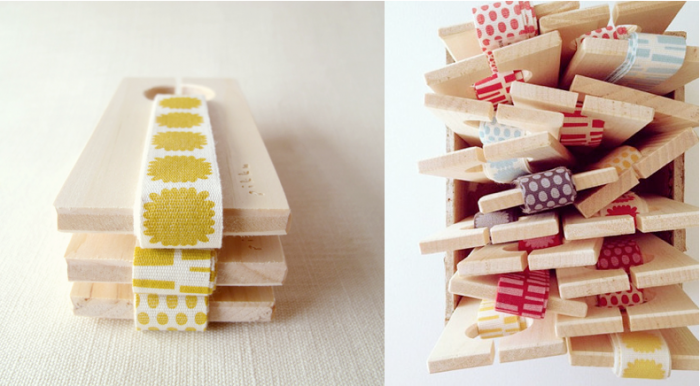
Pikku’s Cotton Ribbon is a decorative cotton ribbon known for its cheerful, Scandinavian-inspired patterns and natural woven feel. Earlier product references describe Pikku’s original designs printed onto Italian cotton ribbon and wrapped on custom wooden paddles made in Vermont. Later Studio Carta product listings describe Pikku ribbons as a collaboration with Valerie Ormiston, featuring natural cotton ribbon silkscreened with lively Pikku Ware patterns such as dots, mums, stripes, and petals.
The ribbon’s appeal comes from a thoughtful mix of form and function. It is not just a strip of fabric; it is a miniature design object. The cotton gives it a matte, organic texture. The printed patterns give it motion and personality. The tidy presentation makes it gift-ready before it even touches a gift. In other words, this ribbon is the friend who arrives at brunch wearing linen, knows the best bakery, and somehow makes everyone else look slightly underprepared.
Why Cotton Ribbon Feels Different
Most people think of ribbon as shiny satin, curling plastic, wired holiday trim, or the mystery spool at the bottom of a craft bin. Cotton ribbon offers another experience entirely. It is softer, more grounded, and more tactile. Instead of reflecting light dramatically, cotton absorbs it gently, which creates a warm, understated finish.
That texture is one reason cotton ribbon works beautifully with kraft paper, handmade tags, letterpress cards, linen bags, glass jars, botanical arrangements, and minimalist packaging. It does not scream for attention. It adds the final sentence to the design.
Cotton is also a natural fiber, which gives it an advantage over many synthetic ribbons in sustainability-minded projects. Unlike petroleum-based synthetic fibers, cotton does not contribute to microplastic pollution in the same way, and untreated cotton is biodegradable under appropriate conditions. That does not mean every printed cotton ribbon should be tossed casually into the compost bin, but it does mean cotton begins with a more natural material story than plastic curling ribbon.
The Design: Small Scale, Big Personality
Pikku’s Cotton Ribbon is especially memorable because of its pattern language. The designs are playful but not childish, modern but not sterile, and colorful without behaving like a confetti cannon. Patterns such as dots, petals, stripes, and mums fit comfortably into the broader world of Scandinavian-inspired textiles, where nature, repetition, clean shapes, and cheerful utility often meet.
Scandinavian-inspired design is commonly associated with simplicity, function, natural materials, and visual warmth. But it is a mistake to think that Scandinavian style means only beige walls and a single wooden chair looking emotionally unavailable. Nordic textile traditions often include bold botanicals, repeating geometry, folk-inspired motifs, and color used with intelligence. Pikku’s Cotton Ribbon borrows from that lively side of the tradition.
This is why it works so well in modern homes and creative studios. It brings pattern into a space without overwhelming it. A two-yard length can brighten a plain package, edge a small sewing project, or turn a simple card bundle into something that looks curated rather than “I found these envelopes in the junk drawer.”
Best Uses for Pikku’s Cotton Ribbon
1. Gift Wrapping That Looks Thoughtful
The easiest use for Pikku’s Cotton Ribbon is gift wrapping. Pair it with kraft paper, recycled white paper, newspaper, tissue, or a reusable fabric wrap. The cotton texture gives the package a handmade quality, while the printed design adds a polished finish.
For a modern look, wrap the ribbon once around the box and tie a simple knot instead of a full bow. For a softer look, layer it over twine or tuck in a sprig of rosemary, dried lavender, cedar, or eucalyptus. Suddenly your package looks like it was prepared by a person who owns excellent scissors and has never lost a roll of tape in their life.
2. Handmade Cards and Stationery
Cotton ribbon is a natural match for stationery. Use a short strip to bind a set of note cards, accent a handmade greeting card, or decorate a wedding invitation suite. Because Pikku’s patterns are graphic and compact, they can add visual interest without making the paper design feel crowded.
For a clean card design, use neutral cardstock, a small stamped message, and a horizontal ribbon band. For party invitations, tie a ribbon around the stack and slip in a tag with the guest’s name. It feels personal, and it avoids the dreaded “mass-produced envelope energy.”
3. Party Favors and Small Business Packaging
Small details matter in packaging. Whether you sell candles, ceramics, soap, prints, jewelry, baked goods, or handmade textiles, a cotton ribbon can make a product feel more complete. Pikku’s Cotton Ribbon is especially suitable for independent brands that want packaging to feel warm, creative, and human.
Use it around product boxes, muslin bags, kraft mailers, or tissue-wrapped goods. It can help reinforce a brand personality without requiring expensive custom boxes. For small shops, that is a practical advantage: the ribbon brings charm without demanding that your entire packaging budget move into a studio apartment.
4. Sewing, Embellishment, and Textile Crafts
Because it is cotton, this ribbon can also be used in sewing and textile crafts. It may work as a decorative trim for pouches, aprons, fabric bookmarks, sachets, napkin ties, children’s accessories, or quilt labels. As with any printed ribbon, test washing and ironing before using it on items that will be laundered often.
For simple projects, stitch a length of ribbon along the edge of a tea towel or use it as a hanging loop for a handmade ornament. These tiny touches make ordinary fabric scraps look intentional, which is basically the secret handshake of good crafting.
5. Home Styling and Seasonal Decor
Pikku’s Cotton Ribbon can also move beyond the craft table. Tie it around glass jars used as vases, wrap it around napkins for a dinner setting, use it to hang small ornaments, or weave it into a seasonal garland. Because the patterns are playful and textile-based, the ribbon feels less disposable than shiny holiday trim.
For spring, choose floral or petal-inspired motifs with fresh greenery. For winter, pair graphic dots or stripes with brown paper, pine, and simple white tags. For birthdays, use the brightest pattern available and let it do the decorating work while you focus on not dropping the cake.
How to Style Pikku’s Cotton Ribbon
The secret to styling patterned cotton ribbon is balance. Let the ribbon be the star, then keep the supporting cast calm. If the ribbon has a bold print, pair it with solid wrapping paper. If the ribbon color is soft, layer it with textured paper, a handwritten tag, or a small natural accent.
Here are a few reliable combinations:
- Kraft paper + patterned cotton ribbon: casual, warm, and timeless.
- White paper + bright Pikku ribbon: clean, cheerful, and modern.
- Glass jar + cotton ribbon + handwritten label: perfect for homemade gifts.
- Muslin bag + ribbon tie: excellent for favors, jewelry, soap, or samples.
- Stationery stack + ribbon wrap: simple, elegant, and highly giftable.
Avoid pairing a busy ribbon with equally busy wrapping paper unless your goal is “craft store after an espresso.” Pattern mixing can work, but it needs breathing room. Cotton ribbon looks best when its texture and design have space to be noticed.
Cotton Ribbon vs. Satin, Grosgrain, and Plastic Ribbon
Cotton ribbon has a different personality from other ribbon types. Satin ribbon is smooth, glossy, and formal. Grosgrain ribbon is ribbed, structured, and excellent for bows. Wired ribbon holds dramatic shapes, especially in wreaths and holiday decor. Plastic curling ribbon is inexpensive and festive but usually less refined and less reusable.
Pikku’s Cotton Ribbon belongs in the natural, design-forward category. It is best when you want softness, craft appeal, matte texture, and a reusable feel. It may not create the stiffest bow or the shiniest finish, but that is exactly the point. Cotton ribbon is not trying to be a disco ball. It is trying to be tasteful, useful, and just charming enough to make someone save it after opening the gift.
Care and Storage Tips
To keep cotton ribbon looking fresh, store it wrapped around its paddle, spool, or a piece of clean cardboard. Keep it away from damp spaces, direct sunlight, and the chaotic drawer where batteries, takeout menus, and mystery keys go to retire.
If the ribbon wrinkles, press it gently with a low iron using a pressing cloth, but always test a small section first, especially if the ribbon is printed. Avoid high heat directly on the design. For frayed ends, use sharp fabric scissors for a clean diagonal cut. Cotton ribbon may naturally soften over time, which often makes it even prettier for casual wrapping and textile projects.
Why Pikku’s Cotton Ribbon Appeals to Modern Makers
Modern makers are often looking for materials that feel personal, flexible, and better considered. Pikku’s Cotton Ribbon checks those boxes. It is decorative but practical. It can dress up gifts, support small-brand packaging, and become part of craft projects. It also reflects the growing preference for materials that feel less disposable and more connected to the hand.
The best craft supplies invite reuse. A recipient might untie Pikku’s Cotton Ribbon from a gift and save it for a bookmark, a jar, a card, or another present. That second life is part of its charm. When a ribbon is pretty enough to keep, it quietly pushes against the throwaway habits of ordinary packaging.
Creative Project Ideas With Pikku’s Cotton Ribbon
Ribbon-Wrapped Book Gift
Wrap a book in plain paper, tie Pikku’s Cotton Ribbon around it vertically, and tuck a pressed flower or bookmark beneath the knot. This works especially well for journals, poetry books, cookbooks, and children’s books.
Handmade Jam Jar
Add a kraft label to a jar of jam, honey, granola, or pickles. Tie a short length of cotton ribbon around the lid. The result looks farmers-market-ready, even if your kitchen currently looks like a fruit-based crime scene.
Minimal Holiday Ornament
Use the ribbon as a hanger for handmade clay ornaments, paper stars, or wooden decorations. The printed cotton adds color without overpowering the ornament.
Wedding Favor Accent
Tie ribbon around small favor boxes, seed packets, soap bars, or linen pouches. Choose one pattern and repeat it throughout the table styling for a cohesive look.
Craft Room Display
Store the ribbon visibly on a peg rail, spool rack, or in a glass jar. Pikku’s patterns are decorative enough to function as studio decor. Yes, organizing supplies can count as decorating. We do not make the rules; we simply benefit from them.
Buying Considerations
Before buying Pikku’s Cotton Ribbon or a similar printed cotton ribbon, check the length, width, fiber content, print method, and care recommendations. Some listings may sell ribbon by the yard, while older references mention two-yard presentations. Width matters, too: narrow ribbon feels delicate and refined, while wider ribbon makes more of a visual statement.
If you plan to use the ribbon for packaging, calculate how much you need per item. A small box may require 24 to 36 inches depending on the bow style. A jar may need less. A dramatic bow may need more, because drama is rarely economical.
For sewing, test the ribbon first. Cotton behaves differently from polyester or satin, and printed designs may respond differently to heat, moisture, or repeated handling. For decorative uses, however, cotton ribbon is forgiving, beautiful, and easy to work with.
Experiences With Pikku’s Cotton Ribbon: A Maker’s Perspective
The first time you use a ribbon like Pikku’s Cotton Ribbon, the surprise is how much difference a small strip of fabric can make. A plain package suddenly feels intentional. A simple notebook becomes a thoughtful gift. A stack of cards looks like something from a boutique stationery shop rather than a last-minute desk rescue mission.
One of the best experiences is using it with kraft paper. Kraft paper is humble, affordable, and endlessly useful, but on its own it can look a little too practical, like it is about to ship plumbing parts. Add Pikku’s Cotton Ribbon, and the same paper becomes warm and stylish. The printed pattern creates contrast, while the cotton texture keeps everything soft and handmade.
Another memorable use is with homemade food gifts. A jar of lemon curd, strawberry jam, spiced nuts, or granola becomes much more inviting when finished with a cotton ribbon around the lid. The ribbon tells the recipient that the gift was not only made but presented with care. It also photographs beautifully, which matters if you run a small food business, craft blog, or social media shop.
For stationery lovers, Pikku’s Cotton Ribbon feels almost dangerously useful. Tie it around envelopes, use it to bundle thank-you notes, or add a small strip to the front of a handmade card. The result is polished without being fussy. It is especially effective when paired with deckled paper, rubber stamps, black ink, botanical illustrations, or simple handwritten tags.
In a craft room, the ribbon also has a way of encouraging experimentation. A leftover eight-inch piece can become a bookmark tassel. A shorter scrap can decorate a gift tag. A longer piece can be stitched onto a pouch or wrapped around a candle box. Unlike single-use plastic ribbon, cotton ribbon feels worth saving, and that changes how people interact with it.
There is also a pleasant slowness to using cotton ribbon. It invites you to measure, cut, fold, tie, and adjust. It makes wrapping feel less like a chore and more like a small creative ritual. The ribbon does not need a perfect bow to look good. A clean knot can be enough. A slightly uneven tail can look charming. Cotton is forgiving in a way glossy materials often are not.
The only real danger is becoming the person who saves every attractive ribbon scrap in a labeled box. But honestly, there are worse identities. At least this one comes with nice packaging.
Conclusion
Pikku’s Cotton Ribbon proves that small design details can carry a surprising amount of style, usefulness, and personality. With its natural cotton texture, playful Scandinavian-inspired patterns, and versatile craft appeal, it works beautifully for gift wrapping, stationery, small business packaging, party favors, home decor, and handmade projects.
It is practical enough for everyday use and charming enough for special occasions. It adds warmth without clutter, color without chaos, and polish without looking overly perfect. Whether you are wrapping a birthday gift, branding a handmade product, decorating a jar, or finishing a card, Pikku’s Cotton Ribbon brings that rare combination of simplicity and delight. In a world full of disposable details, this is one worth tying, saving, and using again.