Note: This article is for general nutrition education and is not a substitute for personalized medical advice. It is based on current U.S. nutrition guidance and reputable health sources, including USDA/HHS dietary guidance, CDC, FDA, MyPlate, NIH MedlinePlus, American Heart Association, Mayo Clinic, Harvard nutrition resources, and Cleveland Clinic.
Introduction: Ready to Test Your Nutrition Common Sense?
Nutrition can feel like a pop quiz nobody warned you about. One minute you are confidently buying “multigrain” bread like a responsible adult, and the next minute you discover it may not be the same thing as whole grain. Rude? A little. Useful to know? Absolutely.
This nutrition quiz is designed to help readers understand the basics of dietary guidelines, proteins, fats, grains, food labels, added sugars, sodium, fiber, and balanced meals. The goal is not to turn lunch into a laboratory experiment. It is to make everyday food choices clearer, less stressful, and less dependent on whatever the loudest label on the package is shouting.
Modern U.S. dietary guidance emphasizes real, nutrient-dense foods: vegetables, fruits, protein foods, dairy or fortified alternatives, healthy fats, and whole grains. It also encourages people to limit added sugars, excess sodium, highly processed foods, and unhealthy fats. In plain English: eat more food that looks like food, and be suspicious when a snack has a longer ingredient list than a group project.
Why a Nutrition Quiz Is More Useful Than Another Diet Rule
Food rules often fail because real life is not a perfectly plated stock photo. A nutrition quiz works better because it teaches principles. Once you understand why whole grains matter, why protein quality matters, and why not all fats are nutritional villains, you can make smarter choices at breakfast, school, work, restaurants, or during the mysterious 10:43 p.m. snack investigation.
A good nutrition quiz does three things. First, it checks what you know. Second, it corrects common myths. Third, it gives practical examples you can use immediately. That matters because nutrition is not about memorizing every vitamin in a carrot. It is about building patterns that support energy, growth, focus, digestion, heart health, and long-term wellness.
Quick Nutrition Quiz: Test Yourself First
1. Which plate is closest to a balanced meal?
A. A large bowl of plain pasta and soda
B. Grilled chicken, brown rice, broccoli, fruit, and water
C. A candy bar and an energy drink
D. Bacon, fries, and ranch dressing
Best answer: B. A balanced meal usually includes protein, fiber-rich carbohydrates, vegetables or fruit, and a drink without added sugar. It does not need to be fancy. Your plate does not need a social media manager.
2. Which food is usually considered a whole grain?
A. Brown rice
B. White bread
C. Sugary cereal made with refined flour
D. Regular crackers with enriched flour
Best answer: A. Brown rice contains the bran, germ, and endosperm of the grain. Whole grains typically provide more fiber, vitamins, minerals, and natural plant compounds than refined grains.
3. Which fat is generally a better everyday choice?
A. Trans fat from partially hydrogenated oils
B. Unsaturated fat from olive oil, nuts, seeds, or fish
C. Excess saturated fat from large amounts of butter
D. Deep-fried foods every day
Best answer: B. Unsaturated fats are usually the preferred choice in a healthy eating pattern. Fats are not automatically bad; the type and amount matter.
4. What should you check first on a Nutrition Facts label?
A. Serving size
B. The color of the package
C. Whether the front says “natural”
D. The cartoon mascot’s emotional stability
Best answer: A. Serving size gives context to calories and nutrients. If a package has two servings and you eat the whole thing, the numbers need to be doubled. The label is not judging you; it is just doing math.
Dietary Guidelines: The Big Picture
The current Dietary Guidelines for Americans focus on helping people meet nutrient needs, support health, and reduce the risk of diet-related chronic disease. The overall pattern matters more than any single heroic salad. A healthy pattern includes a variety of vegetables, fruits, protein foods, whole grains, dairy or fortified dairy alternatives, and sources of healthy fats.
One important lesson is flexibility. A healthy eating pattern can include different cultures, budgets, preferences, and cooking styles. A nutritious meal might be salmon with vegetables, beans and rice, turkey chili, tofu stir-fry, oatmeal with fruit and nuts, or eggs with whole-grain toast and avocado. There is no single “perfect” menu hiding on a mountain somewhere wearing yoga pants.
Protein: More Than Muscles and Gym Posters
Protein helps build and repair body tissues. It also supports muscles, skin, enzymes, hormones, immune function, and fullness after meals. But protein is not only about steak or protein powder. The protein foods group includes seafood, poultry, lean meats, eggs, beans, peas, lentils, soy foods, nuts, and seeds.
The smartest protein choices often come with extra nutritional benefits. Beans and lentils provide protein plus fiber. Fish can provide protein plus omega-3 fats. Nuts and seeds offer protein along with unsaturated fats and minerals. Eggs are versatile and nutrient-rich. Lean poultry can be a practical option for many meals.
Protein Quiz Tip
When choosing protein, ask: What else comes with it? A grilled salmon fillet, a bowl of lentil soup, and a handful of unsalted nuts all bring useful nutrients. A highly processed meat product may bring protein too, but it can also bring excess sodium and saturated fat. Protein is important, but it should not push vegetables, fruits, whole grains, and healthy fats off the plate like a nutritional diva.
Fats: The Good, the Limited, and the “Read the Label”
Fat is essential. The body uses fat for energy, cell function, hormone production, and absorption of certain vitamins. The trick is choosing better fats more often and limiting fats that can raise health risks when eaten in excess.
Unsaturated fats, found in foods such as olive oil, canola oil, avocados, nuts, seeds, and many fish, are generally encouraged as part of a healthy eating pattern. Saturated fats, found in foods such as butter, full-fat dairy, fatty meats, and some tropical oils, are best kept within reasonable limits. Trans fats, especially artificial trans fats from partially hydrogenated oils, should be avoided as much as possible.
Fat Quiz Tip
Do not ask only, “Is this food high in fat?” Ask, “What kind of fat is it, and what is the whole food?” Nuts are high in fat, but they also bring fiber, minerals, and plant protein. Fried snack foods may be high in fat too, but they often come with refined starch, salt, and very little nutritional charm.
Grains: Whole Grain, Multigrain, and Other Label Drama
Grains are foods made from wheat, rice, oats, cornmeal, barley, and other cereal grains. The key distinction is whole grains versus refined grains. Whole grains contain the entire grain kernel: bran, germ, and endosperm. Refined grains have been processed in a way that removes some of those parts, which can reduce fiber and certain nutrients.
Examples of whole grains include oatmeal, brown rice, quinoa, whole-wheat bread, bulgur, barley, and whole-grain pasta. Refined grains include many white breads, regular pasta, white rice, pastries, and crackers made mostly with refined flour.
One sneaky label lesson: “multigrain” does not automatically mean “whole grain.” It may simply mean the product contains more than one type of grain. To choose better grain foods, look for the word “whole” near the beginning of the ingredient list, such as “whole wheat” or “whole oats.” The front of the package may flirt with you; the ingredient list tells the truth.
Fiber: The Quiet Hero of the Nutrition Quiz
Fiber is a type of carbohydrate found in plant foods. It supports digestion, helps with fullness, and is associated with better heart and metabolic health. Good sources include beans, lentils, vegetables, fruits, whole grains, nuts, and seeds.
Many people do not get enough fiber, partly because highly processed foods often remove the fiber-rich parts of plants. A simple strategy is to add fiber gradually: swap white toast for whole-grain toast, add beans to soup, choose fruit instead of fruit-flavored candy, or include vegetables at more meals. Your digestive system may prefer gradual progress over a surprise fiber festival.
Added Sugar and Sodium: Small Numbers That Add Up Fast
Added sugars are sugars added during processing, preparation, or at the table. They are different from sugars naturally found in whole fruit or plain milk. Common sources include soda, sweetened teas, candy, desserts, flavored yogurts, breakfast cereals, and many packaged snacks.
Sodium is another nutrient to watch. The body needs sodium, but many packaged, restaurant, and fast foods contain more than people realize. High sodium intake can contribute to high blood pressure in some people. Reading labels, choosing lower-sodium options, and flavoring food with herbs, spices, citrus, garlic, or vinegar can help.
Label Quiz Tip
Use the Percent Daily Value as a quick guide. In general, 5% Daily Value or less per serving is low, while 20% Daily Value or more is high. This is especially helpful for sodium, added sugars, saturated fat, fiber, vitamin D, calcium, iron, and potassium.
How to Build a Better Plate Without Overthinking It
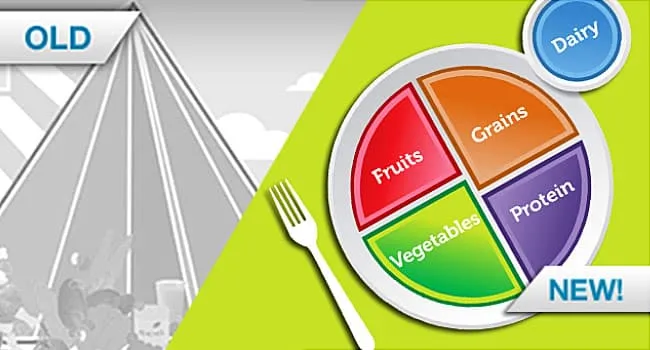
A practical balanced plate might include:
- Half the plate: vegetables and fruits, with variety and color.
- One quarter: protein foods such as fish, chicken, beans, lentils, eggs, tofu, nuts, or seeds.
- One quarter: grains, preferably whole grains most of the time.
- On the side: dairy or fortified soy alternatives when appropriate.
- For flavor: healthy fats such as olive oil, avocado, nuts, or seeds.
This structure is not a prison sentence. It is a template. Tacos, rice bowls, soups, sandwiches, pasta dishes, breakfast plates, and leftovers can all be balanced with a few smart adjustments.
More Nutrition Quiz Questions With Answers
5. Which breakfast is likely to keep you full longer?
A. Sugary cereal alone
B. Oatmeal with Greek yogurt, berries, and nuts
C. A sweet drink
D. A plain donut
Best answer: B. It combines whole grains, protein, fiber, and healthy fats.
6. Which label claim deserves a second look?
A. “Made with whole grains”
B. “100% whole wheat”
C. “No added sugar”
D. “Low sodium”
Best answer: A. “Made with whole grains” may still mean the food contains mostly refined grains. Check the ingredient list.
7. Which snack gives protein and fiber?
A. Apple slices with peanut butter
B. Regular soda
C. Hard candy
D. Cheese puffs
Best answer: A. The apple provides fiber and the peanut butter adds protein and fat, making the snack more satisfying.
8. What is the best way to think about healthy eating?
A. One perfect meal decides everything
B. All carbs are bad
C. Overall patterns matter most
D. Nutrition labels are decoration
Best answer: C. Your overall eating pattern matters more than one meal, one snack, or one dramatic Tuesday.
Common Nutrition Myths This Quiz Helps Clear Up
Myth 1: Carbohydrates Are Bad
Carbohydrates are one of the body’s main energy sources. The better question is what kind of carbohydrate you are choosing. Whole grains, fruits, vegetables, beans, and lentils provide carbohydrates along with fiber and nutrients. Sugary drinks and highly refined snacks provide quick energy but fewer nutritional benefits.
Myth 2: High Protein Automatically Means Healthy
Protein is important, but a food can be high in protein and still high in sodium, added sugars, or saturated fat. Protein bars, shakes, and packaged foods vary widely. Read the label and consider the whole meal.
Myth 3: Fat-Free Is Always Better
Fat-free products are not automatically healthier. Some may contain added sugars or refined starches to improve flavor and texture. Healthy fats from foods such as nuts, seeds, fish, and olive oil can be part of a balanced diet.
Myth 4: Brown Packaging Means Whole Grain
Brown bread, rustic fonts, and pictures of wheat fields are not proof of whole grain content. Ingredient lists are more reliable than package design. The bread aisle is basically a graphic design competition with carbohydrates.
500-Word Experience Section: What a Nutrition Quiz Teaches in Real Life
One of the most useful things about a nutrition quiz is that it turns vague advice into everyday decisions. For example, imagine standing in a grocery store trying to choose breakfast cereal. Before learning basic nutrition guidelines, many people choose the box that looks healthiest. Maybe it has green packaging, a sunrise, and words like “energy,” “ancient,” or “wholesome.” After taking a nutrition quiz, the decision changes. You flip the box around. You check serving size, added sugar, fiber, and the first ingredient. Suddenly, the cereal box has lost its magical powers. It is still cereal, but now you are the one holding the clipboard.
The same thing happens with protein. A person may think they need more protein and immediately reach for a heavily sweetened protein bar. But after understanding protein quality, they might choose eggs with whole-grain toast, tuna with crackers and vegetables, Greek yogurt with berries, lentil soup, or a bean burrito with salsa. These foods do not just provide protein. They also bring fiber, minerals, healthy fats, or other nutrients. That is the difference between chasing a number and building a meal.
Fats become less confusing too. Many people grew up hearing that fat was bad. Then the internet swung the other direction and acted as if adding butter to everything was a personality upgrade. A nutrition quiz helps bring the pendulum back to the middle. Fat is necessary, but type and balance matter. Olive oil on roasted vegetables, avocado on whole-grain toast, nuts in oatmeal, or salmon at dinner can fit well. Eating large amounts of fried foods or foods high in saturated fat every day is a different story. Nutrition is not about panic; it is about pattern recognition.
Grains are another real-life example. Someone may choose “multigrain” bread thinking it is automatically healthier. After learning the difference between multigrain and whole grain, they start looking for “whole wheat” or “whole oats” as the first ingredient. This tiny habit can increase fiber over time without requiring a complete lifestyle makeover. No dramatic music, no expensive cleanse, no refrigerator full of foods nobody actually wants to eat.
The biggest experience lesson is that healthy eating becomes easier when you stop aiming for perfection. A balanced day might include oatmeal at breakfast, leftovers at lunch, fruit as a snack, and a dinner with protein, vegetables, and rice. Another day might include pizza with a side salad and water. That can still fit into a healthy pattern. The quiz mindset helps people ask better questions: Did I get enough plants today? Did I include protein? Did I choose whole grains when possible? Am I drinking mostly water? Am I reading labels instead of trusting package poetry?
Over time, these questions build confidence. You do not need to be a dietitian to make better choices. You need a few reliable principles, a little curiosity, and the ability to laugh when a “healthy” muffin turns out to have the sugar content of a small dessert parade.
Conclusion: Nutrition Knowledge Beats Nutrition Noise
A strong nutrition quiz does more than test memory. It helps readers understand how dietary guidelines apply to real meals. Protein supports the body, but protein quality matters. Fats are essential, but unsaturated fats are usually better everyday choices than excess saturated or trans fats. Whole grains provide more fiber and nutrients than refined grains. Nutrition labels help reveal serving size, sodium, added sugars, saturated fat, fiber, and key nutrients.
The best takeaway is simple: build a pattern you can repeat. Choose more vegetables, fruits, whole grains, quality protein foods, and healthy fats. Limit added sugars, excess sodium, and highly processed foods when possible. Enjoy food without turning every meal into a courtroom drama. Healthy eating should support your life, not become your full-time unpaid internship.