Note: This article is for educational publishing purposes only and is not a substitute for medical care. People with chronic obstructive pulmonary disease should use only prescribed inhaled medications in a nebulizer and should contact a healthcare professional before changing any treatment plan.
Why This Topic Matters
Search the internet long enough and you will find someone confidently recommending hydrogen peroxide for almost everything short of fixing a leaky roof. One especially risky trend is nebulizing hydrogen peroxide for COPD, a practice that involves putting hydrogen peroxide into a nebulizer and inhaling the mist. It may sound “natural,” “simple,” or “cheap,” but lungs are not kitchen counters, and disinfectants do not become lung medicine just because they are poured into medical equipment.
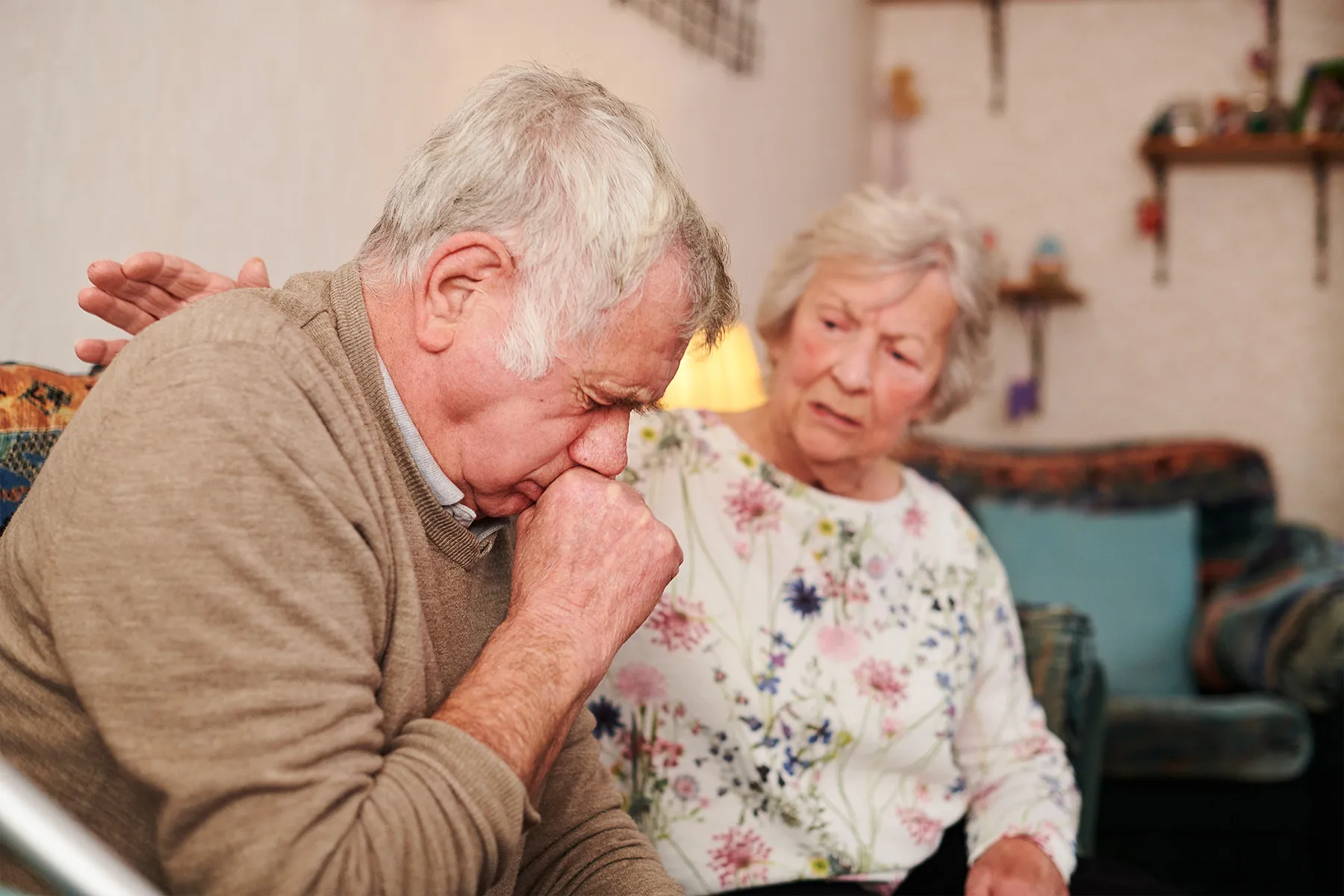
Chronic obstructive pulmonary disease, or COPD, already makes breathing harder by narrowing airways, damaging lung tissue, increasing mucus, and raising the risk of flare-ups. The goal of COPD treatment is to open the airways, reduce symptoms, prevent exacerbations, improve activity tolerance, and protect quality of life. Adding an irritating chemical mist to already vulnerable lungs can do the opposite.
The short answer is clear: nebulized hydrogen peroxide is not recommended for COPD. It is not an FDA-approved COPD treatment, it is not supported by strong clinical evidence, and it can irritate or injure the respiratory tract. Safer, evidence-based options include prescribed bronchodilators, inhaled corticosteroids when appropriate, pulmonary rehabilitation, oxygen therapy for qualifying patients, vaccination, smoking cessation, breathing techniques, and treatment plans guided by a clinician.
What Is Hydrogen Peroxide?
Hydrogen peroxide is a chemical compound commonly sold in drugstores as a 3% solution. Many people know it as the bubbling liquid once widely used on minor cuts, though modern wound care advice has become more cautious because it can irritate healthy tissue. It is also used in some disinfecting, bleaching, and industrial applications. In other words, hydrogen peroxide is useful in the right place. The right place is not deep inside inflamed lungs.
Hydrogen peroxide works as an oxidizing agent. That quality helps explain why it can damage microbes on surfaces, but it also explains why it may irritate living tissue. The respiratory tract is lined with delicate membranes, tiny airways, and microscopic structures that help move mucus and exchange oxygen. These tissues are not built to welcome a disinfectant fog.
What Does “Nebulizing” Mean?
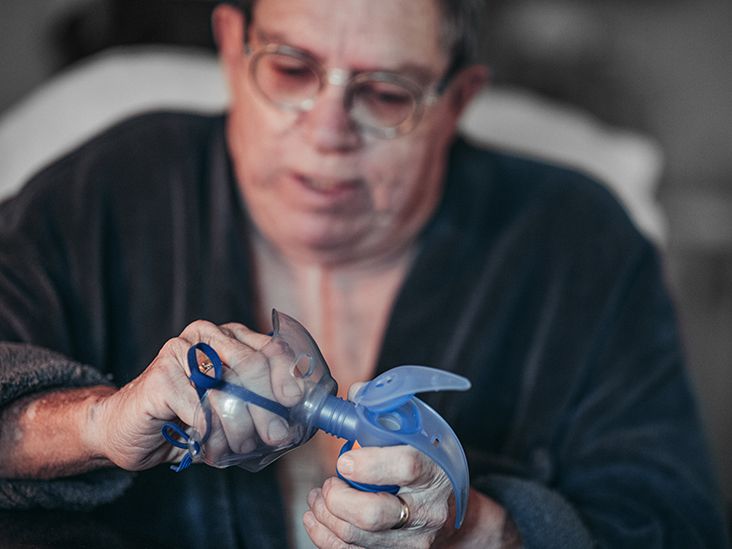
A nebulizer is a device that turns liquid medication into a fine mist so it can be inhaled through a mouthpiece or mask. Nebulizers are commonly used for medications such as albuterol, ipratropium, budesonide, or other prescribed therapies. For some people with COPD, a nebulizer is easier to use than an inhaler, especially during a flare-up or when hand strength, coordination, or breath timing is a challenge.
However, a nebulizer is not a magic safety machine. It does not transform any liquid into medicine. The liquid matters. Prescription nebulizer solutions are manufactured, tested, dosed, and approved for inhalation. Hydrogen peroxide sold for household or topical use is not designed for routine inhalation into the lungs.
Can Nebulized Hydrogen Peroxide Help COPD?
There is no good medical reason to use nebulized hydrogen peroxide as a COPD treatment. Claims that it “kills germs in the lungs,” “oxygenates the body,” or “cleans the airways” may sound persuasive online, but they do not match how COPD works. COPD is not dirt on a countertop. It is a chronic lung disease involving airway inflammation, structural damage, mucus, reduced airflow, and increased vulnerability to infections and irritants.
Even when germs trigger a COPD exacerbation, the solution is not to inhale a disinfectant. Clinicians may use bronchodilators, steroids, antibiotics when bacterial infection is suspected, oxygen support, or other therapies depending on the situation. The treatment has to help the lungs function, not chemically stress them.
Hydrogen peroxide also does not “add oxygen” in a useful therapeutic way for COPD. The body needs oxygen delivered through proper breathing, blood flow, and gas exchange. If oxygen levels are low, a clinician may prescribe supplemental oxygen after testing. Pouring hydrogen peroxide into a nebulizer is not a safe shortcut to oxygen therapy. Lungs, sadly, do not accept wellness hacks as legal tender.
Why Nebulizing Hydrogen Peroxide Can Be Dangerous
The main concern is irritation and injury. Hydrogen peroxide can irritate the eyes, throat, respiratory airways, and skin. Inhaling even household-strength hydrogen peroxide may cause respiratory irritation, while higher concentrations may cause more serious pulmonary irritation. For someone with COPD, whose airways may already be inflamed and narrowed, additional irritation can be especially risky.
Possible respiratory risks include:
- Nose and throat burning or irritation
- Coughing, wheezing, or chest tightness
- Worsening shortness of breath
- Airway spasm or laryngospasm
- Chemical pneumonitis, which is inflammation of lung tissue caused by chemical exposure
- Pulmonary edema, a dangerous buildup of fluid in the lungs
- Emergency breathing problems requiring urgent care
The COPD Foundation has specifically stated that nebulizing or ingesting hydrogen peroxide is dangerous and does not recommend nebulized hydrogen peroxide therapy for COPD or other lung diseases. That position is important because it speaks directly to the exact question many patients and caregivers are asking.
Why COPD Lungs Are More Vulnerable
People with COPD often have chronic airway inflammation, mucus buildup, damaged air sacs, and reduced ability to move air in and out efficiently. Many also have flare-ups triggered by smoke, pollution, respiratory infections, weather changes, strong odors, chemical fumes, or poor air quality. Hydrogen peroxide mist can act like another irritant added to an already crowded list.
Imagine trying to calm a sunburn by scrubbing it with a stiff brush. That is not a perfect medical analogy, but it captures the problem: irritated tissue usually needs protection, not another assault. COPD care is about reducing airway stress, improving airflow, and preventing exacerbations. Inhaling hydrogen peroxide moves in the wrong direction.
“Food Grade” Does Not Mean Lung Safe
One common online claim is that “food grade hydrogen peroxide” is safer. This phrase can be misleading. Food grade does not mean approved for inhalation. It does not mean tested for COPD. It does not mean harmless to lung tissue. In fact, concentrated hydrogen peroxide products can be far stronger than the familiar 3% household solution and may cause serious injury if misused.
The word “natural” can also be slippery. Plenty of natural substances are bad ideas to inhale. Smoke is natural. Mold spores are natural. Volcano fumes are natural, and nobody is lining up for a spa day inside a volcano. The relevant question is not whether something sounds natural. The relevant question is whether it is safe, tested, properly dosed, and medically appropriate for inhalation.
What To Do If You Already Tried It
If someone with COPD has already nebulized hydrogen peroxide and now has coughing, wheezing, chest tightness, burning in the throat, worsening shortness of breath, dizziness, blue lips, confusion, or a drop in oxygen saturation, they should seek medical help promptly. Severe breathing symptoms require emergency care.
If there are no symptoms, it is still wise to stop using hydrogen peroxide in the nebulizer and contact a healthcare provider or pharmacist for guidance. Bring the product bottle or take a picture of the label, including concentration. That detail matters because 3%, 12%, and 35% hydrogen peroxide are very different levels of risk.
Evidence-Based Alternatives for COPD
The good news is that COPD care has real options. They may not arrive with viral-video sparkle, but they have a much better résumé. A strong COPD treatment plan is usually personalized based on symptoms, lung function, flare-up history, oxygen levels, other medical conditions, and the person’s ability to use inhalers or nebulizers correctly.
1. Prescribed Bronchodilators
Bronchodilators relax muscles around the airways, helping air move more easily. Short-acting bronchodilators such as albuterol or ipratropium may be used for quick relief. Long-acting bronchodilators, including LAMA and LABA medications, are often used for daily maintenance. Some people use combination therapy in one inhaler or nebulized treatment.
For many COPD patients, bronchodilators are the workhorses of treatment. They are not flashy, but neither is a reliable seat belt, and both are worth respecting.
2. Inhaled Corticosteroids When Appropriate
Inhaled corticosteroids may help some people with COPD, especially those with frequent exacerbations or certain inflammatory patterns. They are not automatically needed for everyone, and they can have risks, including a higher chance of pneumonia in some patients. That is why they should be used as part of a clinician-guided plan rather than added casually.
3. Newer Nebulized COPD Medications
Nebulized therapy can be legitimate when the medication is approved for inhalation and prescribed for COPD. Newer options, including medications designed specifically for COPD maintenance, may be considered for certain adults. The key distinction is simple: a prescribed nebulized COPD medication is not the same as a household chemical placed in a nebulizer.
4. Pulmonary Rehabilitation
Pulmonary rehabilitation is one of the most useful and underappreciated COPD tools. It typically combines supervised exercise, education, breathing strategies, energy conservation, nutrition support, and confidence-building. Many patients discover they can do more than they thought once they learn how to pace activity and breathe efficiently.
Pulmonary rehab does not promise to “cure” COPD, but it can help people feel more capable in daily life. That may mean walking farther, climbing stairs with less panic, recovering faster after activity, or understanding what to do when symptoms change.
5. Oxygen Therapy for People Who Qualify
Some people with COPD develop low blood oxygen levels and may need oxygen therapy. This is determined through testing, not guesswork. Oxygen can be used short term or long term depending on the person’s condition. It must also be used safely because oxygen supports fire, which means smoking around oxygen equipment is extremely dangerous.
Oxygen therapy is not the same as feeling short of breath. Some people feel breathless with normal oxygen levels, while others may have low oxygen without dramatic symptoms. That is why pulse oximetry, arterial blood gas testing, and clinical evaluation matter.
6. Vaccines and Infection Prevention
Respiratory infections can trigger COPD flare-ups. Staying current on recommended vaccines, including flu, COVID-19, pneumococcal, RSV when appropriate, and other clinician-recommended immunizations, can reduce risk. Hand hygiene, avoiding sick contacts when possible, and having an action plan for early symptoms are practical steps that do not require inhaling anything weird from the bathroom cabinet.
7. Smoking Cessation and Irritant Avoidance
Quitting smoking is one of the most powerful COPD interventions. It can slow disease progression and reduce irritation. Avoiding secondhand smoke, vaping aerosols, dust, chemical fumes, strong fragrances, wildfire smoke, and poor indoor air quality can also help. Airway irritants are not always dramatic; sometimes they smell like a “fresh linen” candle that has declared war on your bronchi.
8. Breathing Techniques
Pursed-lip breathing can help some people manage shortness of breath. The technique usually involves inhaling slowly through the nose, then exhaling gently through pursed lips for longer than the inhale. It can help slow breathing, reduce trapped air, and provide a sense of control during breathless moments.
How To Use a Nebulizer Safely
A nebulizer should be used exactly as instructed by a healthcare professional. Only prescribed medications or approved solutions should go into the medication cup. The equipment should be cleaned according to instructions to reduce infection risk. Patients should also know when a medication is for daily maintenance and when it is for rescue use.
Safe nebulizer habits include checking medication labels, using the correct dose, washing hands before setup, cleaning and drying parts properly, replacing tubing and masks as recommended, and not sharing equipment. If a medication causes shaking, rapid heartbeat, worsening wheezing, rash, or other concerning symptoms, a clinician should be contacted.
How To Talk With a Doctor About Alternative COPD Remedies
Many people look for alternatives because they are frustrated. COPD can be exhausting. Medications can be expensive. Inhaler technique can be tricky. Breathlessness can be frightening. Wanting more relief is completely understandable. The safest approach is to bring questions directly to a doctor, respiratory therapist, or pharmacist.
A helpful conversation might sound like this: “I saw people online talking about nebulizing hydrogen peroxide for COPD. I am not going to try it without checking, but I want better symptom control. Can we review my inhaler technique, medication schedule, oxygen levels, and whether pulmonary rehab or a different nebulized medication could help?”
That question does two smart things. First, it avoids a risky experiment. Second, it opens the door to real solutions. Sometimes the problem is not that COPD treatment has failed; it is that the device is hard to use, the dose timing is off, the patient needs a spacer, a different inhaler type, pulmonary rehab, oxygen evaluation, or a flare-up action plan.
Red Flags That Need Urgent Medical Attention
People with COPD should seek urgent help if they experience severe shortness of breath, chest pain, confusion, fainting, blue or gray lips or fingertips, coughing up large amounts of blood, severe wheezing, high fever, or oxygen levels significantly below the range recommended by their clinician. A sudden worsening of COPD symptoms can become serious quickly.
It is also important to get help after chemical inhalation, including hydrogen peroxide exposure, if breathing feels worse than usual. Waiting it out may not be safe when lung irritation is involved.
Real-World Experiences: Why People Try It and What Usually Helps More
Many COPD patients and caregivers who become curious about nebulized hydrogen peroxide are not reckless. They are often tired, scared, and searching for relief. A person may have had three flare-ups in one winter, a rescue inhaler that no longer seems impressive, and a sleep schedule that looks like a raccoon designed it. Then an online post appears promising a cheap, simple fix. The appeal is obvious.
One common experience is the “late-night search spiral.” Someone wakes up short of breath, uses their rescue medication, feels anxious, and searches for home remedies. The internet responds with confidence, which is not the same thing as accuracy. A video may show a smiling person using a nebulizer with hydrogen peroxide and claiming amazing results. What the video does not show is lung function testing, emergency department visits, oxygen saturation trends, or the people who tried it and got worse.
Another common experience involves caregiver pressure. A spouse, adult child, or friend may say, “I read this helped someone.” Usually the intention is loving. But love plus misinformation can still be dangerous. A better caregiver role is to help organize the medication list, track symptoms, write down questions for appointments, clean nebulizer equipment correctly, and encourage pulmonary rehabilitation or smoking cessation support.
Patients often report that the most helpful changes are less dramatic than internet cures. For example, a respiratory therapist may discover that the patient is inhaling too quickly through a dry powder inhaler, not holding their breath long enough after a puff, or using an empty inhaler without realizing it. Fixing technique can sometimes improve symptom control more than adding anything new.
Others find that pulmonary rehabilitation changes their relationship with breathlessness. Instead of treating shortness of breath as an emergency every time, they learn pacing, pursed-lip breathing, seated recovery positions, and how to build stamina gradually. That knowledge can reduce panic. COPD may still be present, but the person feels less trapped by it.
Some patients benefit from a written COPD action plan. This plan may explain what to do on a normal day, what to do when coughing or mucus increases, when to start prescribed rescue treatments, when to call the clinic, and when to seek emergency care. Having instructions in writing can be calming during a flare-up, when nobody is at their best decision-making level.
Cost is another real issue. People sometimes explore hydrogen peroxide because prescription inhalers are expensive. In that case, the safer move is to tell the healthcare team directly. Pharmacists and clinics may help identify lower-cost alternatives, manufacturer assistance programs, generic options, formulary-preferred inhalers, or nebulized prescription medications covered differently by insurance. “I cannot afford this inhaler” is a medical problem worth solving, not a personal failure.
The most useful lesson from these experiences is simple: the desire for relief is valid, but the remedy must be safe for lungs. COPD management works best when curiosity is paired with caution. Bring the internet idea to the clinic. Ask the awkward question. Request a device check. Ask about rehab. Ask about oxygen testing. Ask whether your symptoms suggest another condition, such as asthma overlap, heart disease, sleep apnea, anxiety, reflux, or infection. The answer is rarely found in a brown bottle under the sink.
Conclusion
Nebulizing hydrogen peroxide for COPD is not a safe or evidence-based treatment. It can irritate or injure the respiratory tract, worsen breathing symptoms, and distract from therapies that actually help. COPD lungs need careful support, not chemical experiments dressed up as wellness trends.
Safer alternatives include prescribed bronchodilators, appropriate inhaled steroids, approved nebulized medications, pulmonary rehabilitation, oxygen therapy for those who qualify, vaccinations, smoking cessation, irritant avoidance, breathing techniques, and a personalized COPD action plan. Anyone considering hydrogen peroxide in a nebulizer should pause, step away from the bottle, and talk with a medical professional. Your lungs have enough to deal with; they do not need to audition for a disinfectant commercial.