Eggnog is one of those holiday drinks that walks into the room wearing a sweater vest, smelling like nutmeg, and acting like it has nothing to hide. Creamy? Yes. Festive? Absolutely. Innocent? Well, that depends on how it was made.
So, is eggnog safe to drink? The short answer is yeseggnog can be safe when it is made with pasteurized ingredients, cooked properly, stored cold, and served with basic food-safety common sense. The long answer is where things get interesting, because traditional homemade eggnog often involves raw or lightly cooked eggs, and raw eggs can carry Salmonella, a bacteria nobody invited to the holiday party.
This guide breaks down eggnog safety in plain English: when it is safe, when it is risky, who should be extra careful, how store-bought eggnog compares with homemade eggnog, and what to do if your family recipe still says, “Just crack in six raw eggs and trust the ancestors.” Spoiler: the ancestors did not have food thermometers.
What Is Eggnog, Really?
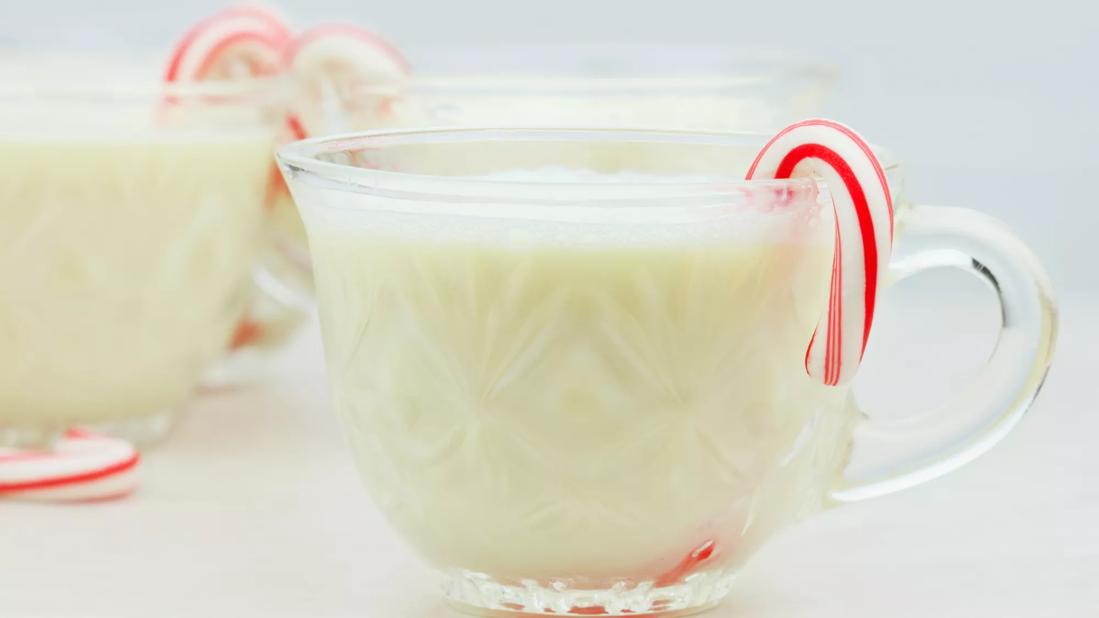
Eggnog is a rich seasonal drink usually made with milk, cream, sugar, eggs, and warm spices such as nutmeg, cinnamon, or vanilla. Some versions are cooked into a custard-like base, while others are mixed cold. Some are nonalcoholic, while adult versions may include spirits. For safety, the most important ingredients are not the spices or the sugar. They are the eggs and dairy.
The “egg” in eggnog is not decorative. Eggs help create the drink’s thick, silky texture, but they also introduce the main food-safety concern. If eggs are raw or undercooked, harmful bacteria may survive. If dairy sits too long at room temperature, bacteria can multiply. In other words, eggnog is delicious, but it is also a perishable food wearing a holiday hat.
Is Store-Bought Eggnog Safe?
In most cases, commercially sold eggnog from the grocery store is safe to drink when it is pasteurized, unopened or properly stored, and kept refrigerated. Pasteurization uses heat treatment to reduce harmful bacteria while keeping the product usable and tasty. That is why store-bought eggnog is generally the safer option for families, parties, and anyone who does not want their holiday memories to involve a thermometer and regret.
Still, “store-bought” does not mean “immortal.” Eggnog must be refrigerated, used by the date on the carton, and discarded if it smells sour, looks curdled, has visible mold, or has been left out too long. If the carton has been sitting on the buffet table while everyone debates whether holiday movies count as cinema, it may no longer be safe.
How to Buy Safer Eggnog
Choose eggnog that says “pasteurized” on the label. Check the sell-by or use-by date. Make sure the carton feels cold at the store, and place it in your refrigerator as soon as you get home. If you are buying eggnog for children, pregnant guests, older adults, or people with weakened immune systems, pasteurized commercial eggnog is usually the smarter choice.
Is Homemade Eggnog Safe?
Homemade eggnog can be safe, but only if it is made carefully. The risky version is the old-fashioned raw-egg style, where uncooked eggs are blended with milk, cream, sugar, and spices. That version may taste nostalgic, but nostalgia does not kill bacteria.
The safest homemade eggnog starts with a cooked egg base. The egg mixture should be heated until it reaches 160°F, which is the temperature commonly recommended for killing harmful bacteria in egg-based mixtures. A food thermometer is the best tool here. Guessing by steam, thickness, vibes, or “Grandma always did it this way” is not a reliable safety method.
Can You Use Pasteurized Eggs?
Yes. Pasteurized shell eggs or pasteurized liquid egg products can reduce risk, especially in recipes that do not fully cook the eggs. If your recipe calls for raw eggs, pasteurized eggs are the safer option. For maximum safety, especially when serving higher-risk guests, a cooked base is still the better approach.
Does Alcohol Make Eggnog Safe?
No, alcohol should not be trusted to make raw-egg eggnog safe. This is one of the most common eggnog myths. While alcohol may slow some bacterial growth in certain conditions, it cannot be relied upon to kill Salmonella in a homemade drink. If the eggs are unsafe, adding liquor does not magically turn the bowl into a science-certified sanitation device.
For family gatherings, school events, mixed-age parties, or any event where children or teens may be present, nonalcoholic eggnog is the safest and most appropriate option. The real safety move is pasteurization, cooking, and refrigerationnot stronger drinks.
Why Raw Eggs Are the Main Concern
Raw eggs can look perfectly clean and still carry bacteria. Salmonella can be present even when the shell is uncracked and the egg looks normal. That is why food-safety experts recommend cooking eggs thoroughly or using pasteurized eggs in recipes that are served raw or lightly cooked.
Salmonella infection can cause symptoms such as diarrhea, fever, stomach cramps, nausea, and vomiting. Many healthy people recover, but the illness can be more serious for young children, pregnant people, older adults, and anyone with a weakened immune system. If someone develops severe symptoms, dehydration, bloody diarrhea, a high fever, or symptoms that last more than a couple of days, medical advice is important.
Who Should Be Extra Careful With Eggnog?
Some people should avoid homemade raw-egg eggnog completely. This includes children under 5, pregnant people, adults 65 and older, and people with weakened immune systems. These groups have a higher risk of serious foodborne illness, so the safer choice is pasteurized commercial eggnog or homemade eggnog made with a fully cooked egg base.
People who are lactose intolerant, allergic to eggs or dairy, managing diabetes, watching saturated fat intake, or avoiding added sugar should also read labels carefully. Eggnog is not exactly a “light refreshment.” It is more like dessert that got poured into a cup and given a sprinkle of nutmeg for confidence.
How to Make Homemade Eggnog Safer
Safe homemade eggnog is not difficult. It just requires a little discipline. Think of it as a custard with holiday ambitions.
Use a Cooked Egg Base
Heat the egg, milk, and sugar mixture slowly while stirring constantly. Use a food thermometer and make sure the mixture reaches 160°F. Do not rush the heat, or you may end up with scrambled eggs floating in milk, which is less “holiday classic” and more “breakfast accident.”
Cool It Quickly
After cooking, cool the mixture quickly. You can place the pan over an ice bath and stir until the temperature drops. Then cover and refrigerate it. The goal is to move the eggnog out of the temperature danger zone as quickly as possible.
Keep It Cold
Eggnog should be stored in a refrigerator at 40°F or below. Do not leave it on the counter for hours. At parties, serve smaller amounts at a time and refill from the refrigerator as needed. Your eggnog does not need to be the centerpiece of the table for the entire evening. It has nothing to prove.
Use Clean Tools
Wash hands, bowls, whisks, countertops, and thermometers before and after handling eggs. Keep raw egg mixtures away from ready-to-eat foods. Cross-contamination is sneaky, especially in busy kitchens where someone is frosting cookies, someone else is carving roast meat, and one mysterious cousin keeps opening the refrigerator just to stare inside.
How Long Can Eggnog Sit Out?
As a general rule, eggnog should not sit out for more than two hours. If the room is especially warm, the safe window becomes shorter. Because eggnog contains dairy and eggs, it belongs in the refrigerator when it is not being served.
If you are hosting, pour eggnog into a small pitcher instead of placing the entire batch on the table. Keep the rest chilled. If the pitcher has been sitting out too long, discard it. Throwing away questionable eggnog may feel dramatic, but food poisoning is far more dramatic and has much worse lighting.
How to Tell If Eggnog Has Gone Bad
Bad eggnog is not subtle forever. Warning signs include a sour smell, a lumpy or curdled texture, unusual thickness, mold, gas pressure in the carton, or an off flavor. If it looks wrong, smells wrong, or has been left unrefrigerated too long, do not taste-test it. The “tiny sip to check” method is not bravery. It is a shortcut to learning too much about your digestive system.
Always follow the date on the package for unopened eggnog. Once opened, use it within the timeframe recommended on the label. Homemade eggnog should be refrigerated in a clean, covered container and consumed within a few days. When in doubt, throw it out.
Is Eggnog Healthy?
Eggnog can contain protein, calcium, vitamin D, and other nutrients from milk and eggs, but it is also often high in calories, saturated fat, and added sugar. That does not make it forbidden. It just means eggnog is best enjoyed as an occasional treat, not as a hydration strategy.
A small serving can fit into a balanced holiday menu. You can also choose lower-fat commercial versions, plant-based nogs, or recipes with less sugar. Just remember that “dairy-free” or “vegan” does not automatically mean low-calorie or bacteria-proof. Plant-based drinks still need proper refrigeration after opening.
Common Eggnog Safety Myths
Myth 1: “If the eggs are organic, they are safe raw.”
Organic eggs still need safe handling. Farming methods do not eliminate all risk from raw or undercooked eggs.
Myth 2: “If the eggshell is clean, the egg is safe.”
Clean shells are good, but bacteria can still be present. Appearance alone is not a safety test.
Myth 3: “Alcohol kills everything.”
Not reliably in eggnog. Cooking and pasteurization are the real safety tools.
Myth 4: “If it tastes fine, it is fine.”
Some harmful bacteria do not change the taste, smell, or appearance of food. Safe storage matters even when the flavor seems normal.
Practical Eggnog Safety Checklist
- Buy pasteurized commercial eggnog when possible.
- For homemade eggnog, cook the egg base to 160°F.
- Use pasteurized eggs if a recipe calls for raw or lightly cooked eggs.
- Keep eggnog refrigerated at 40°F or below.
- Do not leave eggnog out for more than two hours.
- Serve small portions and refill from the refrigerator.
- Skip raw-egg eggnog for children, pregnant people, older adults, and immunocompromised guests.
- Discard eggnog that smells sour, looks curdled, or has been left out too long.
So, Is Eggnog Safe to Drink?
Yes, eggnog is safe to drink when it is pasteurized, cooked properly, stored cold, and served responsibly. Store-bought eggnog is usually the safest and easiest option because it is typically pasteurized. Homemade eggnog can also be safe, but raw-egg versions are risky, especially for people more likely to get seriously sick from foodborne illness.
The best rule is simple: if you want classic homemade flavor, cook the egg base. If you want convenience, buy pasteurized eggnog. If someone tells you alcohol makes raw eggs safe, smile politely, protect the punch bowl, and reach for the food thermometer.
Real-Life Experience: What Eggnog Safety Looks Like at Holiday Gatherings
Eggnog safety sounds technical until you see it play out in a real kitchen. Picture a holiday gathering where the counter is crowded with cookies, pies, casseroles, and one giant bowl of homemade eggnog sitting proudly in the middle like it won a pageant. Everyone loves it. Everyone also keeps walking past it, dipping cups into it, talking over it, and letting it sit there while the house gets warmer and warmer. By the second hour, that charming bowl has gone from “festive tradition” to “food-safety question mark.”
One of the easiest lessons from real-life hosting is that serving style matters. A big batch may look beautiful, but smaller pitchers are safer. Keep most of the eggnog in the refrigerator and bring out only what guests will drink soon. This one small habit keeps the drink colder, fresher, and less likely to become the villain of the evening.
Another common experience is the family recipe debate. Many families have a beloved eggnog recipe passed down for decades. It may call for raw eggs, a mountain of sugar, and instructions written in the emotional language of “mix until it looks right.” Updating that recipe does not mean disrespecting tradition. It means giving tradition a seatbelt. Cooking the egg base keeps the creamy flavor while lowering the risk. Most guests will not notice the safety upgrade, especially once the nutmeg lands on top.
Parents and hosts also learn quickly that guests have different needs. Someone may be pregnant. Someone may be recovering from illness. Someone may be older or have a medical condition. Children may want to try whatever the adults are drinking. Having a pasteurized, nonalcoholic option makes the gathering easier and more inclusive. It also avoids awkward label-reading at the refrigerator while everyone else is trying to find the whipped cream.
There is also the “leftover carton” experience. After a party, eggnog often ends up pushed behind cranberry sauce, salad dressing, and a suspicious container nobody wants to claim. A few days later, someone opens it and wonders if it is still good. The safest habit is to label homemade eggnog with the date it was made and follow the storage guidance on commercial cartons. If it smells sour, looks separated in a strange way, or has been sitting open too long, let it go. Not every holiday leftover deserves a comeback tour.
The best eggnog experience is the one where nobody has to think about safety because the safe choices were already made. The carton was pasteurized. The homemade batch was cooked. The pitcher stayed cold. The serving time was reasonable. The result is simple: people get the cozy flavor, the nostalgic smell of nutmeg, and the creamy holiday mood without turning dessert into a digestive gamble.
Conclusion
Eggnog can absolutely be part of a safe and joyful holiday season. The key is knowing the difference between safe eggnog and risky eggnog. Pasteurized store-bought eggnog is generally safe when refrigerated and consumed by the date on the package. Homemade eggnog should be made with pasteurized eggs or, better yet, a cooked egg base that reaches 160°F. Alcohol is not a safety shortcut, and raw eggs are not worth the gamble for higher-risk guests.
In the end, eggnog is like holiday decorating: wonderful when done thoughtfully, chaotic when nobody reads the instructions. Keep it cold, cook it properly, serve it smartly, and enjoy every creamy sip with confidence.