Dong quai has spent centuries building a reputation as a go-to herb for menstrual discomfort, menopause symptoms, and “women’s health” in general. Its nickname, “femalowever, is much less dramatic.
Also known as Angelica sinensis, Chinese angelica, dang gui, or tang-kuei, dong quai is commonly sold as capsules, tablets, liquid extracts, powders, teas, and multi-herb formulas. People may use it for hot flashes, painful periods, irregular menstruation, fatigue, circulation, or hormonal balance. Yet many of these uses come from traditional practice, laboratory research, or combination formulas rather than strong clinical trials of dong quai by itself. plains what dong quai is used for, what the research actually says, why there is no universally accepted dosage, which side effects can occur, and who should leave this particular root on the shelf.
What is dong quai?
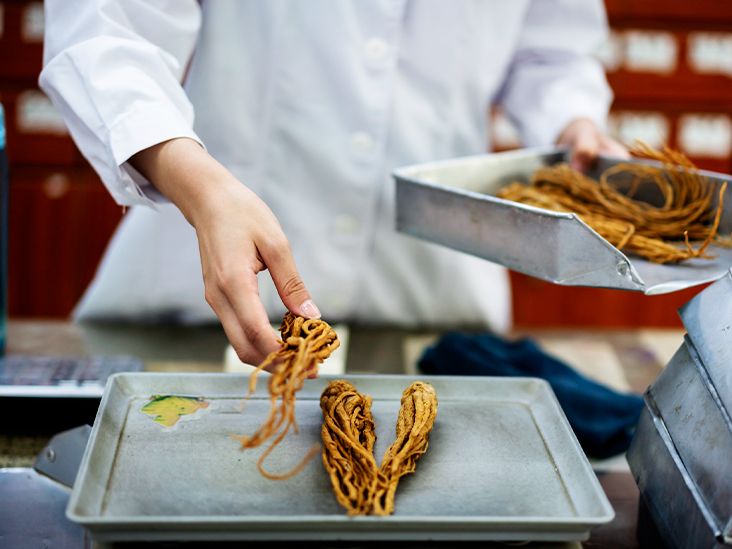
Dong quai is the dried root of Angelica sinensis, a plant in the same botanical family as carrots, celery, parsley, and fennel. It is native to parts of East Asia and has a long history in traditional Chinese medicine, where it is usually included in carefully selected herbal formulas rather than prescribed as a solo act.
The root contains several biologically active compounds, including ligustilide, ferulic acid, plant sterols, volatile oils, and polysaccharides. Laboratory and animal studies suggest that some of these compounds may affect inflammation, smooth-muscle activity, circulation, blood clotting, oxidative stress, and cell signaling. That sounds promising, but a laboratory dish is not a human body wearing sweatpants and dealing with cramps on a Tuesday. Preclinical findings cannot prove that a supplement will safely treat a medical condition in people. alled “female ginseng”?
The nickname reflects its traditional use for menstrual and reproductive concerns. Dong quai is not botanically related to Asian or American ginseng, and the name does not mean it produces the same effects. It is mainly a cultural and commercial label rather than a scientific classification.
What is dong quai used for?
Most proposed dong quai benefits fall into the categories of menstrual health, menopause support, circulation, pain, and general vitality. The strength of evidence varies from “not enough research” to “studies have not shown a meaningful benefit.”
Menopause and hot flashes
Dong quai is frequently promoted as a natural remedy for hot flashes, night sweats, mood changes, vaginal dryness, and other menopause symptoms. However, major medical sources conclude that evidence is insufficient or negative.
In a randomized, double-blind, placebo-controlled study of postmenopausal women, dong quai used alone did not significantly improve hot flashes or produce meaningful estrogen-like changes in vaginal cells, hormone levels, or endometrial thickness. Reviews of clinical trials have similarly found no convincing benefit for hot flashes. NCCIH states that too little research exists to draw favorable conclusions, while Mayo Clinic notes that studies have not found dong quai effective for hot flashes. rb formulas containing dong quai have shown possible improvements in certain studies. The catch is that researchers cannot determine whether dong quai caused the effect, another ingredient did the heavy lifting, or the entire combination mattered. A smoothie containing blueberries, spinach, yogurt, and six other ingredients cannot prove that one blueberry deserves all the applause.
Menstrual cramps and painful periods
Traditional practitioners use dong quai for dysmenorrhea, or painful menstruation, as well as irregular cycles and absent periods. Compounds in the root have shown antispasmodic and smooth-muscle effects in laboratory or animal research, which provides a possible explanation for its traditional use.
Still, high-quality human studies of dong quai alone for menstrual cramps are limited. Many available studies investigate Chinese herbal formulas containing several ingredients. Therefore, it is not possible to say that dong quai reliably relieves cramps, regulates periods, or treats an underlying gynecologic condition. , very heavy bleeding, bleeding between periods, or new menstrual changes deserve medical evaluation. Conditions such as endometriosis, fibroids, adenomyosis, thyroid disease, pregnancy complications, and bleeding disorders should not be treated with guesswork and a mysterious bottle from the supplement aisle.
Premenstrual syndrome
Dong quai is sometimes included in supplements marketed for bloating, breast tenderness, mood changes, and other premenstrual syndrome symptoms. Research has not established dong quai alone as an effective PMS treatment. Product claims may be based largely on traditional use, proposed hormonal activity, or findings from combination products.
Anemia, fatigue, and “blood building”
In traditional Chinese medicine, dong quai may be described as nourishing or invigorating the blood. This concept does not directly equal the Western medical diagnosis of iron-deficiency anemia.
Dong quai should not replace iron testing, a complete blood count, or treatment for blood loss. Someone with fatigue, weakness, shortness of breath, dizziness, pale skin, or heavy periods may need evaluation for iron deficiency, vitamin deficiency, internal bleeding, thyroid disease, or another medical problem. There is no strong evidence that an over-the-counter dong quai supplement corrects clinical anemia.
Circulation and cardiovascular health
Laboratory studies suggest that certain dong quai constituents may affect blood vessels, platelet activity, and blood clotting. These effects have led to claims about circulation and cardiovascular support, but they also create one of the herb’s most important safety concerns: increased bleeding risk.
Dong quai should not be used as a substitute for prescribed treatment for blood clots, stroke prevention, heart disease, high blood pressure, or poor circulation. “Natural blood thinner” is not a harmless wellness slogan. It can become a medical problem surprisingly quickly.
Inflammation, pain, and joint health
Anti-inflammatory, antioxidant, antispasmodic, bone-related, and tissue-repair effects have been observed in laboratory and animal studies. Researchers have explored dong quai compounds in relation to arthritis, wound healing, nerve pain, and other conditions. Human evidence remains too limited to recommend dong quai as a proven treatment for chronic pain, inflammatory disease, or joint disorders. during prostate cancer treatment
Dong quai has also been studied in men experiencing hot flashes during androgen-deprivation therapy for prostate cancer. A small randomized pilot trial found no significant advantage over placebo in the frequency, severity, or duration of hot flashes. tion>
Does dong quai affect estrogen?
This question does not have a tidy yes-or-no answer. Some laboratory extracts have shown estrogen-like activity or stimulated certain breast cancer cell lines. Other evidence suggests that dong quai does not directly bind strongly to estrogen receptors, and a human trial did not find meaningful changes in estrogen levels or endometrial thickness.
The most accurate conclusion is that dong quai’s hormonal activity remains uncertain and may depend on the extract, concentration, preparation method, and other ingredients in a formula. People with breast, ovarian, uterine, or other hormone-sensitive cancers should not assume it is safe simply because it is sold as an herb. Memorial Sloan Kettering advises caution because laboratory findings suggest possible effects on breast cancer cells. tion>
Dong quai dosage
There is no standard medically established dose
No FDA-approved dong quai dosage exists for menopause, menstrual cramps, PMS, anemia, or any other medical condition. Researchers have used different roots, extracts, concentrations, and multi-herb formulas, making the results difficult to compare.
Traditional references and commercial products may describe crude-root preparations in gram amounts or concentrated extracts in milligram amounts. Published reference material reports that decoctions have varied from approximately 3 to 15 grams of crude root per day, while some combination products contain much smaller quantities of concentrated material. These figures describe historical or studied use; they are not universal instructions for self-treatment. </plabeled “500 mg dong quai” may not be equivalent. One may contain powdered root, another a concentrated extract, and another a proprietary blend that treats ingredient quantities like a state secret. Extraction ratios, plant species, plant parts, active-compound levels, and manufacturing quality all matter.
Why following the bottle may not be enough
In the United States, dietary supplements do not go through the same premarket approval process as prescription drugs. The FDA does not approve supplements for safety and effectiveness before most products reach consumers, and serving sizes are generally selected by manufacturers. professional or pharmacist should review the exact product, its Supplement Facts panel, the reason for taking it, existing medical conditions, and all medications and supplements. This is especially important when the product combines dong quai with black cohosh, red clover, ginseng, licorice, ginger, ginkgo, or other ingredients that may introduce additional interactions.
How long can dong quai be taken?
Long-term safety has not been adequately established. Research does not provide a dependable maximum duration for daily use. Continuing indefinitely because “nothing bad has happened yet” is not a safety strategy; it is merely optimism wearing a lab coat.
Dong quai side effects
Dong quai is sometimes tolerated without obvious problems, but “generally tolerated” does not mean “risk-free.” Reported or possible side effects include:
- Diarrhea or loose stools
- Bloating and abdominal discomfort
- Reduced appetite
- Headache or dizziness
- Skin sensitivity to sunlight
- Rash or allergic reaction
- Unusual bruising or bleeding
- Changes in menstrual bleeding
- Rare reports of elevated blood pressure or breast enlargement in males
Memorial Sloan Kettering lists bloating, appetite loss, diarrhea, photosensitivity, gynecomastia, and hypertension among reported reactions. Because some evidence comes from case reports or products containing multiple herbs, it is not always possible to prove that dong quai alone caused the event. </pivity
Dong quai may make the skin more sensitive to sunlight in some users. That may increase the chance of burning, redness, or a phototoxic skin reaction. People taking it should be cautious with intense sun exposure and avoid assuming that one heroic dab of sunscreen at breakfast provides an invisible force field until dinner. 3>
Easy bruising, prolonged bleeding from small cuts, frequent nosebleeds, unusually heavy periods, blood in urine, black stools, vomiting blood, or a sudden severe headache require prompt medical attention. A published case described a patient whose blood-clotting measurement rose substantially after dong quai was added to stable warfarin therapy and returned toward normal after the herb was stopped. k emergency help
Emergency care may be needed for trouble breathing, facial or throat swelling, fainting, severe weakness, uncontrolled bleeding, vomiting blood, black or bloody stools, sudden neurologic symptoms, or a severe unexplained headache.
Dong quai drug interactions
Blood thinners and antiplatelet drugs
The best-known interaction involves medicines that reduce clotting. Dong quai may increase bleeding risk when combined with warfarin, heparin, apixaban, rivaroxaban, dabigatran, edoxaban, aspirin, clopidogrel, or similar drugs. Evidence is strongest for concern with warfarin, although caution is reasonable with other anticoagulant and antiplatelet therapies. g quai with other supplements that may affect clotting, such as ginkgo, garlic, high-dose ginger, red clover, or high-dose vitamin E, could add to the risk.
Drugs processed by liver enzymes
Laboratory and limited clinical observations suggest that prolonged dong quai use may affect CYP3A4, an enzyme involved in processing many medications. The clinical importance remains uncertain, but potential interactions could alter drug levels. Memorial Sloan Kettering also notes case reports involving altered clozapine metabolism. </pery or dental procedures
Because of possible bleeding effects, anyone using dong quai should inform the surgeon, dentist, anesthesiologist, and pharmacist before a procedure. A clinician may recommend discontinuing it beforehand, but the timing should be individualized rather than copied from a random forum comment written by someone named HerbWizard92.
Who should avoid dong quai?
Dong quai is generally inappropriate without direct professional guidance for people who:
- Are pregnant, trying to become pregnant, or could be pregnant
- Are breastfeeding
- Take anticoagulant or antiplatelet medication
- Have a bleeding disorder or unusually heavy menstrual bleeding
- Are preparing for surgery or an invasive dental procedure
- Have breast, ovarian, uterine, or another hormone-sensitive cancer
- Have unexplained vaginal bleeding
- Have a known allergy to plants in the carrot or celery family
- Take medications with a narrow therapeutic range
Pregnancy
Concentrated dong quai supplements should be avoided during pregnancy. The herb may influence uterine activity, and adequate safety data for fetal development are lacking. Cleveland Clinic includes Chinese angelica among oral supplements to avoid during pregnancy. ng
Reliable information about transfer into breast milk, infant effects, and milk production is unavailable. LactMed notes that dong quai has no generally recognized lactation-related use and may increase bleeding risk or cause photosensitivity. Avoiding it while breastfeeding is the cautious approach.
How to choose a dong quai supplement more carefully
Choosing a better-quality product cannot transform weak evidence into strong evidence, but it may reduce uncertainty about what is inside the bottle.
- Look for the scientific name Angelica sinensis, not merely “angelica.” Related species may have different chemical profiles.
- Prefer labels that state the plant part, such as root.
- Avoid proprietary blends that hide individual ingredient amounts.
- Check for independent testing by a recognized third-party organization.
- Avoid products promising to cure anemia, balance every hormone, prevent cancer, or replace prescription treatment.
- Purchase from manufacturers that provide lot numbers, contact information, and transparent quality standards.
The FDA does not routinely test every supplement before sale and generally relies on manufacturers for initial quality and safety responsibilities. A polished label with leaves, gold lettering, and the word “ancient” is not laboratory verification. tion>
Experiences with dong quai: What real-world use may look like
The following scenarios are illustrative composites, not testimonials or proof of effectiveness. They show why individual experiences can be useful for raising questions but cannot replace controlled research.
Experience 1: The hot-flash experiment
Consider a 52-year-old experiencing several hot flashes each day. She begins a menopause blend containing dong quai, black cohosh, red clover, magnesium, and vitamin B6. Three weeks later, she reports fewer hot flashes and better sleep.
It is tempting to declare dong quai the winner. However, several explanations are possible. Symptoms naturally fluctuate. Better sleep routines may have helped. Another ingredient may have had an effect. Expectations may have influenced symptom reporting. Even seasonal temperature changes can make hot flashes feel more or less intense.
This is why multi-ingredient products create an evidence puzzle. A positive experience may be genuine, but it cannot identify the active ingredient. Clinical studies of dong quai alone have not shown reliable hot-flash relief. 2: Period cramps improve, but the diagnosis is missed
A 29-year-old starts dong quai tea for severe monthly cramps. During the first cycle, the pain feels slightly better. During the second, it returns with heavy bleeding and pain during bowel movements. She doubles the tea, assuming she simply needs a stronger batch.
The more important issue is not whether the herb “worked” once. Severe or progressive menstrual pain can be associated with endometriosis, fibroids, adenomyosis, ovarian conditions, or other problems that require evaluation. Temporary improvement should not become a reason to postpone care.
A useful symptom diary would record pain severity, bleeding, cycle timing, digestive symptoms, medications, supplements, and missed activities. That information gives a clinician far more to work with than “the tea helped, except when it didn’t.”
Experience 3: The interaction hiding in plain sight
A 67-year-old taking warfarin starts dong quai after reading that it “supports circulation.” A few weeks later, she notices large bruises after minor bumps and bleeding when brushing her teeth. Because the supplement is natural, she does not initially list it as a medication.
This is precisely the kind of situation healthcare professionals worry about. Herbs, vitamins, teas, gummies, powders, and tinctures belong on the medication list. Published evidence includes a case in which adding dong quai to stable warfarin therapy substantially increased anticoagulation. simple: “supports circulation” and “may increase bleeding” can describe the same biological effect from two very different marketing angles.
Experience 4: Two bottles, two very different products
A shopper finishes one bottle of dong quai without side effects and buys another brand at a lower price. The first contained powdered root. The second contains a concentrated extract plus five additional herbs. The serving sizes look similar, but the products are not chemically equivalent.
After switching, the shopper develops stomach upset and a sun-sensitive rash. The reaction could involve the stronger extract, another ingredient, contamination, or a completely unrelated cause. Without transparent labeling and medical assessment, identifying the culprit is difficult.
This experience highlights why users should introduce only one new supplement at a time, save the packaging and lot number, and stop the product when a concerning reaction appears. Serious reactions should be reported to a healthcare professional and, when appropriate, to the FDA’s adverse-event reporting system.
What these experiences teach us
Personal stories can reveal side effects, prompt research questions, and help people describe what they noticed. They cannot establish effectiveness because they lack randomization, blinding, comparison groups, consistent products, and objective outcome measurements.
Anyone trying dong quai with professional approval should define a specific goal, establish a limited review period, track symptoms, avoid adding several supplements simultaneously, and stop if bleeding, rash, digestive problems, or other concerning effects occur. If there is no measurable benefit, continuing forever out of loyalty to the bottle makes little sense.
Frequently asked questions
Can dong quai balance hormones?
There is no accepted medical definition of a supplement “balancing” hormones, and dong quai has not been proven to normalize estrogen, progesterone, or other reproductive hormones. Its possible estrogen-like activity remains uncertain.
Can dong quai make a period start?
Dong quai is traditionally used for absent or irregular menstruation, but it is not a reliable or medically approved way to induce a period. A missed period may result from pregnancy, stress, weight changes, polycystic ovary syndrome, thyroid disease, perimenopause, medication, or other causes.
Can men take dong quai?
Men can physically consume dong quai, but evidence for meaningful benefits is limited. A small study in men with treatment-related hot flashes did not find significant improvement over placebo. Potential bleeding, hormonal, digestive, and drug-interaction concerns still apply.
Can dong quai be taken with birth control?
Reliable interaction studies are lacking. Because dong quai may have uncertain hormonal activity and can affect drug-metabolizing enzymes, users of hormonal contraception should consult a pharmacist or prescribing clinician before combining them.
Is dong quai safe every day?
Long-term daily safety has not been established, and risk depends on the product, dose, medical history, and other medications. Daily use should not be assumed safe merely because the supplement is available without a prescription.
Conclusion
Dong quai is a historically important herbal medicine with intriguing chemical compounds and a long tradition of use for menstrual and menopausal concerns. Tradition, however, is not the same as clinical proof.
Current human evidence does not show that dong quai reliably relieves hot flashes, and research on menstrual cramps, PMS, anemia, circulation, and other promoted uses remains limited or complicated by multi-herb formulas. No standardized, FDA-approved dong quai dosage exists.
The herb can also cause digestive symptoms, photosensitivity, allergic reactions, and potentially dangerous bleeding interactions. Pregnant or breastfeeding people, anyone using blood thinners, and those with hormone-sensitive conditions should avoid it unless a qualified clinician specifically advises otherwise.
Dong quai is not automatically useless, and it is certainly not automatically safe. It belongs in the category labeled “interesting, unproven, and deserving of a medication-interaction check” rather than the category labeled “miracle root that fixes every hormone before breakfast.”