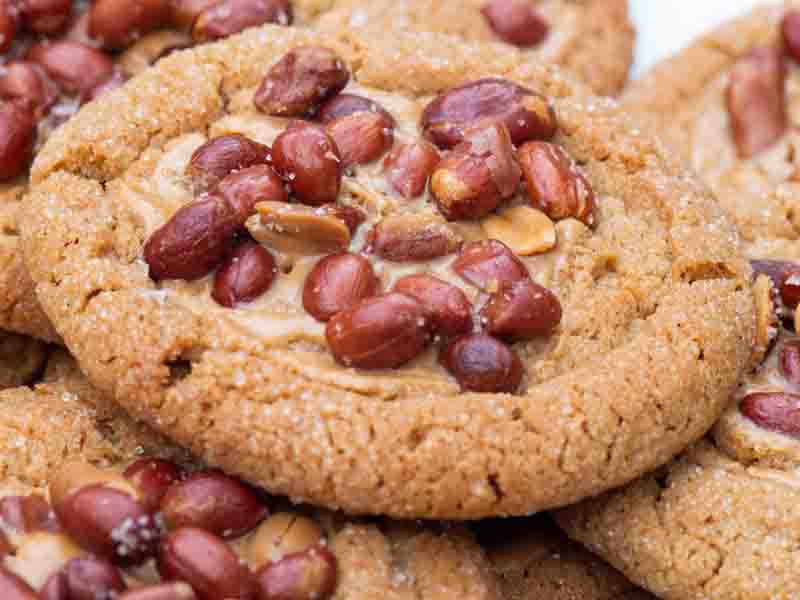
A Nancy Silverton book signing is not the kind of literary event where people stand around pretending they are “just browsing” while secretly eyeing the refreshment table. Add a cookie tasting to the mix, and suddenly the room has the cheerful electricity of a bakery at 8 a.m.: butter in the air, cookbooks in hand, and a crowd of people who understand that a really good cookie can cause a small personality change.
The event title, Nancy Silverton Book Signing & Cookie Tasting, sounds simple, but it carries a lot of delicious weight. Silverton is one of the most influential American chefs, bakers, restaurateurs, and cookbook authors of the last several decades. She helped shape the modern artisan bread movement through La Brea Bakery, built a celebrated Los Angeles restaurant world around Osteria Mozza, Pizzeria Mozza, and Chi Spacca, and turned precision baking into something that feels both serious and deeply generous.
At the center of this signing-and-tasting experience is her cookbook The Cookie That Changed My Life, written with Carolynn Carreño. The book is not merely a collection of cookies, though cookies absolutely get their main-character moment. It is a full-on baking bible with more than 100 recipes covering cookies, cakes, pies, breads, breakfast pastries, bars, and other classic American baked goods that Silverton approached with the intensity of a chef who has spent decades asking, “But could this be better?”
Why a Nancy Silverton Cookie Event Feels Different
Book signings are often quiet affairs: a table, a stack of books, a polite line, and maybe a pen that gives up halfway through the afternoon. A Nancy Silverton cookie tasting brings a different kind of energy. It is part cookbook celebration, part baking lesson, part culinary fan club meeting, and part butter-powered social hour. People come because they admire Silverton, but they stay because the experience makes baking feel personal.
The listed Nickey Kehoe event in Los Angeles framed the afternoon as “cookies and conversation,” with Silverton signing copies of The Cookie That Changed My Life. That phrase matters. Cookies and conversation are exactly the right ingredients for this kind of gathering. A cookie is approachable. It does not wear a tuxedo. It does not require tweezers, foam, or a 14-syllable sauce. Yet in Silverton’s hands, a cookie becomes a serious study in texture, timing, balance, and memory.
That is the magic of the event. Guests are not just meeting a famous chef. They are stepping into a conversation about why familiar baked goods still deserve attention. A chocolate chip cookie can be ordinary, or it can be the one you remember for years. A peanut butter cookie can be a lunchbox snack, or it can become the spark for an entire cookbook. Silverton’s point is not that every dessert must be complicated. Her point is better: every dessert should be worth eating.
Who Is Nancy Silverton?
Nancy Silverton is often described as a chef, baker, author, and restaurateur, but even that list feels a little too tidy. She is one of the people responsible for changing how Americans think about bread, pizza, pastries, and Italian-Californian cooking. Her career includes early work as the original pastry chef at Wolfgang Puck’s Spago, the founding of La Brea Bakery in Los Angeles in 1989, and the creation or co-creation of restaurants that have become landmarks in American dining.
Silverton’s influence is not only about recipes. It is about standards. She became known for taking humble foods seriously before “artisan” became a supermarket sticker. At La Brea Bakery, she helped introduce more Americans to naturally leavened, crusty, deeply flavored bread at a time when soft packaged loaves dominated many bread baskets. Later, at Osteria Mozza and Pizzeria Mozza, she brought that same obsession with dough, fermentation, dairy, produce, and technique into restaurant dining.
Her honors tell the story, too. Silverton won the James Beard Foundation’s Outstanding Pastry Chef award early in her career, later won Outstanding Chef, and was named the 2026 James Beard Lifetime Achievement Award honoree. She has also been recognized by major culinary publications and institutions for her lasting influence. In plain English: when Nancy Silverton speaks about cookies, bakers listen. When she signs a cookbook, people do not just want the autograph; they want a little piece of the method, the memory, and the confidence.
The Book Behind the Event: The Cookie That Changed My Life
The Cookie That Changed My Life was published in 2023 and quickly became a standout baking title. The book’s concept began with a peanut butter cookie that impressed Silverton so much it pushed her to rethink the American baking canon. Instead of chasing novelty for novelty’s sake, she set out to create ideal versions of beloved baked goods: cookies, bars, cakes, pies, breads, biscuits, muffins, and pastries that many home bakers already know, but may never have experienced at their highest potential.
That idea is perfect for a book signing and cookie tasting because it gives every bite a story. Guests are not sampling random sweets. They are tasting the result of a question: what makes a familiar recipe unforgettable? Is it the ratio of brown sugar to white sugar? The rest time? The temperature of the butter? The grind of the nut? The right amount of salt? The kind of detail that sounds fussy until you bite the finished cookie and immediately forgive every extra instruction.
Why Home Bakers Love Silverton’s Approach
Silverton’s recipes are known for being detailed, but the detail is not there to intimidate. It is there to remove guesswork. In interviews about the book, she has explained that long instructions do not always mean difficult techniques. Sometimes they mean the author is walking you through every stage so you do not have to wonder whether your dough is too soft, your edges are too dark, or your pan is plotting against you.
This is especially helpful for home bakers. Professional kitchens operate with scales, timers, trained hands, and repeated practice. Home kitchens operate with one missing measuring spoon, a slightly moody oven, and someone asking where the phone charger is just as the caramel reaches the danger zone. Silverton bridges that gap by writing recipes that anticipate real-world baking problems.
What Happens at a Cookie Tasting?
A cookie tasting is more than “eat cookie, smile, repeat,” although nobody would complain if that were the official agenda. A well-designed cookie tasting invites guests to notice the small things: crisp edges, chewy centers, toasted nuts, caramelized sugar, bitter chocolate, warm spice, and the way salt can make sweetness stand up straighter.
At a Nancy Silverton book signing, the tasting experience naturally becomes educational. People may compare textures, ask about technique, talk about which recipes are beginner-friendly, or debate whether a cookie should be soft, crunchy, or capable of both in the same bite. It is the rare event where “I came for the cookies” sounds perfectly respectable.
Expect Conversation, Not a Lecture
The best culinary events feel personal. Silverton’s reputation includes not only technical mastery but also generosity with knowledge. That makes a signing event feel less like a celebrity appearance and more like a gathering around a kitchen counter. Guests may want to know which recipe to bake first, how to improve their chocolate chip cookies, whether chilling dough really matters, or how to stop overbaking shortbread into edible roofing tile.
The answer, often, comes back to attention. Use good ingredients. Read the recipe before starting. Respect the resting time. Taste as you go when possible. And remember that baking is not about perfection for its own sake; it is about creating something people want to share.
Why Cookies Are the Perfect Gateway to Nancy Silverton’s World
Cookies may seem small compared with Silverton’s famous breads, pizzas, and restaurant dishes, but they are a perfect introduction to her philosophy. A cookie is simple enough for a beginner and complex enough for a master. It rewards precision but forgives enthusiasm. It can be rustic, elegant, nostalgic, or surprising. Most importantly, it creates instant emotional feedback. Nobody takes a bite of a great cookie and says, “Interesting.” They say, “Oh wow,” usually with crumbs on their shirt.
That emotional reaction is central to Silverton’s work. Whether she is developing bread, pizza dough, gelato, pasta, or cookies, the goal is not simply to execute a technique. The goal is pleasure with structure behind it. A great cookie should taste casual, but getting there requires discipline.
How to Prepare for a Nancy Silverton Book Signing
If you are attending a book signing and cookie tasting with Nancy Silverton or a similar culinary author event, a little preparation makes the experience even better. First, bring or purchase the cookbook early. Events with well-known chefs can attract dedicated food lovers, and cookbooks may sell quickly. If books are available on-site, buying one there supports the host venue and keeps the signing line moving smoothly.
Second, think of one thoughtful question. Instead of asking “What is your favorite recipe?” try something more useful: “Which recipe from the book is best for a beginner who wants to learn texture?” or “What is the most common mistake home bakers make with cookies?” A good question can turn a brief signing moment into a memorable exchange.
Third, taste with curiosity. Notice whether the cookie is crisp, sandy, chewy, tender, or cakey. Pay attention to how sweetness is balanced. Great baking is full of small choices, and tastings are a fun way to train your palate without pretending to be a judge on a dramatic cooking show.
The Los Angeles Connection
A Nancy Silverton event in Los Angeles feels especially fitting because the city is central to her story. La Brea Bakery began there. Osteria Mozza, Pizzeria Mozza, Chi Spacca, and Mozza2Go helped define a particular style of Los Angeles dining: ingredient-focused, polished but warm, rooted in Italian tradition while unmistakably Californian. The city’s farmers markets, relaxed sophistication, and appetite for reinvention all show up in Silverton’s work.
Nickey Kehoe, the Los Angeles design destination that hosted the listed book signing and cookie tasting, also fits the mood. The setting blends home, craft, aesthetics, and hospitalityexactly the right environment for a cookbook that belongs as much on the kitchen counter as on the coffee table. A beautiful room, a signed cookbook, and a cookie worth discussing: that is a strong afternoon.
What Makes The Cookie That Changed My Life SEO-Worthy and Reader-Worthy?
From a publishing perspective, the topic has strong search appeal because it combines several audience interests: celebrity chef events, cookbook signings, cookie recipes, baking tips, Los Angeles food culture, and Nancy Silverton’s career. Readers searching for Nancy Silverton Book Signing & Cookie Tasting may want event details, but they also want context. Who is she? Why does the book matter? What makes the cookies special? Is this worth attending, buying, or baking from?
The answer is yes for anyone who loves baking with purpose. Silverton’s cookbook is not a trend piece built around a single viral recipe. It is a serious, generous, deeply American baking book from a chef who has spent her career refining familiar foods until they become extraordinary. That makes the event more than a signing. It becomes a small celebration of craft.
Specific Examples of What Guests Might Learn
At an event like this, the lessons are often practical. A baker might learn why room-temperature butter is not the same as melted butter. Someone else might discover that salt is not optional in sweets; it is the tiny spotlight that keeps sugar from becoming flat. Another guest might finally understand why chilling dough can improve flavor and structure. A careful listener may leave knowing that the difference between a good cookie and a memorable cookie often comes down to patience.
The cookbook’s broader range also encourages bakers to move beyond cookies. After trying one recipe, readers may wander into cakes, pies, breads, biscuits, and breakfast pastries. That is one of the pleasures of a strong cookbook: it begins with a craving and quietly builds skill.
A 500-Word Experience: What a Nancy Silverton Book Signing & Cookie Tasting Feels Like
Imagine arriving at a late-afternoon book signing where the room feels relaxed but alert, the way people get when they suspect something excellent is about to come out of the oven. There are cookbooks stacked neatly, a signing table ready, and the unmistakable social choreography of food lovers trying to act casual around cookies. Someone says, “I’m only having one,” which is adorable because everyone knows math behaves differently at tastings.
The first experience is sensory. Before anyone talks about recipes, awards, or restaurants, there is aroma. Butter has a way of introducing itself before any person does. Toasted sugar, chocolate, peanut butter, spice, and vanilla all create a warm invitation. You may not know which cookie you are smelling first, but your brain has already RSVP’d yes.
Then comes the tasting. A cookie may look simple on the plate, but the first bite tells a bigger story. Maybe the edge gives a delicate snap while the center stays soft. Maybe the chocolate is not just sweet but deep and slightly bitter. Maybe the salt arrives at the end and makes the whole cookie taste more alive. Suddenly, you understand why Silverton would build a book around the idea that one cookie can change your standards. It is not dramatic. It is accurate.
The signing line becomes its own little community. People compare notes in low voices: which recipe they want to try first, whether they have ever been to Osteria Mozza, how many cookbooks they own but definitely still need one more. Someone mentions La Brea Bakery. Someone else talks about pizza dough. A third person is simply guarding their cookie sample with the seriousness of a museum curator.
When it is your turn to meet Nancy Silverton, the moment may be brief, but it carries the charm of meeting someone whose work has lived in kitchens for years. You might ask a practical question: “What should I bake first?” or “How do I know when a cookie is done?” The answer may be short, but it feels useful because it comes from a chef who has spent decades noticing the details most people rush past.
The best part of the experience is what happens after. You leave with a signed cookbook, maybe a few crumbs, and an unreasonable amount of confidence. On the way home, you start planning. You will buy better butter. You will read the full recipe before beginning. You will not ignore the instruction to chill the dough. You will become the kind of person who owns parchment paper before needing it.
And when you finally bake from the book, the event returns to you. The memory is not only Nancy Silverton at a table signing books. It is the taste of a cookie that made everyone in the room pause for half a second. That pause is the real souvenir. It is the moment when a familiar dessert becomes new again.
Conclusion
Nancy Silverton Book Signing & Cookie Tasting is more than a charming food event title. It is a perfect snapshot of Silverton’s career: rigorous technique, warm hospitality, iconic baking, and the belief that even the most familiar foods deserve excellence. Her cookbook The Cookie That Changed My Life turns classic American baked goods into a master class in flavor, texture, and care. A signing event gives fans, home bakers, and curious cookie lovers the chance to connect with that philosophy in the most enjoyable way possible: through conversation, a signed book, and a cookie worth remembering.
Note: This article is based on verified public information about Nancy Silverton, her cookbook, her restaurants, her culinary honors, and the listed Los Angeles book signing and cookie tasting event. It has been fully rewritten in original language for web publication.