Note: Body-only HTML, ready to copy and publish.
An outdoor kitchen sounds romantic until you realize your “setup” is one folding table, one pair of mystery tongs, and a frantic sprint back inside every time someone asks for ice, napkins, or that one seasoning blend you swear was right there a second ago. That is exactly why a well-planned outdoor kitchen matters. It is not just about looking fancy next to the patio. It is about cooking efficiently, entertaining comfortably, and avoiding the backyard version of kitchen chaos.
Bob Vila’s recent picks help cut through the noise by focusing on the gear categories that actually improve outdoor cooking: a dependable grill, cold storage, safety gear, prep tools, cleanup helpers, and upgrades that expand what you can cook. When those picks are stacked against advice from major home-improvement, design, grilling, and fire-safety sources, a clear pattern appears. The best outdoor kitchen is not the one with the most gadgets. It is the one with the right essentials in the right order.
This guide breaks down the must-have outdoor kitchen essentials that deserve a place in your backyard, whether you are building a compact grill station or a full-blown open-air cooking zone that makes your indoor kitchen feel slightly insecure.
Why Bob Vila’s Outdoor Kitchen Picks Work
What makes the Bob Vila roundup useful is that it does not treat an outdoor kitchen as one giant purchase. It treats it like a system. The featured categories include a beverage fridge, gas grill, BBQ gloves, grilling basket, tool set, pizza oven, grill brush, meat thermometer, pellet grill and smoker, sink, and flat-top griddle. That mix makes sense because it covers the four pillars of a good outdoor kitchen: cooking, storage, safety, and cleanup.
In other words, the smart approach is not “buy everything shiny.” It is “build a setup that lets you prep, cook, serve, and clean without running a backyard obstacle course.” That is why the most practical outdoor kitchen essentials tend to show up again and again across planning guides and expert recommendations.
The Real Must-Have Outdoor Kitchen Essentials
1. A Reliable Grill Is Still the Star
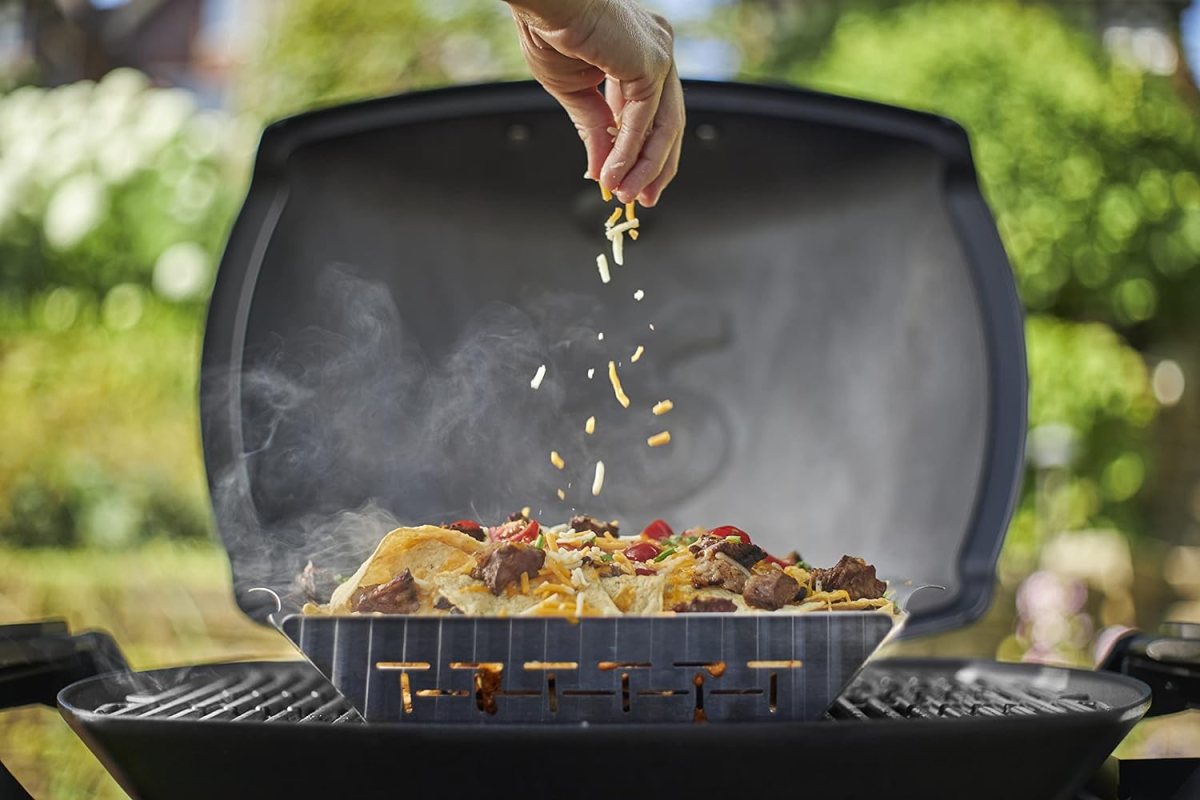
If you buy only one major appliance, make it a good grill. That sounds obvious, but it matters because the grill is the anchor for the entire layout. It determines fuel needs, ventilation requirements, landing space, and the flow of the rest of the kitchen. Gas remains popular because it is fast and easy to control. Pellet grills appeal to people who want more smoke flavor and digital convenience. Charcoal still wins the passion award for cooks who believe fire should come with a little drama.
The takeaway is simple: choose a grill that matches how you actually cook. If weeknight burgers and chicken are your reality, a dependable gas grill may be your best investment. If low-and-slow weekends are your personality trait, a pellet grill or smoker earns its keep. And if you host brunch as aggressively as you host dinner, a flat-top griddle can be just as valuable as a traditional grill.
2. Outdoor-Rated Refrigeration Saves Steps and Sanity
One of the smartest Bob Vila-approved essentials is outdoor refrigeration. A beverage fridge or outdoor mini fridge sounds like a luxury until your guests start opening the indoor fridge every three minutes like they are searching for buried treasure. Cold storage outside keeps drinks, condiments, marinating proteins, produce, and dessert ingredients close to the action.
This is also where practicality beats wishful thinking. Not every refrigerator belongs outdoors. You want a model rated for exterior conditions, built to handle heat swings and humidity, with materials that stand up to weather. Bonus points if the shelving is flexible enough for both cans and larger platters. Fewer indoor trips means smoother hosting, better food safety, and one less reason for the cook to disappear mid-conversation.
3. A Sink Is the Unsung Hero
Outdoor sinks rarely get the same spotlight as grills, yet they may be the biggest quality-of-life upgrade in the whole setup. A sink gives you a place to wash produce, rinse utensils, clean hands, fill pots, and deal with sticky barbecue sauce before it evolves into a permanent life decision.
If your budget allows plumbing, put a sink high on the priority list. Stainless steel is a strong choice because it is durable, easy to clean, and well-suited to outdoor use. Workstation-style sinks are even better in smaller kitchens because they can double as prep space with cutting-board covers and fitted accessories. In an outdoor kitchen, every inch should earn its keep.
4. Counter Space Matters More Than You Think
A grill without landing space is like a stage with no backstage. You need room for trays, cutting boards, platters, spices, and that heroic stack of buns no one appreciates until there is nowhere to put it. Prep surfaces make outdoor cooking smoother, safer, and far less awkward.
Choose countertop materials that can tolerate your local climate and regular mess. Outdoor kitchens need surfaces that handle heat, spills, sun, and weather without turning high-maintenance. The point is not to create a museum exhibit. The point is to create a work surface that lets you season steaks, assemble skewers, rest cooked food, and plate meals without juggling everything like a game-show challenge.
5. Storage Is What Separates “Charming” From “Annoying”
Storage is where a lot of outdoor kitchens either become efficient or become exhausting. Without it, grill tools live in random drawers inside the house, towels go missing, charcoal or pellets get damp, and your outdoor station becomes a decorative prop instead of a functioning kitchen.
Drawers, access doors, enclosed cabinets, and utility bins all help keep tools, fuels, serving pieces, and cleaning supplies organized. Good storage also protects your investment. When the weather turns, secure storage keeps essentials cleaner, drier, and easier to maintain. And yes, it also keeps the backyard looking less like someone lost a hardware store in the shrubbery.
6. Ventilation and Safe Placement Are Non-Negotiable
This is the least glamorous essential and possibly the most important. If your outdoor kitchen includes gas appliances or a built-in island, ventilation is not an optional add-on. It is part of the basic safety plan. Built-in kitchens need proper venting to help manage trapped heat, smoke, and potential gas buildup. Covered patios and partially enclosed spaces deserve even more attention.
Safe placement matters too. Outdoor kitchens should be planned with building codes, manufacturer instructions, and fire safety in mind. Keep cooking equipment outdoors only, maintain clear space around the grill, and avoid crowding it near siding, railings, or overhead combustible materials. In plain English: your burgers should sizzle, not your pergola.
7. A Good Thermometer Prevents Guesswork
One of Bob Vila’s smartest picks is the meat thermometer, because confidence on the grill is often just another word for “I hope this is done.” A reliable thermometer helps you cook poultry safely, avoid overdone steaks, and stop poking expensive cuts of meat like you are trying to decode a message.
Instant-read and wireless probe models both have their place. Instant-read thermometers are great for quick spot checks. Wireless versions are ideal for larger cuts, smokers, and multitasking hosts who would rather enjoy the party than hover over the grill like a worried stage parent.
8. Core Tools Beat Gadget Overload
You do not need a drawer full of novelty grill accessories shaped like motorcycles or sharks. You need a few good tools that actually work: long-handled tongs, a sturdy spatula, a fork or scraper when appropriate, a grill basket for small foods, heat-resistant gloves, and a dependable cleaning brush or scraper. That is the toolkit that makes an outdoor kitchen functional.
Bob Vila’s picks reinforce that idea. Gloves protect your hands during high-heat cooking. A grill basket keeps shrimp and vegetables from vanishing through the grates. A quality tool set gives you control. A grill brush or cleaning tool helps maintain performance and keep food debris from overstaying its welcome. This is not glamorous gear, but it is the gear you notice every single time you cook.
9. Lighting Extends the Kitchen Past Sunset
Outdoor kitchens are often designed for evening entertaining, yet many are lit like a witness-protection patio. Good lighting should include both ambient and task lighting. You want enough light to read a thermometer, slice safely, and tell the difference between caramelized and charred. At the same time, the space should still feel warm and inviting.
String lights, sconces, under-counter lighting, and focused task lights near prep and cooking zones all help. The best setup makes the kitchen work better without turning your backyard into a parking lot. A little atmosphere goes a long way when dinner stretches into dessert and someone decides the night is still young.
10. Optional Upgrades That Feel Worth It
Once the basics are covered, upgrades become more than decorative. A pizza oven adds speed and fun for family nights. A flat-top griddle broadens the menu with pancakes, smash burgers, fajitas, and fried rice. A pellet grill or smoker opens the door to ribs, brisket, and long weekend cooking projects you will absolutely talk about for days.
These are not mandatory for every homeowner, but they can be smart additions if they match your cooking style. The secret is to add upgrades that solve a real need or create a real benefit, not just ones that look impressive in photos.
How to Prioritize Your Outdoor Kitchen Budget
| Cooking Style | Top Priorities | Nice Upgrades Later |
|---|---|---|
| Casual Weeknight Griller | Gas grill, prep counter, tool set, storage, task lighting | Beverage fridge, sink |
| Frequent Entertainer | Built-in grill, outdoor fridge, sink, seating, storage | Ice maker, bar zone, pizza oven |
| BBQ Enthusiast | Pellet grill or smoker, thermometer, prep station, ventilation | Flat-top griddle, warming drawers |
| Small-Space Homeowner | Compact grill, workstation sink, rolling cart, enclosed storage | Mini fridge, slim shelving |
This is where many people overspend early. They spring for the flashy centerpiece and forget the support system. A gorgeous grill with no storage, poor lighting, and zero counter space is still a frustrating kitchen. Start with the function stack: cook, chill, prep, store, clean, light, and protect. Add specialty cooking toys after that.
Common Outdoor Kitchen Mistakes to Avoid
- Buying indoor appliances for outdoor use.
- Skipping ventilation in a built-in island or covered area.
- Forgetting counter space near the grill.
- Ignoring cleanup needs until the first sticky, smoky, sauce-covered cookout.
- Underestimating storage for tools, fuel, towels, and serving pieces.
- Choosing style over weather resistance.
- Adding too many appliances before mastering the basics.
In short, your outdoor kitchen should work like a kitchen, not like a showroom. The best setups are beautiful, yes, but they are also practical enough to survive a busy Saturday cookout with hungry guests, flying napkins, and at least one person asking whether the burgers are “almost ready” every seven minutes.
Real-World Outdoor Kitchen Experiences: What You Learn After a Few Weekends
The first thing people notice after using an outdoor kitchen for a few weekends is that convenience changes everything. Before the upgrade, grilling often feels like a relay race. You season food inside, carry trays outside, realize you forgot oil, go back inside, return for plates, then make one more trip because someone wants a cold drink. By the time dinner is served, you have accidentally completed your cardio for the day. A well-equipped outdoor kitchen ends that nonsense. When the grill, sink, fridge, prep space, and tools are all in one zone, cooking becomes calmer and more social.
Another real experience homeowners talk about is how much more they actually use the backyard once the space functions like a true extension of the home. A grill by itself gets used for the occasional burger night. A fully considered outdoor kitchen gets used for weeknight dinners, birthday parties, football Saturdays, brunch, and casual evenings when nobody wants to heat up the house. The difference is not just better equipment. It is lower friction. Good design invites regular use.
There is also a major lesson in what people regret. Rarely is it “I wish I had bought fewer cooking options.” More often it is “I wish I had more prep room,” “I should have added a sink,” or “I did not think enough about storage.” Those regrets make sense because the small support features carry a lot of the workload. A fridge saves time. A sink keeps things clean. Storage protects your tools and keeps the area tidy. Lighting makes the space usable after sunset. These pieces do not always get the glory, but they carry the operation.
Weather teaches its own lessons too. Outdoor kitchens that look incredible on installation day can become frustrating if materials are too delicate, cabinets are not practical, or appliances are packed too tightly. Rain, humidity, dust, heat, and cold all expose weak planning. That is why durable materials and safe spacing matter so much. An outdoor kitchen should be able to handle actual outdoor life, not just look polished in a listing photo.
Then there is the hosting factor. This may be the biggest emotional payoff of all. When the setup works, the cook is no longer trapped between the house and the patio. Instead of vanishing indoors every few minutes, you stay part of the conversation. You can prep while talking, serve without scrambling, and clean as you go. Guests linger longer because the space feels comfortable and intentional. Kids grab drinks from the outdoor fridge. Friends gather around the counter. The whole evening becomes more relaxed because the kitchen supports the party instead of interrupting it.
Perhaps the most surprising experience is that outdoor cooking feels easier when the tools are better, not when the setup is bigger. A great thermometer reduces stress. Good gloves increase confidence. A grill basket expands the menu. A cleaning tool keeps the grill ready for next time. These small upgrades are the things people end up praising after months of use because they deliver on every cook, not just special occasions.
That is the long-term truth about outdoor kitchen essentials. The best ones are not necessarily the biggest or the most expensive. They are the features and tools that keep the cook comfortable, the workflow smooth, the food safer, and the whole backyard more enjoyable week after week.
Conclusion
If you want to build an outdoor kitchen that actually improves your life, follow the logic behind Bob Vila’s picks. Start with the essentials that support real cooking: a reliable grill, outdoor-rated refrigeration, a sink, prep surfaces, storage, ventilation, lighting, and a few high-performing tools. Then layer in upgrades like a pizza oven, griddle, or smoker if they match the way you cook.
The winning formula is not excess. It is function. Get the basics right, and your backyard becomes more than a place to grill. It becomes a flexible, inviting, hard-working extension of your home that makes everyday meals easier and special gatherings a lot more fun.