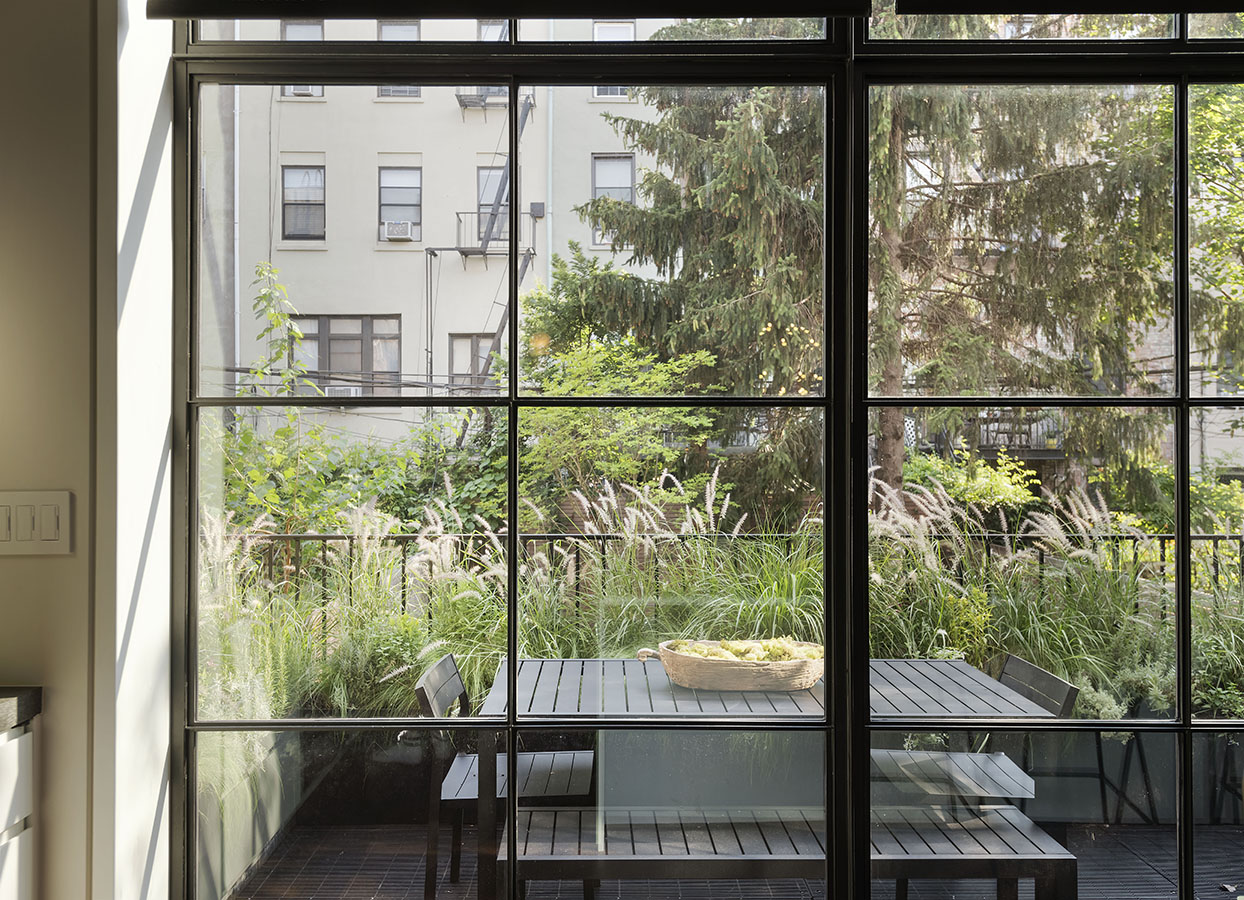
Spring rarely arrives like a perfectly staged movie scene. It comeideways in a grocery-store bucket, the first meal eaten outside, and a sudden desire to reorganize a drawer that has been lawless since November.
That is why this season feels best in short form. Forget the dramatic makeover, the punishing cleaning marathon, or the fantasy that you will become a completely different person by next Tuesday. The most satisfying spring lifestyle trends are small enough to try immediately yet noticeable enough to change the atmosphere of an ordinary day.
These current spring obsessions borrow from fashion, food, home design, gardening, wellness, and outdoor living. Think quick resets, bright colors, fresh produce, practical layers, pollinator-friendly plants, and tiny adventures. Nothing requires a personality transplant. A clean windowsill and a bowl of strawberries can do surprisingly heavy emotional lifting.
Why Spring Is Better in Small Doses
Spring encourages renewal, but renewal does not have to mean replacing everything you own with linen. Recent home and lifestyle coverage has emphasized micro-renovations, focused organizing sessions, and small decorative updates rather than expensive whole-house transformations. Designers are refreshing individual corners, adding color to compact rooms, and preparing porches or patios for everyday use. peal is partly practical. A fifteen-minute reset can fit into a weekday. One colorful accessory can revive clothes already in the closet. A pot of herbs can provide the satisfaction of gardening without requiring land, livestock, or an argument with a wheelbarrow.
Short-form spring is about collecting moments of freshness rather than attempting one enormous seasonal reveal. The results may not earn a television renovation special, but your kitchen counter will be visible again, which is arguably more useful.
1. The Fifteen-Minute Home Reset
The classic spring-cleaning fantasy involves an empty calendar, coordinated storage bins, and boundless enthusiasm for baseboards. Reality usually involves finding three expired coupons and sitting on the floor to read an old birthday card.
A better obsession is the fifteen-minute reset. Professional organizers frequently recommend short routines that return objects to their designated places, clear floors, and restore major surfaces before clutter has time to establish a municipal government. Real Simple’s organizing guidance suggests that brief daily resets can prevent small messes from accumulating into an overwhelming weekend project. mple Spring Reset Formula
Choose one visible zone: the kitchen counter, entryway, bathroom sink, coffee table, or bedside area. Remove trash, relocate objects that belong elsewhere, wipe the main surface, and add one useful or beautiful item back.
The final item might be a small vase, a candle, a ceramic bowl for keys, or absolutely nothing. Empty space is décor too, and it does not collect dust in a complicated shape.
2. Micro-Makeovers With Actual Personality
One of spring’s most appealing home trends is the micro-makeover: a small project that transforms a corner without converting the house into a construction zone. Current design coverage points toward reading nooks, colorful kitchens, concentrated wallpaper moments, updated lighting, and personality-driven decorative changes. inting the inside of a bookcase, hanging peel-and-stick wallpaper behind a desk, replacing tired cabinet hardware, or moving a neglected chair beside a window. Swap heavy winter textiles for lighter pillow covers and breathable bedding. Bring in botanical shapes, stripes, warm whites, cobalt, cherry red, soft green, or another shade that prevents the room from looking emotionally overcast.
The objective is not to follow every spring décor trend. It is to create one spot that makes you pause and think, “Well, look at us being charming.”
3. Sporty Clothes Meeting Polished Pieces
Spring fashion is enjoying contrast. Technical fabrics, sporty shorts, relaxed anoraks, expressive color combinations, and uniform-inspired pieces have appeared alongside tailoring, feminine shoes, scarves, and polished accessories. Rather than choosing between practical and dressed-up, the current approach combines them. s excellent news for anyone who likes looking intentional but also needs to walk farther than twelve feet. Pair relaxed trousers with a crisp striped shirt. Wear clean sneakers with a soft blazer. Add a silk scarf to a basic jacket. Combine a technical windbreaker with straight-leg jeans and a structured bag.
The One-Bright-Thing Rule
Spring color does not require dressing like a package of highlighters. Start with one vivid element: cobalt shoes, a tomato-red cardigan, a mint bag, purple sunglasses, or a striped tote. Current runway and street-style reports have highlighted strong color blocking, energized reds, saturated blues, purples, and playful footwear. he rest familiar. The bright item becomes the exclamation point, while the neutral basics handle grammar.
4. Dressing for Spring’s Mood Swings
A spring morning can begin at “light jacket” and reach “why did I wear sleeves?” by lunch. Then a cloud appears, the wind changes direction, and everyone becomes an amateur meteorologist.
The practical answer is light layering. Outdoor experts recommend preparing for variable conditions with extra layers, rain protection, sun coverage, and appropriate footwear. Spring trails may still contain snow, mud, swollen streams, or rapidly changing weather, especially at higher elevations. ily life, the formula is simpler: breathable base layer, overshirt or cardigan, weather-resistant outer layer, and shoes that can survive a surprise puddle. A compact umbrella earns bonus points, although owning one does not guarantee remembering where it is.
5. Meals That Look Like the Season
Spring cooking becomes exciting when meals begin shifting from slow, beige comfort food toward crisp textures, herbs, greens, citrus, and bright sauces. USDA seasonal guidance lists produce such as asparagus and apricots among spring options, although exact availability varies by region and weather. Food publications also spotlight peas, radishes, rhubarb, artichokes, strawberries, leeks, and tender greens during the season. Spring Plate Formula
Build a low-effort meal around one seasonal vegetable, one creamy or salty element, one fresh herb, and one acidic finish. Consider roasted asparagus with eggs, peas with ricotta and mint, strawberries with peppery greens, or pasta with leeks, spinach, lemon, and Parmesan.
Spring recipes do not have to be aggressively “light.” The goal is brightness, not culinary punishment. A bowl of pasta can still taste seasonal when it contains peas and herbs. Cheese is allowed to experience spring too.
For dessert, strawberries and rhubarb remain a sweet-tart partnership with excellent dramatic tension. Serve them in a crisp, shortcake, compote, or spooned over yogurt when turning on the oven feels like an administrative burden.
6. The Casual Picnic Dinner
Eating outside turns familiar food into an event. A sandwich tastes more ambitious on a blanket. Sparkling water becomes festive. Even potato chips seem artisanal when transferred to a bowl.
Seasonal entertaining guides emphasize portable foods, fresh produce, shareable appetizers, sandwiches, and simple dishes that can be prepared without spending the entire gathering trapped in the kitchen. essful spring picnic needs less equipment than social media suggests. Pack a sturdy blanket, napkins, water, a trash bag, and food that will not collapse emotionally during transport. Good options include focaccia sandwiches, grain salads, deviled eggs, fruit, cheese, sliced vegetables, cookies, and a chilled drink.
A backyard, balcony, apartment courtyard, or nearby park all count. The objective is not pastoral perfection. The objective is eating dinner somewhere the ceiling is blue.
7. Tiny Gardens With Bigger Purpose
Spring gardening is becoming less about forcing every outdoor surface into submission and more about creating useful, resilient spaces. Current garden coverage highlights native plants, edible gardening, wildlife support, plant collecting, and outdoor areas designed for emotional well-being as well as appearance. flowering plants suited to the local climate can provide food and habitat for regional pollinators. The EPA recommends incorporating a diverse mix of native species, while gardening guides encourage choosing plants with staggered bloom times so nectar and pollen are available across multiple seasons. t With One Container
No yard is necessary. Choose a large pot, confirm how much sunlight the location receives, and ask a reputable local nursery about native flowers or herbs suited to the region. Avoid selecting plants solely because the label contains the word “easy.” Easy for whom? A cactus and a fern have very different opinions about moisture.
One container can become a miniature habitat, a cooking resource, and a reason to step outside each morning. That is an impressive résumé for a flowerpot.
8. Walks With No Achievement Requirement
Spring makes walking feel less like exercise assigned by a stern invisible coach and more like a way to inspect what the neighborhood has been doing. A twenty-minute loop can reveal new blossoms, yard-sale mysteries, construction gossip, and at least one dog who appears to own several properties.
Health guidance notes that any amount of physical activity can provide benefits, while regular brisk walking can contribute toward the recommended weekly amount of moderate-intensity exercise for adults. ort-form approach removes performance pressure. Walk to buy coffee. Take a call outdoors. Explore one unfamiliar street. Visit a local trail, but check conditions and weather before leaving, especially during the unpredictable shoulder season. Carry water and choose a route appropriate for your experience.
9. Sun Protection Without the Lecture
Warmer weather makes sunscreen easier to remember because the sun is finally behaving like a recognizable character. Dermatologists recommend broad-spectrum, water-resistant sunscreen with an SPF of at least 30 on exposed skin, along with reapplication about every two hours or after sweating. rotection convenient rather than aspirational. Keep sunscreen beside the door, with outdoor gear, or near daily skin-care products. Check expiration dates, because sunscreen ingredients can lose effectiveness after the product expires. hat and sunglasses when practical. Congratulations: you are now protected and slightly mysterious.
10. The Allergy-Aware Open Window
Opening every window on the first warm day feels spiritually correct, but pollen may disagree. Tree pollen is a common early-spring trigger, while grass pollen becomes more prevalent later in spring and summer. Dry, windy conditions can make exposure worse for people with seasonal allergies. expert recommendations include monitoring pollen conditions, keeping windows closed when counts are high, changing clothes after extended outdoor time, showering to remove pollen, and avoiding outdoor laundry during heavy pollen periods. oes not make spring less enjoyable. It simply means the romantic open-window montage may need to happen after rain rather than during a windy pollen festival.
11. Analog Pleasures That Fit in a Pocket
Not every current obsession needs to be purchased, optimized, or recorded in seventeen apps. Spring is particularly suited to small analog habits: carrying a paperback, writing three lines in a notebook, pressing a flower, mailing a postcard, sketching at a café, or making a handwritten list titled “Things That Are Better Now.”
The value is not nostalgia for a supposedly simpler era when everyone definitely had flawless handwriting and no problems. It is attention. A tiny ritual asks you to notice the day before it vanishes into a camera roll containing forty nearly identical photos of lunch.
Choose one activity that leaves a physical trace. A page read, a note written, a recipe clipped, or a sprig placed in water can become evidence that the season occurred outside a screen.
How to Build Your Own Spring Obsession List
A useful seasonal list should feel energizing, not like a pastel-colored performance review. Choose five categories and give each one a small action:
- Home: Refresh one visible corner.
- Style: Wear one unexpected color or combination.
- Food: Cook one ingredient that is in season locally.
- Outside: Take one walk, picnic, or easy day trip.
- Personal: Begin one five-minute analog ritual.
Notice the repetition of “one.” That is intentional. Spring enthusiasm is real, but so is the possibility of buying twelve seedlings and remembering in July that plants require water.
Conclusion: A Season Made of Small Bright Things
Spring in short form is not about squeezing the season into less time. It is about making renewal manageable enough to become real.
A fifteen-minute reset can change the feeling of a room. One colorful layer can revive a familiar outfit. A handful of peas and herbs can wake up dinner. A neighborhood walk can rescue an afternoon that was disappearing into email. One native plant can turn a balcony container into a useful stop for pollinators.
The best current spring obsessions are not demands for reinvention. They are invitations to pay attention. Open the door. Clear the table. Put something green on the plate. Wear the cobalt shoes. Sit outside before the mosquitoes discover the venue.
Spring does not need a grand strategy. Sometimes it only needs a clean windowsill, a light jacket, and fifteen unexpectedly good minutes.
Field Notes: One Week of Living Spring in Short Form
I began the experiment on a Monday morning by clearing one small section of the kitchen counter. This sounds unimpressive because it was unimpressive. I moved a stack of mail, returned three cups to the cabinet, wiped away several crumbs of unknown ancestry, and placed a glass jar of grocery-store daffodils beside the coffee maker.
The entire process took eleven minutes. Yet the next morning, the kitchen looked strangely competent. The flowers leaned toward the window as if they had a meeting there, and making coffee felt less like entering the scene of a minor administrative collapse.
On Tuesday, I tried the one-bright-thing rule. I wore an ordinary white shirt, jeans, and a vivid green scarf that had spent two years waiting for an occasion. The occasion, apparently, was buying toothpaste. It still worked. Several outfits fail because every item is competing for attention; this one succeeded because only the scarf had anything dramatic to say.
Wednesday became the seasonal dinner test. I cooked pasta with asparagus, peas, lemon, black pepper, and enough Parmesan to require plausible deniability. The meal was not revolutionary, but it tasted unmistakably different from winter. It was quick, green, and bright, with the lemon doing the culinary equivalent of opening the curtains.
On Thursday, I took a walk without tracking the distance. This initially felt illegal. There was no pace goal, no route plan, and no motivational voice announcing statistics. I walked until I found a street where nearly every yard had something blooming. One house had tulips arranged with military precision. Another had a cheerful, chaotic garden that looked as though the plants had organized themselves during a party.
Friday’s project was a tiny outdoor space. I planted herbs in a container after checking the light conditions and choosing varieties suited to the location. The result did not resemble a magazine garden, largely because magazines rarely feature a slightly crooked pot beside an air-conditioning unit. Still, the leaves smelled wonderful, and the balcony immediately felt more alive.
Saturday called for a picnic. I packed sandwiches, strawberries, chips, sparkling water, and cookies. Nothing was arranged in a photogenic basket. The sandwiches traveled in reusable containers, and the blanket had a stain with an unclear legal history. None of this mattered once we sat beneath a tree and ate outside.
The picnic’s greatest luxury was not the food. It was the absence of hurry. There were no dishes waiting nearby, no television murmuring from another room, and no reason to finish quickly. We stayed until the light changed and the air became cool enough to justify the jackets we had almost left at home.
On Sunday, I wrote a short list in a notebook: flowers on the counter, green scarf, lemon pasta, untracked walk, new herbs, outdoor lunch. None of the experiences was large enough to qualify as a milestone. Together, however, they changed the texture of the week.
That may be the secret of spring in short form. A season is rarely remembered as one continuous masterpiece. It survives as fragments: a color, a flavor, a patch of sunlight, a damp trail, or the first evening when dinner happens outdoors. Small experiences are not lesser experiences. They are often the ones that fit comfortably enough into real life to occur.