There are envelopes, and then there is the Midori Kraft Envelope: the stationery equivalent of a perfectly brewed cup of coffee, a quiet bookstore, and a tiny “do not disturb” sign for your thoughts. It looks simple at first glancekraft paper, a button-and-string closure, a warm vintage feelbut that simplicity is exactly why stationery lovers keep reaching for it.
Originally associated with Midori and now widely connected with TRAVELER’S COMPANY, the Midori Kraft Envelope has earned a small but loyal fan base among journalers, scrapbookers, travelers, letter writers, designers, and people who collect “important little things” such as ticket stubs, stamps, instant photos, receipts, business cards, notes, and memories that would otherwise disappear into the mysterious black hole known as the bottom of a backpack.
This guide explores what makes the Midori Kraft Envelope special, how to use it, what sizes and styles are commonly available, whether it can be mailed, and why such a humble paper envelope has become a favorite accessory for analog living in a digital world.
What Is a Midori Kraft Envelope?
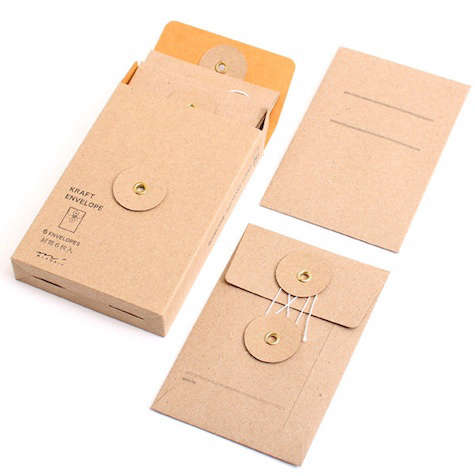
A Midori Kraft Envelope is a textured kraft paper envelope designed for storing, gifting, mailing, organizing, or decorating. Its most recognizable feature is the classic button and string closure. Instead of sealing the flap once and saying goodbye forever, you wrap the string around the button, open it later, close it again, and feel unusually accomplished for doing something so simple.
These envelopes are often sold in sets, commonly in small or medium sizes, and are available in earthy kraft tones such as brown and orange. Many versions are made in Thailand and designed in Japan under the TRAVELER’S COMPANY family, which grew from Midori’s long stationery heritage.
Midori itself began in 1950 as a Japanese paper-products company, with letter paper among its earliest core items. That background matters because the Midori Kraft Envelope is not trying to be flashy. It is a paper object made by a brand culture that understands paper as something you touch, fold, save, write on, and return to.
Why the Midori Kraft Envelope Stands Out
1. It Feels Better Than Ordinary Paper Envelopes
The first thing most users notice is texture. Kraft paper has a naturally sturdy, slightly rustic surface. It feels less like disposable office supply material and more like something made for keeping. That matters when the envelope holds a postcard from a trip, a handwritten note, a pressed flower, or a receipt from the best ramen you have ever eaten.
Unlike slick envelopes that look like they belong in a corporate mailroom, the Midori Kraft Envelope has character. It says, “I contain something thoughtful,” even when the item inside is only three postage stamps and a grocery list.
2. The Button-and-String Closure Is Reusable
The closure is not just decorative. It lets you open and close the envelope repeatedly without tearing the flap or relying on adhesive. That makes it ideal for items you need to access often, such as travel tickets, stickers, memory cards, photos, receipts, small paper labels, or notebook ephemera.
There is also something pleasantly ceremonial about wrapping the string around the button. It slows you down for two seconds, which is practically a luxury spa treatment in modern life.
3. It Works Beautifully With Traveler’s Notebooks
One of the most popular uses for the Midori Kraft Envelope is as a pocket inside a Traveler’s Notebook, journal, planner, or sketchbook. Many users attach one to the inside cover with double-sided tape. Suddenly, a plain notebook becomes a storage system for small treasures.
The small size is especially useful for passport-size notebooks, while the medium size can hold postcards, photos, folded letters, larger receipts, and travel documents. Because the envelope is flat and light, it adds functionality without turning your notebook into a brick with elastic bands.
Common Sizes and Styles
Midori Kraft Envelopes are commonly found in small and medium formats. Exact dimensions may vary slightly by retailer or product release, but the general options are easy to understand.
Small Kraft Envelope
The small version is compact and vertical. It is often around 4.7 inches tall by 3.1 inches wide, making it perfect for tickets, mini notes, small photos, stamps, labels, charms, and tiny paper souvenirs. If your memory is small enough to fit in a pocket but important enough not to lose, this size is your friend.
Medium Kraft Envelope
The medium version is wider and usually around 4.5 inches high by 6.6 inches wide. It is better for postcards, photos, folded A5 paper, greeting cards, receipts, and larger paper keepsakes. Some retailers note that this size can be mailed, but because of the string and button closure, you should always check current postal requirements before dropping it into a mailbox.
Color Options
The most common shades are natural brown and orange kraft. Brown feels classic, neutral, and archival. Orange has a warmer, more cheerful personality. Both look good with black ink, rubber stamps, wax pencils, vintage labels, and travel stickers.
Can You Mail a Midori Kraft Envelope?
Yes, some Midori Kraft Envelopes can be used for mailing, especially the medium size, but there is an important catch: the button-and-string closure may make the envelope nonmachinable under USPS rules. In plain English, that means postal machines may not love it as much as stationery fans do.
USPS generally requires letter-rate envelopes to be rectangular, made of paper, within specific size limits, and flat enough to pass through processing equipment. Envelopes with strings, buttons, clasps, or similar closure devices may require extra postage or hand processing. Before mailing anything important, bring a fully prepared sample to the post office and ask what postage is required.
For delicate mail, gifts, wedding notes, invitations, or anything with sentimental value, it is smart to place the Midori Kraft Envelope inside a standard outer mailing envelope. This protects the string closure and keeps your beautiful stationery from having a wrestling match with sorting equipment.
Best Uses for Midori Kraft Envelopes
Travel Journaling
The Midori Kraft Envelope is practically built for travel journaling. Use it to store train tickets, boarding passes, museum receipts, luggage tags, café cards, coins, instant photos, and tiny maps. Instead of gluing everything down immediately, you can collect items during the day and organize them later.
For example, place one medium envelope in the back of your travel notebook. Label it “Tokyo,” “New York,” “Weekend Trip,” or “Things I Refuse to Throw Away Because They Are Emotionally Important.” By the end of the trip, you will have a neat little archive instead of a chaotic pile of paper confetti.
Gift Packaging
These envelopes make small gifts feel intentional. Slip in a gift card, a handwritten note, a bookmark, pressed flowers, a photo strip, stickers, or a small flat keepsake. Tie the string, add a stamp or washi tape, and suddenly your gift has personality.
This is where the envelope shines: it turns inexpensive items into thoughtful gestures. A coffee gift card in a plastic sleeve says, “I bought this in line.” A coffee gift card in a Midori Kraft Envelope says, “I have taste, and possibly a drawer full of washi tape.”
Planner Organization
Attach a small envelope inside your planner for coupons, receipts, appointment cards, sticky notes, or cash. If you use a bullet journal, it can become a monthly pocket for loose notes. If you manage projects, use one envelope for each topic: invoices, ideas, sketches, meeting notes, or content drafts.
Scrapbooking and Memory Keeping
Because the envelope has a vintage look, it blends beautifully with scrapbooks, junk journals, collage art, and memory albums. You can stamp it, distress the edges, write dates on the flap, or decorate it with labels. It can hold hidden journaling, photo negatives, family recipe cards, or private notes.
Desk and Drawer Storage
Not every use needs to be poetic. A Midori Kraft Envelope is also excellent for taming desk clutter. Use it for spare SIM cards, postage stamps, paper clips, label stickers, receipts, loyalty cards, or tiny hardware pieces. It is much nicer than tossing everything into a drawer and pretending future-you enjoys treasure hunts.
How to Decorate a Midori Kraft Envelope
The kraft surface takes decoration well. You can keep it minimal or turn it into a tiny art project. Here are a few simple ideas:
- Rubber stamps: Add dates, destinations, initials, or simple icons.
- Washi tape: Use narrow strips along the flap or bottom edge.
- Vintage labels: Create an old-library or archive-box feel.
- White gel pen: Write beautifully against the brown kraft background.
- Postage stamps: Add used stamps for a travel-inspired look.
- Brush lettering: Label envelopes by trip, month, project, or recipient.
One of the best design tricks is restraint. Kraft paper already has warmth and texture, so you do not need to cover every inch. A small label, a neat handwritten title, and one stamp can be enough.
Midori Kraft Envelope vs. Regular Kraft Envelope
A regular kraft envelope is useful. A Midori Kraft Envelope is useful and charming. That is the difference.
Standard kraft envelopes are usually designed for bulk mailing, office filing, or packaging. They often have adhesive flaps and a plain commercial look. Midori-style kraft envelopes, on the other hand, are more tactile, reusable, and aesthetically intentional. The button-and-string closure makes them better for storage, journaling, and repeated access.
If you only need to mail 200 invoices, buy standard envelopes. If you want to store a train ticket from a trip you still think about, choose the Midori Kraft Envelope. Your memories deserve better than an envelope that looks like it came from a tax audit.
Who Should Buy Midori Kraft Envelopes?
The Midori Kraft Envelope is a strong choice for:
- Traveler’s Notebook users who want extra pockets
- Journalers and scrapbookers who save paper ephemera
- Letter writers who enjoy beautiful stationery
- Designers and creatives who package small samples
- Gift givers who want thoughtful presentation
- Collectors of stamps, tickets, cards, labels, and photos
- Anyone trying to organize small paper items without using plastic sleeves
It may not be the best choice for people who need waterproof storage, heavy-duty shipping protection, or the lowest possible cost per envelope. These are specialty stationery items, not industrial mailers. Their value is in the combination of function, feel, and design.
Buying Tips
Check the Size Before Ordering
Small and medium envelopes serve different purposes. If you want to store postcards or photos, choose medium. If you want pockets for stamps, mini notes, or passport-size notebook inserts, choose small.
Choose the Color Based on Your Style
Brown kraft is timeless and easy to match. Orange kraft feels warmer and more playful. If you use a lot of vintage stickers, stamps, and brass accessories, brown may look more classic. If your journal style is bright and travel-themed, orange can add energy.
Buy More Than One Pack If You Journal Often
Most packs include several envelopes, but they disappear quickly once you start using them. One goes into your notebook. One holds receipts. One becomes gift packaging. One stores stickers. Suddenly you are down to two envelopes and wondering how paper became a lifestyle.
Care and Storage
Kraft paper is sturdy, but it is still paper. Keep the envelopes away from water, oil, and heavy pressure. If you attach one inside a notebook, avoid overstuffing it with bulky items. Flat paper pieces work best. Coins, keys, and thick objects can strain the closure or create bumps that damage notebook pages.
For archival memory keeping, store photos and delicate items in a cool, dry place. If the item is irreplaceable, consider placing it in a protective sleeve before putting it into the envelope. The Midori Kraft Envelope is wonderful for organization and presentation, but it is not a museum vault with a string closure.
of Real-Life Experience With Midori Kraft Envelope
Using a Midori Kraft Envelope changes how you treat small paper items. Before using one, many people handle receipts, tickets, and notes like temporary clutter. They get folded into pockets, crushed inside bags, or abandoned on desks. But once there is a dedicated envelope in a journal, those same scraps start to feel like part of a story.
Imagine carrying a Traveler’s Notebook on a weekend trip. During the day, you collect a museum ticket, a café receipt, a business card from a tiny bookstore, and a train pass. Without an envelope, those pieces either float loose between pages or get lost. With a Midori Kraft Envelope attached to the inside cover, everything has a home. At night, you open the envelope, spread the pieces on the table, and decide what to paste, what to keep loose, and what to write about. The process feels calm, almost ritual-like.
The button-and-string closure also makes the experience more satisfying than expected. It is not faster than a normal flap. In fact, it is slower. That is the point. You wrap the string once, twice, maybe three times, and the envelope feels closed with intention. It gives even a small note a sense of importance. This is why many stationery fans use these envelopes for letters, gift cards, and personal messages. The recipient has to unwind the string, and that tiny action creates anticipation.
On a desk, the envelope is equally useful. One can hold postage stamps. Another can store label stickers. Another can keep business cards from events. Because the outside is easy to write on, you can label each envelope clearly. Unlike plastic zip bags, kraft envelopes look warm and organized when stacked in a drawer or placed in a box. They make your storage system feel designed rather than improvised.
There is also an emotional advantage. A Midori Kraft Envelope encourages selective saving. Not every receipt deserves to be kept. Not every ticket is meaningful. But when you choose what goes into the envelope, you are quietly editing your memories. You are saying, “This mattered enough to save.” That small act can make journaling more personal and less overwhelming.
The only drawback is that these envelopes can become addictive. Once you add one pocket to a notebook, you may want another for stickers, another for postcards, and another for “miscellaneous but emotionally complex paper bits.” Still, that is a pleasant problem to have. In a world full of apps, clouds, folders, and digital reminders, a simple kraft envelope reminds us that some things are worth holding in our hands.
Conclusion
The Midori Kraft Envelope proves that good stationery does not need to shout. It only needs to work beautifully, feel good in the hand, and make ordinary moments a little more memorable. With textured kraft paper, reusable string closure, practical sizing, and timeless Japanese design sensibility, it is more than a paper pocket. It is a tiny archive for travel, creativity, correspondence, and everyday life.
Whether you use it inside a Traveler’s Notebook, mail it with care, decorate it for a gift, or store the paper souvenirs of your life, this envelope brings order and charm to the small things. And sometimes, the small things are exactly what we want to remember.