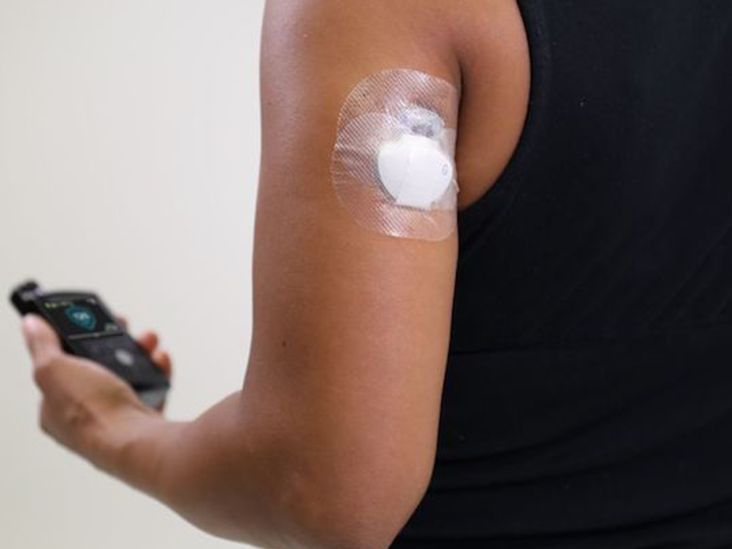
For a lot of people with diabetes, managing blood sugar used to feel like trying to predict the weather by sticking one hand out the window. A finger-stick test could tell you what your glucose looked like in one moment, but not what it was doing five minutes later, two hours later, or at 3 a.m. when your body decided to get dramatic. That is exactly why Medicare’s expanded coverage for continuous glucose monitors, or CGMs, matters so much.
A CGM does more than give a single reading. It tracks glucose trends throughout the day and night, shows whether levels are rising or falling, and can alert users to dangerous highs and lows. For older adults and people living on a fixed income, that technology can be the difference between “I think I’m fine” and “I caught the problem before it became an emergency.”
The big story is simple: Medicare made CGM coverage broader and more realistic. The rules now better reflect how diabetes is actually managed in everyday life, not just how it looks in a textbook or on a paperwork checklist. That means more beneficiaries can qualify, more people using insulin can get covered, and some people with a history of serious low blood sugar can qualify even if they are not using insulin. In practical terms, Medicare has moved closer to the modern era. About time.
What Changed in Medicare CGM Coverage?
The expansion of Medicare coverage for continuous glucose monitors was a meaningful shift, not a tiny bureaucratic footnote dressed up as a revolution. Before the updated policy, Medicare coverage was narrower and harder to obtain. Some people who clearly could benefit from CGM technology still found themselves boxed out by older requirements that focused too heavily on insulin intensity instead of real-world risk.
Under the broader approach, Medicare Part B may cover a CGM and related supplies for people with diabetes if a clinician prescribes the device and certain conditions are met. The most important change is that insulin use itself can now qualify a person for coverage, regardless of how much insulin they take. That matters because many older adults with type 2 diabetes use basal insulin, take fewer injections than they once did, or follow treatment plans that do not fit old-fashioned coverage assumptions.
Medicare also expanded access for people who are not taking insulin but have a documented history of problematic hypoglycemia. That is a big deal because repeated low blood sugar episodes are not just inconvenient. They can be dangerous, disorienting, and in some cases life-threatening. When a policy recognizes that, it starts sounding a lot more like health care and a lot less like a scavenger hunt.
Why Continuous Glucose Monitors Matter
A continuous glucose monitor is a wearable device that estimates glucose levels throughout the day and night using a sensor placed on or under the skin. Depending on the system, data may be sent to a receiver, a smartphone app, or another compatible device. Many CGMs also provide alerts for high or low glucose and display trend arrows that show whether levels are climbing, dropping, or leveling off.
That ongoing stream of information is what makes CGMs so helpful. Instead of waiting until symptoms show up, users can often catch a problem sooner. Someone can see whether breakfast sends glucose on a roller-coaster ride, whether a medication adjustment is actually helping, or whether nighttime lows are happening while they sleep. For caregivers and clinicians, those patterns can be more useful than a collection of scattered readings.
CGMs are especially valuable for people who use insulin, have frequent low blood sugar, struggle with glucose swings, or find repeated finger-sticks burdensome. They can also help support safer medication decisions, better trend awareness, and more informed conversations during follow-up visits. In other words, the device does not magically manage diabetes for you, but it gives you a much smarter dashboard.
Who Qualifies Under the Expanded Rules?
In plain English, Medicare coverage for a continuous glucose monitor generally begins with a diabetes diagnosis and a prescription from a doctor or other qualified health care provider. From there, the main eligibility pathways are fairly straightforward.
1. People with diabetes who use insulin
If you use insulin to manage diabetes, Medicare’s broader policy is much more favorable than the old approach. The key point is that Medicare no longer limits access based on narrow assumptions about the amount or frequency of insulin use. If insulin is part of your treatment plan, that can open the door to coverage.
2. People with diabetes who have problematic hypoglycemia
Medicare also allows CGM coverage for some people who do not use insulin but have a documented history of problematic low blood sugar. In coverage terms, that can include recurrent level 2 hypoglycemic events, generally defined as glucose below 54 mg/dL despite repeated attempts to adjust treatment, or one level 3 event severe enough to require third-party assistance. That is not “I felt a little weird once before lunch.” That is the kind of low blood sugar history that signals real risk.
3. People who have been evaluated and trained
Coverage is not automatic just because a device exists and looks useful. Medicare expects the treating practitioner to evaluate the patient’s condition and determine that the person, or their caregiver, has enough training to use the prescribed CGM. That training does not have to feel like a graduate seminar in biomedical engineering, but there does need to be a real clinical decision behind the prescription.
4. People whose CGM use fits FDA indications
The prescribed system must be used according to its FDA indications. That sounds technical, but the takeaway is simple: Medicare is covering legitimate, medically appropriate use, not wellness gadget experimentation.
5. People with required follow-up
Before ordering the device, the treating practitioner must evaluate the patient in person or through Medicare-approved telehealth. Ongoing routine follow-up is also part of the picture. Medicare wants the CGM to be part of active diabetes care, not a one-time mail-order surprise.
What Medicare Part B Actually Covers
For eligible beneficiaries, Medicare Part B covers continuous glucose monitors as durable medical equipment, along with related supplies. In practical terms, that usually means the CGM system itself plus the pieces needed to keep it working, such as sensors and transmitters. Coverage details can vary depending on the specific system, but the overall message is reassuring: Medicare is not just covering the idea of a CGM. It covers the working setup.
This is important because a CGM without supplies is about as helpful as a coffee maker without coffee. The policy recognizes that the device is part of an ongoing monitoring system, not a one-and-done purchase.
There is also a practical wrinkle many people miss: Medicare coverage is tied to durable medical equipment rules. That means the supplier matters. If you have Original Medicare, you generally want a Medicare-enrolled supplier that accepts assignment. If a supplier does not accept assignment, you may end up paying more than expected. With Medicare Advantage, the plan must cover medically necessary durable medical equipment categories, but network rules and out-of-pocket costs can differ by plan, so checking with the plan first is a very smart move.
What You May Still Pay
Expanded coverage does not mean free in every case. Under Original Medicare, CGMs covered under Part B typically involve coinsurance after the Part B deductible is met. In many situations, that means Medicare pays most of the approved amount and the beneficiary is responsible for the remaining share. If you have secondary coverage, retiree coverage, Medicaid, or a Medigap plan, your actual out-of-pocket cost may be lower.
Medicare Advantage can be a different animal. These plans must cover the same medically necessary categories of durable medical equipment as Original Medicare, but they can structure costs and supplier networks differently. One plan might make access fairly smooth. Another might demand extra steps, specific suppliers, or prior authorization. Same Medicare universe, very different paperwork mood.
The Smartphone and Receiver Catch
Here is one of the most confusing parts of CGM coverage: the smartphone issue. Many modern CGM users love viewing glucose data on their phone, and for good reason. It is convenient, familiar, and easier to carry than another device. But Medicare coverage rules still revolve around durable medical equipment.
In general, a smartphone by itself is not considered durable medical equipment, so it is not covered just because it displays glucose data. Medicare coverage can still work when a beneficiary uses a durable receiver and also uses a phone or another non-DME device alongside it. But if someone never uses the durable receiver and relies only on a smartphone, that can create coverage problems for the CGM supply allowance.
Translation: if your system comes with a receiver and your Medicare coverage depends on that receiver, do not shove it in a drawer and pretend it never existed. Bureaucracy notices things at the worst possible time.
Why This Expansion Is Such a Big Deal
The expanded Medicare CGM policy matters because it better matches the reality of diabetes care in older adults. Diabetes management is not just about chasing a perfect number on a chart. It is about avoiding severe lows, recognizing patterns, reducing fear, and making daily decisions with better information.
For someone living alone, CGM alerts can provide extra protection during the night. For a spouse or adult child helping with care, shared data and trend awareness can reduce panic and guesswork. For clinicians, CGM data can support smarter medication adjustments than a few handwritten numbers on a notepad. And for patients who have spent years pricking their fingers multiple times a day, a CGM can make self-management less exhausting.
There is also a health equity angle here. When coverage expands, access expands. That does not solve every barrier, but it does remove one major obstacle for people who rely on Medicare and could not previously meet narrower rules. More access does not just mean more technology. It means more chances to prevent emergencies, hospital visits, and avoidable complications.
How to Get a CGM Through Medicare Without Losing Your Mind
If you think you may qualify, start with your clinician. Ask whether your diabetes treatment, insulin use, or history of hypoglycemia makes you a candidate for a continuous glucose monitor under current Medicare rules. A useful visit should cover your diagnosis, your current medications, any low blood sugar episodes, your ability to use the device, and which CGM system fits your needs.
Next, make sure the prescription and chart documentation are thorough. Coverage decisions love documentation almost as much as they love making people repeat themselves. If you have had serious low blood sugar episodes, say so clearly. If you use insulin, make sure that is reflected accurately in your records. If a caregiver helps manage the device, that should be part of the conversation too.
Then check the supplier. With Original Medicare, confirm that the supplier is enrolled in Medicare and accepts assignment. With Medicare Advantage, ask your plan which suppliers are in-network and whether prior authorization is needed. Those two phone calls may save you a future headache the size of Nebraska.
Finally, keep up with follow-up visits. Medicare expects CGM use to remain connected to ongoing diabetes care. That is good medicine anyway. The goal is not just to get the device approved. The goal is to use it well.
Common Misunderstandings About Medicare CGM Coverage
“CGMs are only for type 1 diabetes.”
Not true. Medicare coverage is not limited to one diabetes type. What matters more is the diagnosis, the treatment plan, and whether the beneficiary meets coverage criteria.
“You have to take a huge amount of insulin to qualify.”
Not anymore. The broader rules recognize insulin treatment more generally, rather than tying coverage to older, stricter assumptions.
“If I use a smartphone app, Medicare won’t cover anything.”
Also not quite right. A smartphone can often be used alongside a durable receiver, but relying only on a non-DME device can complicate coverage. The durable receiver still matters.
“Once I get the CGM, I never need finger-sticks again.”
CGMs reduce the burden of finger-sticks, but depending on the device and the situation, occasional finger-stick checks may still be needed. Technology is helpful, but it has not yet become a mind reader.
Experiences From Real-World Medicare CGM Use
To understand why this policy change matters, it helps to picture what life looks like before and after access to a CGM. Consider a retired school bus driver with type 2 diabetes who uses basal insulin once a day. Under older thinking, he may not have seemed like the “classic” CGM patient. He was not using an insulin pump, not taking multiple mealtime doses, and not walking around in a cloud of tech accessories. But he still had glucose swings, still worried about nighttime lows, and still had trouble figuring out why some mornings started fine and others felt like he had been hit by a truck. A CGM gives that person patterns, not guesses.
Then there is the spouse who acts as an unofficial care coordinator, medication reminder, appointment scheduler, and emotional support team all in one. For families like that, CGM access can make diabetes management feel less like constant surveillance and more like shared awareness. Instead of asking, “Do you think you’re low?” they can look at a trend line, notice a falling number, and take action sooner. That may not sound glamorous, but in everyday life it can lower stress in a very real way.
Another common experience involves people who do not realize they are having recurrent hypoglycemia until better monitoring reveals the pattern. Some older adults describe low blood sugar as fatigue, shakiness, confusion, or just “not feeling right.” A CGM can turn those vague sensations into usable information. It can show whether symptoms line up with actual lows, whether medication timing needs work, and whether meals, exercise, or sleep are affecting glucose more than expected. That kind of visibility can change clinical decisions fast.
Rural patients and people with transportation challenges may benefit in a different way. Because Medicare allows the required evaluation and follow-up through Medicare-approved telehealth in appropriate cases, CGM access can become more realistic for people who do not want every diabetes adjustment to require a half-day trip, two waiting rooms, and one mysteriously broken parking meter. Telehealth does not solve every access problem, but it can remove one meaningful barrier.
And finally, there is the emotional side. Plenty of Medicare beneficiaries have spent years treating diabetes as a math problem with no answer key. A CGM does not erase the work, but it often makes that work feel less blind. When people can see trends, respond sooner, and talk with their clinicians using real data, many report feeling more confident and less overwhelmed. That may be the most underrated benefit of all. Good coverage is not just about paying for a device. It is about making better, safer daily life possible.
Conclusion
Medicare’s expanded coverage for continuous glucose monitors is one of the more practical improvements in diabetes care policy in recent years. It acknowledges that glucose management is continuous, that hypoglycemia risk is serious, and that older coverage rules were too narrow for many people who could benefit from modern monitoring.
For Medicare beneficiaries with diabetes, the takeaway is clear: if you use insulin or have a documented history of problematic low blood sugar, it is worth asking whether you qualify for CGM coverage now. For caregivers, the policy offers more tools and less guesswork. For clinicians, it creates more room to treat diabetes with current technology instead of outdated assumptions.
That does not mean the process is perfect. Costs, supplier rules, documentation requirements, and Medicare Advantage plan variations can still make the path bumpier than it should be. But the broader policy is still an important step forward. In the world of diabetes care, more useful data and earlier warnings are not luxuries. They are exactly the kind of help people deserve.