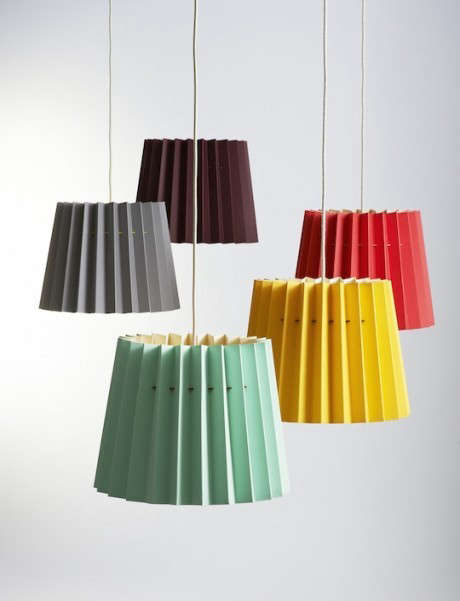
The Lane Twin Tone Lampshade is what happens when a lampshade decides it would like to be more than a beige hat for a bulb. It is clean, sculptural, colorful, and quietly cleverthe kind of pendant shade that makes a room look intentional even if the coffee table is currently hosting three remotes, a half-read book, and one mysterious receipt from last Tuesday.
Designed by Ollie Wood and Joff Casciani for Lane, the Twin Tone Lampshade is known for its simple paper construction, two-color effect, and modern concertina-inspired form. Instead of relying on plastic parts or fussy decorative extras, it uses bonded heavyweight paper to create contrast: one color on the outside, another on the inside. That little design move changes everything. From below, the shade reveals a flash of color; from across the room, it reads calm, graphic, and architectural.
This article explores what makes the Lane Twin Tone Lampshade special, how to style it, where it works best, and what to consider before bringing one into your home. We will also cover practical lampshade buying tips, lighting mood, room examples, and real-life experience with twin-tone shadesbecause lighting should be beautiful, but it should also help you find your socks.
What Is the Lane Twin Tone Lampshade?
The Lane Twin Tone Lampshade is a modern pendant lampshade made from two sheets of heavyweight paper bonded together. The design creates a two-tone appearance: one shade on the exterior and a contrasting or complementary tone on the interior. Its silhouette is tapered, with a narrower top and wider bottom, giving it the familiar elegance of a classic shade while adding a crisp, contemporary twist.
According to product descriptions associated with Lane, the shade measures approximately 30 centimeters high, 30 centimeters across the top, and 45 centimeters across the bottom. That makes it substantial enough to feel like a design feature, but not so enormous that it looks as if a small UFO has landed above the dining table.
The lampshade has been offered in a range of colors, including combinations connected to Lane’s collaboration with the British paint brand Little Greene. Some versions pair pale outer tones with bolder interiors, while others lean moodier and more dramatic. The result is a shade that can behave like a neutral from one angle and a design wink from another.
Why the Twin-Tone Design Works So Well
Two-tone lampshades are popular because they solve a common decorating dilemma: how do you add color without making the room feel like a confetti cannon went off? The Lane Twin Tone Lampshade answers with restraint. The outside color can stay calm and versatile, while the inside color brings warmth, glow, and personality.
The interior color matters more than many shoppers realize. When a bulb shines through or reflects against the inside of a shade, that surface affects the mood of the light. A warm-toned interior can make a dining nook feel cozier. A pale interior can help bounce more light downward. A darker interior can create a more focused, atmospheric pool of light. In short, the inside of the shade is not just “the part nobody sees.” It is the lighting equivalent of a secret ingredient.
A Graphic Shape Without Visual Clutter
The Lane Twin Tone Lampshade also has a clean, folded look that nods to concertina forms. It feels graphic, but not loud. That makes it especially useful in modern interiors, mid-century-inspired rooms, Scandinavian-style spaces, and minimalist homes that need one object with personality. Think of it as the friend who wears a great jacket but does not spend the entire dinner talking about the jacket.
Materials: Why Paper Is the Star
Paper lampshades have been used in interiors for generations because they soften light beautifully. The Lane Twin Tone Lampshade takes that familiar material and makes it feel sharper, more intentional, and more sustainable. It is made from heavyweight paper rather than fabric, plastic, or metal, and Lane has emphasized recyclable, biodegradable, and plastic-free construction in descriptions of the design.
This matters because lampshades often include hidden plastic liners, metal frames, adhesives, and mixed materials that can be difficult to separate at the end of their life. A paper-first design keeps the concept simple. It also gives the shade a tactile quality that feels warmer than slick synthetic finishes.
Of course, paper requires common-sense care. Use the correct bulb type, follow fixture wattage limits, and avoid placing the shade in damp rooms or directly above steamy areas. A paper pendant above a calm breakfast table? Lovely. A paper shade in a bathroom where the mirror fogs up like a rainforest documentary? Less wise.
Best Rooms for a Lane Twin Tone Lampshade
The beauty of the Lane Twin Tone Lampshade is that it can work in several rooms without looking generic. Its form is simple enough for everyday spaces, while the color contrast gives it the presence needed for a focal point.
Dining Room
A dining room or breakfast nook is one of the strongest places to use this shade. Hung over a round or small rectangular table, the wider bottom helps create a soft pool of light where people gather. The two-tone interior adds a warm visual surprise when seated. It can make even weekday pasta feel slightly more planned, even if the sauce came from a jar and everyone knows it.
Bedroom
In a bedroom, the Lane Twin Tone Lampshade can replace a plain ceiling shade with something more calming and decorative. Choose a muted exterior for serenity, then let the inside color echo bedding, art, or a small accent pillow. This is a smart way to connect the room without matching every item like a furniture showroom from 1998.
Home Office
For a home office, the shade can bring style without visual chaos. A clean paper pendant overhead softens the room and helps separate the workspace from the rest of the home. If your office is also the guest room, laundry staging area, and emergency gift-wrapping station, a sculptural shade can at least make the ceiling look organized.
Entryway or Hall
Because the shade has a decorative profile, it can work nicely in an entryway or hall where space is limited but first impressions matter. A colorful interior creates a welcoming glow without requiring extra furniture, art, or accessories. For small homes and apartments, that is a win.
How to Choose the Right Color Combination
When choosing a Lane Twin Tone Lampshade or a similar two-tone lampshade, start with the room’s existing palette. The exterior color should connect with large surfaces such as walls, curtains, rugs, or cabinetry. The interior color can be braver because it appears in smaller doses.
For a soft modern look, try an off-white, pale gray, or warm neutral exterior with a peach, ocher, soft green, or terracotta interior. For a more dramatic room, consider a deep blue, charcoal, or forest green exterior with a brighter interior. The contrast gives the shade depth and makes the light feel more designed.
If your room already has bold wallpaper, patterned rugs, or colorful art, choose a quieter shade. If the room is mostly neutral, the lampshade can do more of the talking. Just remember: it should talk, not shout through a megaphone.
Lampshade Sizing Tips That Actually Help
Although the Lane Twin Tone Lampshade is mainly discussed as a pendant shade, general lampshade proportion rules are still helpful. Designers often recommend that a shade should feel visually balanced with the fixture, table, or room. For table lamps, a common guideline is to choose a shade roughly twice as wide as the lamp base and about two-thirds the height of the base. For pendants, consider the diameter of the table or area below it.
Above a small dining table, a 45-centimeter bottom diameter can feel nicely scaled. Above a large dining table, one shade may look modest, so two or three pendants could create better rhythm. In a hallway, make sure the shade does not hang too low. Guests should admire your lighting, not accidentally headbutt your design choices.
Height and Clearance
Over a dining table, pendant lights are commonly hung low enough to create intimacy but high enough to avoid blocking faces. Over walkways, prioritize clearance. The shade’s paper structure is lightweight visually, but it still occupies real space. Measure first, install second, and avoid the exciting home improvement tradition known as “guessing and regretting.”
Light Quality: Bulbs Matter More Than You Think
The lampshade is only half of the lighting story. The bulb determines brightness, energy use, warmth, and comfort. Modern LED bulbs are usually the best choice for a paper shade because they are energy efficient and produce less heat than old incandescent bulbs. Residential LED lighting can use far less energy and last much longer than incandescent lighting, making it practical as well as planet-friendlier.
For a cozy Lane Twin Tone Lampshade setup, choose a warm white LED bulb, often in the 2700K to 3000K range. This keeps the mood soft and flattering. A cooler bulb can make the shade look sharper and more clinical, which may work in a task-focused area but can feel harsh in a dining room or bedroom.
Brightness should match the room’s function. A breakfast nook needs enough light for reading labels and seeing whether the avocado is still friendly. A bedroom pendant can be softer. If the fixture supports dimming, a dimmable LED bulb gives the most flexibility.
Styling Ideas for Modern Homes
The Lane Twin Tone Lampshade works best when it is allowed to be noticed. You do not need to surround it with matching paper accessories or turn your living room into a lampshade tribute museum. Instead, repeat one color from the shade in one or two small accents.
For example, if the inside is orange, echo that warmth with a ceramic bowl, a book spine, or a small piece of art. If the exterior is gray, connect it to a rug, metal chair frame, or painted cabinet. These small repetitions make the shade feel integrated rather than random.
Pairing With Furniture
The shade looks especially good with natural wood, slim metal furniture, white walls, muted paint colors, and simple dining tables. It can also soften modern black accents. If your room has mid-century furniture, the Twin Tone Lampshade’s graphic shape feels right at home. If your style is more cottage or traditional, choose softer colors so the shade feels fresh rather than futuristic.
Using Multiple Shades
In a larger room, repeating the same shade can create a strong design statement. Two matching Lane Twin Tone Lampshades over a long kitchen island or dining table would provide rhythm and symmetry. For a more playful look, use the same exterior color with different interior tones. That approach adds energy while keeping the overall composition controlled.
Cleaning and Care
Paper lampshades need gentle care. Dust regularly with a clean microfiber cloth, feather duster, or soft brush attachment on a vacuum set to low suction. Avoid water, sprays, strong cleaners, and enthusiastic scrubbing. Paper is charming; paper is not a fan of being treated like a kitchen countertop.
If the shade gets a small mark, test any cleaning method in an inconspicuous area first. Often, the safest option is simply to leave minor imperfections alone. A paper shade develops a natural presence over time, and a tiny mark is usually less noticeable than a cleaning attempt that creates a dramatic new problem.
Who Should Buy the Lane Twin Tone Lampshade?
The Lane Twin Tone Lampshade is ideal for homeowners, renters, and design lovers who want a pendant shade with personality, sustainability-minded materials, and a modern graphic look. It is especially suitable for people who appreciate color but do not want an overpowering fixture.
It may not be the best choice for very humid rooms, high-traffic areas where it might be bumped often, or spaces that require strong task lighting from a single overhead source. It is best used as decorative ambient lighting, supported by table lamps, floor lamps, under-cabinet lighting, or wall sconces where needed.
Common Mistakes to Avoid
The first mistake is choosing a shade color without considering the bulb. A beautiful warm interior can look odd with a cold, bluish bulb. The second mistake is hanging the pendant too high, which reduces the cozy effect. The third mistake is treating the shade as the only light source in the room. Layered lighting almost always looks better.
Another mistake is ignoring scale. A shade that is too small can look timid, like it wandered into the room by accident. A shade that is too large can dominate the space. Measure the room, the table, and the ceiling height before buying.
Experience: Living With a Lane Twin Tone Lampshade
The first thing you notice about a twin-tone paper lampshade is not the material. It is the glow. A regular shade can look pleasant enough during the day and then become forgettable at night. A twin-tone shade changes after sunset. The inside color wakes up, the folds catch shadow, and the whole fixture starts acting like it has a second personality. Not a scary second personalitymore like the quiet friend who turns out to be excellent at karaoke.
In a small dining area, a Lane Twin Tone Lampshade can completely change the mood. During the day, the exterior color keeps things calm and architectural. It does not fight with chairs, artwork, or wall paint. At night, the interior color adds warmth to the table and makes the space feel more intimate. Even simple meals feel a bit more considered. A bowl of soup under a good pendant light somehow looks like it came from a charming neighborhood café instead of your microwave.
One practical experience is that the shade encourages better lighting habits. Because it creates atmosphere rather than blasting the room with brightness, you start layering light more thoughtfully. A floor lamp in the corner, a small lamp on a sideboard, and the pendant over the table work together. The room becomes softer and more flexible. You can brighten it for dinner, dim it for conversation, or leave only the side lamp on when you want the house to feel calm.
The paper material also changes how you treat the object. It feels crafted rather than manufactured. You become more aware of dusting gently, choosing the right bulb, and keeping the shade away from moisture. That is not a burden; it is part of owning something with character. A plastic shade can be ignored. A paper shade asks for a little respect, and in return, it gives the room texture and warmth.
Color selection is where the experience becomes personal. A neutral outside with a bright inside is often the safest bet for people who want personality without long-term regret. The shade can coordinate with a single accent color in the roomperhaps a cushion, print, vase, or painted chair. This creates a pulled-together look without forcing everything to match. The room feels designed, not decorated by a committee of identical throw pillows.
Another benefit is how well the shade photographs. For people who care about interiors, online listings, rental styling, or social media, lighting fixtures matter. A Lane Twin Tone Lampshade gives the ceiling a focal point and adds depth to photos. It looks especially good above round tables, small breakfast corners, and simple bedrooms where the rest of the decor is restrained.
The only real caution is that a paper pendant shade is not a rugged utility fixture. It should not be installed where children will swing objects near it, where steam rises constantly, or where a high-heat bulb might be used carelessly. With an appropriate LED bulb and a sensible location, however, it is easy to live with.
Overall, the experience of using a Lane Twin Tone Lampshade is about more than replacing a shade. It is about giving a room a small architectural moment. It adds color, glow, craft, and a little visual wit. And unlike some statement pieces, it does not demand that you redesign your entire home around it. It simply hangs there, doing its job beautifully, making the room look better than the amount of effort you actually spent. Honestly, that is the kind of home accessory we should all befriend.
Conclusion
The Lane Twin Tone Lampshade stands out because it combines simple materials, smart color, and modern form in a way that feels both practical and poetic. Its bonded paper construction, two-tone design, and sculptural silhouette make it a strong choice for dining rooms, bedrooms, home offices, and stylish entryways. It is not just a cover for a bulb; it is a design detail that shapes the mood of the room.
For best results, pair it with a warm LED bulb, hang it at the right height, and repeat one of its colors elsewhere in the space. Keep it dry, dust it gently, and let the shade do what it does best: turn ordinary light into atmosphere. In the world of home decor, that is a pretty bright ideapun absolutely intended.