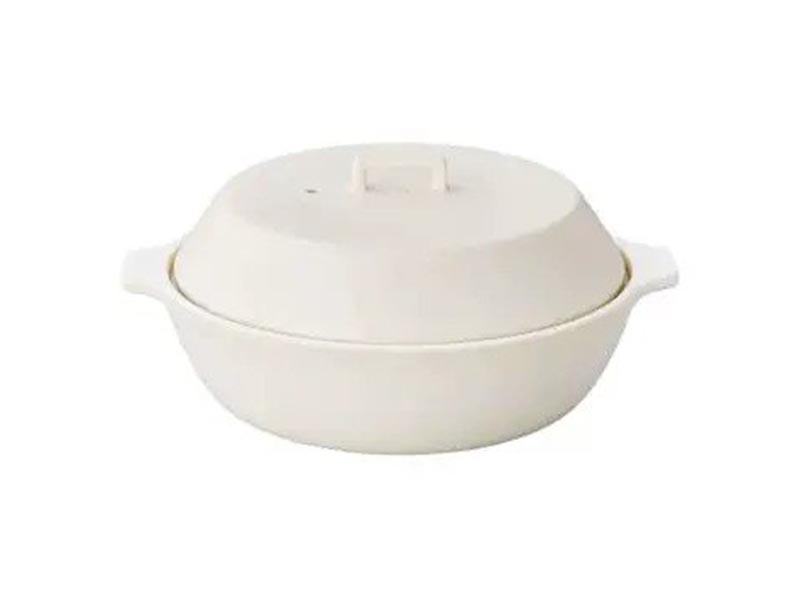
If your kitchen has been begging for cookware that can simmer soup, steam vegetables, cook rice, look gorgeous on the table, and still behave politely around an induction cooktop, the Kinto Kakomi Ih Donabe White deserves a serious look. It is the kind of pot that makes dinner feel less like a chore and more like a small ceremonyminus the dramatic robe, unless that is how you cook on Tuesdays.
The KAKOMI line from KINTO is designed around shared meals, seasonal ingredients, and cookware handsome enough to move directly from stove to table. The white IH donabe version is especially appealing because it blends traditional Japanese clay-pot inspiration with a cleaner, modern profile. It has the relaxed elegance of a minimalist serving bowl, but underneath that calm exterior is a practical pot built for hot pot, soups, stews, rice, and steaming.
One important buying note: product names and availability can vary by region. In some markets, KAKOMI IH donabe models are listed as earlier or global KINTO items, while KINTO USA’s current KAKOMI lineup may show ceramic pots and IH enamel pots separately. For shoppers, the smart move is simple: confirm the exact model number, size, and cooktop compatibility before purchasing. Your induction cooktop is wonderful, but it is not psychic.
What Is the Kinto Kakomi IH Donabe White?
The Kinto Kakomi IH Donabe White is a Japanese-style cooking pot inspired by the traditional donabe, an earthenware vessel used for hot pot, rice, soups, and communal meals. The “IH” in the name refers to induction heating, which is the big modern twist. Traditional donabe pots are usually used over open flame, but the KAKOMI IH design was created to work across a wider range of cooking environments, including induction, gas, halogen, ceramic hobs, microwave, and oven use depending on the exact model.
The white finish is not just pretty for pretty’s sake. It makes the pot feel bright, clean, and easy to pair with different table settings. It looks at home beside linen napkins, stainless flatware, handmade bowls, or a casual weeknight pile of chopsticks and “we’ll fold the laundry later” energy.
Common Sizes and Capacity
The KAKOMI IH donabe has commonly appeared in two practical sizes: 1.2L and 2.5L. The 1.2L size is compact and suitable for one to two people, making it excellent for small apartments, solo meals, quick soups, rice, or side dishes. The 2.5L size is better for family-style hot pot, larger stews, and dinner with friends.
The 1.2L model is often associated with a capacity of about 40.8 ounces, while the 2.5L version is around 85 ounces. For rice, KINTO guidance has indicated that the 1.2L IH donabe can cook about two cups of rice, while the 2.5L size can cook about three cups. For the fluffiest and most even rice, direct flame is often recommended over induction when possible.
Design: Minimal, Warm, and Table-Ready
The first thing people notice about the Kinto Kakomi IH Donabe White is its quiet confidence. It does not shout “professional chef equipment” with rivets and mirror polish. Instead, it whispers, “I have broth simmering, and everyone should sit down.”
The rounded body encourages gentle heating and easy serving. The lid keeps heat and steam inside, which is essential for rice, simmered dishes, and hot pot. Many KAKOMI IH donabe sets also include a steam plate, allowing the pot to shift from simmering to steaming without demanding more cabinet space. That matters if your kitchen storage situation is already one cutting board away from a landslide.
Why White Works So Well
White cookware can be surprisingly versatile. It makes colorful vegetables pop, gives broths a clean visual frame, and photographs beautifully for food blogs, recipe pages, and social media. A white donabe filled with napa cabbage, mushrooms, tofu, carrots, and salmon looks like it triedbut not too hard. That is the sweet spot.
There is also a practical advantage. A light interior can make it easier to see the color of broth, notice browning, and check whether rice water has turned cloudy or clear. Of course, white cookware asks for respectful cleaning. It is elegant, not invincible. Treat it well and it will keep rewarding you with beautiful meals.
Cooking Performance: Slow Comfort Meets Modern Convenience
A good donabe experience is about gentle, even cooking. Clay and ceramic-style pots are loved because they hold heat well and create a cozy cooking environment for ingredients. The KAKOMI IH donabe brings that spirit into a more modern format. It is useful for dishes where you want heat to build steadily and stay consistent: hot pot, miso soup, rice, braised chicken, seafood stew, steamed vegetables, and noodle finishes.
Best Dishes to Make in the KAKOMI IH Donabe
Japanese hot pot: This is the natural home of a donabe. Try napa cabbage, tofu, mushrooms, scallions, thinly sliced beef or pork, and a kombu-based broth. Bring the pot to the table and let everyone serve themselves. Dinner becomes interactive, but thankfully not in the awkward corporate icebreaker way.
Rice: The KAKOMI IH donabe can be used for rice, especially Japanese short-grain rice. Rinse the rice, soak it, cook with measured water, then allow it to steam off heat. The resting period matters. Do not skip it unless you enjoy rice that feels emotionally unfinished.
Soups and stews: Chicken soup, seafood stew, miso-based vegetable soup, and Korean-inspired soft tofu stew all work beautifully. The pot’s heat retention helps keep the dish warm at the table.
Steamed vegetables and dumplings: With a steam plate, the KAKOMI becomes a compact steamer. Add water below, place vegetables, fish, or dumplings above, and let steam do the work. It is clean, oil-light, and extremely useful for weeknight cooking.
One-pot noodles: After hot pot, add ramen, udon, or rice noodles to the remaining broth. This finishing course, often called shime in Japanese hot pot culture, turns leftover soup into the meal’s grand finale. It is also a very good excuse not to waste delicious broth.
IH Compatibility: Why It Matters
Induction cooking is fast, efficient, and increasingly common in American kitchens. The challenge is that many traditional clay pots do not work on induction. That is where the IH concept becomes appealing. A KAKOMI IH donabe is designed for people who want the look and feeling of donabe cooking but need compatibility with modern stovetops.
Still, shoppers should be careful. KINTO’s KAKOMI family includes different cookware types, and not every ceramic pot is the same as an IH donabe. If induction compatibility is essential, check the product page or packaging for clear language such as “IH,” “induction heater safe,” or “100V and 200V induction heater safe.” Do not assume every white KAKOMI pot works on induction just because it looks like the one you saw online. Cookware families are like cousins: related, but not interchangeable.
Care and Cleaning Tips
The Kinto Kakomi IH Donabe White is easier to care for than many old-school porous clay pots, but it still deserves thoughtful handling. The low water absorption design helps reduce lingering odors and staining, which is excellent news if you cook both kimchi hot pot and delicate rice in the same week.
How to Wash It
Wash the pot gently after it has cooled. Use a soft sponge and mild dish soap when appropriate. Avoid abrasive cleaners, steel wool, and aggressive scrubbing that can damage the surface. If food scorches on the bottom, boil water in the pot with a small amount of baking soda, let it loosen the residue, cool the pot, and clean gently. Patience is cheaper than replacing cookware.
What Not to Do
Do not heat the donabe while empty. Do not use it for deep-frying or high-heat stir-frying. Do not shock it with sudden temperature changes, such as moving it from high heat into cold water. Use oven mitts because the handles can become very hot. Also, make sure the base is stable on your burner. A beautiful pot still obeys gravity.
Kinto Kakomi IH Donabe White vs. Traditional Donabe
A traditional donabe is often made from porous clay and may require seasoning before first use. It typically excels over gas flame and is prized for heat retention, moisture, and flavor development. The KAKOMI IH donabe offers a more modern interpretation. It keeps the communal, table-friendly spirit but adds broader cooktop compatibility and easier maintenance.
For purists, an Iga-yaki donabe may still feel more romantic. For everyday cooks with induction ranges, small kitchens, and busy schedules, the KAKOMI IH donabe may be more practical. The best cookware is not the one that wins a museum debate; it is the one you actually use on a Wednesday night.
Who Should Buy the Kinto Kakomi IH Donabe White?
This pot is a strong fit for home cooks who love one-pot meals, Japanese hot pot, clean design, and table-ready cookware. It is especially appealing if you have an induction cooktop and have struggled to find donabe-style cookware that works with it.
The 1.2L size is best for singles, couples, small servings, side dishes, and small-space kitchens. The 2.5L size is better for families, frequent hosts, and anyone who considers “just a little extra soup” a lifestyle. If you regularly cook for four or more people, the larger size will feel more flexible.
Buying Tips Before You Add to Cart
Before buying, confirm four things: exact model name, capacity, included accessories, and cooktop compatibility. If the listing says KAKOMI ceramic pot, check whether it is induction safe or only direct-fire, microwave, and oven safe. If the listing says KAKOMI IH donabe, check whether it includes the lid and steam plate. Also inspect return policies because ceramic cookware should be packaged carefully during shipping.
Color matters too. White is beautiful, but black may hide stains more easily. White feels brighter and more modern; black feels moodier and more dramatic. Choose white if you want a pot that visually lightens the table and makes ingredients look fresh. Choose black if your cooking personality says “broth wizard.”
Real-World Experience With the Kinto Kakomi IH Donabe White
Using the Kinto Kakomi IH Donabe White feels different from cooking in a stainless saucepan. The pace slows down in the best possible way. You start by arranging ingredients instead of throwing them into a pot like they owe you money. Napa cabbage stacks neatly, mushrooms sit like tiny umbrellas, tofu cubes behave themselves, and thin slices of meat wait for the broth to do its magic. Even before the heat goes on, the process feels intentional.
The 1.2L size is especially enjoyable for a quiet meal. It is not oversized, so it does not make a solo dinner feel like you accidentally catered a conference. A simple meal of miso broth, tofu, mushrooms, greens, and udon can be cooked and served in the same vessel. The pot stays warm at the table, which means you can eat slowly without racing the clock. That heat retention is one of the biggest pleasures of donabe-style cooking. The food seems to relax into itself, and you get to relax too.
The white finish changes the mood of the meal. Dark broths look richer, vegetables look brighter, and rice looks especially clean and inviting. It is the kind of cookware that encourages you to garnish. Suddenly scallions are not optional. A little sesame, a wedge of lemon, or a few herbs make the whole pot look restaurant-adjacent, even if you are wearing socks that do not match.
For steaming, the experience is wonderfully simple. Add water, place the steam plate inside, arrange vegetables or dumplings, and cover. Carrots, broccoli, sweet potatoes, fish, and frozen dumplings all become easy weeknight options. The steam plate makes the pot feel more versatile than a standard soup vessel. It is not just for dramatic hot pot nights; it can handle practical cooking too.
Rice is rewarding but asks for attention. Rinsing and soaking help, and the rest period after cooking is not negotiable. On induction, some users may notice less even cooking than direct flame, so it helps to follow KINTO’s guidance and adjust based on your stove. Once you learn the rhythm, the rice can come out tender, aromatic, and far more exciting than something scooped from a plastic rice-cooker insert.
The biggest lifestyle benefit is that the KAKOMI IH Donabe White makes modest meals feel complete. Leftover chicken, a few vegetables, broth, and noodles become dinner. Rice, mushrooms, and a soft egg become comfort food. A clean-out-the-fridge soup becomes something you would not be embarrassed to serve a guest. The pot does not cook for you, sadly, but it does make simple cooking feel more generous.
There are a few practical habits worth building. Let the pot cool before washing. Dry it well. Use mitts. Avoid sudden temperature shocks. Do not treat it like a cast-iron skillet or a wok. It is sturdy, but it is still ceramic cookware. Respect the material, and it will reward you with meals that feel warm, calm, and a little special.
Final Verdict
The Kinto Kakomi IH Donabe White is a beautiful bridge between traditional Japanese clay-pot cooking and modern home kitchens. It is stylish enough for serving, practical enough for daily meals, and versatile enough for hot pot, rice, steaming, soups, and stews. Its biggest appeal is not just what it cooks, but how it changes the feeling of cooking: slower, warmer, more communal, and more intentional.
Buy it if you want a table-ready Japanese-style pot with clean design and induction-friendly potential. Skip it if you need rugged cookware for searing, stir-frying, deep-frying, or careless temperature swings. This is not a pot for chaos. It is a pot for broth, rice, vegetables, conversation, and the kind of dinner that makes everyone linger five extra minutes at the table.
Note: Product names, availability, accessories, and compatibility may vary by region and model year. Always confirm whether the exact KAKOMI pot you are buying is the IH donabe version if induction cooking is required.