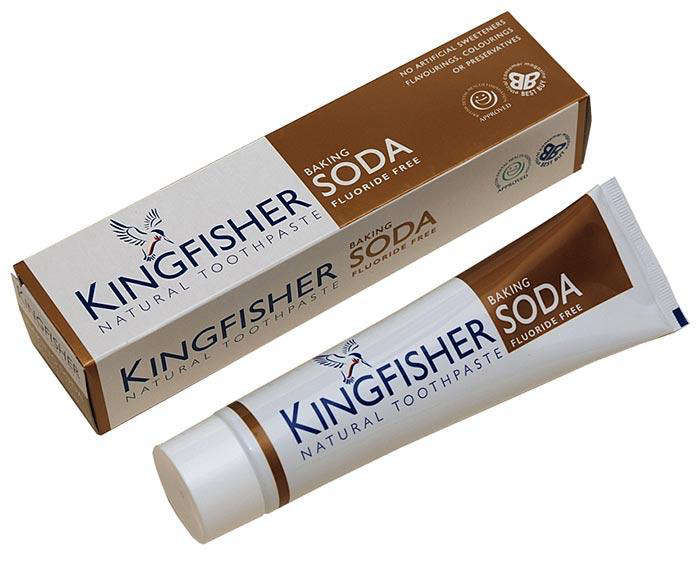
Some toothpastes arrive in the bathroom like tiny fireworks: neon stripes, candy-shop flavors, and enough foam to make your sink look like a cappuccino machine. Kingfisher Natural Toothpaste takes a quieter route. It is the sensible friend who shows up with clean ingredients, a simple tube, and the confidence to say, “Yes, fennel can belong in toothpaste.” Surprisingly, it can.
Kingfisher is best known as a natural toothpaste brand that offers both fluoride and fluoride-free formulas, with varieties such as mint, fennel, aloe vera, tea tree, baking soda, strawberry, and charcoal depending on availability. Its appeal is straightforward: fewer artificial extras, vegan-friendly formulas, and flavors based on recognizable plant ingredients rather than mystery “fresh blast” flavoring. For people who want a more natural oral care routine without turning brushing into a science experiment, Kingfisher Natural Toothpaste is worth a closer look.
This guide explores what Kingfisher Natural Toothpaste is, how it works, what ingredients usually appear in the formula, who may enjoy it, who should be cautious, and what the real experience feels like after switching from a conventional toothpaste.
What Is Kingfisher Natural Toothpaste?
Kingfisher Natural Toothpaste is a UK-origin oral care brand focused on simple, natural-style toothpaste formulas. Unlike many mainstream toothpastes that lean heavily on artificial sweeteners, synthetic colors, and intense flavoring agents, Kingfisher emphasizes a cleaner ingredient list. The brand’s formulas are commonly promoted as suitable for vegetarians and vegans, gluten-free, and free from artificial colorings, flavorings, sweeteners, and preservatives.
The product line includes both fluoride toothpaste and fluoride-free toothpaste. That distinction matters. Fluoride is widely recognized in dentistry for helping protect enamel and reduce cavities, but some shoppers prefer fluoride-free products due to personal preference, ingredient sensitivity, or a desire to control fluoride exposure from multiple sources. Kingfisher serves both camps, which is clever because toothpaste debates can become more dramatic than a family group chat during Thanksgiving.
Why Natural Toothpaste Has Become Popular
Natural toothpaste has grown in popularity because consumers are reading labels more carefully. People want to know what they are putting in their mouths twice a day. They may be avoiding artificial sweeteners, strong detergents, synthetic dyes, or overpowering flavors. Others are looking for vegan toothpaste, cruelty-free toothpaste, or a product with a gentler taste.
Kingfisher Natural Toothpaste fits neatly into this trend. It does not try to look like a luxury beauty product or a medical gadget. Instead, it focuses on practical daily use: cleaning teeth, freshening breath, and offering ingredient transparency. The result is a toothpaste that feels less like a “chemical mint storm” and more like a calm, plant-based brushing experience.
Key Ingredients in Kingfisher Natural Toothpaste
Ingredients vary by flavor and formula, but Kingfisher Natural Toothpaste commonly includes ingredients such as calcium carbonate, glycerin, water, hydrated silica or silica, cellulose gum, sodium lauroyl sarcosinate, and natural flavor components like peppermint, fennel, lemon, aloe vera, or tea tree oil. Some versions include sodium monofluorophosphate as the fluoride source.
Calcium Carbonate
Calcium carbonate is a gentle polishing and cleaning ingredient often used in toothpaste. It helps remove surface debris and plaque film without turning your enamel into a renovation project. In natural toothpaste formulas, calcium carbonate is popular because it is simple, mineral-based, and effective for everyday cleaning.
Glycerin
Glycerin helps keep toothpaste moist and smooth. Without it, toothpaste would be more like chalk paste, which is not exactly the spa experience anyone wants at 7:00 a.m. Glycerin also helps give the paste a pleasant texture so it spreads easily across the toothbrush.
Hydrated Silica or Silica
Silica is another common cleaning and polishing ingredient. It helps remove surface stains from coffee, tea, and food. It is not the same as professional whitening, but it can support a cleaner appearance when used consistently with good brushing habits.
Sodium Lauroyl Sarcosinate
Sodium lauroyl sarcosinate is used as a foaming and dispersing agent. It is different from sodium lauryl sulfate, commonly known as SLS. Some people seek out SLS-free products because they find conventional foaming agents too harsh. Kingfisher’s foam is generally more modest, which may feel strange at first if you are used to toothpaste that bubbles like a car wash.
Natural Flavor Ingredients
Kingfisher uses flavor ingredients such as peppermint, fennel, lemon, tea tree, aloe vera, and strawberry depending on the version. The fennel variety is especially distinctive. It has a sweet, herbal, slightly anise-like flavor. Mint versions feel more familiar, while tea tree and aloe vera formulas may appeal to people who enjoy a botanical freshness.
Fluoride vs. Fluoride-Free: Which Kingfisher Formula Should You Choose?
The biggest decision with Kingfisher Natural Toothpaste is whether to choose a fluoride or fluoride-free version. There is no one-size-fits-all answer because your cavity risk, diet, dental history, local water supply, and dentist’s advice all matter.
Choose Kingfisher with Fluoride If…
A fluoride version may be the better choice if you are cavity-prone, have a history of fillings, consume acidic drinks, have dry mouth, wear braces, have exposed roots, or simply want the enamel-protective benefit that dentists commonly recommend. Fluoride helps remineralize enamel and makes teeth more resistant to acid attacks caused by plaque bacteria and sugar.
Choose Kingfisher Fluoride-Free If…
A fluoride-free version may appeal if your dentist has said your cavity risk is low, you receive enough fluoride from other sources, or you prefer a toothpaste without added fluoride. Some people also choose fluoride-free toothpaste for ingredient preference rather than a medical reason. The important point is that fluoride-free toothpaste can still help clean the teeth, but it does not provide the same proven anti-cavity benefit as fluoride toothpaste.
A Practical Middle Ground
If you love the natural style of Kingfisher but still want cavity protection, the fluoride formulas offer a practical compromise. You get the brand’s simpler ingredient philosophy while keeping fluoride in your oral care routine. That makes it a strong option for people who want “natural toothpaste” without giving up one of dentistry’s most studied cavity-fighting tools.
Flavor Review: What Does Kingfisher Natural Toothpaste Taste Like?
Kingfisher’s flavor profile is one of its biggest selling points. It does not taste like candy, mouthwash, or frozen lightning. The mint flavor is fresh but not aggressive. It gives you clean breath without making your eyes water. The fennel flavor is more unusual: sweet, herbal, and slightly licorice-like. Some people love it immediately; others need a few days to adjust.
The aloe vera and tea tree varieties tend to feel botanical and refreshing. Baking soda versions may taste more mineral-like, which is common for that category. Strawberry versions are often aimed at children or anyone who prefers a softer, fruitier taste.
If you are switching from a mainstream toothpaste, expect less sweetness and less foam. That is not a flaw; it is part of the experience. After a week, many users find that conventional toothpaste starts to taste overly sweet and artificial by comparison.
How Well Does It Clean?
Kingfisher Natural Toothpaste is designed for everyday brushing, plaque removal, and breath freshness. Its mineral cleaners help polish away surface film, and its natural flavors leave the mouth feeling clean. The texture is usually smooth enough for daily use, though some formulas may feel slightly more earthy or mineral-rich than mainstream gel toothpaste.
The key to results is technique. No toothpaste can rescue a 12-second brushing routine performed with the enthusiasm of a sleepy raccoon. For best results, brush for two minutes twice a day, use a soft-bristled toothbrush, clean along the gumline, and floss or use interdental brushes daily. Toothpaste matters, but habits matter more.
Pros of Kingfisher Natural Toothpaste
Simple Ingredient Philosophy
Kingfisher is appealing because it avoids artificial colorings, artificial flavorings, artificial sweeteners, and artificial preservatives. For shoppers trying to simplify personal care products, this is a major advantage.
Fluoride and Fluoride-Free Options
Choice is one of Kingfisher’s strengths. Many natural toothpaste brands focus only on fluoride-free formulas, while many conventional brands focus only on fluoride. Kingfisher offers both, making it easier to match the product to your dental needs.
Vegan-Friendly Formulas
Kingfisher is commonly listed as suitable for vegans and vegetarians. This matters for shoppers who want oral care products aligned with ethical or lifestyle preferences.
Distinctive Flavors
Fennel toothpaste may sound unusual, but it has a loyal following. The flavor feels fresh without relying on a powerful mint punch. For people who dislike intense mint, Kingfisher can be a welcome change.
Gentler Brushing Feel
Because Kingfisher does not create huge foam, brushing can feel calmer and less irritating. People sensitive to strong flavors or heavy foaming may appreciate the more balanced experience.
Possible Downsides to Consider
Less Foam Than Mainstream Toothpaste
If you associate foam with cleaning power, Kingfisher may feel underwhelming at first. However, foam is not the same as effectiveness. A toothpaste can clean well without turning your mouth into a bubble bath.
Fennel Is Not for Everyone
The fennel flavor is charming, but it is not universally loved. If you dislike anise or licorice-like notes, choose mint or another variety first.
Fluoride-Free Versions May Not Suit High Cavity Risk
If you frequently get cavities, have dry mouth, wear orthodontic appliances, or snack often, a fluoride-free toothpaste may not provide the protection you need. In that case, consider Kingfisher with fluoride or ask your dentist for a personalized recommendation.
Availability Can Vary
Because Kingfisher is more niche than major supermarket toothpaste brands, availability may vary by country, retailer, and flavor. Online stores are often the easiest place to find the full range.
Who Should Try Kingfisher Natural Toothpaste?
Kingfisher Natural Toothpaste may be a good fit for adults who want a natural-style toothpaste with transparent ingredients, shoppers avoiding artificial sweeteners or colors, vegans, vegetarians, people who dislike overpowering mint, and anyone curious about fennel toothpaste. It may also suit people who want a toothpaste that feels less processed while still offering a fluoride option.
It may not be ideal for people who want dramatic whitening, very strong mint, thick foam, or a bargain-bin price. It is also not a replacement for professional dental care. If your gums bleed, teeth hurt, enamel feels sensitive, or cavities appear often, toothpaste alone is not the hero of the movie. Call the dentist.
How to Use Kingfisher Natural Toothpaste for Best Results
Use a pea-sized amount for adults and follow age-appropriate guidance for children. Brush for two minutes twice daily. Angle the toothbrush toward the gumline and use gentle circular motions. Avoid scrubbing aggressively, because gums are not kitchen tiles. Spit out the toothpaste after brushing. If using a fluoride version, many dental professionals suggest avoiding heavy rinsing immediately afterward so fluoride can stay on the teeth longer.
Pair Kingfisher with floss, interdental brushes, or a water flosser. Toothpaste cleans tooth surfaces, but plaque between teeth requires extra attention. Also limit frequent sugary snacks and acidic drinks. Even the best toothpaste cannot fully cancel out sipping soda all day like it is a personality trait.
Kingfisher Natural Toothpaste Compared with Regular Toothpaste
Compared with conventional toothpaste, Kingfisher feels more natural, less sweet, and less foamy. Regular toothpaste often emphasizes strong mint, whitening claims, and a very smooth gel texture. Kingfisher emphasizes ingredient simplicity, plant-based flavor, and ethical positioning.
For cleaning, both types can work well when used properly. For cavity prevention, the fluoride version of Kingfisher is more comparable to conventional fluoride toothpaste. The fluoride-free version is better understood as a cleaning-focused toothpaste for people who have made a conscious choice to avoid fluoride or who have guidance from a dental professional.
Is Kingfisher Natural Toothpaste Good for Sensitive Teeth?
Kingfisher may feel gentle because it is not overly foamy or intensely flavored. However, if you have true tooth sensitivity, look for toothpaste specifically formulated for sensitive teeth with ingredients such as potassium nitrate or stannous fluoride. Kingfisher can be comfortable for some users, but it is not primarily marketed as a sensitivity treatment.
If cold drinks, sweet foods, or brushing causes sharp pain, do not simply switch toothpaste and hope for magic. Sensitivity can come from enamel wear, gum recession, cavities, cracks, or grinding. A dentist can identify the cause and recommend the right product.
Experience Section: Living with Kingfisher Natural Toothpaste
The first time you use Kingfisher Natural Toothpaste, the experience may feel oddly quiet. There is no explosive mint blast. There is no bright blue gel ribbon. There is no dramatic mountain-fresh sensation that makes you question whether your tongue has entered the Arctic Circle. Instead, the paste feels simple and slightly earthy, and that can be refreshing in its own way.
The mint version is the easiest entry point. It tastes clean and familiar, but not sugary. After brushing, your mouth feels fresh without the artificial sweetness that lingers with some mainstream toothpastes. Coffee drinkers may appreciate that it does not clash harshly with morning coffee. Nobody wants toothpaste and espresso fighting like rival superheroes before breakfast.
The fennel version is more adventurous. At first, it may surprise you. The flavor is sweet, herbal, and gently anise-like. Some people describe it as old-fashioned, but in a good way, like a small apothecary shop that smells clean and calm. If you dislike licorice, you may not fall in love. But if you enjoy herbal flavors, fennel can become strangely addictive. It leaves the mouth feeling fresh without relying on mint.
One noticeable difference is the foam. Kingfisher does not usually produce the giant cloud of bubbles that many conventional toothpastes create. During the first few uses, you may wonder whether you used enough. You probably did. The lower-foam feel encourages slower, more deliberate brushing. You can actually feel where the brush is going instead of navigating through a mouthful of bubbles.
Texture is another part of the experience. Kingfisher feels more like a paste than a gel. It has a practical, slightly mineral quality, which makes sense given ingredients like calcium carbonate and silica. It spreads well enough, rinses cleanly, and does not leave a sticky coating. After a week, the brushing routine starts to feel less like using a cosmetic product and more like using a straightforward oral care tool.
For people trying to reduce artificial ingredients in daily routines, Kingfisher can be emotionally satisfying. Toothpaste is small, but it is used every day. Replacing a highly flavored conventional product with a simpler natural toothpaste can make the bathroom shelf feel more intentional. It is a tiny upgrade, but tiny upgrades repeated daily become habits.
The fluoride decision shapes the long-term experience. If you choose the fluoride version, you may feel reassured that your toothpaste still supports cavity prevention while keeping the natural-style formula you prefer. If you choose fluoride-free, the experience may feel cleaner from an ingredient-preference standpoint, but you should be more mindful about dental checkups, diet, and cavity risk.
Overall, using Kingfisher Natural Toothpaste feels like slowing down. It is not flashy. It does not try to entertain your mouth with fireworks. It simply cleans, freshens, and lets its ingredients do their job. For many users, that is exactly the point.
Final Verdict: Is Kingfisher Natural Toothpaste Worth Trying?
Kingfisher Natural Toothpaste is a strong choice for people who want a natural toothpaste with thoughtful ingredients, vegan-friendly positioning, and both fluoride and fluoride-free options. It is especially appealing if you dislike artificial sweetness, prefer gentle flavors, or want something more distinctive than standard mint toothpaste.
The best version depends on your needs. Choose the fluoride formula if cavity protection is a priority. Choose fluoride-free if you understand the tradeoff and prefer that route. Try mint if you want familiarity. Try fennel if your taste buds enjoy a little adventure. Either way, Kingfisher offers a refreshingly simple approach to daily oral care.
Note: This article is for informational purposes only. For children, cavity-prone adults, people with sensitive teeth, or anyone with ongoing dental problems, consult a qualified dentist before changing toothpaste routines.