Choosing birth control can feel a little like online dating: the profile looks promising, the features sound great, and then you realize you still have to live with the decision every day. That is exactly why the comparison between an IUD and NuvaRing matters. Both are highly effective options, both are prescription methods, and both can do more than prevent pregnancy. But they work in very different ways, ask very different things from your schedule, and come with different trade-offs.
If you want the short version, here it is: an IUD is a small device placed in the uterus by a clinician and then left in place for years, while NuvaRing is a flexible hormonal ring you place in the vagina yourself and replace on a monthly schedule. One is built for people who would rather not think about birth control very often. The other is better for people who want control without a procedure and do not mind keeping up with a routine.
That is the big picture. Now let’s get into the details that actually matter when real life enters the chat.
The Quick Definition: IUD and NuvaRing in Plain English
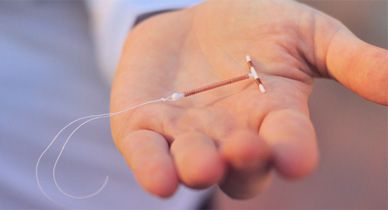
An IUD, or intrauterine device, is a small T-shaped device a healthcare professional places in your uterus. There are two main types:
- Hormonal IUDs, which release a form of progestin and often make periods lighter, shorter, or less painful over time.
- Copper IUDs, which do not contain hormones and can last a long time, but may make bleeding and cramping heavier, especially at first.
NuvaRing is a combined hormonal vaginal ring. It releases both estrogen and progestin. You place it inside your vagina, leave it in for three weeks, remove it for one week, and then insert a new one on schedule. It works mainly by stopping ovulation, thickening cervical mucus, and making the uterine lining less welcoming to pregnancy.
So right away, you can see one major difference: most IUDs are long-term, while NuvaRing is monthly. One is inserted into the uterus. The other sits in the vagina. One usually involves a procedure. The other is self-managed at home.
Side-by-Side Snapshot
| Feature | IUD | NuvaRing |
|---|---|---|
| How it’s used | Inserted and removed by a clinician | Inserted and removed by the user |
| How long it lasts | Several years, depending on type | One month at a time |
| Hormones | Hormonal or non-hormonal options | Contains estrogen and progestin |
| Effectiveness | More than 99% | About 93% with typical use; 99% with perfect use |
| Best for | People who want a low-maintenance option | People who want a monthly method without a uterine procedure |
| Period effects | Hormonal IUDs may lighten periods; copper IUDs may make them heavier | Can make periods more regular and sometimes lighter |
| STI protection | No | No |
Which One Works Better?
Both methods are very good at preventing pregnancy, but the reason they differ in real-world effectiveness is simple: humans are busy.
IUDs are among the most effective birth control methods available because once they are in place, there is almost nothing you have to remember. No pharmacy countdown, no calendar ping, no late-night panic because you just realized your method was supposed to be handled yesterday. That “set it and forget it” factor is a huge reason IUDs have such strong real-world performance.
NuvaRing also works very well, but it relies more on consistency. You have to insert it on time, remove it on time, and replace it on time. Perfect use is excellent. Typical use is where life tends to interfere. Travel, stress, medication changes, weird work shifts, and plain old forgetting can all chip away at effectiveness.
If you know you are not great with schedules, the IUD usually has the edge. If you like a method you control yourself and are confident you can keep up with a monthly routine, NuvaRing may still be a strong fit.
The Biggest Practical Difference: Maintenance
IUD: Low Maintenance, Higher Front-End Commitment
The IUD asks more from you on day one and much less from you after that. You need an office visit, a pelvic exam, and an insertion procedure. Some people describe insertion as uncomfortable; others say it is very painful for a short period; others say it was over before they could fully compose a dramatic internal monologue. Experiences vary, but cramping during and after placement is common.
Once the IUD is in place, though, it becomes the overachiever of the birth control world. It works around the clock for years. You do not need to refill it every month. You do not need to pause mid-vacation and wonder whether you packed enough responsibility.
NuvaRing: No Uterine Procedure, But Monthly Follow-Through
NuvaRing skips the insertion procedure into the uterus, which is a major plus for people who do not want an IUD placed. You insert the ring yourself, and many users like the sense of control that comes with that. There is no device placed in the uterus, no strings to check, and no office procedure required every few years.
But the trade-off is upkeep. NuvaRing is not difficult, but it is not passive. You have to stay on schedule. If your phone calendar is your best friend, great. If your phone calendar has been quietly ignored since February, that is useful information too.
Hormones: This Is Where the Choice Gets Real
Not all hormonal birth control is the same, and this is one of the most important distinctions in the IUD vs. NuvaRing debate.
NuvaRing contains estrogen and progestin. Because it is a combined hormonal contraceptive, it is not the best option for everyone. Certain health situations can make estrogen-containing methods less appropriate, including smoking at age 35 or older, migraine with aura, and some blood clot or cardiovascular risk factors.
Hormonal IUDs do not contain estrogen. They release progestin locally and are often a good option for people who want to avoid estrogen. Copper IUDs contain no hormones at all, which makes them especially appealing for people who want birth control without hormonal exposure.
This is why the choice is not just about convenience. It is also about what your body tolerates well and what your medical history allows. Two methods can both be excellent and still be very different fits for different people.
Periods, Cramping, and Bleeding Changes
For many people, the real question is not just, “Will this prevent pregnancy?” It is, “What is this going to do to my period?” Fair question. Very fair.
Hormonal IUDs
Hormonal IUDs often lead to lighter periods over time. Some users have more spotting at first, then notice that periods become shorter, lighter, or much less dramatic. Some stop getting periods altogether. For people with heavy bleeding or painful cramps, this can be a major advantage.
Copper IUDs
Copper IUDs are hormone-free, but they can make periods heavier and cramps more intense, especially during the first months after placement. For someone who already deals with tough periods, this may be a dealbreaker. For someone who values a non-hormonal option more than perfect period peace, it may still be worth it.
NuvaRing
NuvaRing often makes periods more predictable. Many users like that it can help regulate bleeding and reduce cramps. It may not create the dramatic period lightening that some hormonal IUD users experience, but it can offer more cycle control, which is valuable in its own right.
So if your dream birth control method includes less bleeding and fewer cramps, a hormonal IUD may be especially appealing. If your goal is cycle predictability without an IUD procedure, NuvaRing may feel more comfortable.
Side Effects and Risks
No birth control method comes with a magic “zero trade-offs” sticker. Each option has side effects and risks to consider.
Common IUD Concerns
- Cramping and spotting after insertion
- Heavier bleeding with copper IUDs
- Irregular bleeding early on with hormonal IUDs
- Rare complications such as expulsion or perforation during insertion
The rare risks sound scary because, frankly, the words sound scary. But they are uncommon. Still, they matter, and they are part of informed decision-making.
Common NuvaRing Concerns
- Spotting, nausea, breast tenderness, or headaches
- Estrogen-related risks, including blood clots in some users
- Need to avoid or use caution with certain medical conditions
- Reduced effectiveness if not used on schedule
NuvaRing can be an excellent option, but because it is a combined hormonal contraceptive, it deserves a more careful medical review than some estrogen-free methods do. That does not make it bad. It just makes it more selective.
Who Might Prefer an IUD?
An IUD may be a better fit if you:
- Want the most low-maintenance birth control possible
- Do not want to remember a monthly schedule
- Want a long-term method that is reversible
- Need or prefer an option without estrogen
- Want a hormone-free choice, in which case the copper IUD stands out
- Hope to reduce heavy periods or cramps, in which case a hormonal IUD may help
The IUD is especially appealing to people who want birth control to be something they set up and then mostly stop thinking about.
Who Might Prefer NuvaRing?
NuvaRing may make more sense if you:
- Want to manage your birth control yourself
- Do not want a device inserted into the uterus
- Like the idea of a monthly routine instead of a years-long device
- Want something easier to stop without scheduling a removal appointment
- Prefer a method that may help make periods more regular
NuvaRing can be a nice middle ground for people who want something more convenient than a daily pill but less procedural than an IUD.
What About Fertility After Stopping?
Both IUDs and NuvaRing are reversible. That means if you want to try to conceive later, your fertility generally returns quickly after the method is stopped or removed. An IUD does not lock your body into a long-term contract, and NuvaRing does not leave behind a dramatic hormonal farewell tour.
The key difference is logistics: if you have NuvaRing, you stop using it. If you have an IUD, you need a clinician to remove it.
Do Either of These Protect Against STIs?
No. Neither an IUD nor NuvaRing protects against sexually transmitted infections. If STI protection is part of the goal, condoms still matter. In many cases, the most practical plan is dual protection: a highly effective birth control method for pregnancy prevention plus condoms for STI risk reduction.
Real-Life Experiences: What This Choice Often Feels Like
The following are composite, experience-based scenarios that reflect common concerns people discuss with clinicians when comparing an IUD and NuvaRing.
One common experience with an IUD is relief. Not instant, movie-soundtrack relief on insertion day, because insertion day can be crampy and rude, but relief a few weeks or months later when the method simply fades into the background. People who switch from a daily or monthly method often describe loving the mental freedom. No alarms. No pharmacy refill scramble. No wondering whether a hectic week messed up their protection. For many users, the best part of an IUD is not that it feels exciting. It is that eventually it feels boring in the best possible way.
Another common experience is that the first stretch after IUD insertion can be an adjustment. With hormonal IUDs, spotting and irregular bleeding can make people wonder whether they made a mistake. Then, for many, things settle down and periods become lighter. With copper IUDs, the opposite complaint is more common: people appreciate the hormone-free setup but feel frustrated by heavier bleeding or stronger cramps. In real life, this is often the trade-off conversation. You may love the long-term convenience and still dislike the early side effects. Both feelings can exist at the same time.
NuvaRing users often describe a different kind of satisfaction: control. They like that they can insert it themselves, remove it themselves, and stop using it without booking a procedure. That sense of autonomy matters. Some people say the routine becomes second nature, like changing a contact lens or paying a subscription bill that is oddly more useful than all the others. Others appreciate that their periods become more predictable, which can make travel, work, sports, or just regular life feel easier to manage.
At the same time, NuvaRing experiences often hinge on consistency. The method tends to be loved most by people who are comfortable with routines and mildly betrayed by people who are not. Forgetting when to reinsert it, worrying whether it was out too long, or dealing with a pharmacy delay can make the method feel less carefree than it sounded on paper. In other words, NuvaRing works beautifully for organized people and for disorganized people who are willing to pretend to be organized once a month.
There is also an emotional side to this choice that does not get enough attention. Some people feel more secure with an IUD because it is always there working. Others feel better with NuvaRing because they are the ones actively managing it. Some people want less estrogen. Some want no hormones. Some want fewer periods. Some want predictability. The “best” method is often the one that fits your life, your health history, and your tolerance for inconvenience, not the one with the flashiest stats on a brochure.
Final Verdict: IUD vs. NuvaRing
If you want the most effective, lowest-maintenance option, an IUD usually wins. It is especially strong for people who want years of protection, may need to avoid estrogen, or do not want to think about birth control every month.
If you want a method you control yourself, prefer not to have a uterine procedure, and are comfortable sticking to a monthly schedule, NuvaRing can be an excellent choice.
So what is the difference between an IUD and NuvaRing? In one sentence: an IUD is long-term, low-maintenance, and available with or without hormones, while NuvaRing is a monthly combined hormonal method that offers user control but requires consistency.
Neither method is universally better. The smarter question is which one matches your body, your routine, your comfort level, and your priorities. Birth control is personal. The best choice is the one you can actually live with happily, not the one that looks best in a comparison chart at 1:00 a.m.