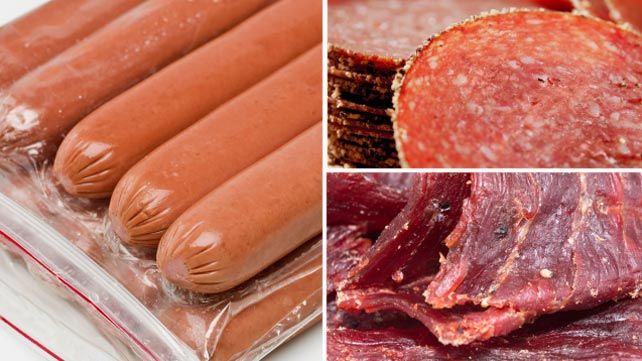
Sodium nitrate has a reputation problem. Mention it at a cookout and someone will glare at the hot dogs as if they just confessed to tax fraud. But the truth is more interesting than “nitrates are bad” or “nitrates are harmless.” Sodium nitrate is a naturally occurring compound found in soil, water, vegetables, and the human body. It is also used as a preservative in certain cured and processed meats, where it helps maintain color, control spoilage, and support food safety.
So, is sodium nitrate bad for you? The best answer is: it depends on the source, amount, and overall diet. Nitrates from vegetables like spinach, beets, celery, lettuce, and arugula are generally not considered the same health concern as nitrates and nitrites used in processed meats. The food “neighborhood” matters. In vegetables, nitrates arrive with vitamin C, fiber, potassium, polyphenols, and antioxidants. In bacon, ham, sausage, salami, jerky, and deli meats, they often travel with high sodium, saturated fat, heme iron, smoking, curing, and sometimes high-heat cooking. Same chemical family, very different dinner party.
What Is Sodium Nitrate?
Sodium nitrate is a salt made of sodium, nitrogen, and oxygen. In food, it is mainly associated with curing and preserving meat. It should not be confused with sodium nitrite, although the two are closely related. Nitrate can convert into nitrite through bacteria in food or in the body. Nitrite can then participate in several reactions, some helpful and some potentially harmful.
In cured meat production, sodium nitrate and sodium nitrite are used because they do useful work. They help preserve the pinkish-red color of cured meats, contribute to the familiar cured flavor, slow rancidity, and inhibit the growth of dangerous bacteria. One of the most important food-safety reasons for nitrite use is its role in helping control Clostridium botulinum, the bacterium associated with botulism, a rare but serious foodborne illness.
Sodium Nitrate vs. Sodium Nitrite: What’s the Difference?
Sodium nitrate and sodium nitrite are not identical. Sodium nitrate is often more stable and can act as a reservoir that gradually converts into nitrite. Sodium nitrite is more directly active in meat curing. When people talk about the health concerns of “nitrates in bacon,” they are often talking about the broader nitrate-nitrite-nitrosamine pathway.
Here is the simple version: nitrate can become nitrite; nitrite can form nitric oxide, which plays useful roles in blood vessels; but nitrite can also contribute to the formation of N-nitroso compounds, including nitrosamines, especially under certain conditions. Some nitrosamines are considered carcinogenic. This is why the conversation about sodium nitrate is not just about one ingredient on a label. It is about chemistry, cooking, food type, and eating patterns.
Where Is Sodium Nitrate Found?
1. Processed and Cured Meats
Sodium nitrate and sodium nitrite are most commonly discussed in relation to processed meats such as bacon, hot dogs, ham, corned beef, pepperoni, salami, sausages, jerky, and deli meats. These foods are often cured, smoked, salted, fermented, or otherwise processed to improve flavor, shelf life, and appearance.
2. Vegetables
Surprisingly, vegetables are often the largest source of dietary nitrate. Leafy greens, beets, celery, radishes, and lettuce can contain naturally high levels of nitrate because plants absorb nitrogen from soil. This does not mean vegetables are secretly wearing a villain cape. In fact, nitrate-rich vegetables are usually associated with better overall health because they come packaged with nutrients that support heart, digestive, and metabolic health.
3. Drinking Water
Nitrate can also appear in drinking water, especially in areas affected by agricultural runoff, fertilizers, septic systems, or well contamination. High nitrate levels in water are a particular concern for infants and pregnant people, and private well owners may need periodic testing depending on their location.
Why Are People Worried About Sodium Nitrate?
The concern is not that one slice of ham will ruin your health. The concern is repeated, long-term intake of processed meats and the possibility that nitrates and nitrites may contribute to harmful compound formation in the body. Processed meats have been linked with higher risk of colorectal cancer, and major health organizations advise limiting them.
Several factors make processed meats more concerning than vegetables. First, meat contains proteins and heme iron that can influence nitrosamine formation. Second, processed meats are often high in sodium, which can affect blood pressure when eaten excessively. Third, cooking methods such as frying, grilling, or broiling can create additional compounds that are not exactly health’s best friends. Fourth, processed meat tends to replace healthier proteins and whole foods in the diet. In other words, the issue is not one tiny molecule acting alone like a cartoon villain. It is the whole processed-meat package.
Are Nitrates in Vegetables Bad?
For most people, nitrates from vegetables are not something to fear. In fact, nitrate-rich vegetables can support nitric oxide production, which helps blood vessels relax and may support healthy blood pressure. Beets, spinach, arugula, and celery are popular among athletes because dietary nitrate may help improve exercise efficiency in some people.
The reason vegetables behave differently is that they contain vitamin C and other antioxidants that can reduce the formation of harmful N-nitroso compounds. They also bring fiber, minerals, and plant compounds that processed meats do not. So if your salad contains spinach, celery, and beets, there is no need to stare at it suspiciously. The salad is not a hot dog in disguise.
Is Sodium Nitrate in Meat Bad for You?
Sodium nitrate in processed meat is best treated as a “limit it” ingredient rather than an “instant panic” ingredient. Eating bacon once in a while is not the same as building your breakfast identity around bacon, sausage, and deli meat every morning. Health risk usually rises with frequency, portion size, and the rest of the diet.
Processed meats are associated with increased risk of colorectal cancer and may also be linked with higher risk of heart disease and type 2 diabetes. These risks are not caused only by sodium nitrate. Processed meats often contain high sodium, saturated fat, preservatives, smoke compounds, and other elements that may contribute. Still, nitrates and nitrites remain part of the concern because of their potential involvement in nitrosamine formation.
What About “Uncured” or “No Nitrates Added” Meat?
Food labels can be sneakier than a raccoon near a picnic basket. Many “uncured” meats or products labeled “no nitrates or nitrites added” are cured with natural nitrate sources such as celery powder or celery juice. These ingredients can still provide nitrates that convert into nitrites during processing or digestion.
This does not mean every naturally cured product is identical to conventional cured meat in every detail, but it does mean shoppers should not assume “natural” automatically means nitrate-free. A turkey hot dog cured with celery powder is still a processed meat. If the goal is to reduce processed-meat intake, the better move is usually to choose fresh poultry, fish, beans, lentils, eggs, tofu, or minimally processed meats more often.
How Much Sodium Nitrate Is Too Much?
There is no simple household answer like “three slices and you’re doomed” because exposure varies by food, serving size, processing method, regulations, body weight, and total diet. Regulatory agencies set limits on nitrate and nitrite use in food manufacturing to reduce risk while preserving food-safety benefits. However, staying within legal limits does not automatically make a diet rich in processed meat ideal.
A practical approach is easier: keep processed meats occasional, not daily. If bacon, salami, ham, pepperoni, hot dogs, and deli meats show up constantly, it is worth cutting back. Think of processed meat as a flavor accent, not the lead singer of every meal. A little crumbled bacon on a large salad is a different pattern from a daily processed-meat breakfast sandwich followed by deli meat at lunch and pepperoni pizza at dinner.
Health Risks Linked to High Nitrate or Nitrite Exposure
1. Nitrosamine Formation
Nitrosamines are compounds that can form when nitrites react with certain substances, especially in protein-rich foods and under high heat. Some nitrosamines have been linked to cancer risk. This is one reason experts recommend limiting processed meats and avoiding heavily charring cured meats.
2. Processed Meat and Colorectal Cancer
Processed meat consumption is one of the clearest dietary concerns connected to nitrates and nitrites. The risk does not come from sodium nitrate alone, but from the processed-meat matrix. Regular intake of bacon, sausage, hot dogs, and deli meats is associated with increased colorectal cancer risk.
3. Heart and Metabolic Health
Processed meats are often high in sodium and saturated fat. Diets high in sodium can contribute to high blood pressure in salt-sensitive people, and processed-meat-heavy eating patterns may be associated with worse heart and metabolic outcomes. Again, sodium nitrate is not the only suspect in the lineup, but it is part of the broader conversation.
4. Methemoglobinemia From Excess Nitrite
Extremely high nitrite exposure can interfere with the blood’s ability to carry oxygen, a condition called methemoglobinemia. This is rare from normal food intake but can occur with unusually high contamination or improper use. Infants are especially vulnerable when formula is prepared with water containing excessive nitrate.
Can Sodium Nitrate Have Benefits?
Yes, in the right context. In food processing, nitrate and nitrite help prevent spoilage and inhibit dangerous bacteria. That matters because food preservation is not just about making ham pink and pretty. It is also about reducing the risk of serious foodborne illness.
In the body, nitrate from vegetables may support nitric oxide production. Nitric oxide helps blood vessels relax and plays roles in circulation and exercise performance. This is why beet juice has become popular among runners, cyclists, and gym people who enjoy discussing mitochondria at parties.
The key is source. Nitrate from a bowl of arugula and beets is not nutritionally equivalent to nitrate from a stack of processed meat. One comes with fiber, antioxidants, and potassium. The other may come with high sodium, saturated fat, and a side of “maybe don’t eat this every day.”
Who Should Be More Careful?
Most healthy adults do not need to obsess over every milligram of nitrate. However, some groups should pay closer attention. People with high blood pressure, heart disease risk, kidney concerns, or a family history of colorectal cancer may benefit from reducing processed meats. Pregnant people and families using private well water should be especially aware of nitrate levels in drinking water. Parents of infants should never use untested high-nitrate well water for formula.
Anyone with a medical condition that affects oxygen transport, blood chemistry, or nitrate metabolism should follow a clinician’s guidance. Nutrition is personal, and internet articles should not replace professional care. They are helpful maps, not your doctor wearing a tiny browser hat.
How to Reduce Sodium Nitrate Without Making Food Boring
Choose Fresh Proteins More Often
Swap processed meats for fresh chicken, turkey, fish, eggs, beans, lentils, tofu, tempeh, or plain Greek yogurt. For sandwiches, try roasted chicken breast, tuna salad, hummus, avocado, grilled vegetables, or egg salad instead of daily deli meat.
Use Processed Meat as a Garnish
If you love bacon, use a small amount for flavor rather than making it the main event. A little bacon in a pot of beans or a sprinkle of prosciutto on a vegetable-heavy dish gives flavor without turning the meal into a processed-meat parade.
Cook Cured Meats Gently
Avoid burning or charring cured meats. High-heat cooking can increase the formation of unwanted compounds. Lower temperatures, shorter cooking times, and avoiding blackened edges are smarter choices.
Eat Vitamin C-Rich Foods
Pair meals with fruits and vegetables rich in vitamin C, such as citrus, strawberries, bell peppers, broccoli, and tomatoes. Vitamin C can help reduce nitrosamine formation. This does not magically turn bacon into broccoli, but it supports a healthier overall meal pattern.
Read Labels Carefully
Check ingredient lists for sodium nitrate, sodium nitrite, potassium nitrate, potassium nitrite, celery powder, celery juice powder, and cultured celery extract. Also compare sodium levels, because many processed meats are saltier than they taste.
Better Alternatives to Processed Meats
If your lunch routine depends on deli meat, start with easy swaps. Try a sandwich with grilled chicken, mashed chickpeas, hummus and vegetables, leftover salmon, fresh mozzarella and tomato, or peanut butter with sliced fruit. For breakfast, replace daily bacon or sausage with eggs, oatmeal, yogurt, fruit, avocado toast, or a vegetable omelet. For pizza night, choose mushrooms, peppers, onions, olives, spinach, chicken, or fresh basil instead of pepperoni every time.
The goal is not perfection. The goal is reducing the frequency of processed meat while increasing whole foods. Your body does not require a dramatic breakup speech with bacon. A polite distance is enough.
Practical Experiences: What People Notice When Cutting Back on Sodium Nitrate Sources
Many people do not decide to reduce sodium nitrate because they read a chemistry textbook for fun. They usually start because of a real-life moment: a doctor mentions blood pressure, a family member has colon polyps, a fitness tracker keeps tattling on their heart rate, or they read a food label and realize their “simple lunch” has more ingredients than a movie credits scene.
One common experience is that people begin by replacing deli meat at lunch. At first, it feels inconvenient because deli meat is fast, cheap, and familiar. A turkey sandwich is the weekday uniform of many busy households. But after experimenting, many discover that roasted chicken, tuna, hummus, egg salad, avocado, or leftover grilled vegetables can be just as satisfying. The biggest trick is preparation. If healthier options are ready in the fridge, people are far less likely to grab processed meat out of habit.
Another experience is taste adjustment. Processed meats are designed to be salty, savory, and deeply flavorful. When someone cuts back, fresh foods may taste plain for a week or two. Then the palate adapts. Tomatoes taste sweeter. Herbs become more noticeable. Fresh chicken tastes like actual chicken instead of a salt delivery vehicle wearing a protein costume. People often find they can still enjoy cured meats occasionally, but they no longer need them in every breakfast, sandwich, or snack plate.
Families often find the label issue confusing. A parent may buy “uncured” hot dogs thinking they have avoided nitrates completely, only to learn that celery powder can still provide nitrate. This can feel frustrating, but it also leads to a more useful mindset: instead of chasing magical labels, reduce processed meats overall. A fresh turkey burger, bean chili, grilled fish taco, or vegetable-loaded pasta is usually a better upgrade than simply switching from one processed meat label to another.
Athletes and active people sometimes have the opposite experience: they hear nitrates can improve blood flow and wonder whether they should drink beet juice or take nitrate supplements. For many, the better first step is simply eating nitrate-rich vegetables. A salad with arugula, spinach, beets, citrus, and nuts offers nitrate plus antioxidants and minerals. That is very different from using processed meat as a nitrate source. Nobody has ever won a wellness award by saying, “I’m eating extra salami for my nitric oxide.”
People who successfully reduce processed meats usually do not rely on fear. Fear fades by Thursday. Habits last longer. They build routines: oatmeal or eggs for breakfast, leftovers for lunch, beans once or twice a week, fish when possible, and processed meats saved for occasional flavor. They still enjoy food. They still go to barbecues. They just stop treating bacon, ham, sausage, and deli meat like daily necessities.
The most realistic lesson is this: sodium nitrate is not a single-ingredient monster hiding in the pantry. It is a clue that helps you look at the bigger pattern. If the pattern includes plenty of vegetables, fruits, whole grains, legumes, nuts, and fresh proteins, an occasional cured meat is unlikely to define your health. If the pattern is mostly processed meat and packaged foods, sodium nitrate is one more reason to shift the plate toward fresher choices.
Final Verdict: Is Sodium Nitrate Bad for You?
Sodium nitrate is not automatically bad in every form, but it deserves attention. In vegetables, naturally occurring nitrate is generally part of a healthy dietary pattern. In processed meats, sodium nitrate and related nitrites are part of a food category linked with increased cancer and cardiometabolic risks when eaten regularly.
The smartest approach is balanced and practical: eat more nitrate-rich vegetables, limit processed meats, avoid charring cured meats, watch sodium intake, and do not be fooled by “natural” curing claims. You do not need to live in fear of one ingredient. You do need to pay attention to your overall eating pattern. In nutrition, the pattern usually tells the real story.
Note: This article is for general educational purposes only and is not medical advice. People with specific health conditions, pregnancy-related concerns, infant-feeding questions, or private well-water concerns should speak with a qualified health professional.