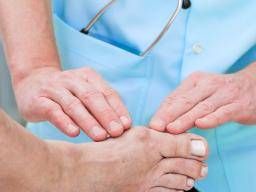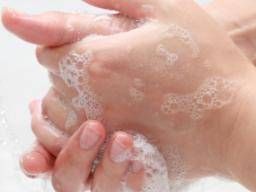
In hospitals, clean hands save lives. That part is not up for debate. But there is an uncomfortable side effect hiding in plain sight: the same hand hygiene habits that protect patients can punish skin. For many frontline hospital staff, frequent hand washing, repeated sanitizer use, long shifts in gloves, and constant exposure to soap, disinfectants, and dry indoor air have created a perfect storm for hand dermatitis. In plain English, the hands doing the healing are getting beat up.
This is not a minor cosmetic annoyance. Dermatitis can mean dryness, burning, itching, fissures, bleeding, swelling, and pain severe enough to make buttoning scrubs, typing notes, opening medication packaging, or even using hand sanitizer feel like pouring lemon juice into a paper cut. Among healthcare workers, the condition is often occupational irritant contact dermatitis, a skin barrier injury caused by repeated exposure to water, cleansers, friction, and occlusion under gloves. And yes, it is exactly as glamorous as it sounds.
The rise in dermatitis among frontline hospital staff became especially visible during periods of intensified infection control, but the issue did not start there and it certainly did not end there. Older CDC-reviewed literature has already described irritant contact dermatitis as a common occupational risk in healthcare, with estimates ranging from about 10% to 45% among healthcare professionals. One survey cited in that literature found damaged skin on the hands of 25.9% of nurses, while 85.6% reported hand problems at some point. That should tell us something important: this is not a rare side effect of good hygiene. It is a predictable workplace hazard.
Why hand dermatitis is rising in hospital settings
The modern hospital asks a lot from skin. Nurses, physicians, respiratory therapists, phlebotomists, environmental services workers, laboratory staff, surgical teams, and aides may clean their hands dozens of times in a single shift. The problem is not hygiene itself. The problem is cumulative exposure. Skin is a barrier made of lipids, proteins, and water balance. Repeated washing strips away natural oils, disrupts that barrier, and leaves the surface more vulnerable to irritation, inflammation, and cracking.
Soap-and-water hand washing plays a critical role when hands are visibly soiled or contaminated with certain substances. But in many clinical situations, alcohol-based hand rubs are preferred because they are effective, fast, and often less damaging to the skin than repeated washing with soap and water. That surprises a lot of people. Many assume sanitizer is the villain because it stings. In reality, the sting often means the skin is already damaged. Broken skin complains loudly. It is dramatic, but it is not lying.
Another sneaky culprit is overcorrection. Some staff wash with soap and water immediately after using sanitizer, thinking they are being extra safe. That sounds noble, but it can be rough on the skin and is not routinely recommended. Add in hot water, harsh soaps, rushed drying, glove friction, and the low-humidity air of climate-controlled buildings, and the skin barrier starts waving a white flag.
The frontline factors that make matters worse
Frontline hospital work multiplies the risk because it combines nearly every known trigger for hand dermatitis:
- Frequent wet work: repeated hand washing and repeated contact with water weaken the skin barrier.
- Soap and detergent exposure: cleansers remove oils that help keep skin flexible and intact.
- Alcohol-based hand rubs on already damaged skin: not always the cause, but often the reason people suddenly notice the damage.
- Hot water: it feels thorough, but it can increase dryness and irritation.
- Glove use: long hours in gloves trap sweat, create friction, and can aggravate already inflamed skin.
- Latex and rubber accelerators: some workers are not just irritated; they are allergic to glove materials or chemicals used in processing them.
- Cold seasons and dry indoor air: the skin barrier gets less help from the environment when humidity drops.
- Personal risk factors: staff with a history of eczema, atopic dermatitis, allergies, or generally sensitive skin often develop symptoms faster.
In other words, the average hospital hand is not dealing with one irritant. It is dealing with a relay team of them.
What hand dermatitis looks like on the job
At first, hand dermatitis can seem harmless: a little tightness after washing, mild redness near the knuckles, or flaky skin around the fingertips. Then the shift schedule keeps shifting, the sinks keep calling, and the symptoms get bolder. The skin may become rough, red, itchy, scaly, swollen, or painfully dry. Small cuts called fissures may develop, especially on the knuckles, fingertips, and sides of the fingers. In more severe cases, the skin can crack, bleed, blister, ooze, or become infected.
That matters because damaged skin is not just uncomfortable. It can interfere with work. Staff may hesitate before each hand hygiene event because they know it will hurt. They may sleep badly because the itching wakes them up. They may lose confidence when patients notice visibly inflamed hands. And if the skin barrier is broken enough, it becomes harder to ignore the possibility of bacterial infection or the need for medical treatment.
Irritant contact dermatitis vs. allergic contact dermatitis
Not all dermatitis is the same, and hospitals should not treat every red hand like it came from the same bottle of soap. The most common type linked to hand hygiene is irritant contact dermatitis. This happens when repeated exposure to water, cleansers, friction, and chemicals physically damages the skin barrier. It often shows up as dryness, burning, stinging, roughness, redness, and cracking.
Allergic contact dermatitis is different. It is an immune reaction to a specific ingredient or material. In healthcare settings, possible triggers can include fragrances, preservatives, certain antiseptic ingredients, latex, or chemicals used in glove manufacturing. Allergic reactions may appear after repeated exposure and can become chronic if the trigger is not identified.
This distinction matters because the fix is not always “use more lotion and power through it.” If symptoms keep coming back, spread beyond the usual contact areas, or do not improve with better skin care, patch testing or a dermatology evaluation may be needed. Sometimes the problem is not the frequency of hand hygiene alone. Sometimes it is what is touching the skin during that hygiene routine.
How hospitals can protect skin without compromising infection control
The goal is not to tell staff to wash less and hope for the best. The goal is smarter skin protection that works with hand hygiene, not against it. Hospitals that want healthier hands need systems, not just sympathy.
1. Use alcohol-based hand rub when appropriate
In many clinical situations, alcohol-based sanitizer is preferred when hands are not visibly dirty. It is effective, convenient, and often less damaging than repeated soap-and-water washing. This is one of the simplest ways to reduce cumulative irritation. Staff should also know that routine soap-and-water washing immediately after sanitizer use is generally unnecessary and can worsen dermatitis.
2. Skip the hot water heroics
Hot water does not earn extra infection-prevention points. It does, however, strip more oil from the skin and can increase irritation. Lukewarm water is the smarter choice. The hands do not need a spa day, but they also do not need to be boiled into submission.
3. Choose gentle cleansers and fragrance-free moisturizers
Mild soaps or non-soap cleansers can reduce irritation. Just as important, staff need easy access to fragrance-free moisturizers, creams, or ointments that are compatible with clinical workflows. Moisturizer should not be treated like a luxury perk somewhere near the staff lounge fruit bowl. It is preventive equipment for the skin barrier.
The best timing is immediately after hand cleansing and again at breaks, meals, and the end of the shift. Thicker creams and ointments are especially useful overnight, when there is time for repair and fewer glove changes to interrupt the process.
4. Dry hands gently
Rubbing hands aggressively with paper towels can add friction to already inflamed skin. Patting dry and avoiding rough scrubbing can help. It sounds small, but dermatitis is often a thousand tiny insults rather than one dramatic betrayal.
5. Rethink glove practices
Gloves protect staff and patients, but long wear can trap moisture and aggravate skin. Proper glove selection matters. Staff with sensitivity to latex or glove chemicals may need alternative products. Workers whose hands are frequently wet may benefit from glove strategies that reduce friction and sweat buildup, including appropriate glove changes and, in some settings, cotton-lined options for non-sterile wet tasks. Gloves should be part of the solution, not the reason your knuckles look like desert pavement.
6. Make reporting easy and stigma-free
Dermatitis often goes underreported because staff dismiss it as “part of the job.” That attitude is common, but it is not helpful. Occupational health programs should encourage early reporting, dermatology referral when needed, and product review when patterns emerge across units or job roles. If half the floor has the same cracked hands, the issue is probably bigger than individual skin “sensitivity.”
Treatment: what helps when the skin is already angry
Once dermatitis appears, treatment usually starts with barrier repair and trigger reduction. That can include frequent use of fragrance-free emollients, switching to gentler cleansers, reducing unnecessary soap-and-water washes, and using overnight ointments for deeper repair. Topical corticosteroids may be needed for inflamed areas, especially during flares. If there is concern for allergic contact dermatitis, infection, severe fissures, or persistent symptoms, medical evaluation is important.
Workers should seek professional care when hand symptoms are severe, recurrent, spreading, interfering with work, or not improving with routine skin care. Cracked skin that bleeds, blisters, becomes crusted, or shows signs of infection deserves medical attention. So does a rash that appears linked to specific gloves, products, or procedures. A dermatologist or occupational health clinician can help sort out what is irritant, what is allergic, and what needs a more targeted plan.
Why this matters beyond comfort
Hand dermatitis is often framed as a skin issue, but it is really a workforce issue, a safety issue, and a quality-of-care issue. Painful hands can affect compliance, concentration, dexterity, morale, and retention. In busy hospitals where burnout already lurks behind every badge reel, preventable skin disease should not get a free pass.
Protecting the skin barrier also sends a message to staff: infection prevention and worker well-being are not competing priorities. They belong on the same team. A hospital can insist on excellent hand hygiene and also make it easier for people to keep their hands intact. In fact, the second goal helps the first one succeed.
Experience from the frontline: common stories behind the statistics
The following section is a representative, experience-based composite drawn from widely reported patterns among frontline hospital workers. It is written to reflect common realities, not to describe one specific individual.
Ask a bedside nurse about hand dermatitis, and the answer often starts casually. “It was just a little dryness.” That is how many stories begin. At first, the skin feels tight after a shift. Then there is redness around the knuckles. Then the fingertips start catching on gauze, glove cuffs, chart paper, and the tiny edge of every adhesive package in the building. Before long, every trip to the sanitizer dispenser feels like a dare.
A respiratory therapist may notice the problem during a stretch of high-acuity shifts, when entering and exiting patient rooms means cleaning hands over and over again with almost no pause between tasks. An environmental services worker may develop burning and rough patches from the combination of hand hygiene, cleaning agents, and glove wear. A lab technician may find that the skin splits most painfully around the nails, where repeated washing and drying leave the fingertips raw. Different roles, same unhappy hands.
One of the most common experiences is the contradiction itself: the worker knows hand hygiene is essential, but the skin is sending distress signals every single day. That creates a strange kind of dread. Not dread of the work, exactly, but dread of the next sink, the next dispenser, the next round of gloves, the next sharp sting. Staff may start keeping cream in scrub pockets, locker bags, car consoles, and coat pockets like tiny emergency fire extinguishers for their fingers.
Night shifts can make the problem feel even bigger. By the time a worker gets home, the hands may be swollen, itchy, and sore. Washing dishes at home can hurt. Showering can sting. Sleep gets interrupted by itching, and by morning the skin feels stiff before the day has even started. Some workers joke about having “hospital hands,” but the humor usually covers real frustration. It is hard to feel polished and professional when your knuckles are cracked and your fingertips look like they have been sanding drywall for fun.
There is also the emotional side. Some staff worry that patients will notice. Some feel embarrassed by flaking skin or visible redness. Others are simply tired of being uncomfortable in such a practical, unavoidable way. Hands are involved in nearly everything on the job: turning patients, starting IVs, cleaning equipment, typing notes, opening sterile packaging, adjusting masks, handling medications, and offering reassurance through touch. When the hands hurt, work feels heavier.
Yet there is a hopeful thread in many of these experiences too. Workers often improve when they finally get a skin-protection plan that fits real hospital life: switching to sanitizer when appropriate instead of defaulting to soap and water every time, using lukewarm water, applying fragrance-free cream after cleansing, using thicker ointment overnight, changing glove materials when needed, and seeking occupational health or dermatology support before the problem becomes severe. The biggest lesson from those experiences is simple: frontline staff do not need fewer expectations around hygiene. They need better support for the skin doing the work.
Conclusion
Increased hand washing has absolutely helped expose a growing problem in hospitals: frontline staff are developing more hand dermatitis because the skin barrier can only absorb so much daily stress before it protests. The answer is not less hygiene. The answer is better-designed hygiene habits, better product choices, earlier treatment, and a stronger workplace commitment to skin health. Clean hands should not have to mean cracked hands. Hospitals can protect both patients and staff, and the smartest systems already know that one goal strengthens the other.