Some days arrive wearing muddy boots. Your inbox is rude, your coffee is lukewarm, and the laundry has somehow achieved sentience. Then, out of nowhere, you see a rescue puppy with peanut butter on its nose, blinking as if it has just discovered the meaning of life. Suddenly, the world feels softer. Your shoulders drop. Your face does that thing where it tries not to smile and fails miserably.
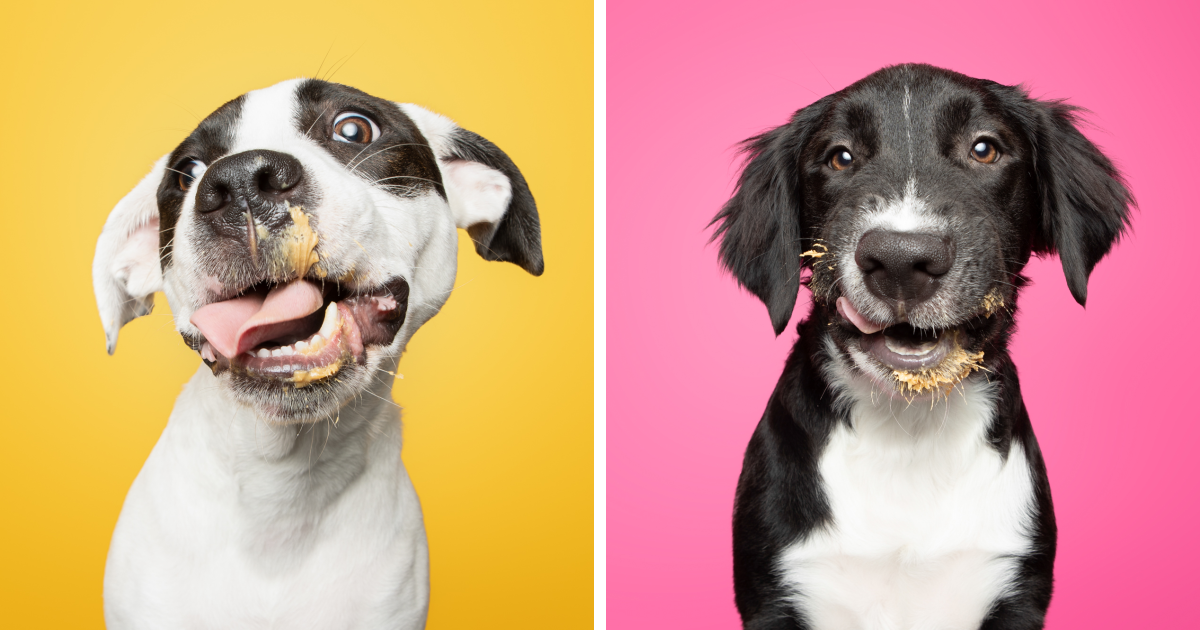
That is the oddly powerful magic behind rescue puppies eating peanut butter. It is not just cuteness for cuteness’ sake, although let’s be honest, the cuteness is doing Olympic-level gymnastics. These photos capture comfort, trust, curiosity, and second chances in one tiny, sticky moment. A rescue puppy licking peanut butter from a spoon, a lick mat, or the inside of an enrichment toy is more than a funny snapshot. It is a reminder that healing can look silly, joy can be simple, and sometimes the best therapy has four paws and a nut-butter mustache.
This article explores why puppy photos lift our mood, why rescue dog adoption matters, how peanut butter can be used safely as an occasional treat, and why these delightfully messy images can help shelter pets shine online. Prepare yourself. There will be tiny tongues, big eyes, heroic smears, and at least one imaginary puppy who looks like he just signed a peanut butter sponsorship deal.
Why Rescue Puppies Eating Peanut Butter Feels Like Instant Sunshine
Rescue puppies already have a built-in emotional advantage. They represent hope. Many come from shelters, foster homes, overcrowded environments, or uncertain beginnings. When we see them relaxed, playful, and safe enough to enjoy a treat, our brains understand the story before a single caption explains it. This little dog is okay. This little dog is loved. This little dog has peanut butter on its eyebrow and no regrets.
Photos of rescue puppies eating peanut butter work because they combine three mood-boosting ingredients: baby-animal cuteness, visible pleasure, and a clear rescue narrative. Puppies have round faces, soft features, clumsy movements, and dramatic expressions that seem designed to melt human seriousness into soup. Add peanut butter, and suddenly every photo becomes a tiny comedy scene. One puppy squints in deep concentration. Another stretches its tongue with the determination of a professional athlete. A third looks directly into the camera with the expression of someone who has seen heaven and found it spreadable.
There is also something reassuring about the simplicity of it. A puppy does not need a luxury vacation, a five-year plan, or a motivational podcast. Give that pup a safe, xylitol-free dab of peanut butter, and happiness arrives immediately. Humans, who tend to overcomplicate everything including breakfast, can learn from this.
The Real Reason Cute Puppy Photos Can Improve Your Day
Looking at cute animal images is not just internet fluff. Research on human-animal interaction and visual cuteness suggests that animal images can support positive emotions, reduce stress, and even sharpen attention for certain tasks. That does not mean puppy photos replace sleep, therapy, exercise, or paying your bills. Sadly, your electric company will not accept “I looked at a golden retriever puppy” as payment. But cute puppy content can act like a small emotional reset.
Part of the effect comes from what researchers often call the human-animal bond. People commonly experience companionship, comfort, and reduced loneliness through relationships with pets. Even brief interactions with dogs may encourage calm feelings, social connection, and a sense of warmth. Photos are not the same as cuddling a real puppy, but they can still spark a similar emotional association. Your brain sees a soft little creature enjoying life and quietly files it under “things are not completely terrible.”
Rescue puppy photos add another layer: meaning. A cute puppy is adorable. A rescue puppy learning to trust people, exploring enrichment, and enjoying a safe treat is adorable with emotional depth. That is the difference between a cupcake and a cupcake handed to you by someone who remembered your birthday.
Why Rescue Puppies Deserve the Spotlight
Across the United States, shelters and rescue groups work every day to care for dogs and cats waiting for homes. Adoption gives animals a second chance while opening space and resources for the next pet in need. That is why visibility matters. A great photo can introduce an adoptable puppy to someone who might otherwise scroll past. It can turn “just browsing” into “Who is this tiny peanut butter goblin, and how do I meet him?”
Rescue puppies are not products on a shelf. They are individuals with personalities, needs, quirks, fears, and hilarious talents. Some are bold enough to charge into a photo session like they are hosting a cooking show. Some are shy and need patience. Some lick peanut butter carefully, like tiny etiquette scholars. Others go full chaos mode and somehow get peanut butter on the floor, the toy, the photographer, and possibly the ceiling.
Good rescue photography helps show more than appearance. It shows personality. A puppy calmly working on a lick mat may signal curiosity and focus. A pup wagging during a treat session may show friendliness. A puppy leaning into a foster volunteer while enjoying a snack may show growing trust. These visual details help potential adopters imagine life with that dog, which is far more powerful than a blurry kennel photo taken during intake.
Peanut Butter: The Treat That Turns Puppies Into Tiny Comedians
Peanut butter is popular with dogs for obvious reasons: it smells rich, tastes savory-sweet, and sticks around long enough to make snack time feel like a puzzle. For rescue puppies, it can also support enrichment when used properly. A small amount spread on a lick mat or tucked inside a treat toy can encourage licking, sniffing, problem-solving, and calm engagement.
It also creates spectacular photography. Peanut butter produces expressions no acting coach could teach. There is the cross-eyed nose lick. The dignified chin smear. The “I meant to do that” paw swipe. The full-face peanut butter helmet. If puppies had yearbooks, these would be the senior portraits.
Peanut Butter Safety Comes First
Before anyone turns snack time into a photo shoot, safety must lead the parade. Dogs can usually enjoy peanut butter in moderation, but only when the product does not contain xylitol. Xylitol, sometimes labeled as birch sugar, is dangerous to dogs and can cause severe health emergencies. Always read the ingredient label carefully. Choose plain peanut butter with minimal ingredients, avoid sugar-free varieties, skip products with added chocolate, and keep portions small.
Puppies have sensitive stomachs, and every dog is different. Peanut butter is high in fat and calories, so it should be an occasional treat rather than a daily spoon festival. A tiny smear is often enough for photos and enrichment. If a puppy has allergies, digestive issues, pancreatitis risk, or is very young, ask a veterinarian or shelter medical team before offering it. Cute content is wonderful. Emergency vet visits are not cute. They are the opposite of cute. They are emotionally and financially spicy.
How Peanut Butter Helps During a Rescue Puppy Photo Session
Photographing puppies is like trying to capture lightning that has learned to chew shoelaces. They wiggle, bounce, blink, roll, yawn, and occasionally decide the camera strap is their destiny. Peanut butter can help by giving a puppy something safe and interesting to focus on for a few seconds. In rescue photography, a few seconds can be gold.
A lick mat placed near natural light can encourage a puppy to stay in one area long enough for clear photos. A volunteer can hold a tiny spoon just outside the frame to help direct the puppy’s gaze. A treat toy can make a nervous pup feel more comfortable in a new space. The goal is never to force a pose. The goal is to create a calm, positive moment where the puppy’s real personality can appear.
The best photos often happen between the planned shots. A puppy pauses mid-lick with peanut butter on one ear. Another sits proudly beside the treat toy as if it has conquered a mountain. One especially confident pup may look at the camera with the swagger of a mayor opening a sandwich factory. These unscripted moments are what make rescue puppy photos so shareable.
Why These Photos Help Shelter Dogs Get Noticed
In online adoption listings, first impressions matter. Potential adopters often begin with photos before reading the full profile. A bright, clear, personality-rich image can make someone stop scrolling long enough to learn more. That pause is valuable. It gives the puppy’s story a chance to breathe.
Photos of puppies eating peanut butter are especially effective because they feel approachable. They show dogs doing something relatable and joyful. Instead of looking scared in a kennel or frozen in an unfamiliar room, the puppy appears engaged, happy, and real. That can help challenge outdated ideas about shelter pets. Rescue dogs are not “damaged goods.” They are dogs: goofy, loving, snack-motivated, occasionally dramatic, and very capable of becoming someone’s best friend.
Social media has changed pet adoption storytelling. A funny video, a charming photo series, or a clever caption can introduce adoptable animals to thousands of people. One share can lead to one application, which can lead to one home, which can change one entire life. That is a lot of power for a photo featuring a puppy with peanut butter on its whiskers.
What Makes a Great Rescue Puppy Peanut Butter Photo?
A great rescue puppy photo is not about expensive equipment. It is about light, patience, safety, and personality. Natural light usually works best because it makes fur, eyes, and expressions look warm and clear. A simple background keeps attention on the puppy. A clean blanket, a soft towel, a patch of grass, or a quiet corner near a window can do the job beautifully.
Focus on the Eyes
Even when the peanut butter is doing most of the comedy, the eyes carry the emotion. A photo where the puppy looks relaxed and engaged can build an instant connection. If the eyes are sharp, viewers feel like they are meeting the dog, not just observing it.
Let the Mess Be Part of the Charm
Do not fear the smear. A little peanut butter on the nose is not a flaw; it is the headline. Messy photos feel authentic. They tell viewers this puppy is playful, curious, and fully committed to snack excellence.
Keep Sessions Short
Puppies tire quickly. A good session may last only a few minutes. Watch for stress signals, give breaks, and end while the puppy is still having fun. The best rescue photos come from comfort, not pressure.
How to Create a Safe Peanut Butter Puppy Moment at Home
If you have a puppy or foster dog at home and want to create your own cheerful photo session, start small. Choose plain, xylitol-free peanut butter and use only a thin smear. Spread it on a clean lick mat, the inside of a washable treat toy, or a small spoon. Place the puppy in a safe, comfortable area with good lighting. Keep water nearby, supervise the entire time, and wash the toy or mat afterward.
Do not use peanut butter to overwhelm a nervous puppy or bribe a dog into a situation that scares them. Treats should build trust, not cover up stress. If the puppy backs away, pants heavily, tucks its tail, freezes, or avoids contact, pause the session. Give space. Try again later with a calmer setup.
Also, remember that photos do not have to be perfect. The blurry tail wag, the off-center lick, the accidental paw in the framethese are often the best parts. Real puppy joy is not polished. It is wiggly, sticky, and slightly out of focus.
Why Rescue Puppy Joy Feels So Contagious
There is a reason these photos travel so well online. They offer a quick emotional payoff without asking much from the viewer. You do not need to understand breed standards, shelter operations, or canine nutrition to appreciate a puppy discovering peanut butter. The expression says everything: “This is amazing, and I will be thinking about it for the rest of my eight-minute attention span.”
But beneath the humor is a bigger message. Rescue work can be difficult. Shelters face overcrowding, limited resources, medical needs, behavior challenges, and the constant urgency of finding homes. A joyful photo does not erase those challenges, but it can invite people into the solution. It can make adoption feel personal. It can turn compassion into action.
Maybe someone sees a peanut butter puppy and decides to foster. Maybe they donate towels, food, or cleaning supplies. Maybe they share an adoption post. Maybe they finally visit the local shelter and meet the dog who becomes their couch companion, hiking buddy, and professional crumb inspector. Small moments can open big doors.
Personal Experiences: The Day Peanut Butter Became Puppy Theater
Anyone who has spent time around rescue puppies knows that peanut butter does not simply get eaten. It gets performed. The first time you offer a tiny smear to a group of puppies, you quickly learn that each dog has a signature style. There is always one thoughtful puppy who approaches the lick mat as if reading a legal contract. Sniff, pause, lick, reconsider, lick again. This puppy would absolutely ask follow-up questions at a meeting.
Then there is the enthusiast. This puppy discovers peanut butter and immediately becomes a small, furry tornado of gratitude. The tail moves first. Then the shoulders. Then the entire puppy begins vibrating with joy. If happiness had sound effects, this dog would be accompanied by tiny cymbals and a marching band.
One of the most memorable rescue puppy moments is watching a shy pup figure out that the treat is safe, the room is calm, and the humans are kind. At first, the puppy may hang back, watching the spoon like it might ask for rent money. Then comes the first tentative lick. A second lick follows. The ears soften. The eyes brighten. A minute later, that same puppy is wearing peanut butter on its chin with the quiet pride of a champion. It is funny, yes, but it is also moving. Trust often begins in tiny steps, and sometimes those steps are delicious.
Photo sessions like this can teach patience. Puppies do not care about your content calendar. They do not care that the light is perfect for exactly six more minutes. They will sit when you want them to stand, nap when you want them to pose, and look magnificently adorable the moment you lower the camera. The trick is to stop chasing perfection and start noticing personality. The crossed paws. The curious head tilt. The little forehead wrinkle that says, “I am concerned there may not be enough peanut butter for the future.”
There is also a special kind of joy in seeing volunteers and foster caregivers laugh during these sessions. Rescue work can be emotionally heavy, and laughter matters. A puppy with peanut butter on its nose can give everyone in the room a breath of relief. For a few minutes, the focus is not paperwork, medical charts, kennel space, or adoption barriers. The focus is a goofy little dog enjoying a safe treat and reminding people why the hard work is worth it.
The best experience comes afterward, when those photos help tell the puppy’s story. A foster posts the image with a caption about the puppy’s sweet nature. A potential adopter sees the photo and asks for more information. Someone shares it with a friend. The puppy who was once overlooked now has people cheering for them. Peanut butter may be the prop, but connection is the real star.
And that is why these photos might genuinely make your day. They are not just cute. They are evidence of care. Someone cleaned the mat, checked the label, found the good light, comforted the nervous pup, waited for the right moment, and shared the result so more people could see a rescue dog as lovable, funny, and worthy. In a noisy world, that kind of small goodness sticks with youmuch like peanut butter, but with fewer crumbs in the couch.
Conclusion: A Sticky Little Reminder That Joy Still Exists
Rescue puppies eating peanut butter are funny, heartwarming, and dangerously effective at turning a bad mood into a softer one. These photos work because they combine real animal welfare, safe enrichment, second-chance storytelling, and the universal comedy of a puppy trying to lick its own nose. They remind us that rescue dogs are not defined by where they came from. They are defined by who they are becoming: playful companions, brave little learners, and experts in snack-based optimism.
If these photos make you smile, let that smile do something useful. Share an adoptable pet’s profile. Support a local shelter. Consider fostering. Choose adoption when the time is right. Or simply take a moment to appreciate that somewhere, a rescue puppy is discovering peanut butter for the first time and reacting as if the universe personally wrote them a thank-you note.
Note: Peanut butter should only be offered to dogs in small amounts and must be free of xylitol or birch sugar. Always check labels and ask a veterinarian or rescue professional if a puppy has medical or dietary concerns.