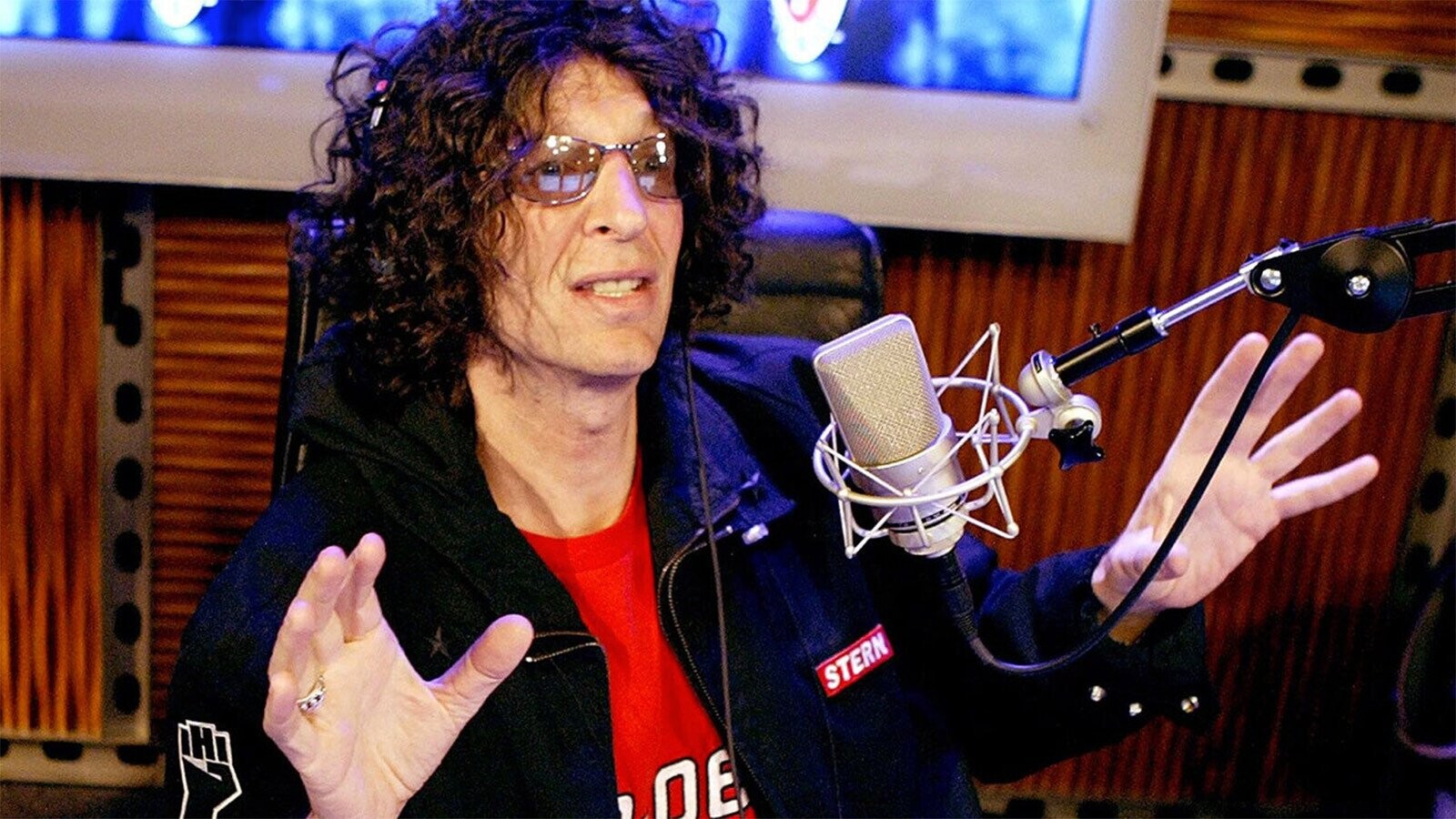
Howard Stern has spent nearly five decades turning public discomfort into radio gold. So when critics started calling him “woke,” the reaction was very on-brand: he did not faint, apologize, or pretend he had accidentally wandered into a college sociology seminar. Instead, Stern said he takes the label as a compliment. In classic Stern fashion, the message was blunt: if being “woke” means caring about other people, supporting vaccines, respecting transgender people, and refusing to fall asleep at the wheel of public life, then finecall him woke.
That comment landed because it came from Howard Stern, not from a carefully polished celebrity reading a statement that had been approved by six publicists, two lawyers, and one emotionally exhausted intern. Stern built his career as the shock jock who said the unsayable. He was rude, hilarious, controversial, occasionally brilliant, and frequently a human air horn. For some longtime listeners, the idea of Stern defending “woke” values feels like seeing a leather jacket suddenly become a cardigan. But the story is more interesting than “Howard Stern changed.” It is really about aging, media, politics, public health, and what happens when a word becomes a cultural food fight.
What Did Howard Stern Actually Say About Being “Woke”?
During a 2023 episode of The Howard Stern Show, Stern responded to critics who claimed he had lost his edge because he had become “woke.” Rather than reject the word, he flipped it. He argued that the opposite of being woke is being asleep, and he made it clear that he would rather be awake to reality than proudly clueless. Stern connected the term to several issues: opposition to Donald Trump, support for transgender people, and belief in vaccines.
His point was not that he had joined a movement, downloaded a social justice starter pack, or begun every morning by whispering “intersectionality” into his coffee. His point was simpler: if basic awareness and compassion now count as “woke,” then the insult does not work very well. It is like calling someone “well-rested” as an attack. Devastating? Not exactly.
Stern also pushed back against the idea that empathy is somehow weak or unmanly. That theme returned in later conversations when he addressed rumors that he was too politically correct, too soft, or too different from the wild radio figure many fans remembered. Stern’s response was basically: people grow up, circumstances change, and caring about others is not a crime against masculinity.
Why the Comment Became a Big Deal
The word “woke” has become one of the most overloaded terms in American culture. Originally tied to being alert to racial and social injustice, it later became a broad political label. For some people, it still means being informed and socially aware. For others, it means performative politics, annoying corporate virtue-signaling, or anything they do not like before lunch.
That confusion is exactly why Stern’s comment got attention. He took a word often used as a sneer and returned it to a plain meaning: awake, aware, not numb. In a media climate where every phrase can become a battlefield, Stern’s answer had the simplicity of a baseball bat. If being woke means not supporting bigotry, not spreading health misinformation, and not treating cruelty as a personality trait, then yes, he said, bring on the label.
There is also a delicious irony here. Howard Stern was once one of the favorite villains of moral scolds. He was accused of corrupting public taste, lowering standards, and making radio sound like a locker room with a microphone. Now some critics accuse him of being too sensitive. The same man once blamed for destroying manners is now criticized for having too many. American culture, please pick a lane.
The Long Road From Shock Jock to Reflective Interviewer
To understand why the “woke” comment matters, you have to understand Stern’s evolution. Howard Stern began as the outrageous radio rebel, the guy who made executives sweat and regulators reach for antacids. His show became famous for crude jokes, celebrity feuds, prank calls, confessions, and the kind of on-air chaos that made morning radio feel dangerous.
But Stern’s career did not freeze in 1992. He moved from terrestrial radio to SiriusXM in 2006, escaping many broadcast restrictions and helping transform satellite radio into a serious media platform. Over time, his show changed. The wildness did not vanish, but the center of gravity shifted. Stern became known for long, emotionally revealing celebrity interviews with musicians, actors, comedians, and politicians. Instead of only trying to provoke guests, he often tried to understand them.
That change irritated some old-school fans. They missed the reckless Stern, the guy who seemed allergic to restraint. But the modern Stern is not necessarily a contradiction. He is what happens when a broadcaster spends decades talking for a living, goes through therapy, survives cultural change, gets older, and realizes that being loud is not the same thing as being interesting.
Is Howard Stern Really “Woke,” or Just Older and More Honest?
The accusation that Stern “went woke” often says more about the accuser than about Stern. In many cases, “woke” has become a catch-all complaint for “this person no longer annoys the people I want him to annoy.” Stern still curses, still complains, still mocks, still obsesses, and still talks like a man who has never seen a thought he did not want to interrogate on air. What changed is not that he became bland. What changed is that his targets and values became clearer.
Stern has been open about his dislike of Donald Trump, despite their once-friendly public relationship. He has supported vaccination, especially during the COVID era. He has defended LGBTQ people and pushed back against cultural outrage aimed at transgender Americans. These positions may be described as progressive, but they are also mainstream for many Americans. Calling every act of decency “woke” is like calling every sandwich a banquet. Technically, there may be bread involved, but scale matters.
What seems to bother some critics is not merely Stern’s politics. It is that he no longer performs rebellion in the old way. The young Stern rebelled against broadcast rules and polite society. The older Stern rebels against conspiracies, cruelty, and performative toughness. The costume changed. The instinct to irritate people did not.
The Trump Factor
Donald Trump is central to the Stern “woke” debate because Trump himself was part of Stern’s media universe for years. Before politics turned everything into a permanent Thanksgiving argument, Trump appeared on Stern’s show multiple times as a New York celebrity and tabloid fixture. Their relationship was part entertainment, part publicity, part two-brash-guys-in-a-room energy.
But Stern’s view of Trump changed sharply during Trump’s political rise and presidency. Stern criticized Trump’s leadership, his rhetoric, and the movement around him. That shift helped fuel accusations that Stern had abandoned his old audience. In reality, Stern’s criticism reflects a broader cultural split: celebrities who once existed mainly as entertainers became political symbols, and audiences began sorting them like socksleft pile, right pile, traitor pile.
Stern’s “woke” comment was partly a response to that sorting machine. He was saying, in effect, that refusing to support Trump does not mean he has lost his mind. It means he made a judgment. Agree or disagree with that judgment, but it is not proof that he was replaced by a NPR tote bag.
Vaccines, Public Health, and the New Meaning of Edgy
One of Stern’s clearest examples involved vaccines. During and after the COVID pandemic, he became a vocal supporter of vaccination and a critic of people who dismissed public health guidance. For a broadcaster once known for offending polite society, this was a strange reversal: suddenly, the supposedly outrageous guy was defending doctors and science while some of his critics treated basic medical advice like a government plot hidden inside a Band-Aid.
That is one reason Stern’s “woke” line resonated. The cultural meaning of “edgy” has shifted. In the old radio world, edgy meant saying something dirty before the program director could hit the delay button. In the current internet era, edgy often means rejecting expertise, mocking empathy, or pretending that caring about strangers is embarrassing. Stern rejected that version of toughness. He seemed to argue that being informed is not weaknessit is adulthood with a microphone.
Why Some Fans Feel Betrayed
It is easy to mock listeners who complain that Stern changed, but their reaction is not impossible to understand. Many people build emotional attachments to media personalities. A radio host becomes part of the morning routine, the commute, the lunch break, the private world. When that host changes, it can feel personal. Listeners may think, “I came here for the old chaos. Why is my chaos discussing emotional growth?”
Stern’s earlier brand was anti-establishment, anti-censorship, and proudly offensive. Some fans interpreted that as a permanent contract: Howard must always offend the same people, in the same way, forever. But performers are not vending machines. You cannot insert nostalgia and demand 1997 come out.
Also, the world around Stern changed. What once seemed rebellious can later seem mean, lazy, or dated. Comedy shifts. Social standards shift. Audience expectations shift. The question is not whether Stern changed; he obviously did. The better question is whether change automatically equals betrayal. In Stern’s case, the answer depends on what listeners valued most: the shock or the honesty.
Why Stern’s Answer Was Smart Branding
From an SEO and media strategy perspective, Stern’s “woke” response was sharp because it did three things at once. First, it refused the insult. Second, it reframed the conversation in his language. Third, it gave journalists and audiences a clean, memorable quote. That is media judo: use the force of the attack to throw the story in your direction.
Stern did not spend twenty minutes offering a graduate seminar on political language. He made the issue personal and plain. Do you want to be asleep or awake? Do you want to care about people or brag that you do not? Do you want to be informed or loudly allergic to facts? Whether someone agrees with Stern or not, that framing is powerful because it makes the opposing position look small.
It also fits his brand better than critics may realize. Stern has always thrived on refusing to be controlled by other people’s comfort zones. In the 1990s, that meant defying broadcast decency rules. In the 2020s, it means refusing to let internet critics define compassion as weakness. Different decade, same stubbornness.
The Bigger Cultural Lesson
The Stern controversy is not just about Howard Stern. It is about how public figures age in front of audiences that do not always want them to age. It is about how political language becomes so slippery that a word like “woke” can mean awareness, arrogance, kindness, censorship, diversity training, or “a thing I dislike on television.” It is about how celebrity identity becomes a team sport.
Most of all, it is about whether people are allowed to grow. Stern’s critics are free to dislike his modern show. Taste is personal. Nobody is required to enjoy long-form interviews, pandemic caution, or reflective conversations about therapy. But calling growth “selling out” is too easy. Sometimes people sell out. Sometimes they simply learn. And sometimes the guy who once made America clutch its pearls decides that he would rather be awake than asleep.
Real-Life Experiences Related to the “Woke” Debate
One reason Stern’s comment connects with people is that many Americans have had their own smaller version of the same experience. Maybe you have not been called “woke” by thousands of strangers online while broadcasting to millions of listeners. If you have, congratulations on your very specific Tuesday. But plenty of people know what it feels like to be labeled because they changed their mind, became more empathetic, or stopped laughing at jokes they once ignored.
Imagine a family dinner where someone says they support a school library carrying books about different kinds of families. Suddenly, an uncle who has been marinating in cable news declares, “Well, look who went woke.” The room gets quiet. The mashed potatoes sense danger. But the person being criticized may not feel radical at all. They may simply believe kids should be able to read stories that reflect the real world. That is the everyday version of Stern’s argument: sometimes “woke” just means awake to people outside your own bubble.
Another example appears at work. A manager starts taking harassment complaints seriously, updates hiring practices, or asks employees not to make jokes at someone else’s expense. A few coworkers grumble that the office has become “too woke.” But from another perspective, the workplace has simply become more professional. Nobody lost free speech because they were asked not to turn the break room into a live-action comments section.
The same thing happens in friendships. A person who once laughed along with everything may eventually say, “Actually, that joke is pretty cruel.” That moment can be awkward. Friends may accuse them of changing. But change is not always pretentious. Sometimes it is a sign that your conscience finally got Wi-Fi.
Stern’s experience also reflects the way aging can sharpen values. Younger people often define freedom as the ability to say anything. Older people may begin to define freedom as the ability to say what they actually believe, even when it disappoints the crowd that once cheered them. That is a different kind of courage. It is quieter, less flashy, and harder to put on a T-shirt, but it matters.
In daily life, being called “woke” can sting because it is meant to shut down conversation. It is a label that often replaces an argument. But Stern’s response offers a useful strategy: ask what the word means. If it means being informed, compassionate, pro-science, and unwilling to treat marginalized people like punchlines, then the insult collapses under its own weight. If it means empty virtue-signaling or corporate hypocrisy, then say that clearly and debate the actual behavior.
The lesson is not that everyone must agree with Howard Stern. The lesson is that labels are lazy when they are used to avoid thinking. Stern turned the label back into a question: Are you awake? Are you paying attention? Are you willing to update your views when the facts, the culture, or your own conscience demand it? That is why his comment worked. It was not just celebrity noise. It was a reminder that sometimes the best answer to an insult is to accept the part of it that accidentally sounds like praise.
Conclusion
Howard Stern saying that being called “woke” is a compliment is more than a spicy radio quote. It is a snapshot of a broadcaster who has evolved, a fan base negotiating nostalgia, and a culture that cannot stop turning words into weapons. Stern’s point was direct: if being woke means being alert, compassionate, pro-science, and unwilling to support cruelty, then the label is not an insult. It is a sign that you are paying attention.
For longtime fans, the modern Stern may feel different from the wild shock jock who once dominated terrestrial radio. But different does not automatically mean false. Stern is still doing what he has always done best: provoking a reaction. The twist is that now he is provoking people by defending empathy, vaccines, and awareness. Somehow, that may be one of the most Howard Stern things he has ever done.
Note: This article is an original editorial-style synthesis based on publicly reported information about Howard Stern’s comments, career evolution, SiriusXM era, and the changing cultural meaning of the word “woke.”