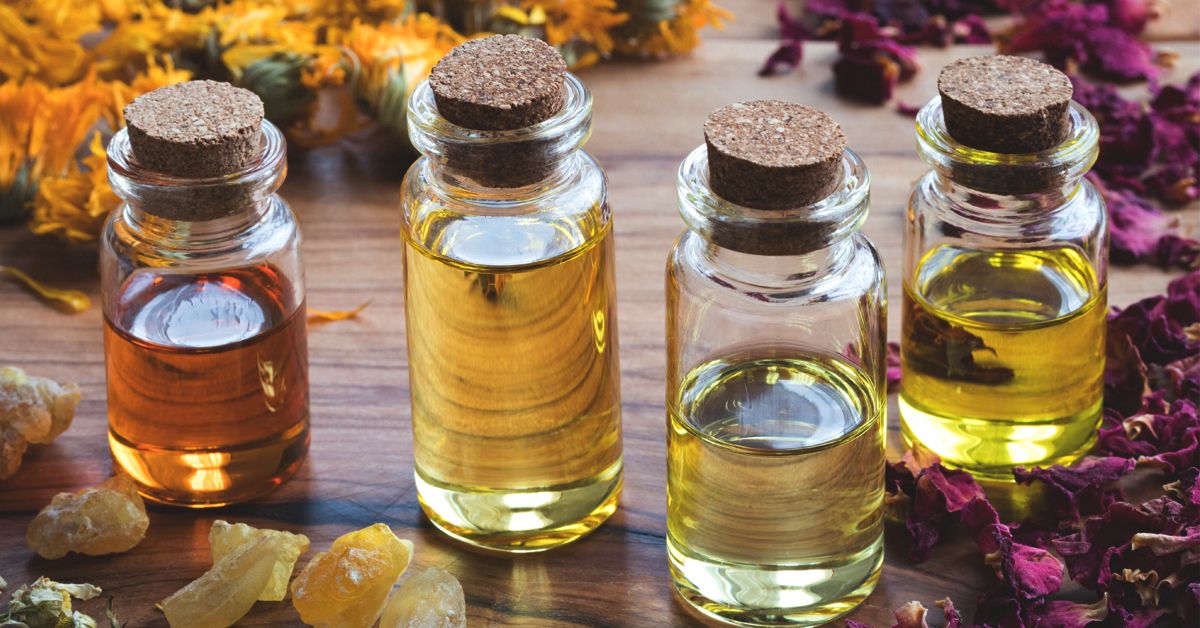
Cellulite is one of those skin topics that can make perfectly reasonable people inspect their thighs under bathroom lighting like they are solving a crime scene. The truth? Cellulite is extremely common, completely normal, and not a sign that your body has “failed.” Still, many people want smoother-looking skin, and that is where the conversation about essential oils for cellulite often begins.
Before we get too dreamy about tiny amber bottles and spa-day energy, let’s be clear: essential oils do not magically erase cellulite. Cellulite forms when fat cells push against connective tissue beneath the skin, creating a dimpled or uneven texture. Oils cannot restructure those deeper bands. However, when used correctly, essential oils may support a massage routine, improve the feel of dry skin, encourage a self-care habit, and temporarily make skin look more hydrated and polished. Think “skin looks happier,” not “Photoshop in a bottle.”
This guide explains how to use essential oils for cellulite safely, which oils are commonly chosen, how to dilute them, how to massage them into the skin, and what realistic results to expect.
What Is Cellulite, Really?
Cellulite is the dimpled, lumpy, or orange-peel-like texture that often appears on the thighs, hips, buttocks, stomach, and upper arms. It is more common in women because of differences in fat distribution, connective tissue structure, hormones, and skin thickness. Genetics, age, circulation, body composition, and lifestyle can all influence how visible cellulite appears.
Here is the important part: cellulite is not dangerous. It is not a disease, and it does not mean you are unhealthy. Even athletes, dancers, trainers, and people who eat salads with heroic commitment can have cellulite. Skin has texture. Bodies have architecture. Sometimes that architecture comes with dimples.
Can Essential Oils Get Rid of Cellulite?
No essential oil has been proven to permanently remove cellulite. That matters because the internet is full of dramatic promises like “melt fat,” “flush toxins,” or “erase dimples overnight.” Your body is not a clogged kitchen sink, and your thighs are not waiting for grapefruit oil to unlock a secret drainage portal.
What essential oils can do is more modest but still useful. When blended with a carrier oil and massaged into the skin, they may help create a smoother temporary appearance by improving skin moisture, supporting circulation through massage, and making the skin surface look more supple. Some oils also offer a refreshing aroma that can make a body-care routine feel more enjoyable, which increases the chance that you will actually stick with it.
Best Essential Oils Commonly Used for Cellulite Massage
When people talk about natural cellulite remedies, certain essential oils come up again and again. The goal is not to pick the “strongest” oil, but to choose oils that suit your skin, smell pleasant, and can be used safely in a diluted body blend.
1. Grapefruit Essential Oil
Grapefruit essential oil is popular in cellulite massage blends because it has a bright, fresh scent and is often associated with energizing body-care routines. It pairs well with carrier oils such as jojoba, sweet almond, or fractionated coconut oil.
Important warning: grapefruit and some other citrus oils can increase sun sensitivity, especially if they are cold-pressed. Avoid applying citrus oil blends before sun exposure. Use them at night, cover the area, or choose steam-distilled citrus oils when appropriate.
2. Juniper Berry Essential Oil
Juniper berry oil has a crisp, woody scent and is often used in massage blends designed to feel refreshing and toning. It is commonly included in spa-style body oils. Because it can be irritating for sensitive skin, keep the dilution low and patch test first.
3. Rosemary Essential Oil
Rosemary essential oil has an herbal, invigorating scent that many people enjoy in morning massage routines. It blends beautifully with grapefruit, cedarwood, lavender, and cypress. Avoid rosemary essential oil if you are pregnant, have epilepsy, or have certain medical conditions unless a qualified healthcare professional says it is appropriate for you.
4. Cypress Essential Oil
Cypress oil has a clean, slightly woody aroma and is often used in body massage oils. It is a favorite for people who want a fresh, spa-like blend without smelling like a fruit basket that joined a yoga retreat.
5. Cedarwood Essential Oil
Cedarwood essential oil gives cellulite massage blends a warm, grounding aroma. It works well in evening routines because the scent feels cozy and calming. It is also useful for balancing sharper oils like grapefruit or rosemary.
6. Lavender Essential Oil
Lavender is not usually marketed as the star oil for cellulite, but it deserves a place in the blend because it is gentle, relaxing, and widely used in skin-care routines. If your goal is consistency, a scent you actually enjoy matters. Lavender can turn a basic massage into a small nightly ritual.
7. Geranium Essential Oil
Geranium oil has a floral, slightly green scent and is often used in body oils for mature or dry-looking skin. A little goes a long way. Too much geranium can make your blend smell like a perfume counter doing jumping jacks.
Always Dilute Essential Oils Before Applying to Skin
Essential oils are concentrated plant extracts. “Natural” does not automatically mean “gentle.” Poison ivy is natural, too, and nobody is inviting it to brunch. Applying essential oils directly to the skin can cause irritation, redness, burning, or allergic reactions.
For cellulite massage, a 1% to 2% dilution is usually a smart range for regular body use. That means:
- 1% dilution: About 6 drops of essential oil per 1 ounce of carrier oil
- 2% dilution: About 12 drops of essential oil per 1 ounce of carrier oil
If you have sensitive skin, start with 1%. If your skin tolerates it well, you can consider moving closer to 2%. Stronger is not better. Stronger is often just itchier.
Best Carrier Oils for Cellulite Massage
A carrier oil dilutes essential oils and helps them glide over the skin. It also moisturizes the skin, which can improve the look of texture temporarily. Good carrier oils for cellulite massage include:
- Jojoba oil: Lightweight, stable, and suitable for many skin types
- Sweet almond oil: Smooth, nourishing, and easy to massage with
- Fractionated coconut oil: Lightweight, non-greasy, and long-lasting
- Grapeseed oil: Light texture and good for quick absorption
- Avocado oil: Richer and better for dry skin
If you are prone to clogged pores or body acne, choose lighter oils such as jojoba, grapeseed, or fractionated coconut oil.
Simple Essential Oil Blend for Cellulite
Here is a beginner-friendly blend for thighs, hips, or buttocks:
Refreshing Cellulite Massage Oil
- 1 ounce jojoba oil or sweet almond oil
- 4 drops grapefruit essential oil
- 3 drops cypress essential oil
- 3 drops cedarwood essential oil
- 2 drops lavender essential oil
This creates approximately a 2% dilution. If your skin is sensitive, cut the essential oil drops in half for a gentler blend.
How to Make It
Add the carrier oil to a clean glass bottle. Drop in the essential oils, close the lid, and roll the bottle gently between your palms. Do not shake like you are making a cocktail unless you enjoy oil on your walls. Label the bottle with the date and ingredients.
How to Use Essential Oils for Cellulite Step by Step
Step 1: Patch Test First
Apply a small amount of diluted oil to your inner arm or behind your knee. Wait 24 hours. If you notice burning, itching, redness, swelling, or irritation, do not use the blend. Your skin has voted, and the answer is no.
Step 2: Apply After a Warm Shower
The best time to use a cellulite massage oil is after a warm shower when the skin is clean and slightly damp. Pat your skin dry, leaving a little moisture behind. This helps the carrier oil spread easily and lock in hydration.
Step 3: Massage in Upward Motions
Apply a small amount of oil to the area with cellulite. Use firm but comfortable pressure. Massage upward toward the heart using long strokes, circular motions, and gentle kneading. Spend about 5 to 10 minutes on each area.
Do not attack your thighs like you are kneading pizza dough for a restaurant opening. Aggressive massage can bruise or irritate the skin. The goal is steady stimulation, not a wrestling match.
Step 4: Be Consistent
Use the oil 3 to 5 times per week for several weeks. The visible benefits of massage and moisturized skin are temporary, so consistency matters. If you only use the blend once and expect a dramatic transformation, your body may respond with polite silence.
Step 5: Support the Routine With Healthy Habits
Essential oil massage works best as part of a broader skin-care and wellness routine. Regular exercise, strength training, hydration, balanced meals, quality sleep, and steady body care can all support firmer-looking skin. These habits will not guarantee cellulite-free skin, but they can help your skin and muscles look their best.
Dry Brushing and Essential Oils: Should You Combine Them?
Dry brushing is another popular cellulite-related practice. It involves brushing dry skin with a body brush before showering, usually in upward strokes. Some people like it because it exfoliates the skin and creates a temporary smoother appearance.
If you want to combine dry brushing with essential oils, do not put essential oils directly on the brush. Instead, dry brush first, shower, then apply your diluted essential oil massage blend afterward. This reduces the risk of irritation and keeps your brush from becoming an oily dust magnet. Glamorous? No. Practical? Absolutely.
How Often Should You Use Essential Oils for Cellulite?
For most people, 3 to 5 times per week is enough. Daily use may be fine if the blend is gentle and your skin tolerates it, but more frequent use does not necessarily mean better results. Watch your skin carefully. If it becomes dry, itchy, red, or tender, take a break.
It is also smart to rotate your routine. For example, use your essential oil blend three nights per week, a plain fragrance-free moisturizer on other days, and sunscreen on exposed areas during the day. Skin appreciates variety when that variety does not involve irritation.
Essential Oil Safety Tips You Should Not Ignore
Essential oils can be lovely, but they deserve respect. Keep these safety tips in mind:
- Never apply undiluted essential oils directly to cellulite or any large body area.
- Do not ingest essential oils unless supervised by a qualified professional.
- Avoid essential oils near the eyes, mucous membranes, or broken skin.
- Use caution with citrus oils before sun exposure.
- Ask a healthcare professional before using essential oils during pregnancy, breastfeeding, or if you have a medical condition.
- Keep essential oils away from children and pets.
- Stop use immediately if irritation occurs.
Who Should Avoid Essential Oils for Cellulite?
You may want to skip essential oils or speak with a healthcare professional first if you are pregnant, breastfeeding, taking medications, managing a skin condition, prone to allergies, or have very sensitive skin. People with eczema, psoriasis, rosacea, or frequent rashes should be especially careful because fragrance compounds can trigger irritation.
If your skin barrier is already upset, plain moisturizer is often a better choice than a scented oil blend. Boring? Maybe. Effective? Often.
What Results Can You Realistically Expect?
With consistent use, you may notice that your skin feels softer, looks more hydrated, and appears temporarily smoother after massage. The aroma may also make your routine feel more relaxing or energizing, depending on the oils you choose.
What you should not expect is permanent cellulite removal. Cellulite sits beneath the skin surface and involves connective tissue, fat structure, and skin thickness. A topical oil cannot rebuild that anatomy. For more noticeable or longer-lasting changes, professional treatments such as laser therapy, radiofrequency, acoustic wave therapy, or subcision may be options to discuss with a board-certified dermatologist.
Common Mistakes to Avoid
Using Too Much Essential Oil
More drops do not equal better results. Too much essential oil increases the chance of irritation and may make the blend smell overwhelming. Your skin should not smell like it got trapped in an herb garden during a thunderstorm.
Skipping the Patch Test
Patch testing feels like an annoying extra step until you skip it and spend two days wondering why your thigh is angry. Always test first.
Expecting Overnight Results
Cellulite did not appear overnight, and smoother-looking skin will not happen overnight either. Give your routine several weeks, and focus on skin texture, hydration, and consistency rather than perfection.
Using Oils Before Sun Exposure
Citrus oils can make skin more sensitive to sunlight. If your blend includes grapefruit, lemon, lime, bergamot, or bitter orange, use it at night or keep the area covered.
Experience-Based Tips for Using Essential Oils for Cellulite
The most helpful lesson from real-life cellulite care is that the routine matters more than the fantasy. Many people buy a beautiful bottle of essential oil, use it twice, place it in a drawer, and then wonder why their skin did not transform. The best cellulite routine is not the fanciest one. It is the one you can repeat without turning your evening into a 12-step spa ceremony.
A practical experience-based approach starts with choosing a scent you genuinely like. If grapefruit makes you feel fresh and motivated, use grapefruit at night with proper sun precautions. If lavender helps you relax, make that your anchor oil. If rosemary smells too sharp, skip it. You do not get bonus points for suffering through a scent you dislike. Body care should feel like care, not punishment with a dropper cap.
Another helpful tip is to pair the massage with something you already do. For example, apply your cellulite massage oil after your shower while listening to a podcast, audiobook, or favorite playlist. This turns the process into a habit rather than another task yelling from your to-do list. Five consistent minutes several times a week is better than one dramatic 40-minute massage followed by retirement from the entire project.
Pressure also matters. Some people assume that harder massage means faster results, but rough handling can make skin tender or bruised. A better method is firm, rhythmic pressure. Use your palms for broad strokes on the thighs, your knuckles gently for circular motions on the hips, and your fingertips for smaller areas. The skin should look slightly pink from stimulation, not red and irritated like it just read a rude email.
It also helps to manage expectations by taking a “skin quality” approach. Instead of checking every day to see whether cellulite has disappeared, notice whether your skin feels softer, looks more moisturized, or has a healthier glow. Take a photo once every few weeks in the same lighting if you want to track changes. Daily mirror inspections under harsh bathroom lights are not research; they are emotional sabotage with overhead bulbs.
Many people find that essential oil massage works best when combined with strength training. Building muscle in the legs and glutes can improve the overall shape and firmness of the area, which may make cellulite less noticeable. Squats, lunges, step-ups, hip bridges, and walking hills can all support the look of the lower body. The oil does not replace movement, but it can become a relaxing recovery ritual after movement.
Hydration and exfoliation can also improve the experience. Gently exfoliating once or twice a week helps remove dull surface skin so body oil spreads more smoothly. Drinking enough water supports overall skin health, though it will not magically “flush cellulite.” Be suspicious of any advice that makes your lymphatic system sound like a dirty carpet. Your body is more sophisticated than that.
Finally, remember that cellulite is normal. Using essential oils for cellulite should come from a place of caring for your body, not declaring war on it. A good blend can make your skin feel silky, your routine feel luxurious, and your evening smell like a tiny spa moved into your bathroom. That is a win, even if your thighs continue to have texture. Smooth skin is nice. Comfortable confidence is better.
Conclusion
Learning how to use essential oils for cellulite is really about learning how to support your skin safely and realistically. Essential oils will not erase cellulite permanently, but diluted massage blends may help skin feel softer, look temporarily smoother, and turn body care into a relaxing habit. Choose gentle oils, dilute them properly, patch test every blend, massage consistently, and protect your skin from irritation and sun sensitivity.
The best results come from combining essential oil massage with smart lifestyle habits, including regular movement, strength training, hydration, balanced nutrition, and good skin care. Most importantly, keep your expectations kind. Cellulite is common, normal, and harmless. Your body is not a renovation project. It is a living, moving, wonderfully textured home.