Hurricanes are not polite guests. They do not text before arriving, they do not wipe their feet, and they certainly do not care whether your phone is charged, your pantry is full, or your patio umbrella has dreams of becoming airborne. That is why hurricane preparedness is not something to begin when the sky turns gray and the grocery store shelves look like a raccoon convention just passed through.
A strong hurricane preparedness plan starts well before the storm is named. It includes knowing your risk, building an emergency kit, protecting your home, preparing for evacuation, planning for pets and medical needs, and understanding what to do after the wind stops. The goal is simple: reduce panic, protect life, and make recovery less chaotic.
Whether you live on the Gulf Coast, the Atlantic coast, in Puerto Rico, Hawaii, or inland communities that still face flooding and wind damage, this guide walks through practical hurricane safety steps you can take before the storm arrives. Think of it as your calm-before-the-storm checklist, minus the dramatic weather-channel music.
Why Hurricane Preparedness Matters Before the Forecast Gets Scary
Many people wait until a hurricane watch appears before making a plan. That is understandable, but it is also when everyone else has the exact same idea. Suddenly, bottled water becomes a luxury item, batteries disappear like magic, and the hardware store looks like a competitive sport.
Preparing early gives you choices. You can compare evacuation routes, review insurance, gather supplies gradually, secure important documents, and talk with family members while everyone is still thinking clearly. A hurricane plan made under calm conditions is usually better than one made while standing in line for the last loaf of bread.
Hurricanes bring more than strong winds. Storm surge, inland flooding, tornadoes, power outages, contaminated water, road closures, and carbon monoxide risks after the storm can be just as dangerous. The category number only describes wind speed; it does not tell the full story of flooding, rainfall, or local impact. A “weaker” storm can still cause serious damage if it moves slowly, pushes water inland, or drops heavy rain over already saturated ground.
Step 1: Know Your Hurricane Risk
The first rule of hurricane preparedness is knowing what you are actually preparing for. A coastal household in a storm surge zone has different risks than a family 80 miles inland near a river, but both may need a plan.
Check Your Evacuation Zone
Local emergency management agencies publish evacuation zones, and these zones matter more than guesswork. Your home may look “far enough” from the beach but still sit in a storm surge or flood-prone area. Before hurricane season, check your county or city emergency management website and write down your evacuation zone.
Do not rely only on distance from the coast. Water can move inland through bays, rivers, canals, marshes, and low-lying neighborhoods. If officials issue an evacuation order for your zone, leave early. Waiting until the last moment may mean traffic, closed bridges, fuel shortages, or roads already covered by water.
Understand Wind, Water, and Flooding
Wind can break windows, peel roofing, topple trees, and turn unsecured outdoor items into flying hazards. Storm surge can push seawater into neighborhoods. Heavy rain can flood streets and homes far from the shoreline. Freshwater flooding often continues after landfall, especially when storms slow down.
This is why hurricane planning must include both sheltering and evacuation. If your area is not ordered to evacuate, you still need to know where the safest interior room is, how to handle power loss, and how to communicate if cell networks become overloaded.
Step 2: Build a Hurricane Emergency Kit
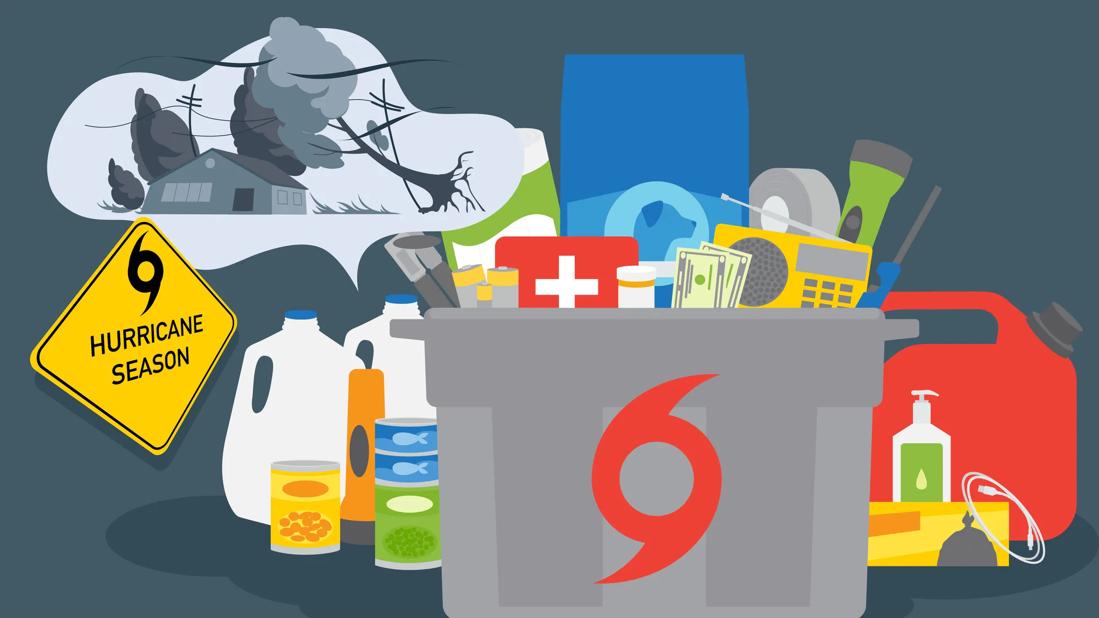
A hurricane emergency kit is not a random drawer full of old batteries, expired granola bars, and a flashlight that may or may not have survived 2018. It should be organized, easy to carry, and ready for either sheltering at home or evacuating.
Basic Supplies to Store
Start with water and food. A practical rule is one gallon of water per person per day, with enough for several days. Add nonperishable foods that require little or no cooking, such as canned beans, tuna, peanut butter, crackers, dried fruit, shelf-stable milk, protein bars, and ready-to-eat meals. Remember a manual can opener, because nothing says “poor planning” like owning 12 cans of soup and no way to open them.
Your kit should also include flashlights, extra batteries, a battery-powered or hand-crank radio, portable phone chargers, first aid supplies, prescription medications, hygiene items, trash bags, paper towels, hand sanitizer, copies of important documents, cash, pet supplies, baby supplies if needed, and a change of clothes.
Do Not Forget Comfort Items
Preparedness is not only about survival; it is also about staying functional. Add books, cards, small games, headphones, comfort items for children, and a notebook with pens. After several hours without power, a deck of cards can become more valuable than your streaming subscriptions, which will be sitting there uselessly like decorative icons.
Store Supplies Smartly
Keep your hurricane supplies in waterproof bins or sturdy bags. Label them clearly. Store documents in sealed plastic folders or digital backups. Keep your go-bag near an exit during hurricane season, and make sure every household member knows where it is.
Step 3: Create a Family Communication Plan
During a hurricane, communication can become unreliable. Cell towers may be damaged, power may go out, and family members may be separated at work, school, or different locations. A written communication plan helps everyone know what to do without endless phone calls.
Choose an Out-of-Area Contact
Select one trusted person outside the storm area who can receive updates from family members. Sometimes local calls fail while texts or out-of-area calls still work. Teach everyone to send short text messages instead of repeatedly calling, because texts use less bandwidth and may go through more easily.
Write Down Key Information
Do not store everything only on your phone. Write down emergency contacts, medication lists, insurance policy numbers, doctor information, pet vaccination records, school contacts, and addresses of evacuation destinations. Keep one copy in your emergency kit and another in your wallet or bag.
Step 4: Plan Your Evacuation Before You Need It
An evacuation plan should answer four questions: where will you go, how will you get there, what will you bring, and when will you leave? If you wait until the final hour to answer those questions, stress will happily answer them for you, and stress is a terrible travel agent.
Pick More Than One Destination
Your first choice might be a relative’s home, hotel, public shelter, or inland city. Have a backup option in case roads close, hotels fill, or the storm path changes. If you plan to use a public shelter, check whether it accepts pets, supports medical needs, or requires registration.
Prepare Your Vehicle
Keep your gas tank at least half full during hurricane season, and fill it early when a storm threatens. Check tires, oil, windshield wipers, and emergency tools. Store printed maps in the car because navigation apps are less charming when cell service disappears.
Leave Early When Ordered
If local officials tell your evacuation zone to leave, do not debate the storm from your porch like a backyard meteorologist. Evacuation orders are based on local risk, road timing, shelter capacity, storm surge potential, and emergency access. Leaving early is not overreacting; it is giving yourself time.
Step 5: Prepare Your Home for Wind and Water
Home preparation begins outside. Anything that can move in high wind should be brought inside or secured. Patio chairs, grills, planters, toys, trash cans, garden tools, and decorations can become dangerous projectiles. Your charming outdoor lantern may be adorable in June and a tiny missile in September.
Protect Windows and Doors
If you live in a hurricane-prone area, consider permanent storm shutters or properly fitted plywood panels. Tape on windows is not a reliable protection method and mainly creates a false sense of security. Check garage doors as well, because weak garage doors can fail under wind pressure and allow serious structural damage.
Clean Gutters and Drains
Remove leaves and debris from gutters, downspouts, street drains near your property, and yard drainage paths. Water needs somewhere to go. If you block its route, it may choose your living room, which is rarely the preferred drainage plan.
Trim Trees Safely
Trim weak branches well before storm season, not when winds are rising. Hire professionals for large trees or branches near power lines. Never cut near electrical lines yourself. After the storm, treat downed wires as dangerous and report them immediately.
Step 6: Review Insurance and Document Your Property
Insurance is not the most exciting part of hurricane preparedness, but it can make a major difference after a storm. Standard homeowners or renters insurance may not cover flood damage, and flood insurance usually requires separate coverage. Review your policies before hurricane season, because buying coverage after a storm is already forming may be too late.
Create a Home Inventory
Walk through your home and record videos of each room. Open closets, drawers, cabinets, and storage areas. Capture electronics, appliances, furniture, tools, clothing, valuables, and serial numbers when possible. Store copies of these videos in cloud storage and on an external drive kept in your go-bag.
Understand Deductibles
Some policies have special hurricane or windstorm deductibles. Read the details before a storm, not after your fence is auditioning for a role in someone else’s yard. Ask your insurance agent what is covered, what is excluded, and what documents you would need for a claim.
Step 7: Prepare for Power Outages and Generator Safety
Power outages are common after hurricanes. Prepare with flashlights, battery lanterns, charged power banks, solar chargers, and a safe food plan. Avoid candles if possible because they increase fire risk, especially when people are tired, distracted, or moving around in dark rooms.
Use Generators Safely
Portable generators can be useful, but they can also produce deadly carbon monoxide. Use generators only outdoors, far away from windows, doors, vents, garages, and enclosed spaces. Never run a generator inside a home, basement, garage, porch, or carport. Keep working carbon monoxide detectors with battery backup inside your home.
Protect Food During an Outage
Keep refrigerator and freezer doors closed as much as possible. Use coolers with ice for essential items. If food touches floodwater, throw it away. If perishable food has been too warm for too long or smells strange, discard it. When in doubt, throw it out. Food poisoning is not the souvenir anyone wants from hurricane season.
Step 8: Include Pets, Older Adults, and Medical Needs
A good hurricane plan includes everyone in the household, including pets and people who need extra support. Make a list of medications, medical devices, oxygen needs, mobility equipment, dietary restrictions, and emergency contacts.
Plan for Pets
Pack pet food, water, bowls, leashes, carriers, litter, medications, vaccination records, and comfort items. Identify pet-friendly shelters, hotels, or relatives in advance. Do not assume every shelter accepts animals. Also, make sure your pet has a collar with identification and a microchip with current contact information.
Support Older Adults and People With Disabilities
If someone needs transportation assistance, medical equipment, electricity for devices, or help evacuating, contact local emergency management before hurricane season. Many communities offer registries or support programs for residents with access and functional needs.
Step 9: Know What to Do During the Storm
Once the storm arrives, stay indoors and away from windows. Shelter in a small interior room, hallway, or closet on the lowest safe level that is not at risk of flooding. Keep your emergency kit nearby, wear sturdy shoes, and listen to official alerts.
Do not go outside during the eye of the storm. The calm may be temporary, and dangerous winds can return quickly from the opposite direction. Avoid floodwater, even if it looks shallow. Moving water can sweep away people and vehicles, and floodwater may hide sharp debris, chemicals, sewage, or downed power lines.
Step 10: Stay Safe After the Hurricane Passes
The end of the wind is not the end of the danger. Many injuries happen during cleanup and return. Wait for officials to say it is safe before going home. Avoid damaged buildings, unstable trees, flooded roads, and downed wires.
Be Careful During Cleanup
Wear gloves, boots, long sleeves, eye protection, and masks when cleaning debris or moldy materials. Take photos before removing damaged items if you plan to file an insurance claim. Use caution with chainsaws, ladders, wet electrical systems, and damaged structures. Cleanup is not the time to discover that YouTube confidence and real-life carpentry are two different sports.
Watch for Mold and Contaminated Water
Dry wet areas as soon as possible when it is safe. Remove soaked materials that cannot be cleaned. Use safe water for drinking, cooking, brushing teeth, and washing dishes. Follow local boil-water notices and public health guidance.
Common Hurricane Preparedness Mistakes
One common mistake is preparing only for wind. Flooding and storm surge can be more dangerous than the wind rating suggests. Another mistake is buying supplies but never checking them. Batteries corrode, food expires, medications change, and children outgrow clothing. Review your kit at least twice a year.
People also underestimate how long recovery can take. Power outages, closed roads, damaged cell service, fuel shortages, and supply delays may last days or longer. Build your plan around self-sufficiency for several days, not just one uncomfortable evening.
Finally, do not ignore official warnings because past storms missed your area. Every storm is different. A small shift in track, speed, rainfall, tide timing, or storm size can change local impacts dramatically.
A Practical Hurricane Preparedness Timeline
Before Hurricane Season
Check your evacuation zone, review insurance, update your emergency kit, photograph your belongings, trim trees, test shutters, and make a communication plan. This is the best time to prepare because supplies are available and stress is low.
When a Storm Is Forecast
Refill prescriptions, charge devices, fuel vehicles, bring outdoor items inside, secure windows, freeze water bottles, withdraw cash, confirm evacuation plans, and monitor official updates. Do not wait for the final forecast cone shift to begin.
When Warnings Are Issued
Follow local instructions. Evacuate if ordered. If sheltering in place, move to your safe room, keep emergency supplies nearby, and stay away from windows. Continue listening to trusted alerts.
After the Storm
Return only when officials say it is safe. Photograph damage, avoid floodwater, check on neighbors when safe, use generators correctly, and contact insurance providers promptly.
Real-Life Experiences: Lessons From Planning Before the Storm
One of the most useful hurricane preparedness lessons is that small tasks feel enormous when the storm is close. A family that calmly buys batteries in May feels smart. The same family searching for batteries 18 hours before landfall feels like contestants in a very stressful scavenger hunt. Early preparation turns a crisis into a checklist.
People who have lived through hurricanes often say the same thing: the storm itself is frightening, but the days after can be harder. The heat, silence, lack of power, spotty phone service, blocked roads, and uncertainty can wear people down. That is why comfort planning matters. A charged fan, extra water, clean clothes, a battery radio, and a few familiar snacks can make a difficult situation feel more manageable.
Another experience worth remembering is that neighbors become part of your emergency plan, whether you write them down or not. Before storm season, it helps to introduce yourself, exchange phone numbers, and learn who may need extra help. Maybe one neighbor has a chainsaw, another has medical training, and another knows which local roads flood first. Community knowledge can be more useful than any fancy app when the power is out.
Families with children often discover that preparedness needs a kid-friendly version. Children may not understand forecast maps, but they understand routines. Let them help pack flashlights, choose a comfort toy, or decorate a small emergency bag. Explain the plan calmly: where you will go, what sounds they may hear, and why everyone is staying together. The goal is not to scare them. The goal is to make the plan feel familiar.
Pet owners learn quickly that animals sense stress. If a dog hates the carrier or a cat disappears when thunder starts, practice before hurricane season. Leave carriers open, pack treats, and keep pet documents ready. During evacuations, pet-friendly rooms and shelters can fill quickly, so planning ahead prevents heartbreaking choices later.
Homeowners also learn that photographs are gold after a storm. A five-minute video tour of the house before hurricane season can save hours of frustration during an insurance claim. Open every cabinet, show appliances, record electronics, and capture the condition of the roof, fence, windows, and vehicles. It feels excessive until you need it. Then it feels brilliant.
There is also a psychological benefit to preparedness. When a storm is coming, nobody can control the atmosphere. You cannot negotiate with a hurricane, and yelling at radar does not improve the track. But you can control your water supply, your evacuation plan, your documents, your communication strategy, and your home preparation. That sense of control matters.
The best advice from experienced storm survivors is simple: do the boring things early. Buy the water. Check the batteries. Print the contacts. Review the insurance. Clear the gutters. Fill the gas tank. Pack the pet food. None of these tasks is glamorous, but hurricanes do not reward glamour. They reward preparation.
Conclusion: Preparedness Is Peace of Mind in Work Clothes
Hurricane preparedness is not about panic. It is about giving yourself time, options, and confidence. The best plan is written before the sky darkens, tested before the roads clog, and shared before cell service becomes unreliable.
Start with the basics: know your evacuation zone, build a hurricane emergency kit, create a family communication plan, protect your home, review insurance, and prepare for power outages. Then add the details that fit your life: pets, medical needs, older adults, children, transportation, work responsibilities, and local risks.
A hurricane may be powerful, unpredictable, and rude enough to rearrange lawn furniture across three counties, but preparation gives you a fighting chance to stay safe and recover faster. Plan before the storm, because once the wind rises, the best time to prepare has already left the driveway.
Editorial note: This article is based on synthesized guidance from reputable U.S. emergency management, weather, public health, insurance, and disaster preparedness sources. It is written for web publication without embedded source links.