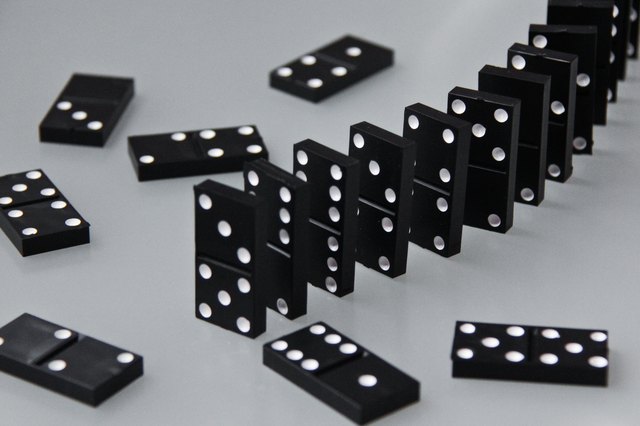
Dominoes are small, affordable, instantly recognizable, and stylish ens, center lines, and dots can appear on invitations, tables, cookies, scorecards, favors, and photo props. Better yet, the theme includes its own entertainment, so guests have something to do besides hovering near the snack table and pretending not to count the remaining brownies.
A domino party works for birthdays, family reunions, graduations, retirements, neighborhood gatherings, or casual adult game nights. The key is to combine a clear visual style with simple food, comfortable game stations, beginner-friendly rules, and enough flexibility for guests who would rather build towers than compete.
Why a Domino Party Theme Works
A useful party theme should be recognizable, adaptable, and easy to organize. Dominoes meet all three requirements. Classic black and white can look polished, while colorful dots create a playful family atmosphere. The event can be as simple as one dining table and a double-six set or as elaborate as a tournament with giant lawn dominoes, a themed buffet, prizes, and a photo backdrop.
Choose Your Domino Party Style
Classic Black-and-White Game Night
Use black tablecloths, white plates, dotted details, and silver or gold accents. This approach suits adult birthdays and evening parties. Guests can wear black and white, although charcoal gray should not lead to an investigation.
Colorful Family Party
Start with a white background and assign each table a bright color. Match dot stickers, cups, score sheets, and team names to red, blue, green, or yellow. This version works well for children, school groups, and multigenerational gatherings.
Retro Domino Lounge
Combine wood tables, low lamps, vintage-style signs, and a relaxed playlist. Add trays of snacks and handwritten scoreboards to create the feeling of a friendly neighborhood game room rather than an overproduced theme park.
Send Invitations That Set Up the Theme
Design the invitation like a domino tile, dividing the details between two halves. One side can show the date; the other can display the time, age, or anniversary number. Try wording such as “Let the Good Times Fall Into Place,” “Join Us for a Winning Game Night,” or “Dots, Drinks, and Dominoes.” Include the address, start time, dress suggestion, age guidance, and whether guests should bring a set. For tournaments, say clearly that beginners are welcome and rules will be taught.
Create Domino Decorations That Still Leave Room to Play
Make a Strong Entrance
Place an oversized domino welcome sign near the door and add black-and-white balloons. For a children’s party, use balloons that match colored dots. A walkway made from black paper rectangles and white stickers can guide guests into the room.
Keep Game Tables Functional
Use solid tablecloths so real tiles are easy to see. Turn cardstock dominoes into place cards, add dotted paper napkin rings, and fill clear containers with inexpensive tiles. Choose low, stable centerpieces. Tall flowers become less charming when someone knocks them over while reaching for the double-five.
Build a Photo Backdrop
Attach oversized tile shapes to a blank wall or foam board. Arrange them in a chain or use the dots to represent an age, date, or initials. Add signs reading “I Came to Win,” “Shuffle Happens,” and “Official Tile Expert.”
Serve a Menu Designed for Game Night
Choose foods that are easy to hold, not excessively greasy, and unlikely to drip onto the table. Keep the main buffet away from the games, then provide dry snacks, small plates, napkins, coasters, and clearly labeled drinks nearby.
Make Savory Food Look Like Dominoes
Cut grilled cheese, flatbread pizza, quesadillas, tea sandwiches, or baked appetizers into rectangles. Use sliced olives, pepperoni, cherry tomatoes, or cheese rounds as dots, then add a center line with a strip of cheese or piped spread. A black-and-white snack board can combine white cheddar, dark crackers, mozzarella, olives, popcorn, grapes, blackberries, and chocolate-covered pretzels.
Add Domino Desserts
Decorate rectangular sugar cookies with contrasting icing dots and a center line. Brownies topped with white chocolate chips also resemble tiles with little effort. A sheet cake can feature two numbers representing the guest of honor’s age or anniversary, while cupcakes with small fondant dominoes are easier to serve during play.
Name Simple Drinks
Use labels such as “Double-Six Punch,” “Dot-to-Dot Lemonade,” “Winner’s Brew,” or “The Blank Tile” for sparkling water. Offer appealing alcohol-free choices and identify common allergens.
Turn Dominoes Into the Main Entertainment
Teach One Easy Game First
Begin with a basic matching game. Explain how equal numbers connect, how turns move, what happens when a player cannot play, and how a round ends. Demonstrate a sample turn instead of delivering a long speech. Put a short rules card at each table so beginners can check it without stopping the game.
Run a Friendly Tournament
Divide guests into pairs or small groups and use a simple bracket. Keep the pace lively with timed rounds or an agreed score limit. Assign one person to update the scoreboard and include a consolation round so an unlucky opening hand does not bench someone all evening. Prizes can include a domino set, snack basket, funny trophy, or first choice of dessert.
Add humorous awards for “Best Comeback,” “Most Dramatic Tile Placement,” and “Friendliest Trash Talk.” Emphasis on friendly: this is a party, not a televised family feud.
Offer Activities Beyond Traditional Play
- Tower challenge: Build the tallest freestanding structure in five minutes.
- Chain reaction: Arrange tiles and attempt one complete fall.
- Scavenger hunt: Find hidden paper tiles that complete a sequence.
- Giant dominoes: Use oversized wooden or foam pieces outdoors.
- Kids’ number station: Match quantities, add dots, or sort tiles by value.
Arrange the Room for Comfortable Play
Place tables away from loud speakers and provide bright, even light. Leave space for tiles, score sheets, and elbows. Keep food on another surface, use trays for unused pieces, and create a separate conversation area for guests taking a break. Store backup sets, pencils, hand wipes, and coasters at one easy-to-find host station.
Use a Loose Party Timeline
- Arrival: Drinks, photos, and open practice tables.
- Welcome: A brief rules demonstration and team assignments.
- Main play: Two or three short qualifying rounds.
- Break: Food refills and a tower or chain-reaction challenge.
- Final: A featured championship table followed by dessert and prizes.
Keep the Domino Party Affordable
Spend first on enough game sets, comfortable seating, good lighting, and food. Make decor from cardstock, foam board, dot stickers, and solid-color party supplies. Borrow sets from friends, but label every case before play. For favors, package two domino cookies or a few candies in a rectangular box. A favor should be charming, not another object sentenced to a kitchen drawer for the next decade.
A Sample Plan for 16 Guests
Arrange four tables with four players each and use a black, white, and gold palette. Welcome guests with lemonade and a snack board, then hold one unscored practice round. Follow with two timed qualifiers, a food break, semifinals, and a central-table championship. Nonfinalists can join a building challenge or casual rematch. Finish with domino brownies, a playful trophy, and cookie favors.
Add Music, Favors, and Personal Details
Choose background music that supports conversation instead of competing with it. Instrumental jazz, upbeat soul, acoustic pop, or a family playlist can keep the room lively without drowning out table talk. Lower the volume during rules and final rounds, then raise it slightly during food breaks.
Personalize scorecards with the date and guest of honor’s name. Custom stickers can turn plain cups, treat bags, and prize boxes into coordinated supplies without requiring specialty products. For favors, consider domino cookies, miniature score pads, keychains, or a small printed card explaining the game played that evening. The best keepsake connects to the experience and remains useful after the frosting has disappeared.
Hosting Experience: What Makes a Domino Party Feel Effortless
The first lesson from hosting a domino-themed gathering is that guests care more about participation than perfection. A handmade sign with slightly uneven dots may receive more compliments than an expensive centerpiece because it shows personality. The most successful setup usually includes one memorable visual feature, one dependable menu, and one game system everyone understands. Trying to create twelve “wow moments” tends to produce one exhausted host and eleven unfinished projects.
It helps to arrange the room a day early and sit in every player position. This simple test reveals problems that are easy to miss while standing: a lamp may create glare, a centerpiece may block the opposite player, or a chair may trap someone against a wall. Move food and beverages to a separate surface before the party begins. Players naturally spread out their tiles, elbows, phones, score sheets, and mysterious personal collections of napkins. They will use every inch you give them.
During a typical practice round, beginners often apologize for slowing down. A cheerful demonstration changes the mood immediately. Pair new players with patient guests, keep the first round unscored, and post a short rules card where everyone can see it. People learn faster when they can play a sample hand instead of listening to a long explanation. The practice round also gives the host time to discover whether different guests know different house rules.
Food timing matters more than food complexity. Serve substantial snacks before the tournament begins, then bring out dessert during the break. Sticky wings, powdered pastries, and overloaded tacos may be delicious, but they create a complicated relationship with clean game pieces. Skewers, mini sandwiches, cut vegetables, cheese, crackers, and sturdy cookies are easier. Place hand wipes nearby without making the table look like a medical clinic.
A tournament works best when losing does not mean becoming invisible. Side challenges, conversation seating, music, and a casual rematch table keep everyone involved. Some of the funniest moments may come from the tower-building contest rather than the championship. Guests who claim they are “not competitive” may suddenly guard a three-inch wooden structure with the intensity of a structural engineer protecting a bridge.
The host should resist becoming a full-time referee, server, photographer, and scorekeeper. Prepare food in advance, assign one trusted guest to maintain the bracket, and ask another to take candid photos. Once the first round begins, sit down and play. A relaxed host gives everyone permission to relax. If a decoration falls, a cookie dot slides sideways, or the music briefly stops, the party is not ruined. Those tiny imperfections often become the stories people remember.
Finally, end while the energy is still good. Announce the last round clearly, present the prizes, take a group picture, and offer an open invitation for casual rematches. Guests leave happiest when they feel they completed something together. A domino party succeeds because it combines visual charm with an activity that naturally creates conversation. The tiles may fall, but the evening should feel carefullyand comfortablyput together.
Conclusion
Using dominoes as a party theme is not about covering every surface in dots. It is about creating an event that looks coordinated and feels easy to join. Choose a clear style, repeat the tile motif in a few smart places, serve neat handheld food, teach one simple game, and keep eliminated players involved. With comfortable tables, short rounds, and amusing prizes, the pieces of the party will fall perfectly into place.