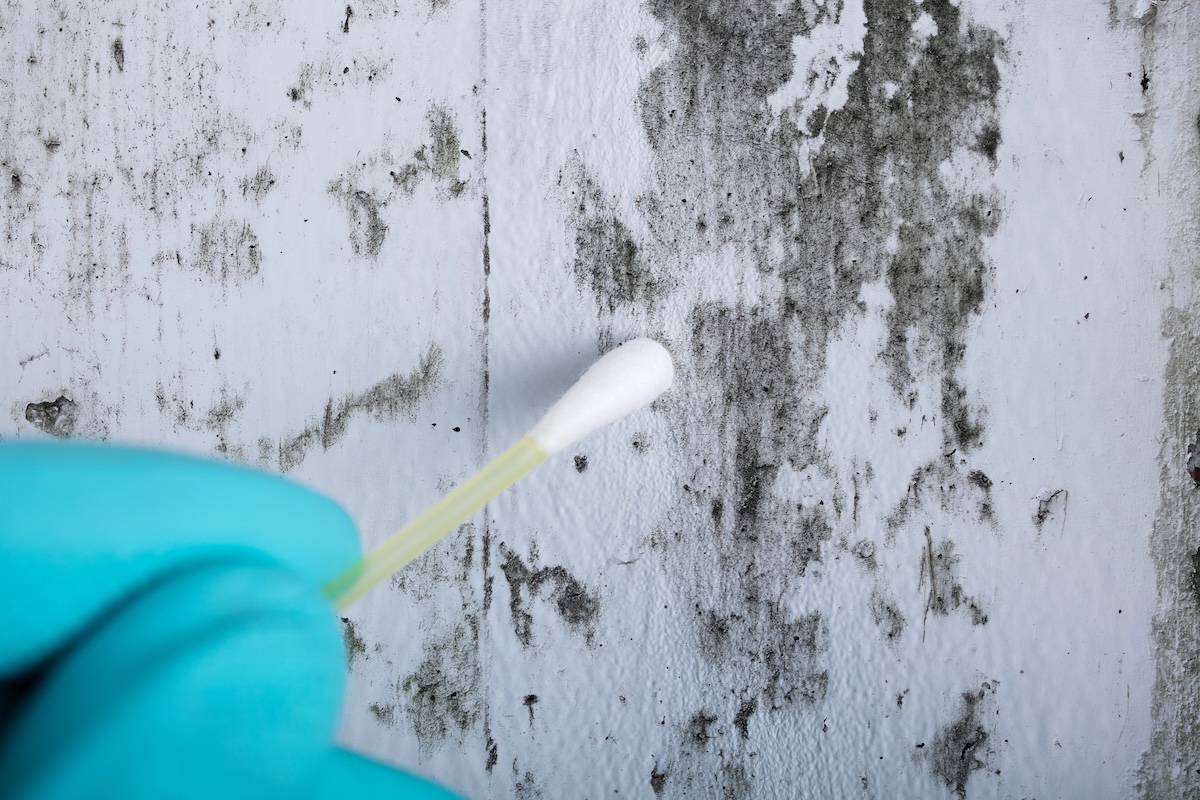
Mold would be a lot less annoying if it had the decency to stand in the middle of your living room and wave. Instead, it prefers drama. It hides behind drywall, under carpet padding, inside closets, around leaky pipes, and in that one basement corner everyone swears they will “check this weekend.” By the time you notice it, your house may already smell like a wet sock with a grudge.
The good news is that testing for mold does not always mean paying for a fancy lab report or buying a gadget that makes you feel like a low-budget detective. In many cases, the smartest way to test for mold is to investigate moisture, follow your nose, inspect the right places, and understand when professional testing actually makes sense. That matters because mold is not just a cosmetic nuisance. It can damage materials, worsen allergies and asthma symptoms, and keep returning if you clean the surface but ignore the leak, humidity, or condensation feeding it.
If you suspect hidden mold, this guide walks you through what to look for, how to check your home safely, what home test kits can and cannot tell you, and when it is time to call in a pro. Think of it as mold hunting without the nonsense, because your wall does not care what species the mold is if the pipe behind it is still leaking.
Why Hidden Mold Is So Hard to Catch
Visible mold is the easy villain. It shows up as spots, fuzzy growth, or ugly staining. Hidden mold is sneakier. It grows in places where moisture lingers and airflow is poor: behind wallpaper, on the back side of drywall, above ceiling tiles, beneath carpet and pad, inside wall cavities around plumbing, near window condensation, in crawl spaces, attics, closets, and sometimes inside duct areas. You may not see it at all until paint bubbles, baseboards warp, ceiling stains spread, or the room develops that unmistakable musty smell that says, “Something in here is damp, and it has opinions.”
The key idea is simple: mold follows moisture. If you want to test for hidden mold, do not start by asking, “Where is the mold?” Start by asking, “Where is the water coming from?” That shift in thinking saves time, money, and a whole lot of false confidence.
Signs You May Have Mold Even If You Can’t See It
When mold is hidden, your home usually leaves clues. Not subtle clues, either. More like passive-aggressive clues.
1. A Persistent Musty Odor
If a room smells earthy, stale, damp, or “old basement-ish” no matter how often you clean, that is one of the biggest signs of hidden mold. Air fresheners can cover the smell for an hour, but they do not fix the reason your hallway smells like a forgotten sponge.
2. Past or Ongoing Water Problems
Had a roof leak last winter? Overflowing shower pan? Pipe drip behind the sink? Flooded basement? Window condensation every morning? If wet materials were not dried quickly, mold may have started growing long before you noticed anything on the surface. Water events are one of the strongest predictors of hidden mold.
3. Peeling Paint, Bubbling Drywall, or Warped Trim
Paint that bubbles, drywall tape that cracks, baseboards that swell, and walls that feel slightly soft can all point to moisture trapped behind the surface. Mold loves these situations because it gets food, darkness, and moisture all in one nice little package.
4. Condensation Problems
Repeated condensation on windows, walls, pipes, or inside closets can mean the indoor humidity is too high. If that moisture sticks around, mold can show up behind furniture, on exterior walls, and in corners with poor airflow.
5. Room-Specific Symptoms
If people feel worse in one room than another, pay attention. Common mold-related complaints can include sneezing, runny nose, itchy eyes, coughing, wheezing, throat irritation, or worsened asthma symptoms. This does not prove mold by itself, because many indoor irritants can cause similar symptoms, but it is a clue worth combining with moisture signs and odor patterns.
6. Strange Trouble Spots
Some home zones deserve immediate suspicion:
- Behind toilets, tubs, showers, and vanities
- Under sinks and around dishwashers
- Basements and crawl spaces
- Attics with roof leaks or weak ventilation
- Closets on exterior walls
- Areas behind large furniture pushed against cold walls
- Under carpets after spills or minor flooding
- Around HVAC condensate lines and drip pans
- Window sills and frames with chronic condensation
How to Test for Mold at Home Without Turning Your House Into a Science Fair
If you cannot see mold, your goal is not to collect random spores and panic. Your goal is to gather evidence. Here is the practical way to do that.
Step 1: Start With the Moisture Story
Make a quick timeline of your home’s recent water history. Ask yourself:
- Have there been leaks, overflows, floods, or plumbing repairs?
- Did any carpet, drywall, insulation, or wood stay wet for more than a day or two?
- Do you have chronic condensation on windows or pipes?
- Does a bathroom, laundry room, or basement stay damp for hours?
- Do you notice issues only after rain or after running air conditioning?
This matters because hidden mold rarely appears out of nowhere. It usually has a moisture backstory, and that backstory is often more valuable than a one-time air sample.
Step 2: Use Your Nose Like a Professional Clue Detector
Walk room to room with windows closed for a bit, then smell carefully. Open closets. Check under sinks. Get near return vents, baseboards, attic hatches, and basement corners. A musty odor that gets stronger in one location can help you narrow the search area. No, this is not glamorous. Yes, it works surprisingly well.
Step 3: Check Humidity With a Simple Meter
A small humidity meter, often called a hygrometer, is one of the most useful cheap tools you can buy. If your indoor humidity regularly runs high, especially above the range that keeps mold in check, your house may be creating mold-friendly conditions even before stains appear. Test humidity in bathrooms, basements, closets, bedrooms on exterior walls, and near any suspicious zone. If one area stays much more humid than the rest, that is a lead.
Step 4: Inspect the Surface Clues
Look for discoloration, water marks, swollen wood, loose caulk, stained ceilings, rusty fasteners, cracked drywall tape, warped flooring, and soft drywall. Mold does not always show itself first; sometimes the moisture damage shows up before the fungal confetti arrives.
Step 5: Check Hidden-Prone Spots Carefully
Move furniture a few inches off exterior walls. Peek behind stored boxes. Check under rugs. Look inside vanity cabinets. Remove an HVAC return grille if you can do so safely and inspect for moisture staining. Use a flashlight. Take photos. Compare suspicious areas to unaffected areas. You are looking for pattern, not perfection.
Step 6: Use a Moisture Meter If You Have One
A moisture meter can help identify damp building materials that still look fine on the outside. This is especially helpful after a leak, spill, roof issue, or near exterior walls. Elevated moisture readings do not prove mold, but they do prove that the conditions for mold are hanging around like an unwanted houseguest.
Step 7: Be Cautious About Opening Walls
If you strongly suspect mold behind wallpaper or inside a wall cavity, do not go full demolition mode out of curiosity. Disturbing hidden mold can release a lot of spores into the air. Small exploratory checks may be reasonable for skilled homeowners in limited situations, but if the problem seems widespread, the safer move is usually to bring in an experienced professional.
Do DIY Mold Test Kits Actually Work?
This is where many homeowners get tricked by packaging that looks more scientific than useful. Most at-home mold kits can tell you one thing with great confidence: mold spores exist. Which is a little like testing whether your home contains dust, gravity, or at least one missing battery.
Here is the problem. Mold spores are common indoors and outdoors. A petri dish, tape lift, or generic air sample may detect mold, but that does not automatically tell you whether you have an abnormal indoor growth problem, where the source is, how big the problem is, or whether the readings reflect a meaningful health risk. Results are often just a snapshot of one place at one time.
That is why home mold testing kits are usually not the best first move. If you already see mold or smell it, the practical next step is to find and fix the moisture problem and clean or remove affected materials as appropriate. If you suspect hidden mold, a careful inspection focused on moisture clues is usually far more useful than a random sample taken without context.
In other words, DIY test kits are not always useless, but they are often overrated. They may support a broader investigation, yet they rarely answer the question homeowners actually care about: “Where is the problem, how serious is it, and what do I do next?”
When Professional Mold Testing Makes Sense
Professional mold testing is not for every little bathroom spot. But it can be worth it in some situations.
Consider a Professional If:
- You smell mold but cannot locate the source
- You had a major leak or flood and hidden damage is likely
- You are buying or selling a home and need documentation
- You want post-remediation verification after cleanup
- You suspect HVAC contamination or hidden wall cavity growth
- Someone in the home has asthma, significant allergies, or a weakened immune system
- The mold problem seems large, recurring, or tied to structural moisture issues
A good professional inspection should not start with a lab sample just because it sounds impressive. It should start with a visual inspection, moisture investigation, building history, odor mapping, and targeted tools such as moisture meters and, in some cases, borescopes. Sampling is most useful when it is done for a clear reason, such as checking whether cleanup was effective, supporting documentation, or helping narrow down a hidden source that cannot be confirmed any other way.
That distinction matters. Professional testing done without a plan is just expensive guessing. Professional testing tied to a real inspection strategy can be genuinely helpful.
When You Can Handle It Yourself and When You Should Not
Small, isolated mold on hard, nonporous surfaces may be manageable for many homeowners if the moisture source is fixed and you use sensible protective gear. But not every mold problem is a weekend project.
You May Be Able to DIY If:
- The area is small and easy to access
- The material can be cleaned safely
- You know the moisture source and can fix it
- No one in the home is highly vulnerable to mold exposure
Call a Pro If:
- The mold is widespread or keeps coming back
- Walls, ceilings, insulation, or flooring may be affected
- The issue followed sewage, storm flooding, or major water damage
- You suspect mold in HVAC or inaccessible cavities
- You or a household member has asthma, lung disease, or a weakened immune system
If you do any cleanup yourself, wear gloves, eye protection, and appropriate respiratory protection. Do not mix bleach with ammonia or other cleaners. Also, do not paint over mold and declare victory. That is not remediation. That is redecorated denial.
How to Prevent Hidden Mold From Coming Back
Mold prevention is mostly moisture management with less excitement. The basics work:
- Fix leaks fast, not “after the holidays”
- Dry wet materials as quickly as possible
- Keep indoor humidity controlled
- Use exhaust fans in bathrooms and kitchens
- Vent dryers properly
- Run a dehumidifier in damp basements or humid rooms
- Keep furniture slightly away from cold exterior walls
- Do not ignore condensation on windows or pipes
- Inspect attics, crawl spaces, and under sinks regularly
- Replace water-damaged porous materials that cannot be fully dried or cleaned
The best mold test is often prevention. A dry home is a rude home for mold, and frankly, mold deserves bad hospitality.
Common Real-World Experiences With Hidden Mold
Homeowners often imagine hidden mold as a dramatic horror scene behind one wall. Real life is usually more boring and more frustrating. It often begins with a small inconvenience that gets ignored because it does not feel urgent at first.
One of the most common experiences is the “mystery smell” basement. The homeowner cleans everything, empties storage bins, sprays deodorizer, and maybe even blames the washing machine. The smell improves for a day, then comes back after rain. Eventually they move a shelf, find a damp wall, and realize the real issue is water intrusion or long-term humidity, not a dirty floor. In these cases, the mold problem is often less about spotting obvious fuzz and more about connecting odor, dampness, and building conditions.
Another common story happens in bedrooms or living rooms where furniture sits tight against an exterior wall. Everything looks normal from the front. Then someone rearranges the room and finds staining, mildew odor, or mold behind the dresser. The culprit is often condensation from poor airflow against a cool wall surface. People are surprised because the room never felt “wet.” That is exactly why hidden mold catches so many people off guard. Moisture does not always announce itself with a puddle.
Bathrooms create their own classics. A family may notice peeling paint near the shower, a cabinet floor that feels slightly swollen, or a strange smell that comes and goes after long showers. The actual problem may be a failed caulk line, a slow plumbing drip, or poor venting that keeps humidity trapped. People often scrub the visible spots again and again, thinking the issue is cleanliness, when the real problem is chronic moisture cycling behind the wall or under the vanity.
Post-leak experiences are especially revealing. Many people assume that if a ceiling stain dried, the danger passed. Then months later, the paint starts bubbling, or a cough seems worse in the room where the old leak happened. What they are learning, unfortunately, is that “dry on the surface” is not always dry underneath. Drywall, insulation, carpet pad, and wood can hold moisture long enough for mold to take hold even after everything looks normal again.
There is also the HVAC version of the story. A room smells musty when the system kicks on, but nowhere else in the house seems bad. Homeowners replace filters, clean vents, and hope for the best. Sometimes that helps. Sometimes the real issue is moisture around the air handler, condensate line problems, or mold growth near damp components rather than inside the entire duct system. The experience teaches the same lesson as almost every mold story: follow the moisture first.
What all of these experiences have in common is delay. Not laziness, just normal human optimism. People hope the smell will go away, the stain will stay small, or the condensation is “just winter being winter.” Hidden mold thrives in that gap between suspicion and action. The earlier you investigate moisture, odor, and damage patterns, the more likely you are to solve a manageable problem before it turns into a renovation budget with emotional baggage.
Final Thoughts
If you cannot see mold, do not assume you are in the clear. But also do not assume you need a dramatic lab operation in your kitchen. The smartest way to test for mold is usually to investigate water history, smell the space, monitor humidity, inspect vulnerable areas, and use moisture clues to narrow the source. If the problem is small and obvious, focus on cleanup and moisture control. If the source is hidden, recurring, or tied to health concerns or major water damage, bring in an experienced professional.
The big takeaway is wonderfully unglamorous: mold is rarely a mystery organism problem. It is usually a moisture problem wearing a fungus costume. Solve the moisture, and you solve the story.