Ask ten people what the most attractive eye color is, and you may get eleven answers, because someone will suddenly remember “stormy gray with gold flecks” and insist that it deserves its own category. Eye color is one of those tiny facial details that gets a surprising amount of attention. Brown eyes are described as warm and soulful. Blue eyes are called bright and striking. Green eyes get the “mysterious forest fairy” treatment. Hazel eyes are praised for changing in different light, as if they have their own mood board.
So, what is the most attractive eye color? The honest answer is: there is no universal winner. Surveys often show that rarer colors such as green, hazel, gray, and blue rank highly in perceived attractiveness, largely because they stand out. But scientific research suggests that eye color alone is not the magic ingredient. What people often respond to is contrast, eye brightness, facial harmony, eye contact, pupil appearance, limbal rings, expression, and confidence. In other words, your iris is only one instrument in the orchestra.
This article explores the science, psychology, and everyday experience behind attractive eye colorswithout pretending that beauty can be reduced to a paint swatch.
First, What Actually Creates Eye Color?
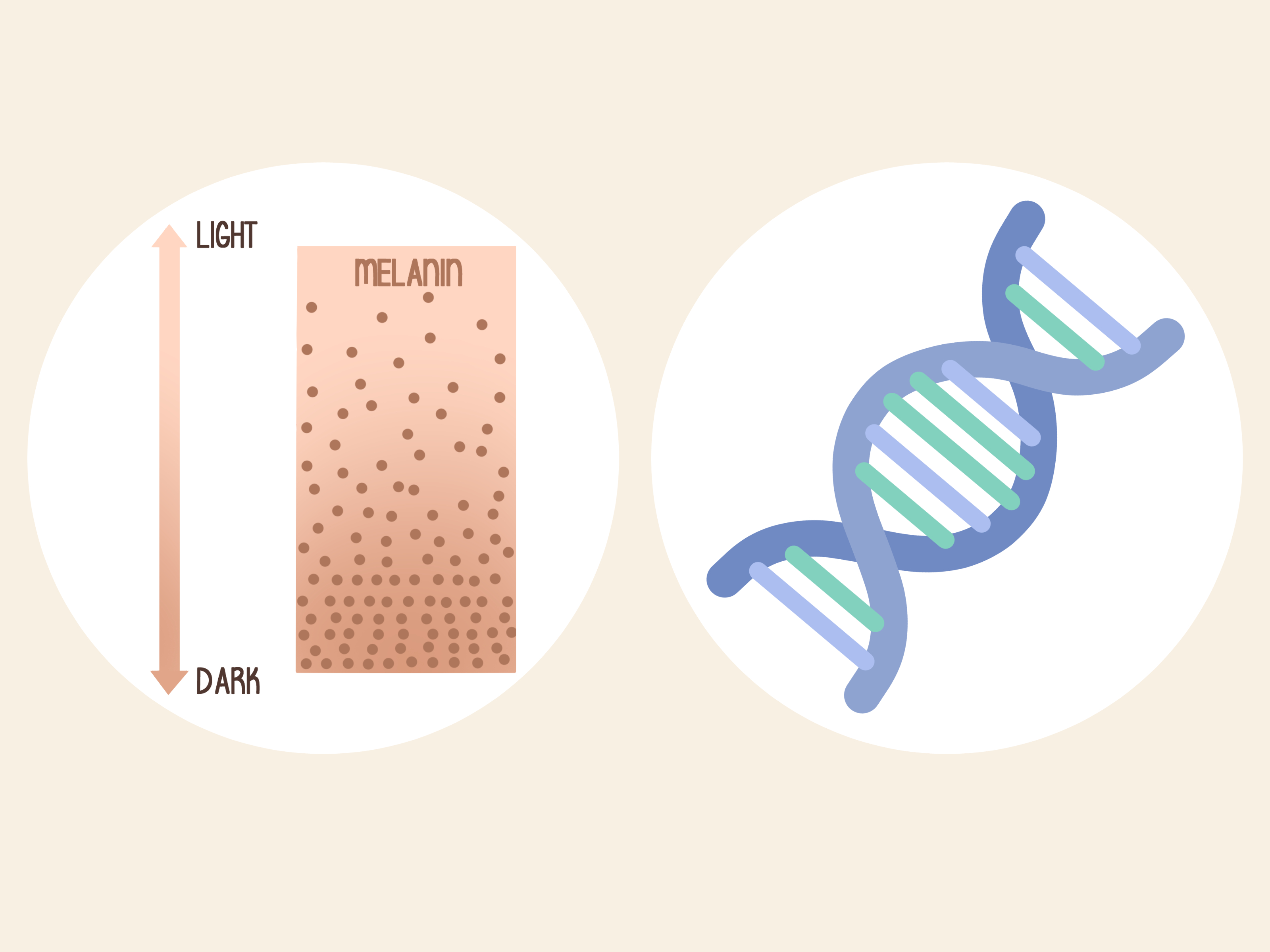
Eye color comes from the iris, the colored ring around the pupil. The biggest visual factor is melanin, the same pigment involved in skin and hair color. More melanin usually creates darker eyes, such as brown or deep hazel. Less melanin tends to create lighter-looking eyes, such as blue, gray, or green. Blue eyes do not actually contain blue pigment in the way a blue marker contains blue ink. Their color is largely the result of how light scatters through the iris.
Genetics also plays a major role, but eye color is not as simple as the old classroom chart that says “brown beats blue.” Multiple genes contribute to iris color, including genes that influence melanin production and distribution. That is why two parents with similar eye colors can still have a child with a slightly different shade, and why hazel, amber, gray, and green eyes can be so hard to place in neat little boxes.
So, What Eye Color Is Usually Considered Most Attractive?
In many informal polls and beauty surveys, green eyes often rank near the top. Hazel, blue, and gray eyes also tend to perform well. The likely reason is not that these colors are “better,” but that they are less common in many populations. Humans are naturally drawn to novelty. A rare feature catches the eyeliterallyand the brain says, “Oh, interesting. Let’s look again.”
Green eyes are often described as rare, vivid, and memorable. Hazel eyes attract attention because they can appear brown, gold, green, or amber depending on lighting, clothing, and surrounding colors. Blue eyes can look bright and high-contrast, especially in daylight. Gray eyes, though less commonly discussed, often feel unusual and dramatic because they can shift between blue, silver, and smoky tones.
But here is the twist: brown eyes are the most common eye color worldwide, and they are also widely considered attractive. Brown eyes can look soft, deep, expressive, glossy, warm, or intense. They may not always win “rarest color” contests, but they have something rarer polls often miss: emotional range. A person with brown eyes can look comforting in one moment and cinematic in the next. That is not a bad deal for a color some people wrongly call “ordinary.”
Why Rare Eye Colors Get So Much Attention
Rarity has a powerful effect on perception. When people encounter something less common, they may assign it extra value. This happens with gemstones, vintage cars, limited-edition sneakers, and yes, eye colors. If green or gray eyes are uncommon in a person’s social circle, those colors can feel especially striking.
This does not mean rare eyes are automatically more attractive in every face. A rare color can catch attention, but attraction is about the full picture. Eye shape, facial expression, skin tone, hair color, eyebrow contrast, smile, posture, and personality all affect how someone is perceived. A rare eye color with a blank expression may not feel as appealing as warm brown eyes paired with kindness, humor, and confident eye contact.
The Psychology of “Striking” Eyes
When people say someone has beautiful eyes, they are usually not only talking about color. They may be noticing how the eyes communicate. Eyes show attention, emotion, interest, nervousness, amusement, and warmth. That is why a person’s eyes can seem to “light up” when they laugh, even though the iris color has not changed at all.
Eye contact also matters. Comfortable eye contact can create a sense of connection, while too much staring can feel intense, and too little can seem distant. The most attractive eyes are often the ones that feel alive, present, and expressive. This is why someone can have a famously rare eye color and still not make much of an impression, while another person with common brown eyes can be unforgettable after one conversation.
Color Contrast: The Secret Ingredient
One reason certain eye colors stand out is contrast. Light eyes may pop against dark hair, deep lashes, or strong brows. Dark eyes may look especially luminous against lighter skin, bright clothing, or a clean white background. Hazel eyes may appear greener next to earthy colors, while blue eyes may look brighter beside navy, charcoal, or warm copper tones.
This is why the same eye color can look different from person to person. A pale blue eye with blond lashes may look soft and airy. A pale blue eye with dark lashes may look bold and icy. A dark brown eye in soft lighting may look velvety. The same brown eye in sunlight may reveal amber, honey, or copper tones. The “most attractive eye color” often depends on the surrounding frame.
Green Eyes: Rare, Mysterious, and Highly Memorable
Green eyes often get praised because they are uncommon and visually complex. They can contain hints of gold, gray, blue, or brown, which gives them a layered appearance. In literature and film, green eyes are frequently used to suggest mystery, intensity, or charm. That cultural association can influence how people perceive them in real life.
Green eyes also tend to shift in different lighting. Under warm indoor light, they may look golden or hazel. Outside, they may appear cooler or brighter. This color movement makes them feel dynamic, which can increase their appeal. Still, green eyes are not attractive because they are green; they are attractive when they harmonize with the person’s features and expression.
Blue Eyes: Bright, Clear, and High-Contrast
Blue eyes are often associated with brightness and clarity. Because they contain less melanin, they can reflect and scatter light in ways that make them appear vivid, especially in natural daylight. A person with blue eyes may seem to have a more noticeable gaze simply because the color contrast is easy to see from a distance.
Blue eyes also have strong cultural visibility in Western media, which may influence beauty preferences. Movies, advertisements, and fashion photography have often highlighted blue-eyed models and actors. That does not make blue eyes objectively more attractive, but repeated exposure can shape what people are taught to notice.
Brown Eyes: Warm, Deep, and Underrated
Brown eyes are sometimes overlooked in “most attractive eye color” debates because they are common. That is unfair, and frankly, brown eyes deserve better public relations. Brown is not one color; it is a whole universe. There are espresso brown eyes, honey brown eyes, amber-brown eyes, reddish-brown eyes, and near-black brown eyes that look like polished onyx.
Brown eyes often create a sense of warmth and approachability. Because they contain more melanin, they can appear rich and glossy under the right light. They also pair beautifully with almost every hair color, clothing palette, and skin tone. Brown eyes may not always shout for attention, but they often hold it once someone is close enough to notice the details.
Hazel Eyes: The Shape-Shifters
Hazel eyes are famous for being hard to define. Are they brown? Green? Gold? Amber? Yes. That is the fun of them. Hazel eyes often have multiple colors arranged in rings, bursts, or flecks. One person may have brown near the pupil and green toward the outer iris. Another may have a golden base with olive undertones.
This shifting quality makes hazel eyes especially attractive to many people. They can look different depending on the weather, outfit, makeup, lighting, or even mood. Hazel eyes are basically the convertible car of eye colors: practical on Monday, dramatic by Friday night.
Gray Eyes: Subtle, Cool, and Unusual
Gray eyes are less common and often described as elegant or intense. They may appear silver, blue-gray, green-gray, or smoky depending on lighting. Because gray is a neutral color, it can create a soft but memorable effect. It does not always have the immediate brightness of blue or the warmth of brown, but it often has a quiet, cinematic quality.
People who prefer gray eyes may be responding to their rarity and moodiness. Gray eyes can look calm in one setting and dramatic in another. They also tend to photograph in interesting ways, especially when paired with strong contrast in clothing or lighting.
Amber Eyes: Golden, Warm, and Eye-Catching
Amber eyes are often described as golden, coppery, or honey-like. They are different from hazel because they usually have a more solid warm tone rather than a mix of brown and green. Amber eyes can look especially striking in sunlight, where their golden quality becomes more visible.
Because amber eyes are less common, they often create the same novelty effect as green or gray eyes. They also have a natural warmth that can make the gaze feel lively and bright. If blue eyes are a winter sky, amber eyes are late-afternoon sunlight.
What Science Suggests: Color Is Only Part of the Story
Scientific research on attractiveness suggests that iris color alone may not determine whether eyes are perceived as beautiful. Other features can matter as much or more. One example is the limbal ring, the darker border around the iris. A more visible limbal ring can make eyes appear clearer, more defined, and more youthful-looking.
Pupil size, iris visibility, scleral brightness, facial symmetry, and emotional expression can also influence perception. Clear, healthy-looking eyes tend to be attractive because they signal alertness and vitality. That is why tired, red, or irritated eyes may seem less appealing regardless of whether they are blue, brown, green, or hazel.
Culture Changes the Answer
The most attractive eye color can vary by region, culture, and personal experience. In a place where brown eyes are dominant, lighter eyes may stand out. In a place where blue eyes are common, dark brown or amber eyes may feel more striking. People are often drawn to what feels familiar, but they can also be fascinated by what feels different.
Family, media, childhood memories, and dating history can all shape preference. Someone may love green eyes because their first crush had them. Another person may prefer brown eyes because they associate them with warmth and trust. Attraction is not a laboratory machine. It is more like a playlist: part biology, part memory, part culture, and part “I cannot explain it, but wow.”
Can Clothing and Styling Make Eye Color Stand Out?
Yes. Without changing eye color, people can make their natural eyes more noticeable by choosing colors that create contrast or harmony. Blue eyes often stand out with navy, charcoal, bronze, peach, or warm brown tones. Green eyes can look brighter with plum, forest green, copper, or soft neutrals. Brown eyes often glow with cream, gold, emerald, burgundy, navy, and warm earth tones. Hazel eyes may shift beautifully with olive, chocolate, rust, champagne, or deep purple.
Lighting matters too. Natural light can reveal flecks and undertones that indoor lighting hides. A person may think they have plain brown eyes until sunlight turns them into maple syrup with a diploma. The point is not to “fix” eye color, but to notice what is already there.
Are Colored Contacts Part of the Conversation?
Colored contacts can change or enhance eye color, and many people use them for fashion, photography, cosplay, or personal style. But they should be treated as eye devices, not casual stickers. Poorly fitted or low-quality lenses can irritate the eyes or cause health problems. Anyone considering contact lenses should get proper guidance from an eye care professional.
From an attractiveness perspective, natural-looking colored contacts usually work best when they complement the person’s features. A dramatic icy blue lens may be fun for a photoshoot, but it may not look natural on every face. Subtle enhancement can often be more flattering than a color that looks like it came from a fantasy video game character selection screen.
The Real Answer: The Most Attractive Eye Color Is the One That Works With the Whole Person
If we are talking about survey popularity, green, hazel, blue, and gray often receive high rankings because they are relatively rare and visually noticeable. If we are talking about global commonness and emotional warmth, brown eyes deserve a starring role. If we are talking about science, color is only one part of attractiveness, and features such as contrast, expression, clarity, and eye contact may matter more.
So the best answer is this: the most attractive eye color depends on the person looking, the person being looked at, and the moment happening between them. Eyes are attractive not because they match a ranking, but because they communicate something. Curiosity. Humor. Kindness. Confidence. Mischief. The look that says, “I know exactly where the snacks are hidden.”
Experiences and Everyday Observations About Attractive Eye Color
In real life, people rarely fall for an eye color in isolation. They fall for the way someone looks at them across a table, laughs during a conversation, or lights up when talking about something they love. A person may say they prefer blue eyes, then become completely charmed by someone with dark brown eyes because the expression feels warm and genuine. Another person may insist green eyes are their favorite, until they meet someone with hazel eyes that shift from gold to olive in the afternoon sun.
One common experience is the “I never noticed my own eye color until someone complimented it” moment. Many people grow up thinking their eyes are ordinary because they see them every day. Brown-eyed people especially may feel this way because brown is common worldwide. But then someone says, “Your eyes look amber in this light,” and suddenly the mirror gets a little more interesting. The same happens with blue eyes that look gray on cloudy days, green eyes that turn golden near a window, or hazel eyes that seem to have three colors arguing politely inside the iris.
Another experience involves photos. Some people feel their eye color disappears in pictures, while others notice it only in certain lighting. A phone flash can flatten color, while soft daylight can reveal texture and depth. That is why the “best” eye color in a selfie may depend less on genetics and more on whether the lighting is doing its job. Good light is the unpaid intern of beauty: quiet, essential, and rarely thanked enough.
People also connect eye color with personality, even when that connection is more emotional than scientific. Brown eyes may be perceived as trustworthy or comforting. Blue eyes may be seen as open or bright. Green eyes may seem mysterious. Hazel eyes may feel playful or unpredictable. These impressions are often shaped by culture, stories, celebrities, and personal memories. The eye color itself is not creating a personality, but people love attaching meaning to visible details. Humans are storytelling machines with Wi-Fi.
In dating and friendship, eye contact often matters more than the color being looked at. Someone who listens closely, smiles naturally, and makes comfortable eye contact may seem more attractive than someone with a rare eye color but no emotional presence. The most memorable eyes are usually expressive. They react. They soften. They sparkle when the person is amused. They narrow slightly during a joke. They widen when surprised. That movement and emotion make eyes feel alive.
Fashion and grooming experiences also show how flexible eye attractiveness can be. A green sweater can pull out green flecks in hazel eyes. A navy shirt can make blue eyes look clearer. Gold jewelry can warm up brown or amber eyes. Burgundy, plum, copper, charcoal, cream, and olive tones can all change the way eye color appears. Sometimes the most attractive eye color is simply the one that has been given the right supporting cast.
The healthiest takeaway is this: eye color is a feature, not a ranking system. It can be fun to talk about preferences, but no one needs to treat their natural eye color as a problem to solve. Every eye color has its own beauty language. Brown has depth. Blue has brightness. Green has rarity. Hazel has movement. Gray has softness. Amber has warmth. The real charm comes from how those eyes belong to a living, expressive personnot from where they land on a survey.
Conclusion
The most attractive eye color is not a single shade that wins forever. Green, hazel, blue, and gray may rank high in many surveys because they are rare or visually striking, while brown eyes remain deeply attractive because of their warmth, richness, and emotional depth. Science suggests that attractiveness depends on far more than iris color alone. Contrast, limbal rings, eye clarity, facial harmony, expression, and confident eye contact all shape how beautiful eyes appear.
In the end, the most attractive eyes are not necessarily the rarest. They are the ones that feel expressive, healthy, present, and connected. Eye color may open the door, but personality walks through it.
Note: This article is written for general informational and editorial purposes. Eye color is a natural human trait, and attractiveness is subjective, culturally influenced, and never limited to one physical feature.