Pecan pie has a charming habit of lookingand the kitchen smells like a holiday postcard. Meanwhile, beneath that handsome surface, the filling may still be conducting a small maple-colored flood drill.
Learning how to tell if pecan pie is dondges, a gently wobbling center, a richly browned surface, and an internal temperature near the target for your recipe. It must then cool long enough for the egg-and-sugar filling to become sliceable.
The goal is not a rock-solid pie when it leaves the oven. In fact, waiting until the center stops moving completely is one of the easiest ways to overbake it. Here are the most reliable signs of pecan pie doneness, plus practical ways to prevent a runny center, burned nuts, or a crust with the texture of damp cardboard.
Why Pecan Pie Doneness Can Be Difficult to Judge
Pecan pie filling is usually made with eggs, sugar or corn syrup, melted butter, and flavorings such as vanilla. During baking, the eggs provide structure while the concentrated sugars create the pie’s familiar soft, sticky texture.
This combination creates a narrow window between underbaked and overbaked. Remove the pie too early, and the filling may run across the plate. Leave it in too long, and the filling can become tough, grainy, or separated. The pecans and crust may also darken before the center has finished cooking.
Baking time is only an estimate because several variables influence the result:
- The depth and diameter of the pie plate
- Whether the plate is glass, ceramic, or metal
- The starting temperature of the filling
- The accuracy and heat distribution of the oven
- Whether the recipe uses corn syrup, maple syrup, honey, chocolate, or extra eggs
- Whether the crust was chilled or partially baked first
That is why a recipe might say 45 minutes while your pie needs 55. The pie is not being difficult on purpose. It simply refuses to read the instructions.
How to Tell if Pecan Pie Is Done: 7 Reliable Signs
1. The Center Has a Small, Controlled Jiggle
The jiggle test is the most useful visual check. Wearing oven mitts, gently nudge or shake the pie plate while it remains on the oven rack. The outer portion of the filling should appear set, while the center should wobble slightly as one cohesive area.
The movement should resemble firm gelatin, not soup in a bowl. A small central wobble is desirable because the filling will continue to cook and set from residual heat after it leaves the oven.
The pie needs more time when:
- The filling ripples from one side of the plate to the other
- The center appears visibly liquid beneath the pecans
- A gentle movement causes the entire filling to slosh
- The outer edges have not become stable
Check again after three to five minutes. Near the end of baking, a few minutes can make a noticeable difference.
2. The Edges Are Set and Slightly Puffed
A finished pecan pie normally sets from the outside toward the center. The filling around the perimeter should look firm and may rise or puff slightly. The middle can remain lower and softer.
A little puffing is normal because heat expands the air and steam trapped in the filling. The pie may settle as it cools. That sinking is not a baking failure; it is simply the filling relaxing after spending nearly an hour in a very hot oven.
If the edges are firm but the middle still moves slightly, the pie is likely close to done. If the entire surface is flat, wet-looking, and loose, continue baking.
3. The Internal Temperature Is About 200°F
For many traditional pecan pie recipes, the center is properly baked when an instant-read thermometer registers approximately 200°F. Temperature is especially helpful when the pecan layer makes it difficult to see how much the filling is moving.
Insert a thin thermometer probe near the center, preferably through a gap between the nuts. Avoid touching the bottom or side of the pie plate, which can produce an inaccurate reading.
Use temperature as confirmation rather than the only test. Different recipes may establish slightly different targets, particularly when chocolate, flour, maple syrup, or unusual quantities of eggs are added. Follow the temperature specified by the recipe when one is provided.
Remove the pie promptly once it has the correct temperature and a controlled center jiggle. Repeatedly poking the center can leave visible holes, so one careful measurement is better than turning the dessert into a tiny thermometer parking lot.
4. The Top Is Deep Golden Brown
The pecans should look toasted and aromatic, while the syrup surrounding them should have a glossy, deep golden-brown appearance. Pale nuts and a light, wet-looking surface often indicate that the pie needs additional time.
However, dark brown is not the same as burned. Pecans contain oils that can develop a bitter flavor when exposed to too much heat. If the top is browning rapidly while the center remains loose, loosely tent the pie with aluminum foil. Do not press the foil against the sticky filling.
A shield allows the center to continue baking without turning the pecans into charcoal wearing fancy pie crust.
5. The Crust Is Golden, Not Pale or Doughy
The filling is only half of the doneness equation. A beautiful center cannot rescue a raw bottom crust.
The visible rim should be golden brown and dry. When using a glass pie plate, carefully look through the bottom. The pastry should appear baked and lightly colored rather than pale, greasy, or translucent.
Placing the pie on a preheated baking sheet can help conduct heat into the bottom crust. Baking in the lower third of the oven may also improve browning, depending on the recipe and oven.
If the crust edge becomes dark too early, use a commercial pie shield or strips of foil around the rim. Shielding only the edge protects the delicate crimp while allowing heat to reach the filling and bottom crust.
6. The Surface Is Set Without Looking Dry
A properly baked surface may be shiny, but it should not look like uncooked liquid. The filling between the pecans should appear thick and stable. Small cracks near the outer edge can occur, especially in recipes with a higher egg content, but a dry, extensively cracked surface may indicate overbaking.
Other possible signs of an overbaked pecan pie include:
- No movement at all in the center while the pie is still hot
- A filling that has pulled noticeably away from the crust
- Large bubbles or separated oily patches
- Very dark pecans with a bitter toasted smell
- A hard or unusually stiff center after cooling
Do not touch the hot filling to test its firmness. Concentrated sugar retains heat extremely well and can cause a serious burn. The jiggle test and thermometer are much safer.
7. The Filling Firms as the Pie Cools
Cooling is part of the cooking process. When pecan pie comes out of the oven, its filling is still hot, expanded, and relatively soft. Residual heat continues to set the eggs, while cooling allows the sugar mixture to thicken.
A pie that appears slightly soft when hot may become perfectly sliceable later. Cutting it immediately can release a stream of filling even when it was baked correctly.
Place the pie on a wire rack so air can circulate around the dish. Let it cool undisturbed. Moving, slicing, or refrigerating a steaming-hot pie can encourage condensation and a soggy crust.
A Quick Pecan Pie Doneness Checklist
| Doneness Test | What You Want to See | Warning Sign |
|---|---|---|
| Center movement | A small, gelatin-like wobble | Liquid sloshing across the pie |
| Outer filling | Firm, set, and slightly puffed | Wet and loose around the edges |
| Internal temperature | About 200°F for many classic recipes | Well below the recipe’s target |
| Pecans | Deep golden and lightly toasted | Pale, scorched, or bitter-smelling |
| Crust | Golden and dry-looking | Pale, greasy, or doughy |
| Hot filling | Set but still slightly soft | Completely rigid or extensively cracked |
How Long Does Pecan Pie Usually Take to Bake?
Most standard 9-inch pecan pies bake for approximately 45 to 60 minutes at temperatures around 350°F. Some recipes begin at a higher temperature and then reduce the heat. Deep-dish pies, refrigerated fillings, and heavy ceramic plates may require more time.
Begin checking the pie at the earliest time listed in the recipe. Opening the oven repeatedly during the first half of baking can reduce the temperature and extend the process, so save the enthusiastic inspection for later.
Once the pie approaches the stated baking time, check it in short intervals. If the crust and pecans are already brown but the center is loose, cover the top loosely with foil and continue baking for three to five minutes before testing again.
Underbaked Versus Overbaked Pecan Pie
Signs of an Underbaked Pecan Pie
An underbaked pie may look attractive from above but remain fluid beneath the nut layer. The center may roll in waves when moved, and the filling may pour from the first cut even after sufficient cooling.
Other signs include a pale bottom crust, a noticeably wet surface, or an internal temperature below the recipe’s target. A warm pie will naturally be softer, so do not diagnose underbaking until it has had enough time to set.
Signs of an Overbaked Pecan Pie
An overbaked filling may become chewy around the perimeter, grainy in the middle, or unpleasantly firm after cooling. Excessive heat can also cause the eggs to tighten and separate from the sugary syrup.
The surface may crack dramatically, the nuts may taste bitter, and the crust may become too dark. A center that is completely motionless in the oven is often a clue that the pie has gone beyond its ideal stopping point.
Can You Fix an Underbaked Pecan Pie?
If the pie is still warm and you realize the center is clearly liquid, it may be returned to the oven. Heat the oven to the recipe’s baking temperature, cover the browned crust and pecans loosely with foil, and bake in short intervals until the center has only a slight wobble.
Rebaking works best before the pie has been chilled. A fully refrigerated pie can still be reheated, but the crust may become tougher and the filling may cook unevenly.
If the pie has already cooled and the filling is soft but not raw or flowing, chilling it may provide enough structure for cleaner slices. Serve each piece cold or slightly cool, perhaps with whipped cream. Whipped cream has helped many desserts maintain their dignity.
How to Prevent a Runny Pecan Pie
Correct doneness begins before the pie enters the oven. Use the exact quantity of eggs and sweetener specified in the recipe. Large changes to the amount of corn syrup, maple syrup, sugar, or butter can alter how the filling sets.
Additional precautions include:
- Measure liquid ingredients accurately rather than estimating.
- Use the egg size requested by the recipe.
- Mix until combined without whipping excessive air into the filling.
- Preheat the oven fully before baking.
- Confirm oven accuracy with a separate oven thermometer.
- Use the pie plate size specified by the recipe.
- Set the pie on a baking sheet for stability and better bottom heat.
- Allow enough cooling time before slicing.
A deeper-than-recommended pie plate can make the center substantially slower to cook. Meanwhile, a wider plate spreads the filling into a thinner layer that may finish early. Even a dependable recipe can behave differently when moved into a dramatically different pan.
Should You Use a Knife or Toothpick Test?
A knife or skewer can provide some information, but it is less dependable for pecan pie than it is for cake. The filling is supposed to remain sticky, and melted sugar may cling to the utensil even when the pie is done. Pecans can also interfere with the test.
If you use a thin knife, insert it near the center. It should not emerge coated with raw, flowing egg mixture, but it may still appear moist and sticky. A perfectly clean knife is not required and could mean the filling has been baked too long.
For the most reliable decision, combine three signs: a slight center jiggle, set outer edges, and a temperature reading consistent with the recipe.
How Long Should Pecan Pie Cool Before Slicing?
Give the pie at least two hours to cool and set before attempting clean slices. Some deep or especially syrupy pies benefit from additional chilling.
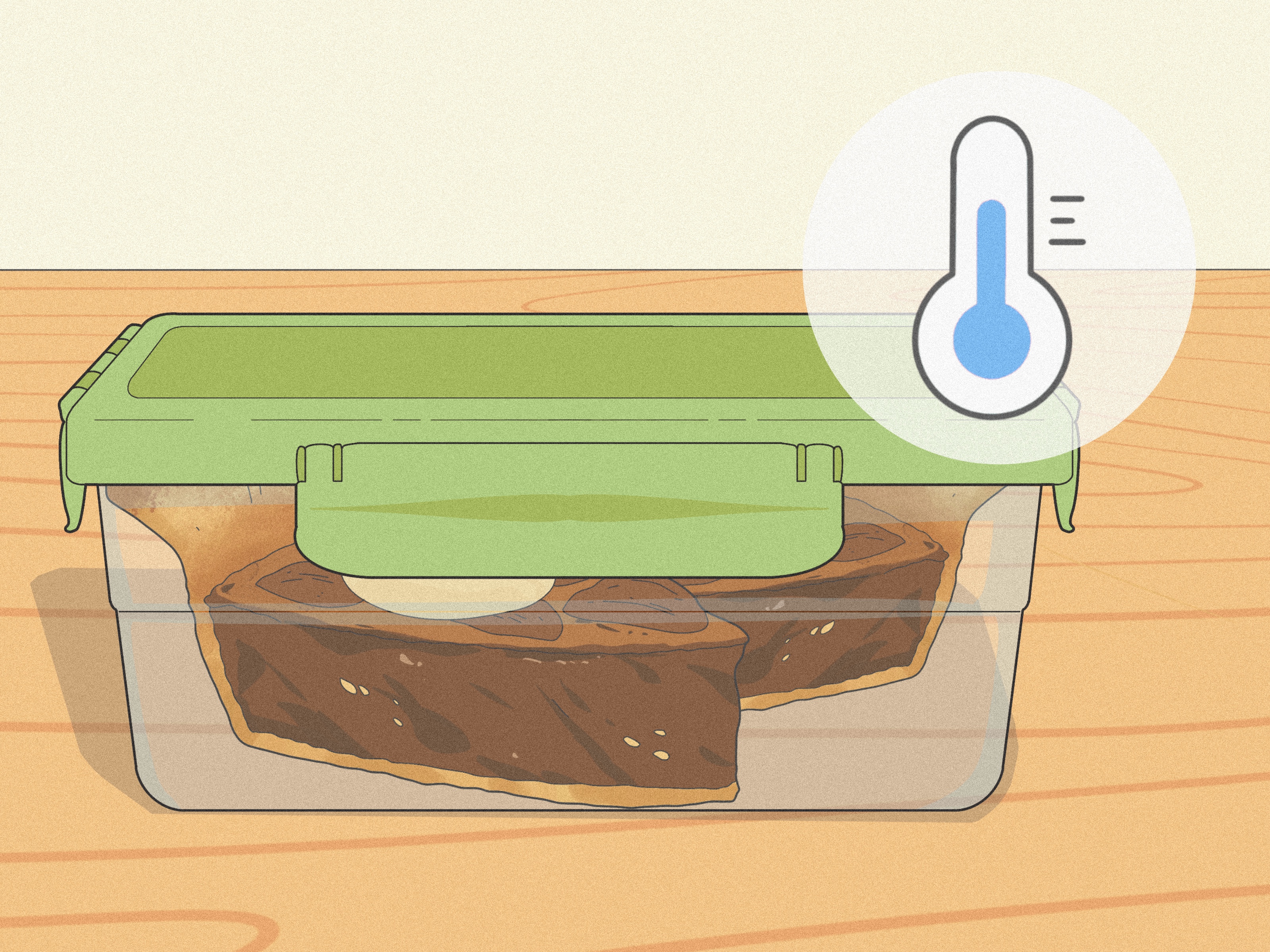
Because homemade pecan pie contains eggs, it should not remain at room temperature for more than two hours. After the initial cooling period, loosely cover and refrigerate it. The filling can finish firming in the refrigerator.
For easier cutting, use a thin, sharp knife. Wipe the blade clean between slices. A slightly warm knife can pass through the sticky filling more neatly, but it should not be hot enough to melt or drag the filling.
Frequently Asked Questions
Is pecan pie supposed to be jiggly when it comes out?
Yes. A small, controlled wobble in the center is normal. The outer filling should be stable, and the center should move as one soft section rather than sloshing like liquid.
Will pecan pie thicken as it cools?
Yes. Cooling allows the egg-and-sugar filling to finish setting. This is why a hot pie should not be judged by how cleanly it slices.
Why is my pecan pie runny after cooling?
Common causes include underbaking, inaccurate oven temperature, incorrect measurements, too few eggs, too much liquid sweetener, or using a deeper pie plate than the recipe intended.
Can pecan pie be overcooked?
Yes. Overcooking may produce a stiff, grainy, separated, or chewy filling. The nuts and crust can also burn before the center shows obvious damage.
Does pecan pie need to be refrigerated?
Homemade pecan pie should be refrigerated after it has cooled because its filling contains eggs. Do not leave it at room temperature for more than two hours. Store it loosely covered in the refrigerator and follow the recipe’s storage guidance.
Experience-Based Lessons From Real-World Pecan Pie Baking
One of the most common pecan pie experiences begins with a baker staring through the oven window and thinking, “That center is still moving. Clearly, disaster has arrived.” The pie is left in for another 15 minutes, and the once-soft filling cools into something better suited for repairing a driveway. The lesson is simple: movement is not automatically a sign of rawness. The type of movement matters.
A perfectly timed pie often looks slightly underdone when it leaves the oven. Its center trembles within a set outer ring, and the surface may remain glossy. During cooling, that trembling area becomes stable. Bakers who learn to recognize the difference between a wobble and a wave usually become far more consistent.
Another familiar experience involves the beautiful pie with the mysterious raw bottom. The filling is fully set and the pecans are toasted, but the base is pale and flexible. This often happens with thick ceramic dishes, an oven rack positioned too high, or a cold baking sheet. Moving the rack lower or baking the pie on a preheated metal sheet can noticeably improve the crust without changing the filling recipe.
Pan material creates additional surprises. Metal heats quickly, so the crust may brown sooner and the pie may finish near the low end of the suggested time. Glass heats more gradually but makes it easier to inspect the bottom crust. Ceramic plates are attractive and hold heat well, but their retained heat can continue cooking the pie after removal. A ceramic pie that appears perfect in the oven may become overdone if it is baked until completely firm.
Oven hot spots also create the classic half-golden, half-pale pie. Rotating the pie once during the later stage of baking can promote even browning, provided it is moved gently. Rotating too early or too aggressively may splash loose filling against the crust. Pecan pie appreciates confidence, but it does not appreciate being spun like a game-show wheel.
Foil management is another lesson usually learned through experience. Covering the pie too early can slow browning and trap moisture. Waiting until the pecans are nearly burned defeats the purpose. A practical approach is to inspect the pie around the two-thirds mark. If the crust or nuts already look properly browned, add a loose shield while the center finishes.
Thermometers solve many arguments between the clock and the jiggle test. A pie may appear loose because its nut layer exaggerates movement, yet the center temperature shows that it is ready. Another pie may look dark and finished while its temperature reveals that the center needs more time. Checking through a gap between the pecans leaves only a tiny mark and provides useful confirmation.
Cooling tests patience more than skill. Cutting a warm pecan pie is tempting because the aroma has already gathered everyone in the kitchen. Unfortunately, the first slice may collapse even when the baking was correct. Allowing the pie to set before serving transforms the same soft filling into clean, glossy layers.
Finally, experienced bakers do not treat a minor visual flaw as a ruined dessert. A cracked top, uneven pecan pattern, or slightly soft slice rarely affects flavor. The most valuable habit is observing what happened: how the center moved, when the crust browned, which pan was used, and how long the pie cooled. Those notes turn the next bake from a guessing game into a repeatable method.
Conclusion
The best way to tell if pecan pie is done is to combine several clues rather than trusting a single baking time. Look for firm and slightly puffed edges, a small gelatin-like wobble in the center, toasted pecans, a golden crust, and an internal temperature near 200°F when appropriate for the recipe.
Remove the pie before the center becomes completely rigid, protect browned areas with foil, and remember that cooling is essential to the final texture. With those habits, the filling will be soft without being runny, the crust will remain crisp, and every slice will stand proudly instead of escaping across the plate.
Note: Oven performance, pie-plate material, filling depth, and recipe formulation can change the required baking time. Use the recipe’s specific instructions together with the doneness signs described above.