A child who suddenly sounds like a barking seal at 2:00 a.m. can turn even the calmest parent into an amateur emergency-room dispatcher. Fortunately, most cases of croup are mild and improve with supportive care at home. The important part is knowing which croup remedies may make a child more comfortableand which breathing symptoms mean it is time to skip the home remedies and seek medical care.
Croup is usually caused by a respiratory virus that inflames the voice box and windpipe. That swelling produces the famous barking cough, a hoarse voice, and sometimes a harsh sound called stridor when the child breathes in. Symptoms often become worse at night, partly because crying, fatigue, and changes in airway moisture can make an already narrow airway feel even tighter.
Natural and home treatments cannot cure the virus or directly eliminate airway swelling. They can, however, reduce irritation, maintain hydration, help a child stay calm, and make a mild episode easier to manage while the immune system does its work.
First, Make Sure Home Treatment Is Appropriate
Before trying any home remedy for croup, watch the child while they are quietnot while crying, coughing, or protesting bedtime with the determination of a tiny lawyer.
Mild croup generally involves a barking cough and hoarse voice without significant breathing difficulty. A child may have brief stridor when crying or coughing but should breathe comfortably when calm.
Call 911 or seek emergency care immediately if the child:
- Has stridor while resting quietly
- Is struggling for every breath or breathing much faster than usual
- Has skin pulling inward between the ribs, above the collarbones, or at the base of the neck
- Develops blue, gray, or unusually pale lips or skin
- Cannot speak, cry, drink, or swallow normally
- Is drooling because swallowing is difficult
- Appears unusually sleepy, confused, limp, or difficult to wake
- Has pauses in breathing
- May have inhaled food, a toy part, or another foreign object
Stridor at rest is especially important. It suggests that the airway is narrowed even when the child is not upset and generally requires prompt medical evaluation.
Parents should also contact a pediatrician promptly when croup affects a baby younger than six months, symptoms repeatedly return, fever is unusually high or persistent, the child is not drinking, or the diagnosis is uncertain. A sudden barking cough after choking, for example, should not automatically be blamed on a virus.
1. Keep Your Child Calm
The simplest croup remedy is also one of the most useful: reduce fear and crying. When children become frightened, they breathe faster and more forcefully. That increased airflow through an inflamed airway can make stridor and coughing louder.
Pick up a younger child and hold them in a comfortable position. Speak slowly, dim bright lights, play quiet music, or read a familiar book. Avoid pinning the child down for an unnecessary throat inspection. Unless you are a trained clinician, shining a phone flashlight into the mouth while everyone panics rarely improves the evening.
Try to keep your own voice and movements relaxed. Children often borrow their emotional weather from their caregivers. A calm adult does not cure croup, but it can prevent distress from making mild symptoms more dramatic. Pediatric guidance consistently recommends minimizing crying and agitation during a croup episode.
2. Hold the Child Upright
Let the child sit upright on your lap or in another comfortable, supervised position. Upright positioning may make breathing feel easier and can reduce the discomfort caused by nasal drainage.
Do not force a child with breathing difficulty to lie flat. Allow them to choose the position in which they breathe most comfortably. Babies should still be placed on a firm, flat sleep surface when sleeping; do not add pillows, wedges, blankets, or sleep positioners to an infant’s crib.
For an awake child, think “comfortable and upright,” not “perfect posture.” No one expects military-level sitting during a barking-cough concert.
3. Offer Frequent Fluids
Hydration does not remove swelling from the airway, but it helps prevent dehydration and keeps the mouth and throat moist. Offer small amounts frequently rather than insisting on a full cup at once.
Appropriate options include:
- Breast milk or formula for babies
- Water for children old enough to drink it
- Warm broth or soup
- Chilled water or diluted juice
- Ice pops for older children who can safely eat them
Some children prefer warm liquids, while others find cold drinks more soothing. Either is reasonable as long as the temperature is safe and the child can swallow without difficulty.
Watch for dehydration signs such as a very dry mouth, no tears while crying, unusually dark urine, or much less urination than normal. A child who cannot drink because breathing or swallowing is difficult needs medical care.
4. Try a Clean Cool-Mist Humidifier
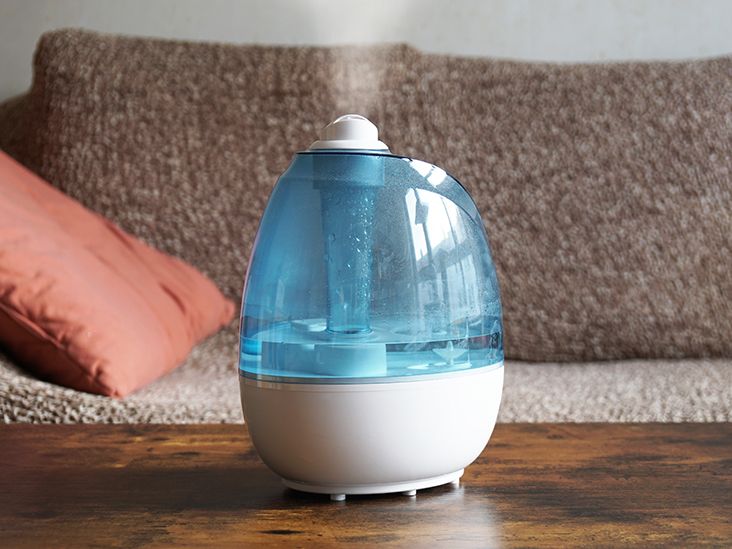
A cool-mist humidifier may reduce dryness and make an irritated throat feel more comfortable, especially when indoor heating or air conditioning has made the room dry. Place the humidifier where the mist can circulate without soaking bedding, walls, or furniture.
Clean and dry the machine according to the manufacturer’s instructions. Dirty humidifiers can distribute mold, bacteria, and mineral particlesan unhelpful plot twist when the original goal was easier breathing.
It is important to keep expectations realistic. Controlled studies have not consistently shown that humidified air improves the medical severity of moderate croup. Humidity may provide comfort, but it is not a substitute for corticosteroid treatment or emergency evaluation when breathing is labored.
What about steam from a shower?
Some pediatric resources suggest sitting with the child in a bathroom made steamy by a running shower. If you try this, keep the child completely away from hot water, faucets, bathtubs, kettles, and containers of boiling water.
Never place a child’s face over steaming water. Steam burns can happen quickly, and the evidence that steam significantly changes croup severity is limited. A cool-mist humidifier avoids the scalding risk associated with warm-mist vaporizers and improvised steam treatments.
5. Consider a Brief Dose of Cool Outdoor Air
Many parents report that a few minutes of cool outdoor air temporarily eases a barking cough or mild stridor. Several pediatric hospitals include this as a comfort measure, although research is limited and the response varies from child to child.
Dress the child appropriately and step outside for approximately 10 to 15 minutes, or stand near an open window if conditions are safe. Avoid extreme cold, poor air quality, wildfire smoke, and long exposure. Never delay emergency care to test whether night air will solve serious breathing difficulty.
If the child improves, continue monitoring after returning indoors. Temporary improvement does not guarantee that airway swelling will not return later in the night.
6. Use Honey Only for Children Older Than 1 Year
Honey may coat an irritated throat and reduce ordinary coughing in children age one year and older. It will not treat the airway swelling responsible for croup, but it may make the throat feel better and help an older child settle down.
A small spoonful can be given directly or mixed into a warmnot hotdrink. Because honey contains sugar, brush the child’s teeth afterward when practical.
Never give honey to a baby younger than 12 months. Honey may contain spores that can cause infant botulism, a rare but potentially life-threatening illness. This rule applies to raw, pasteurized, organic, local, imported, artisanal, and suspiciously expensive honey alike.
7. Relieve Fever and Throat Discomfort Safely
If fever or throat discomfort is making the child miserable, acetaminophen may help when used according to the child’s weight, product label, and pediatrician’s instructions. Ibuprofen may be an option for children older than six months who are adequately hydrated and do not have a medical reason to avoid it.
Do not guess a dose or use a kitchen spoon. Use the measuring syringe or cup supplied with the medicine. Check combination products carefully so the child does not accidentally receive acetaminophen from more than one medication.
Never give aspirin to a child or teenager with a viral illness unless a clinician has specifically prescribed it. Fever reducers improve comfort; they do not shrink the inflamed airway or cure croup.
8. Clear Nasal Congestion Gently
Croup often arrives with cold symptoms such as a runny or stuffy nose. Saline nose drops or saline mist can loosen thick mucus. For babies, gentle suction with a bulb syringe or nasal aspirator may help before feeding and sleep.
Do not suction aggressively or repeatedly, as excessive suction can irritate and swell the nasal lining. Saline helps the nose; it does not directly treat swelling around the voice box.
9. Encourage Rest and Continue Monitoring
Rest supports recovery, but a child with croup should be checked periodically, especially during the first one or two nights. Listen to breathing while the child is calm and asleep. Notice whether stridor occurs only during coughing or continues at rest.
Keep the child within hearing distance. Avoid overdressing or wrapping them in heavy blankets if they have a fever. Smoke, vaping aerosols, incense, strong fragrances, and harsh cleaning fumes should be kept out of the home because they can further irritate the airway.
Most viral croup improves over several days, although the cough can linger longer. Symptoms are commonly worst during the first few nights and may fluctuate surprisingly quickly.
Croup Remedies to Avoid
Over-the-counter cough and cold medicine
Drugstore cough syrups do not treat the upper-airway swelling that causes croup. Many products contain multiple ingredients, creating a risk of accidental double dosing. The FDA warns that cough and cold products containing antihistamines or decongestants should not be given to children younger than two, and manufacturers label many products not to be used under age four. Pediatric guidance is often even more cautious, particularly for children younger than six.
Do not give a cough medicine simply because the label features a smiling cartoon bear. Packaging is marketing, not a pediatric consultation. Ask a pediatrician or pharmacist before giving any cough or cold product.
Essential oils and strong vapor rubs
Essential oils have not been proven to treat croup. Concentrated oils can irritate the skin and airway, trigger coughing, or become toxic if swallowed. Avoid applying undiluted oils to a child’s skin or placing oils in the nostrils, mouth, humidifier, or nebulizer.
Do not use camphor-containing products where a young child can lick or ingest them. A child already working to breathe does not need an experimental cloud of peppermint, eucalyptus, and parental optimism.
Herbal supplements
Products marketed for “immune support” or respiratory cleansing are not substitutes for medical treatment. Supplements may contain inconsistent doses, allergens, alcohol, or ingredients that interact with medicines. Ask the child’s clinician before using any herbal product.
Antibiotics left over from another illness
Typical croup is viral, so antibiotics do not help. Leftover antibiotics may cause side effects, contribute to antibiotic resistance, and delay evaluation of another condition. A clinician may consider antibiotics only when a bacterial infection is suspected.
When Medical Treatment Is Needed
Home treatments mainly improve comfort. Medical treatment can reduce the actual airway inflammation.
A clinician may prescribe a corticosteroid such as dexamethasone. Even one dose can reduce swelling, improve symptoms, and lower the chance that the child will need additional medical care. Corticosteroids are recommended for croup across a range of severity levels, including many mild cases evaluated by a clinician.
Children with moderate or severe croup may receive nebulized epinephrine, which can rapidly reduce airway swelling. Because its effect can wear off, the child is usually observed afterward to make sure breathing remains stable. Oxygen, fluids, or hospital monitoring may be necessary in severe cases.
How Long Does Croup Last?
Croup often begins like a cold, followed by a barking cough and hoarseness. The illness is usually most intense during the first two or three nights and then gradually improves. Many children recover within three to seven days, although an ordinary cough may continue after the characteristic bark disappears.
Contact a healthcare professional when symptoms are getting worse rather than better, fever persists or returns, the child develops ear pain or chest symptoms, or the barking cough repeatedly returns. More than two episodes in a year may be described as recurrent croup and can justify evaluation for asthma, reflux, allergies, airway anatomy differences, or other contributing conditions.
Preventing Croup From Spreading
The viruses that cause croup spread through respiratory droplets, contaminated hands, and frequently touched surfaces. Reduce transmission by:
- Washing hands with soap and water
- Covering coughs and sneezes
- Cleaning commonly touched toys and surfaces
- Avoiding shared cups, utensils, and towels
- Keeping the child away from smoke and vaping aerosols
- Keeping a feverish child home from school or child care
A child can usually return to normal activities when fever has been gone for at least 24 hours without fever-reducing medicine, breathing is comfortable, and the child feels well enough to participate. Follow the rules of the school, child-care program, and pediatrician.
Caregiver Experiences: What a Night With Mild Croup Often Looks Like
Many caregivers describe the first episode of croup as far more frightening than the child’s daytime symptoms suggested. The afternoon may involve nothing more dramatic than a runny nose and mild hoarseness. Then bedtime arrives, the house becomes quiet, and a startling bark echoes from the bedroom. The unusual soundnot necessarily the severity of the illnessis often what causes immediate panic.
A common experience is that the coughing becomes louder when the child wakes, cries, and realizes that everyone in the household is suddenly staring at them. One parent turns on every light. Another begins searching symptoms online. Someone suggests an old family remedy involving boiling water. Meanwhile, the child becomes more upset, and the noisy breathing becomes worse.
The nights that go more smoothly tend to follow a calmer sequence. The caregiver first picks up the child and watches their breathing while they settle. Is the skin pulling inward around the ribs? Are the lips their normal color? Is there a harsh sound while the child is resting, or only during crying? Can the child speak and swallow?
When those warning signs are absent, the caregiver may hold the child upright, offer several sips of water, and sit near a cool-mist humidifier. An older child might accept a little honey. A brief step into cool night air sometimes quiets the bark, although it does not work for everyone. The caregiver then returns indoors, keeps the child nearby, and continues listening rather than assuming the episode is finished.
Another frequently reported lesson is that home remedies should be organized before bedtime. A clean humidifier is more useful than one discovered in a closet with last winter’s mysterious residue still inside. The correct fever medicine, dosing syringe, pediatrician’s number, and charged phone can prevent frantic searching during the night.
Caregivers also learn that improvement does not always occur in a straight line. A child may sound much better for an hour and then begin barking again after waking and crying. That pattern can occur with croup, but breathing effort matters more than cough volume. A loud cough from a child who is breathing comfortably can be less concerning than a quieter, exhausted child who is pulling hard for each breath.
Some families contact the pediatrician early in the illness and receive a dose of dexamethasone. They often notice that the next night is easier because the medicine treats airway inflammation rather than merely soothing the throat. Others seek urgent care after hearing stridor at rest and are relieved they did not continue experimenting with humidity at home.
The most useful experience-based lesson is simple: create a calm environment, assess breathing rather than judging the cough by sound alone, use low-risk comfort measures, and establish a clear threshold for getting help. Home care should feel like careful observationnot a contest to see how many natural remedies can be assembled before sunrise.
Frequently Asked Questions
Can a child sleep with croup?
A child with mild croup may sleep, but a caregiver should remain close enough to hear changes in breathing. Check the child periodically, especially during the first nights. Seek urgent care if stridor occurs at rest, breathing becomes labored, or the child is unusually difficult to wake.
Is croup worse at night?
Yes. Croup commonly becomes more noticeable at night. Symptoms may also intensify when a child cries or becomes agitated. A difficult night does not always mean the entire illness is worsening, but breathing difficulty should never be dismissed as “just nighttime croup.”
Does a humidifier cure croup?
No. A clean cool-mist humidifier may reduce dryness and provide comfort, but studies have not shown that humidified air reliably reduces croup severity. It should not delay medical treatment.
Can adults catch croup?
Adults can catch the viruses that cause croup, but their larger airways make the classic barking cough and stridor much less common. Adults are more likely to develop ordinary cold symptoms, laryngitis, or cough.
Should every child with croup see a doctor?
Not every mild case requires an emergency visit, but contacting the child’s pediatrician is reasonable, especially during a first episode. A clinician can confirm the likely diagnosis, determine whether a corticosteroid is appropriate, and explain exactly when the child should be evaluated in person.
Conclusion
The safest croup remedies are straightforward: keep the child calm, hold them comfortably upright, offer frequent fluids, use a clean cool-mist humidifier for comfort, and monitor breathing closely. Honey may soothe coughing in children older than one year, while properly dosed fever medicine can reduce discomfort.
Natural treatments do not replace medical care. Stridor at rest, chest retractions, blue or gray coloring, drooling, difficulty swallowing, exhaustion, or significant breathing trouble requires urgent evaluation. When in doubt, call the child’s pediatrician. With appropriate monitoring and timely treatment when needed, most children recover from croup without complications.
Medical note: This article is for general educational purposes and is not a diagnosis or individualized treatment plan. Seek emergency help for breathing difficulty. Medication choices and doses should be confirmed with a pediatrician or pharmacist.
Editorial research note: The guidance in this article was synthesized from current information provided by the American Academy of Pediatrics, Mayo Clinic, MedlinePlus, the U.S. Food and Drug Administration, the American Academy of Family Physicians, Cleveland Clinic, Children’s Hospital of Philadelphia, Nationwide Children’s Hospital, Nemours KidsHealth, Johns Hopkins Medicine, Boston Children’s Hospital, Seattle Children’s Hospital, and the National Library of Medicine.