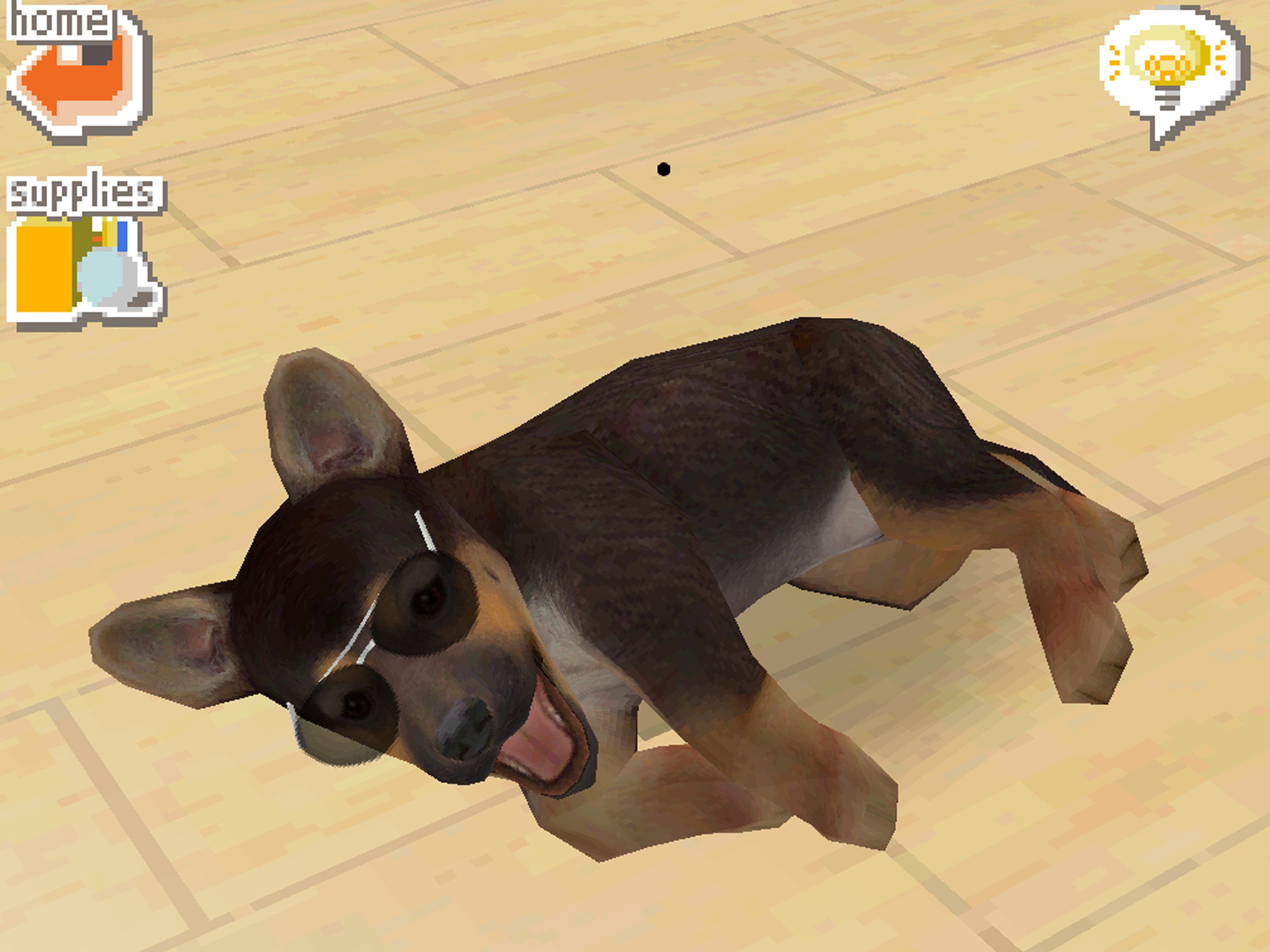
Teaching your Nintendogs tricks is one of the happiest little rituals in the Nintendo DS universe. You tap, you talk, your puppy tilts its head like it has just heard the secrets of the cosmos, and thenif the microphone gods are kindit learns to sit, shake, roll over, or perform something much fancier than most real dogs will ever do without a snack the size of a sandwich.
But while Nintendogs looks simple on the surface, trick training has its own rhythm. It is not just “say sit until the dog obeys.” The game uses a mix of stylus movement, voice recognition, repetition, affection, and timing. To get consistent results, you need to understand how the trick system works, how your puppy reacts, and why sometimes it seems to confuse “spin” with “stare at you like you owe it rent.”
This guide explains how to teach your Nintendogs tricks step by step, how to fix common training problems, how to prepare for obedience trials, and how to build a routine that makes your virtual puppy respond like a champion instead of a fluffy potato with selective hearing.
Understanding How Trick Training Works in Nintendogs
In Nintendogs, tricks are taught through two main actions: making your dog perform a movement with the stylus, then assigning a voice command through the microphone. The game does not magically understand dog training language. It listens for consistent sounds. That means your command can be “sit,” “sit down,” “banana chair,” or “tiny boss mode,” as long as you say it the same way every time.
When your puppy performs the correct movement, a light bulb icon appears. Tap that icon, speak your command clearly, and wait for the game to register it. If your puppy understands the association after enough successful repeats, the trick becomes part of its memory. From that point forward, you can call your puppy, say the command, and watch it performassuming it is not distracted, confused, tired, or being emotionally dramatic in the way only Nintendogs puppies can be.
Before You Start: Set Up a Good Training Session
Choose a Quiet Place
The Nintendo DS microphone is charming, but it is not exactly a modern studio microphone. Background noise can interfere with recognition. Train in a quiet room and avoid music, fans, loud conversations, or a TV playing in the background. If your dog keeps showing question marks, the game may not be hearing you clearly.
Use the Same Voice Every Time
Nintendogs rewards consistency. Say each command in the same tone, speed, and volume. Do not teach “roll over” in a calm voice and then shout it later like you are announcing a monster truck rally. Your puppy may treat that as a completely different sound.
Keep Commands Short but Distinct
One-word commands are easy to remember, but they can sometimes sound too similar. For example, “sit” and “spin” both begin with a similar sound. To avoid confusion, use two-word commands such as “sit down,” “do spin,” or “paw up.” The goal is not to impress an English teacher; the goal is to help the game recognize your voice reliably.
How to Teach Your First Trick
The first tricks are usually simple movements like sit, shake, and lie down. These build the foundation for more advanced tricks later. Think of them as puppy kindergarten, but with fewer crayons and more nose boops.
Step 1: Call Your Puppy
Tap or call your puppy so it comes close and faces you. Training is easier when your dog is centered on the screen and paying attention. If it is wandering around, playing, or ignoring you with Oscar-worthy commitment, wait until it settles.
Step 2: Use the Stylus to Trigger the Action
Each trick begins with a movement. For sit, you generally guide your dog with the stylus so it moves from standing to sitting. For paw tricks, your puppy usually needs to be sitting first, then you touch or lift the correct paw. For spin, you guide movement in a circular pattern. The exact gesture depends on the trick, but the logic is always the same: make the dog do the action first, then name it.
Step 3: Tap the Light Bulb
When the dog performs a trick correctly, the light bulb icon appears. This is your golden moment. Tap it and speak your command clearly into the microphone. Do not rush. The command should sound natural, steady, and repeatable.
Step 4: Repeat Until the Trick Is Learned
Your puppy will not always memorize the trick after one attempt. Repeat the process several times: perform the action, tap the light bulb, say the command. If the game confirms that the dog learned it, celebrate like a proud trainer. If not, keep practicing in short sessions.
Essential Beginner Tricks to Teach First
Sit
Sit is one of the most useful beginner tricks because several other tricks start from a sitting position. Train this early and practice it often. A reliable sit makes shake, paw, beg, and other tricks much easier.
Shake or Paw
Once your puppy can sit, teach it to lift a paw. Some players use “shake,” while others use “right paw” or “left paw.” Choose a command that sounds different from your other commands. Paw tricks are useful in obedience routines and help build your dog’s responsiveness.
Lie Down
Lie down is another core trick. It can lead into roll over, play dead, and other advanced moves. Make sure your puppy is lying flat on its stomach when teaching this trick, not rolling onto its side by accident.
Roll Over
Roll over usually comes after lie down. It can take more patience because your puppy must move through a more complex animation. Practice slowly and reward success. If your dog keeps doing the wrong thing, return to lie down and rebuild from there.
Spin
Spin is fun, flashy, and useful for freestyle obedience performances. Guide your puppy into turning, then assign a clear command. Avoid making “spin” sound too close to “sit.” If needed, use a phrase like “circle around.”
Advanced Tricks and Trick Chains
After your dog learns the basics, you can start experimenting with more advanced tricks. These may include beg, sneeze, howl, play dead, handstand, jump, or combinations that look like tiny dog choreography. Advanced tricks are not just for bragging rights. They can help in obedience trials, especially during freestyle sections where difficult tricks may improve your performance.
The trick to advanced training is sequencing. Many impressive tricks are built from simple positions. For example, sit may lead into beg. Lie down may lead into roll over. Roll over and spin may become part of a more complicated routine. Do not rush straight into advanced tricks if your puppy barely remembers sit. That is like asking someone to do gymnastics before they can tie their shoes.
How to Improve Voice Command Accuracy
Avoid Similar-Sounding Commands
If your commands sound alike, your dog may perform the wrong trick. “Sit,” “spin,” and “shake” can blend together if spoken quickly. Use clearer phrases: “sit down,” “do a spin,” and “give paw.” The more distinct the sound pattern, the better.
Speak Naturally, Not Dramatically
It is tempting to talk to your Nintendog like a cartoon character auditioning for Broadway. Resist the urge. Use a normal voice and repeat the command the same way each time. The microphone is listening for consistency, not emotional range.
Hold the DS at a Steady Distance
Do not whisper from across the room or speak with your mouth directly on the microphone. Hold the system comfortably and speak clearly. A steady distance helps the game recognize your command more reliably.
What to Do When Your Dog Gets Confused
Confusion is normal. Sometimes your puppy will show question marks, perform the wrong move, or ignore the command completely. This does not mean your dog is doomed to a career of professional carpet sniffing. It usually means one of three things: the command was unclear, the trick was not practiced enough, or two commands sound too similar.
If the problem happens once, simply try again. If it happens repeatedly, slow down. Practice the trick manually with the stylus, then repeat the voice command carefully. If your dog has learned a command badly or you forgot exactly how you said it, use the trick management screen to delete the trick and teach it again. This is especially useful if younger-you taught “roll over” as a weird squeaky noise and present-you cannot reproduce it without alarming the neighbors.
Using Treats and Affection Wisely
Nintendogs is not only about commands. Your puppy responds better when it is happy, cared for, and comfortable around you. Petting, brushing, walking, feeding, and playing all contribute to a better training relationship. Treats can also reinforce good behavior, especially after successful tricks.
Do not rely on treats every single second, though. Use them as rewards after good performances, not as a replacement for repetition. A balanced routine works best: practice a trick, praise the dog, give an occasional treat, then move on before the session becomes boring.
Preparing for Obedience Trials
Obedience trials are where your trick training gets tested. These competitions ask your dog to perform required tricks within a time limit. Some rounds may also require your puppy to hold a pose, which means it must not only perform the trick but stay in position long enough to satisfy the judge.
Before entering, check which tricks are required for the class you want to compete in. Beginner classes focus on basic commands, while higher levels demand more advanced tricks and better response speed. If your puppy does not know the required tricks, it may not be eligible for that level.
Practice the required tricks in short, focused sessions. Do not train every trick randomly and hope for the best. If the trial needs sit, shake, and lie down, drill those until your dog responds quickly. Once your puppy is reliable, add freestyle tricks for extra style. A clean performance is better than an ambitious disaster. Nobody wants to watch a digital puppy forget everything and stare into the void.
How Long Should Training Sessions Be?
Short sessions are usually better than marathon sessions. Five to ten minutes of focused training can be more effective than repeating the same command endlessly. If your puppy stops responding well, take a break. Play with a toy, go for a walk, groom it, or return later.
Nintendogs is designed around daily interaction. A little practice each day helps your puppy become more reliable. Repetition matters, but so does patience. Treat the process like building a habit instead of speed-running a dog academy.
Common Mistakes to Avoid
Teaching Too Many Tricks at Once
Do not overload your puppy with several new commands in one session. Focus on one or two tricks until they are solid. Too many similar commands can create confusion.
Changing the Command After Teaching It
If you taught the command as “sit down,” do not later say “sit please” and expect instant success. The game recognizes the learned sound pattern. Keep it consistent.
Ignoring Care Needs
A neglected puppy may not perform as well. Feed it, give it water, groom it, and spend time playing. A clean, happy dog is easier to train and better prepared for competitions.
Practicing Only the Flashy Tricks
Advanced tricks are fun, but basics win consistency. Sit, lie down, shake, and roll over are the foundation. Keep practicing them even after your puppy learns fancier moves.
Best Training Routine for Nintendogs Tricks
A strong routine begins with care. Feed your puppy if needed, give it water, and make sure it looks clean. Then call it close and practice one familiar trick as a warm-up. This helps confirm that the microphone and your voice command are working properly.
Next, practice the new trick you want to teach. Repeat the stylus movement, tap the light bulb, say the command, and reward successful attempts. After several repetitions, test the command without manually triggering the action. If your puppy responds, praise it. If not, return to the teaching steps.
Finish with a trick your dog already knows well. Ending on success keeps the session positive and makes you feel like a genius trainer instead of someone negotiating with a pixelated furball.
Extra Experiences and Practical Tips for Teaching Nintendogs Tricks
One of the funniest things about teaching tricks in Nintendogs is realizing that the game is part pet simulator and part voice-recognition comedy show. You may start with elegant plans: sit, shake, roll over, obedience trial champion. Ten minutes later, you are hunched over a Nintendo DS repeating “left paw” with the seriousness of a courtroom oath while a tiny beagle blinks at you like you are speaking ancient whale.
The biggest lesson from real gameplay experience is that consistency beats intensity. Players often fail not because the trick is difficult, but because they keep changing how they say the command. Maybe the first recording was “sit down” in a calm voice. The second was “sit DOWN” with extra drama. The third was whispered because someone walked into the room. To the game, those may sound different. Pick one command style and stick to it like it is printed on a training contract.
Another useful habit is keeping a mental list of your commands. If you teach one dog “shake,” another dog “paw,” and a third dog “give me the tiny business handshake,” you may eventually forget what belongs to whom. Nintendogs allows each puppy to have its own personality and training history, so being organized helps. Some players even write down commands, especially for advanced tricks. That may sound excessive until you enter an obedience trial and cannot remember whether “spinny spin” was the command or just something you said once while laughing.
It also helps to train when you are not frustrated. The DS microphone is sensitive enough that your tone matters in practice. If you sound annoyed, rushed, or inconsistent, your puppy may not respond well. Take a break if training stops being fun. Nintendogs is not a tax form. Nobody should suffer while teaching a cartoon Labrador to roll over.
For obedience trials, experience teaches one very clear rule: do not enter just because your dog technically knows the tricks. Practice until the response feels quick and predictable. Trials are timed, and hesitation can cost points. A puppy that performs sit after three attempts might be adorable at home, but in competition, that delay feels like watching a loading screen with ears.
Holding poses is another detail many players overlook. It is not enough for your puppy to lie down for half a second and bounce back up like toast from a toaster. Practice having it stay in position. The more comfortable your dog becomes with a trick, the better it usually performs under pressure.
Finally, remember that Nintendogs is designed to be played gently over time. The charm comes from small daily progress: one better response, one cleaner routine, one new trick that finally clicks. The game rewards patience, attention, and a little silliness. So speak clearly, pet generously, train in short bursts, and enjoy the tiny victory of seeing your puppy understand you. In a world full of complicated games, there is something wonderfully satisfying about a virtual dog learning “sit down” and making you feel like the greatest trainer alive.
Conclusion
Learning how to teach your Nintendogs tricks is all about clear commands, careful stylus movements, repeated practice, and a happy relationship with your puppy. Start with simple tricks like sit, shake, and lie down, then build toward advanced moves and obedience trial routines. Keep your commands distinct, speak consistently, reward good performances, and do not panic when your dog gets confused. Even the best virtual puppies occasionally act like their brain has gone out for a walk without them.
With patience and a smart routine, your Nintendog can become a reliable performer, a strong obedience competitor, and the most talented digital pup on your handheld screen. Train a little every day, keep the mood fun, and remember: in Nintendogs, success is not just about winning trials. It is about bonding with a puppy that somehow makes a few pixels feel like a best friend.
SEO Tags
Note: This article was written in original American English for web publishing and synthesized from real Nintendogs gameplay mechanics, official manual-style information, and established player guide knowledge.