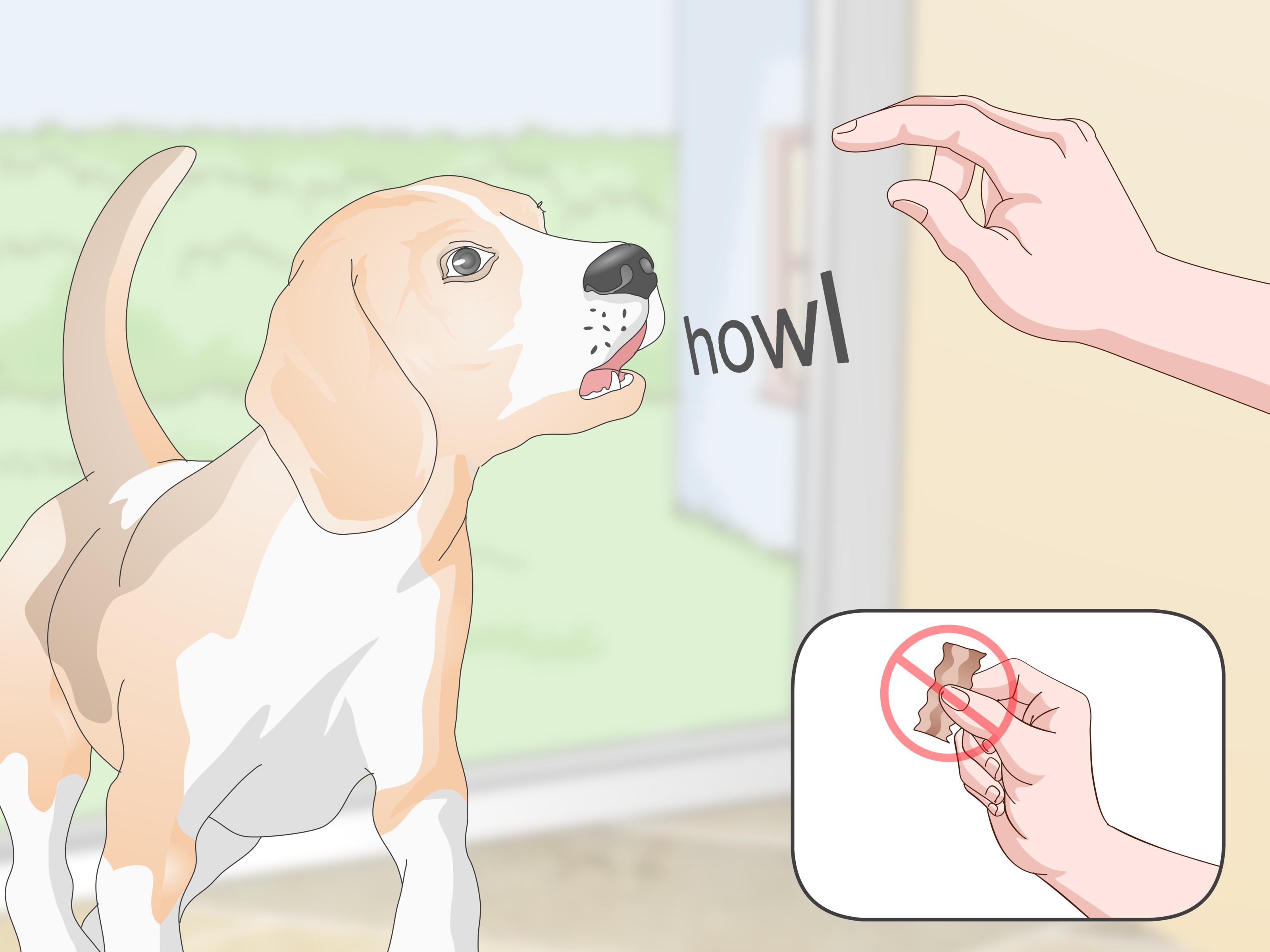
Some dogs howl like tiny opera singers auditioning for Broadway. Others stare at you as if you have asked them to file taxes. If you want to teach your dog to howl on cue, the good news is that many dogs can learn it with patience, positive reinforcement, and a little bit of playful silliness from their human.
Teaching your dog to howl is not about creating a noisy household or turning your living room into a wolf documentary. Done correctly, it is a fun dog trick that builds communication, strengthens your bond, and gives your dog a clear cue for when vocalizing is welcome. The key is to make the behavior voluntary, rewarding, and controlled. That means no shouting, no punishment, no forcing, and definitely no confusing your dog into thinking every passing ambulance is now a family sing-along.
This guide explains how to teach your dog to howl in 8 steps using reward-based dog training methods. You will learn how to find your dog’s natural howl triggers, mark the behavior, add a cue, teach a quiet command, troubleshoot common issues, and keep the whole process safe, respectful, and neighbor-friendly.
Why Do Dogs Howl?
Before teaching a dog to howl, it helps to understand why dogs howl in the first place. Howling is a natural canine vocalization. Some dogs howl to communicate, respond to high-pitched sounds, seek attention, express excitement, or signal stress. Breeds with strong vocal tendencies, such as Siberian Huskies, Alaskan Malamutes, Beagles, Bloodhounds, and some hound mixes, may be more likely to join the “household choir.” Other dogs may rarely howl at all, even if you perform your best wolf impression in the hallway.
Common howl triggers include sirens, musical instruments, singing, other dogs howling, squeaky toys, doorbells, or exciting routines such as preparing for a walk. However, not all howling is playful. Sudden, excessive, or distressed howling can be linked to anxiety, pain, separation-related stress, or other health and behavior concerns. If your dog’s howling appears new, frantic, constant, or paired with pacing, hiding, destruction, appetite changes, or signs of discomfort, contact your veterinarian before treating it as a training opportunity.
Can Every Dog Learn to Howl on Command?
Many dogs can learn to howl on command, but not every dog will want to. Some dogs are naturally quiet. Some bark more easily than they howl. Some look at you during training with the same energy as a bored teenager in math class. That is normal.
The goal is not to force a sound out of your dog. The goal is to capture a behavior your dog is comfortable offering and then place that behavior on cue. If your dog never howls, you can still teach other fun vocal tricks such as “speak,” “whisper,” or a playful grumble. Training should fit the dog in front of you, not the imaginary movie-wolf version living rent-free in your head.
What You Need Before You Start
Gather a few simple tools before your first training session. You will need small, tasty treats, a clicker or a marker word such as “yes,” a quiet space with few distractions, and one or two possible howl triggers. A trigger might be your own singing, a harmonica, a piano note, a recording of dogs howling, or a sound your dog already responds to calmly.
Keep sessions short. Five minutes is plenty for most dogs, especially when learning a new trick. You want your dog to think, “That was fun!” not “Why has my human become a weird snack-dispensing siren?”
How to Teach Your Dog to Howl: 8 Steps
Step 1: Choose a Calm Training Environment
Start in a familiar room where your dog feels safe and relaxed. Avoid busy areas, loud background noise, or moments when your dog is already wound up. A calm dog can think more clearly, and clear thinking makes learning faster.
Sit or stand near your dog with treats ready. Do not wave treats in front of your dog’s nose the entire time. That can lead to begging, jumping, or treat hypnosis. Instead, keep the rewards nearby and bring them out immediately after the behavior you want.
Step 2: Find Your Dog’s Natural Howl Trigger
Next, experiment gently with sounds that may encourage your dog to howl. Try humming, singing a long note, playing a soft musical tone, or quietly playing a short clip of another dog howling. Keep the volume comfortable. Your dog’s hearing is sensitive, and the goal is curiosity, not alarm.
Watch your dog’s body language closely. A loose body, wagging tail, soft face, and alert expression are good signs. If your dog backs away, tucks their tail, hides, yawns repeatedly, licks their lips, or appears worried, stop and try a different approach later. Training a howl should feel like a game, not a haunted-house sound test.
Step 3: Mark the Moment Your Dog Makes a Howl-Like Sound
The first sound may not be a perfect howl. It might be a tiny “woo,” a squeak, a half-bark, or a dramatic sigh that suggests your dog has opinions about your singing. Reward the first small attempts. This is called shaping: you reinforce small steps that move toward the final behavior.
The instant your dog makes a howl-like sound, mark it with a clicker or a cheerful “yes!” Then give a treat. Timing matters. If your marker comes too late, your dog may think they are being rewarded for staring at the ceiling, licking their nose, or judging your musical talent.
Step 4: Reward Repeated Attempts
Once your dog realizes that vocalizing earns a reward, pause and give them a chance to try again. You can repeat the trigger sound softly if needed. Mark and reward each howl-like attempt.
At this stage, do not worry about adding a verbal cue yet. Your dog is still figuring out the game. Think of it like teaching someone to dance before naming the dance move. First comes the behavior. The label comes later.
Step 5: Add a Clear Cue
When your dog starts offering the howl more reliably, add a cue just before the behavior happens. Good cue options include “howl,” “sing,” “talk,” or “woo.” Choose one word and stick with it.
For example, say “sing,” make your gentle trigger sound, wait for your dog to howl, mark the behavior, and reward. Repeat this pattern across several short sessions. Over time, your dog will connect the cue with the action. Eventually, say the cue first and pause. If your dog howls, celebrate with a reward. Congratulations: your dog has just become a very furry vocalist with a contract paid in snacks.
Step 6: Fade the Trigger Sound
After your dog understands the cue, gradually reduce the trigger. If you were singing a long note, make it shorter. If you were using a sound clip, lower the volume or play less of it. The goal is for your dog to respond to your verbal cue rather than needing the original trigger every time.
This step prevents accidental overdependence. You do not want your dog thinking, “I only howl when the human performs opera in the kitchen.” Unless that is your brand, in which case, carry on responsibly.
Step 7: Teach a “Quiet” Cue Too
Any time you teach a dog to vocalize, it is smart to teach a quiet cue as well. After your dog howls, wait for a brief pause. The moment your dog is quiet, mark it with “yes” and reward. Then add a cue such as “quiet,” “enough,” or “all done.”
Practice this pattern: cue the howl, reward it, wait for quiet, cue “quiet,” then reward the silence. This helps your dog understand that both making sound and stopping sound can earn good things. That balance is what keeps a cute trick from becoming a neighborhood newsletter topic.
Step 8: Practice in Short, Fun Sessions
Practice for three to five minutes at a time, a few times per week. End while your dog is still engaged. If your dog gets frustrated, distracted, or too excited, take a break. Learning works best when your dog is comfortable and successful.
Once your dog responds reliably at home, practice in slightly different locations, such as another room or the backyard. Keep expectations realistic. A dog who howls perfectly in the living room may forget everything outdoors when a squirrel appears and starts committing crimes against concentration.
Common Mistakes to Avoid
Do Not Scold Your Dog for Getting It Wrong
Scolding can make dogs anxious, confused, or less willing to participate. If your dog barks instead of howls, simply pause, reset, and reward closer approximations to the sound you want. Training should feel safe and predictable.
Do Not Reward Endless Howling
Reward the howl when you ask for it, then reward quiet afterward. If your dog starts howling at you for attention outside training, avoid giving immediate attention, food, or play for that demand behavior. Instead, wait for quiet and reward calm behavior.
Do Not Use Scary or Painfully Loud Sounds
Never blast sirens, alarms, or harsh noises to force a howl. Loud or startling sounds can create fear and noise sensitivity. Use gentle, controlled sounds and stop if your dog seems uncomfortable.
Do Not Train When Your Dog Is Overexcited
A dog who is already bouncing around like a tennis ball with paws may struggle to learn. Choose a time after a walk, play session, or potty break, when your dog is alert but not bursting with chaos confetti.
Troubleshooting: What If Your Dog Will Not Howl?
If your dog will not howl, first lower your expectations. Some dogs simply are not howlers. Try different gentle triggers: a long “oooo” sound, a harmonica, a squeaky toy, soft piano notes, or a video of dogs howling at low volume. Watch for any tiny vocal attempt and reward it.
If your dog barks instead, you can teach “speak” first and later shape a longer, more drawn-out sound. Reward slightly longer vocalizations while ignoring short barks during the training game. Be patient. You are not ordering a howl from a vending machine; you are building a behavior through communication.
If your dog becomes too excited, switch to easier behaviors such as sit, touch, or down, then end the session. If your dog appears stressed, stop immediately and choose a different trick. A happy dog is more important than a dramatic howl.
When Howling Is Not Just a Trick
Howling can be normal, but it can also signal a problem. If your dog howls mostly when left alone, it may be related to separation distress. If the howling starts suddenly, happens at night, or appears with restlessness, sensitivity, limping, appetite changes, or unusual behavior, talk to a veterinarian.
Training is wonderful, but it is not a substitute for medical care or professional behavior help. A certified professional dog trainer, veterinary behaviorist, or qualified behavior consultant can help when howling is connected to anxiety, fear, or household stress.
How to Make the Howl Cue More Reliable
Once your dog understands the cue, reward only the best responses. At first, reward every howl. Later, reward clearer, calmer, or quicker howls. This improves quality without making the training session confusing.
You can also use real-life rewards. For example, after your dog howls on cue and then responds to “quiet,” you might reward with a treat, a toy, praise, or a short play session. Variety keeps training interesting.
Remember to practice the quiet cue just as often as the howl cue. A reliable “quiet” is what makes this trick practical. Teaching only the howl is like teaching your dog to open the refrigerator but not close it. Technically impressive, but risky.
Safety and Etiquette Tips
Use your dog’s howl trick respectfully. Avoid asking for howls late at night, in apartments with thin walls, around sleeping babies, or during stressful situations. Keep sessions short and cheerful.
If you live with other pets, watch their reactions. Some dogs get excited when another dog howls. Some cats file emotional complaints from across the room. Train in a separate space if needed.
Most importantly, do not turn howling into a constant attention game. Ask for the trick, reward it, cue quiet, and move on. Clear boundaries help your dog understand when vocalizing is invited and when calm behavior pays better.
Real-Life Experiences: What Teaching a Dog to Howl Often Looks Like
In real life, teaching a dog to howl rarely looks as smooth as a polished training video. One dog may howl on day one after hearing a harmonica. Another may need two weeks just to offer a confused little “woo.” A third may refuse to howl but will happily bark, spin, bow, and look deeply proud of being completely off assignment.
A common experience is discovering that your dog’s best trigger is not the one you expected. Many owners start with dog-howling videos, only to find that their dog ignores them. Then someone in the family sings a long note while making dinner, and the dog suddenly joins in like a backup singer who has been waiting for their big break. That is why observation matters. Your dog will often tell you what works if you pay attention.
Another common lesson is that timing makes or breaks the trick. If you mark the behavior too late, your dog may repeat the wrong thing. For example, a dog might howl, then jump, then get the treat. If the marker comes after the jump, the dog may think jumping is the paid performance. The cleaner your timing, the faster your dog understands.
Owners also learn quickly that teaching “quiet” is not optional. At first, the new howl trick is adorable. Everyone laughs. The dog gets treats. The dog feels like a genius. Then the dog tries howling during a work call, while the doorbell rings, or at 6:12 a.m. on a Saturday. That is when the quiet cue becomes your best friend. Rewarding silence after the howl teaches emotional control and keeps the trick from taking over daily life.
Some dogs become more confident through vocal tricks. A shy dog who is comfortable making a soft “woo” may enjoy the attention and praise that follow. For these dogs, the training should stay gentle and low-pressure. Big reactions from humans can sometimes be overwhelming, so calm praise and small treats may work better than cheering like your dog just won a national talent show.
Other dogs get too enthusiastic. These dogs may begin offering howls before you ask. If that happens, reduce the excitement level. Reward only cued howls, reward quiet behavior generously, and practice calm skills between vocal repetitions. A simple pattern works well: sit, howl, quiet, treat, relax. This gives structure to the fun.
Many owners find that the best progress comes from ending sessions early. When your dog gives one or two good howls, stop there. A short successful session beats a long messy one. Dogs remember patterns, and ending on success helps them return to the next session ready to try again.
The funniest part of teaching a dog to howl is that humans usually end up acting far stranger than the dog. You may find yourself singing at odd pitches, making wolf noises in the laundry room, or celebrating a tiny squeak as if it were a Grammy-winning performance. That is part of the charm. Good dog training is clear and consistent, but it can also be joyful. When your dog learns to howl on cue, you are not just teaching a trick. You are building a shared languageone slightly dramatic “awoo” at a time.
Conclusion
Teaching your dog to howl can be a fun, bond-building trick when it is done with patience, positive reinforcement, and respect for your dog’s comfort. Start by finding a gentle trigger, reward small vocal attempts, add a cue, fade the trigger, and always teach a quiet cue alongside the howl. Keep sessions short, avoid punishment, and pay attention to signs of stress or discomfort.
Not every dog will become a howling superstar, and that is perfectly fine. The best training is not about forcing your dog to perform. It is about communication, trust, and having a little fun together. If your dog decides to become the next great canine vocalist, wonderful. If not, they are still a very good dogwith or without the soundtrack.