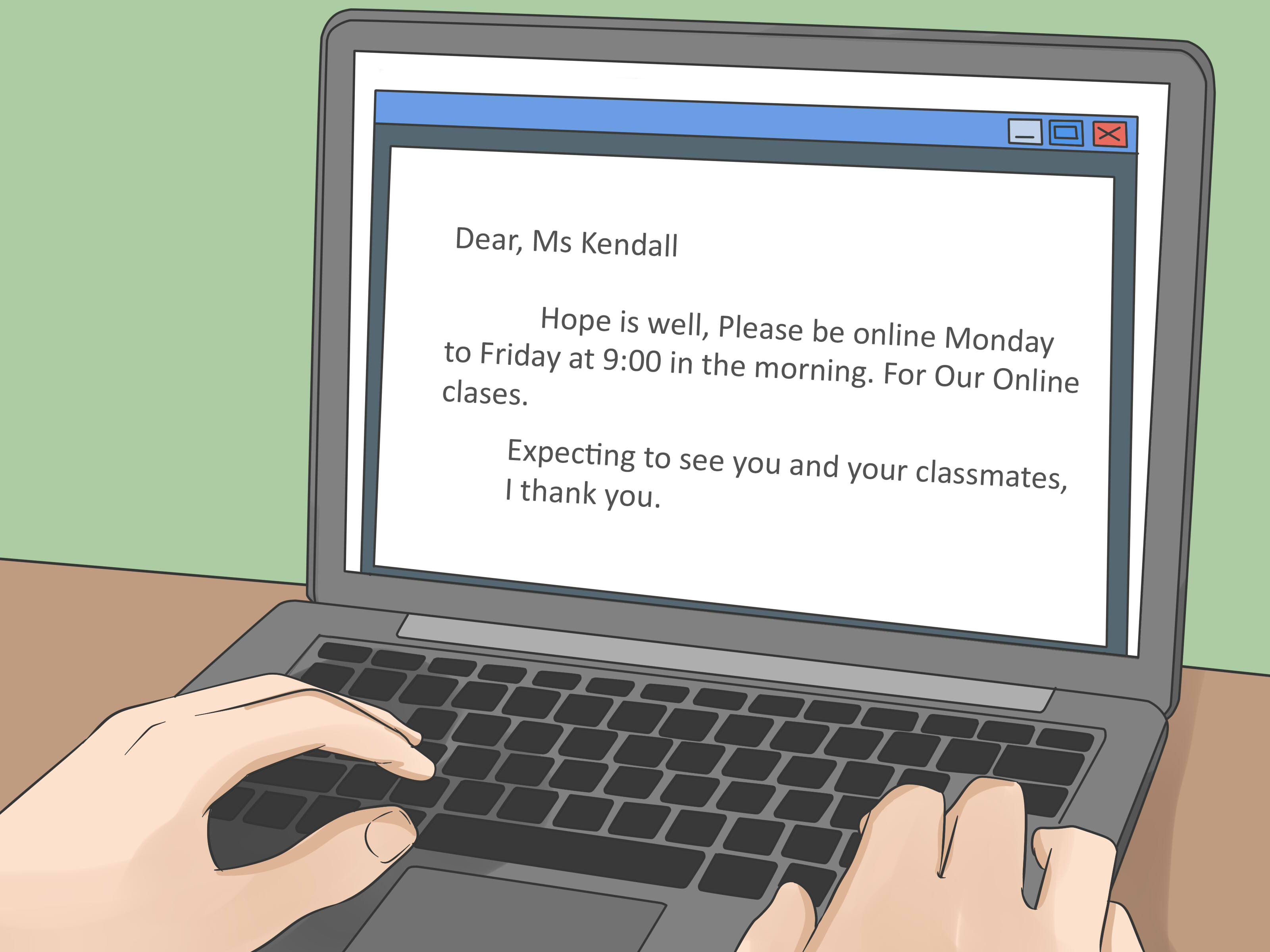
Teaching a course looks glamorous from a distance. You picture lively discussions, brilliant student insights, and maybe one perfectly timed joke that lands so well it deserves tenure. Then reality arrives wearing three hats at once: syllabus architect, tech support specialist, and professional answerer of emails that begin with, “Just a quick question…”
If you want to prepare to teach a course well, the secret is not to create more chaos with prettier folders. It is to build the course backward, clearly, and humanely. Great course preparation starts before the first class meeting. It begins with learning outcomes, realistic workload, smart assessments, accessible materials, clear policies, and a plan for what students will actually do when they enter the room or log in online.
This guide walks through 15 practical steps to prepare to teach a course, whether you are teaching in person, online, or somewhere in the educational middle ground where half the class is present and the other half is represented by muted black rectangles. Use these steps as a course prep checklist, a teaching roadmap, and a sanity-saving system that will help you start strong and stay steady.
1. Start with the big picture
Before you touch slides, assignments, or discussion prompts, figure out what this course is supposed to do. Is it an introductory survey? A writing-intensive seminar? A skills-based lab? A capstone that asks students to apply everything they know without collectively catching fire?
Defining the course purpose helps you avoid stuffing it with every interesting idea you have ever loved. A course is not a garage sale of your expertise. It is a structured learning experience with a destination.
2. Write clear learning outcomes
Strong course preparation depends on specific, measurable learning outcomes. In plain English, what should students know, do, analyze, create, or evaluate by the end of the course?
Instead of writing “students will understand marketing,” write “students will analyze a target audience, compare campaign strategies, and justify marketing decisions using evidence.” That version tells students where they are going and helps you design assessments that actually match the destination.
3. Use backward design, not hopeful guesswork
One of the best ways to prepare to teach a new course is to use backward design. Start with outcomes, decide what evidence would prove students achieved them, and only then choose activities, lectures, readings, and assignments.
This matters because many courses accidentally work in reverse. Instructors build fifteen lectures, add two papers, toss in a quiz, and hope the pieces align. Sometimes they do. Sometimes the final exam tests skills that were barely practiced all semester. Backward design keeps your course from becoming an educational scavenger hunt.
4. Learn who your students are likely to be
A brilliant course on paper can flop if it ignores the learners in front of you. Think about their prior knowledge, likely challenges, reasons for taking the course, and common misconceptions. Are they first-year students? Working adults? Majors who already know the basics? Nonmajors who enrolled because the other section was full?
Knowing your audience helps you set the right level of difficulty, explain jargon, build support, and choose examples that connect. A statistics course for future nurses should not feel like a statistics course for bored robots. Context matters.
5. Build a course map for the whole term
Create a week-by-week outline before the semester begins. Include topics, readings, assessments, activities, and major deadlines. This course map helps you see whether the pacing is realistic and whether the learning sequence makes sense.
For example, if students are expected to complete a research proposal in week four, ask yourself whether they have already practiced topic selection, source evaluation, and argument framing. If not, you do not have a student problem. You have a timeline problem.
6. Design assessments that actually fit your goals
Your assessments should reflect what students are supposed to learn. If one outcome is “lead evidence-based discussion,” a multiple-choice test alone will not capture that well. If another outcome is “solve quantitative problems accurately,” then a polished reflection essay is not enough.
Mixing assessment types usually works better than relying on one giant, nerve-wracking grade event. Quizzes, short reflections, discussions, drafts, presentations, case analyses, labs, and projects can all play a role. This also gives students multiple ways to demonstrate learning, which is fairer and often more motivating.
7. Create rubrics before students need them
Write grading criteria early, not the night before the first essay is due while muttering at your coffee. Rubrics make expectations clearer for students and grading more consistent for you.
A good rubric does not need to read like a legal contract. It just needs to define the criteria, describe quality levels, and show what strong performance looks like. Students benefit because they understand what counts. You benefit because you do not have to reinvent your standards while grading paper number twenty-three.
8. Write a syllabus that is clear, useful, and human
Your syllabus is more than a calendar taped to a policy sheet. It is the first real impression students get of your course. A strong syllabus explains what the course is about, what students will learn, how they will be assessed, what materials they need, and how to succeed.
Use welcoming language without becoming vague. Be clear about grading, attendance, participation, late work, communication, and office hours. If your syllabus reads like a threat wrapped in bullet points, students may spend the semester trying not to trigger a trapdoor. Aim for clarity, structure, and a tone that communicates high standards with real support.
9. Decide your policies before the semester gets weird
And the semester will get weird. Someone will have tech issues. Someone will get sick. Someone will submit a file named “finalfinal2REAL.docx.” Clear policies help you respond consistently instead of improvising under pressure.
Think through attendance, participation, extensions, make-up work, group work, technology use, academic integrity, and generative AI. Your policies should fit your course goals and workload. They should also be understandable enough that students do not need an interpreter and a detective board to figure them out.
10. Plan for accessibility from the start
Do not treat accessibility as a last-minute add-on. Build it into course preparation from day one. That means using readable documents, clear headings, accessible PDFs, captions for videos, descriptive links, alt text for important images, and flexible ways for students to engage with content when appropriate.
Inclusive course design helps everyone, not just students with formal accommodations. A well-organized course site, captioned videos, and clearly structured materials reduce confusion for busy students, multilingual learners, students using mobile devices, and students who are simply juggling a lot of life outside class.
11. Choose teaching strategies that make students do the learning
Lecture has a place. So do discussion, problem-solving, case work, peer review, polling, short writes, and think-pair-share. When preparing to teach a course, ask yourself what students will actually do to practice the knowledge and skills you want them to gain.
If you teach writing, students need time to draft, revise, and reflect. If you teach biology, students need to interpret data and apply concepts. If you teach history, students should work with evidence, perspective, and argument. The more closely your activities mirror your learning outcomes, the stronger the course becomes.
12. Plan each class session with intention
Once the full course is mapped, zoom in on individual class meetings. A useful lesson plan answers three questions: What should students learn today? What will they do to get there? How will I know whether it worked?
You do not need a theatrical script for every minute, but you do need a structure. Open with a purpose. Build in activity. Check understanding. End with a takeaway or transition. The best class sessions feel purposeful, not improvised like a cooking show where the host just discovered the oven is off.
13. Set up your course site and materials early
Your learning management system should help students, not send them on an archaeological expedition. Organize modules clearly. Post readings, deadlines, instructions, grading criteria, and contact information where students can find them without summoning a map and compass.
It also helps to prepare key materials in advance: the first two weeks of slides, discussion prompts, assignment sheets, announcement templates, and gradebook categories. Early organization reduces stress and gives you more space to adapt once real students begin asking real questions.
14. Prepare the first day like it matters, because it does
The first class meeting sets the tone for everything that follows. It is not just a time to read the syllabus out loud while students pretend to write things down. It is your chance to show students what kind of learning environment this will be.
Introduce the course goals, explain what students will do, share how to succeed, and let them engage with the material right away. A brief activity, reflection, poll, or discussion can establish that this is a course where students participate, think, and belong. Students often decide very quickly whether a course feels organized, fair, and worth their effort.
15. Prepare yourself, not just the content
Course preparation is also about the instructor. Rehearse tricky explanations. Review examples. Anticipate where students may struggle. Decide how you will handle common issues like silence in discussion, late work, confusing instructions, or a class that stares back at you like a jury.
It is also smart to plan your own workflow. Block time for grading. Decide when you will answer emails. Set boundaries that are sustainable. Teaching a course is not just an intellectual task. It is a time-management task, a communication task, and occasionally a patience marathon.
A simple course prep checklist
- Define the course purpose
- Write measurable learning outcomes
- Align assessments with outcomes
- Map the course week by week
- Build accessible, organized materials
- Write a student-centered syllabus
- Create rubrics and grading criteria
- Set clear course policies
- Plan active learning strategies
- Design the first day intentionally
- Set up the LMS clearly
- Prepare your own teaching workflow
Common mistakes to avoid when preparing to teach a course
Trying to cover too much
Ambitious courses often become rushed courses. It is better for students to learn fewer things well than to sprint through content like tourists in an airport terminal.
Using assessments that do not match the learning goals
If students are graded mainly on recall but the course claims to emphasize analysis, the course sends mixed signals. Alignment matters.
Leaving policies until problems appear
That strategy feels flexible until you are making six inconsistent decisions in one stressful week. Write your policies early.
Ignoring workload
Students notice when every class assigns “just a short reading” and the total equals a mountain. Instructors notice when every assignment requires pages of feedback. Realistic workload helps everyone.
Experience-based advice: what instructors often learn the hard way
Here is the part many teaching guides hint at politely: the first version of a course is rarely the final version of a good course. Even very strong instructors adjust, trim, reorder, and rewrite after they meet actual students. That is not failure. That is course design doing its job in the real world.
Many instructors discover that the course they imagined and the course students can realistically complete are not identical twins. A weekly reading response sounds manageable until you teach students who also work part-time, care for family, commute long distances, or take four other demanding classes. Suddenly, “light weekly reflection” becomes “the straw that broke the semester’s back.” Experience teaches you to be ambitious about learning and realistic about human energy.
Another common lesson is that directions that seem crystal clear in your head may arrive in students’ minds as fog. You may think your assignment prompt is elegant and concise. Students may read it like a riddle left by a mischievous wizard. Experienced instructors learn to test instructions: add examples, define terms, show models, and explain what success looks like. Clarity is not spoon-feeding. It is respect.
Then there is classroom timing, a humbling art form. A discussion you expected to fill twenty minutes wraps up in six. A short activity suddenly eats half the class because students have thoughtful questions or because nobody can find the handout you definitely uploaded somewhere. Over time, instructors get better at planning less, prioritizing more, and carrying a backup activity the way careful travelers carry an umbrella.
Experience also teaches the value of emotional tone. Students work harder in courses where expectations are clear and the instructor seems both competent and approachable. That does not mean being everyone’s best friend. It means communicating that the course is structured, the standards are real, and support is available. A calm, organized tone can lower anxiety without lowering rigor.
Perhaps the biggest lesson is this: preparing to teach a course is not about creating a flawless performance. It is about building a learning environment sturdy enough to handle real people, real questions, and real surprises. The course should guide students, but it should also leave room for revision, reflection, and improvement. The best instructors are not the ones who never adjust. They are the ones who notice what is happening, learn from it, and make the course better the next time around.
Final thoughts
If you are wondering how to prepare to teach a course, start with structure, alignment, and empathy. Know what students should learn. Design assessments that match those goals. Build clear materials, fair policies, and meaningful activities. Keep the course organized, accessible, and realistic. Then prepare yourself to teach the humans in front of you, not the imaginary perfect class living in your planning spreadsheet.
A well-prepared course does not guarantee a perfect semester. It does give you something better: a course that makes sense, supports learning, and can survive unexpected twists without collapsing into educational spaghetti. And that, in teaching terms, is a very beautiful thing.