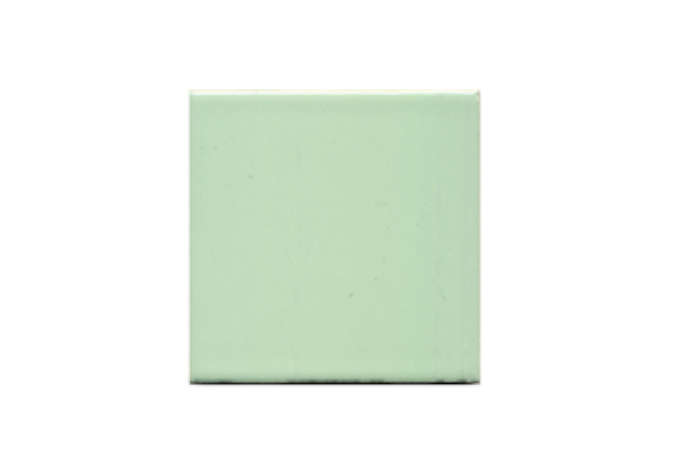
Green 40 W Mid-Century Tile sounds like the name of a secret paint chip discovered in a 1956 ranch house, tucked behind a medicine cabinet with a comb, a razor slot, and one suspiciously optimistic wallpaper sample. In reality, it represents something far more useful for design lovers: a historically inspired green ceramic tile associated with mid-century bathrooms, kitchens, and restoration projects. It is the kind of color that can make a small bathroom feel cheerful, a backsplash feel intentional, and a vintage home feel like it finally stopped wearing someone else’s renovation.
Mid-century tile has returned because homeowners are tired of spaces that look like every other “safe gray” remodel on the internet. Green 40 W sits in that sweet spot between nostalgic and livable. It is not neon. It is not forest-lodge dark. It is a period-friendly green that works beautifully with white fixtures, chrome details, wood cabinets, terrazzo floors, black trim, and creamy neutrals. Whether you are restoring a 1940s bathroom, giving a kitchen backsplash a retro wink, or designing a new space with old-house personality, green mid-century tile offers color without chaos.
What Is Green 40 W Mid-Century Tile?
Green 40 W Mid-Century Tile is best understood as a vintage-style ceramic wall tile color connected to reproduction tile collections that match shades used from the 1920s through the 1950s. It has been described as an exact match for many bathroom colors from that era, which makes it especially appealing for homeowners who want to repair, expand, or recreate historic tilework instead of replacing everything with something trendy and forgettable.
The “40 W” part is a product/color identifier rather than a measurement of wattage or width. That matters because shoppers sometimes mistake it for a size. The charm of this tile is not that it is forty inches wide; it is that the green tone belongs to a very specific design language: optimistic, clean, practical, and just playful enough to make your bathroom feel like it has a personality.
Why Green Tile Was a Mid-Century Favorite
Mid-century homes embraced color with confidence. Bathrooms and kitchens from the period often featured pink, yellow, aqua, cobalt, maroon, mint, jade, and soft green tiles. These colors were not random. They reflected the postwar love of bright interiors, hygienic surfaces, modern convenience, and cheerful domestic design. Tile was durable, easy to clean, and available in colors that made even a modest bathroom feel custom.
Green was especially popular because it balanced freshness and calm. In a bathroom, green suggested cleanliness without feeling clinical. In a kitchen, it worked with wood tones, chrome appliances, laminate counters, and patterned floors. A green mid-century tile could be paired with white field tile for a crisp look, black accents for drama, or yellow and aqua for a more playful retro palette. Basically, green knew how to get along with everyone at the design party.
Where Green 40 W Mid-Century Tile Works Best
Vintage Bathrooms
The most natural home for Green 40 W Mid-Century Tile is the bathroom. A classic installation might include green field tile on the lower wall, white tile above, and matching bullnose trim to finish the edges. This type of wainscoting gives the room structure while protecting walls from moisture and splashes. It also looks fantastic with a white pedestal sink, chrome faucet, round mirror, and simple globe light fixture.
For a bolder bathroom, green tile can wrap around the tub or shower area. If the room is small, using green on one feature wall or as a border can keep the color from overwhelming the space. If the room has good natural light, full-height green shower tile can look rich, historic, and surprisingly modern.
Kitchen Backsplashes
A green mid-century kitchen backsplash is a clever way to add character without remodeling the entire kitchen. It works beautifully with walnut cabinets, white counters, butcher block, terrazzo-look surfaces, and stainless or retro-style appliances. A square tile layout feels more historically accurate than a trendy oversized slab, while a stacked pattern keeps the look neat and architectural.
If the kitchen already has a lot going on, such as open shelving, patterned flooring, or colorful appliances, use Green 40 W as a controlled accent. If the cabinetry is simple, the tile can become the star. Think of it as the design equivalent of putting on a great pair of glasses: suddenly everything looks more intentional.
Fireplace Surrounds
Mid-century tile is also a strong choice for fireplace surrounds, especially in living rooms with wood paneling, brick, low-slung furniture, or exposed beams. Green tile around a fireplace can soften the heaviness of brick and add a handmade feel. For safety and performance, fireplace tile projects should use appropriate heat-rated materials and installation methods, but visually, green ceramic tile can create a wonderful focal point.
Design Pairings That Make Green 40 W Shine
White Fixtures and Chrome Hardware
Nothing makes green mid-century tile look cleaner than white plumbing fixtures and chrome hardware. The combination feels period-correct and timeless. A white tub, white sink, chrome faucet, and green tile wall can look crisp without becoming sterile. The green brings warmth; the white brings clarity; the chrome brings that shiny mid-century “we just invented the future” energy.
Warm Wood Cabinets
Green and wood are natural friends. Walnut, teak, oak, and birch tones all pair well with green tile because they echo the organic materials often used in mid-century modern interiors. In a kitchen, green tile can prevent wood cabinetry from looking too heavy. In a bathroom, a wood vanity can keep green tile from feeling too retro or too sweet.
Black Accents
For a sharper look, pair Green 40 W Mid-Century Tile with black trim, black-framed mirrors, or matte black lighting. This gives the color a contemporary edge while preserving the vintage mood. Use black carefully, though. A little black is tailored; too much can make a cheerful green bathroom feel like it joined a jazz club and forgot to come home.
Terrazzo and Mosaic Floors
Terrazzo and small mosaic floor tiles are excellent companions for green wall tile. Penny rounds, hex mosaics, basketweave, and small square tiles all support the historic look. A white mosaic floor with green accents can make the room feel cohesive without turning every surface green. Terrazzo-look porcelain is another smart option for homeowners who want mid-century character with modern durability.
Choosing the Right Tile Size, Finish, and Layout
Classic mid-century bathrooms often used square ceramic tiles, especially around 4 inches by 4 inches, along with matching trim pieces. Subway tile can also work, but square tile tends to feel more faithful to bathrooms from the 1930s, 1940s, and 1950s. For a restoration project, matching the size, edge style, and finish is just as important as matching the color.
A glossy finish usually feels more vintage and is easier to wipe clean in wet zones. Matte finishes can look softer and more contemporary, but they may require more attention in kitchens where grease and splatter are common. For backsplashes, glazed ceramic tile is often practical, budget-friendly, and easy to maintain. For floors or high-moisture areas, porcelain may be preferred because it is dense and water-resistant.
How to Use Green Tile Without Overdoing It
Green tile is gorgeous, but it has opinions. The key is deciding whether it should be the main event or the supporting actor. In a small bathroom, green tile on the lower half of the wall can feel charming and balanced. In a larger bathroom, green can cover the shower walls while the rest of the room stays white or cream. In a kitchen, a green backsplash can be enough color for the whole space.
Grout color also changes the final look. White grout makes green tile feel crisp and graphic. Light gray grout softens the contrast and hides minor staining better. Dark grout creates a grid effect, which can look stylish but may feel busier. Before committing, test grout samples with the actual tile. Grout is not just the stuff between the tiles; it is the eyeliner of the room. Choose it wisely.
Installation Tips for a Better Mid-Century Look
Good tile installation starts before the first tile touches the wall. Measure the area carefully, check whether the walls are flat, and plan the layout so cuts are balanced at corners and edges. In historic bathrooms, walls may be uneven, so dry-fitting tiles first can prevent awkward slivers near tubs, vanities, or door trim.
Trim matters a lot in mid-century tile projects. Bullnose pieces, cove base, inside corners, outside corners, and cap trim help the installation look complete. Without trim, a vintage-style tile project can feel unfinished, like a great haircut with one side forgotten. If you are restoring an older bathroom, matching trim pieces may be the detail that makes the project look authentic rather than merely “retro-inspired.”
Use the correct adhesive, grout, and waterproofing method for the location. A kitchen backsplash does not face the same moisture demands as a shower surround. A bathroom floor has different slip-resistance needs than a wall. When in doubt, follow manufacturer instructions and consider hiring a qualified tile installer for wet areas.
Cleaning and Maintaining Green Ceramic Tile
One reason ceramic tile has lasted so long in American bathrooms and kitchens is simple: it is tough. Regular cleaning usually requires a soft cloth, mild cleaner, and prompt attention to spills. Avoid abrasive pads that can dull glazed surfaces. In kitchens, grease can build up slowly on backsplashes, so a gentle degreasing routine helps keep the tile looking bright.
Grout is often the maintenance weak spot. It is more porous than glazed tile and can discolor if ignored. Sealing grout, cleaning it with a soft brush, and avoiding harsh chemicals will help preserve the installation. If the tile itself is vintage or handmade, test cleaning products in a hidden area first. Historic charm is wonderful; accidentally stripping it with the wrong cleaner is less wonderful.
Is Green 40 W Mid-Century Tile Still Available?
Some references list Green 40 W Mid-Century Tile as discontinued through its original product archive, while related reproduction mid-century tile collections continue to offer similar historic greens and trim options. That means homeowners may need to search for matching samples, contact specialty tile makers, or choose a close alternative rather than expecting the exact archived product to be available off the shelf.
If you are repairing an existing bathroom, order samples before buying a full quantity. Old tile can shift in color over decades because of light exposure, cleaning products, batch variation, or simple age. A sample that looks perfect online may appear slightly too yellow, too blue, or too dark once placed next to your original wall. Tile matching is a little like family reunions: the relatives may look similar, but the differences show up under bright lighting.
Modern Ways to Style a Green Mid-Century Tile Room
You do not need a museum-perfect vintage house to use Green 40 W Mid-Century Tile. In a modern bathroom, pair green tile with a floating wood vanity, globe sconces, a frameless shower screen, and simple brass or chrome fixtures. In a kitchen, use it with flat-panel cabinets, quartz counters, and open shelving. The result feels warm, edited, and personal.
For a softer look, combine green tile with cream walls, linen curtains, woven baskets, and warm wood. For a punchier look, add mustard towels, black-and-white floor tile, or a colorful framed print. The secret is restraint. Let the green tile do the talking, then give the rest of the room a chance to nod politely.
Common Mistakes to Avoid
Ignoring the House’s Architecture
A mid-century tile color works best when it respects the home’s existing style. If the house has original trim, vintage fixtures, or period cabinetry, use those elements as clues. A green tile that looks perfect in a 1950s ranch may need a different supporting palette in a new-build condo.
Choosing the Wrong White
White is not always just white. Some whites are cool and blue-based, while others are warm and creamy. Green 40 W-style tile often looks better with warm white, soft white, or classic porcelain white than with harsh modern white. Compare samples in daylight and evening light before committing.
Skipping Trim Pieces
Historic tile installations often relied on proper trim. If the project needs bullnose, cove base, or corner pieces, plan for them early. Trying to solve exposed edges at the end can lead to awkward metal strips or unfinished lines that weaken the vintage effect.
Personal Experience and Practical Lessons With Green 40 W Mid-Century Tile
Working with a tile like Green 40 W Mid-Century Tile teaches one lesson quickly: color has memory. A green tile in a showroom may look cute, but in an older bathroom it can suddenly feel like it belongs there, as if the room has been waiting years for someone to stop fighting its personality. The best projects begin by listening to the house. If the bathroom already has a vintage tub, chrome towel bars, square corners, or old mosaic flooring, green mid-century tile usually feels natural rather than forced.
One practical experience is that samples are non-negotiable. Green is a sensitive color family. Under warm bulbs, it can lean creamy or yellow. Under cool LED lighting, it can look mintier or sharper. Next to white tile, it may appear fresh and bright; next to beige paint, it may look more muted. The smartest move is to tape samples to the wall and live with them for several days. Look at them in morning light, at night, and after the room gets steamy. Tile is permanent enough that it deserves a few awkward staring sessions.
Another lesson is that grout changes everything. A green square tile with white grout looks classic and clean. With gray grout, it becomes calmer and slightly more modern. With dark grout, every tile becomes outlined, which can be beautiful in a graphic kitchen but too busy in a tiny bathroom. Many people focus only on the tile color and forget that grout may cover a surprising amount of visual space. In a mid-century design, the grid is part of the style, so the grout color should be chosen as carefully as the tile.
Budget planning also matters. The field tile is only part of the cost. Trim, bullnose, corner pieces, shipping, setting materials, grout, waterproofing, and labor can add up. Specialty reproduction tile may cost more than basic big-box tile, but it can save the character of a vintage home. If the goal is restoration, a cheaper almost-match can sometimes make the room look patched. A slightly higher investment in the right color and trim can make the finished space feel intentional and authentic.
Finally, green mid-century tile works best when the rest of the room stays disciplined. Too many retro accessories can turn a beautiful design into a theme restaurant bathroom. Choose a few period-friendly details: a globe sconce, a simple mirror, chrome fixtures, white towels, maybe one playful print. Then stop. The tile already brings personality. Let it breathe, let it shine, and let guests say, “Wow, this bathroom is amazing,” instead of “Wow, did a 1950s diner explode in here?”
Conclusion
Green 40 W Mid-Century Tile is more than a vintage color name. It represents a design approach that values durability, proportion, cheerful color, and respect for architectural history. Whether used in a bathroom restoration, kitchen backsplash, fireplace surround, or modern retro-inspired remodel, green mid-century tile can bring warmth and authenticity to a space that might otherwise feel ordinary.
The key is to use it thoughtfully. Match the era when needed, order samples, plan trim pieces, choose grout carefully, and pair the tile with materials that let its color shine. Done well, Green 40 W-style tile does not feel old-fashioned. It feels classic, confident, and refreshingly human. In a world full of beige boxes and gray rectangles, a little green tile may be exactly the design plot twist your home deserves.